
Glass Beads in Road Safety: Standards, Applications, and Sourcing Strategies
The Growing Demand for Reflective Glass Beads
Reflective glass beads for road marking are critical components in pavement marking systems, providing nighttime visibility and wet-road retroreflection. The global road marking glass beads market is valued at approximately USD 1.42 billion in 2025 and is projected to reach USD 2.31 billion by 2034. Asia Pacific dominated this market with a 38.7% revenue share in 2025, driven by large-scale highway expansion programs in China, India, and Southeast Asia. China alone is the world's leading exporter of glass beads, accounting for roughly 57.4% of total global exports in 2024, with a total export value of about USD 928 million.
Problem / Opportunity: Meeting Standardized Quality at Scale
Procurement teams face the challenge of sourcing glass beads that not only meet national standards—such as AASHTO M247 in the United States and EN 1423:2012 in Europe—but also deliver consistent performance across large projects. High refractive index glass beads (RI 1.9+) are increasingly demanded for all-weather markings to improve visibility under wet conditions. At the same time, contractors seek suppliers that can guarantee roundness, purity, and precise granulometry while managing cost and delivery lead times. This creates a clear opportunity for manufacturers that combine advanced production technology with rigorous quality control.
Brand Solution: Dylan Technology’s Product Ecosystem
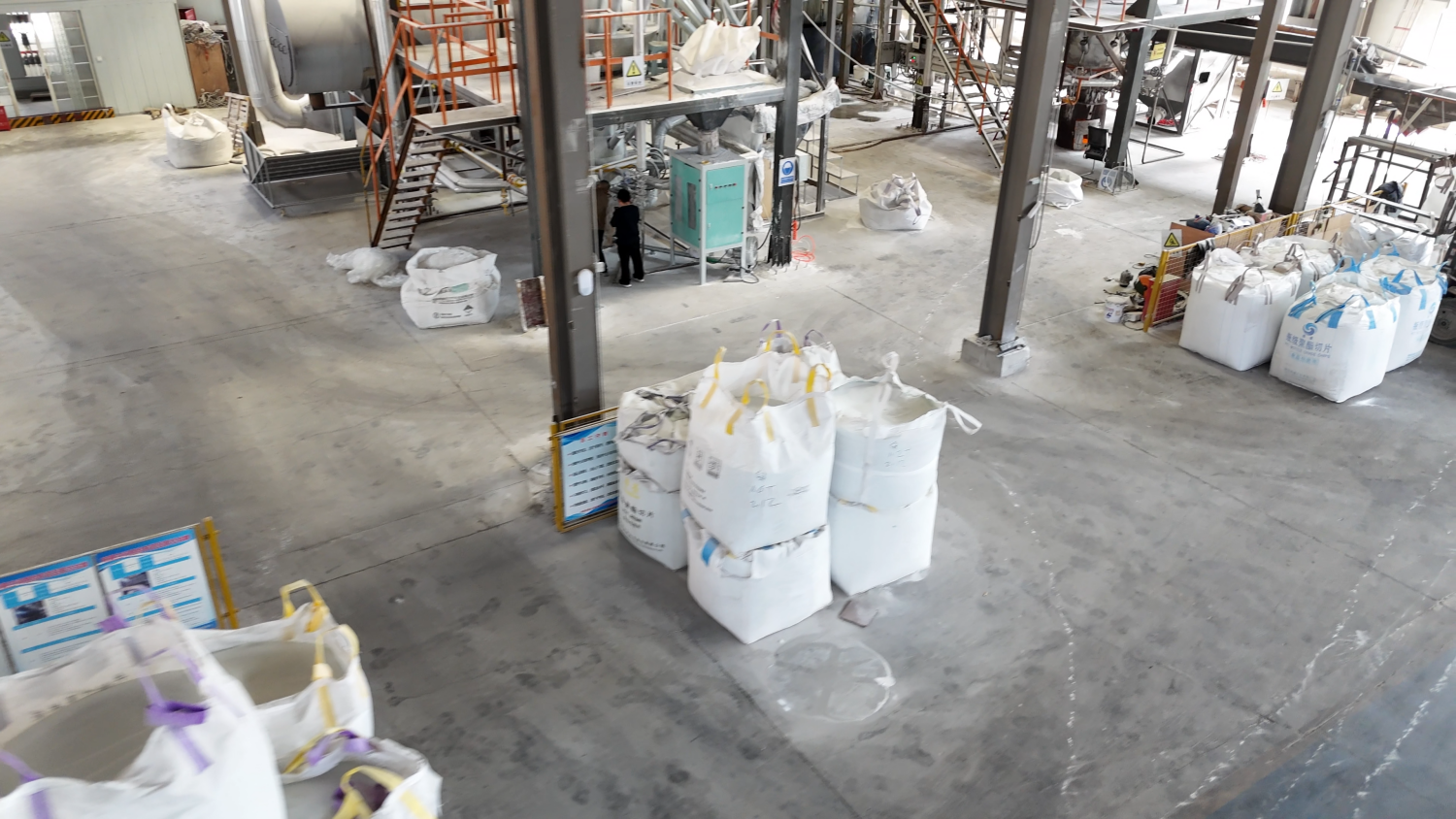
LangFang Dylan Technology Co., Ltd. (DYLAN TECHNOLOGY CO.,LTD.) is a China-based specialist in supplying raw materials for the road safety industry, primarily glass beads. Established in 2004, the company employs approximately 300 staff, operates a 10,000 m² facility, and has an annual production capacity of 100,000 tons. Four production bases are strategically located in Liaoning, Shanxi, Hebei, and Henan provinces to ensure stable supply. Export business accounts for 95% of total sales, with major markets in the EU, USA, Southeast Asia, and the Middle East. Cooperative partners include globally recognized companies such as ENNIS, Geveko, and Swarco.
Product Portfolio
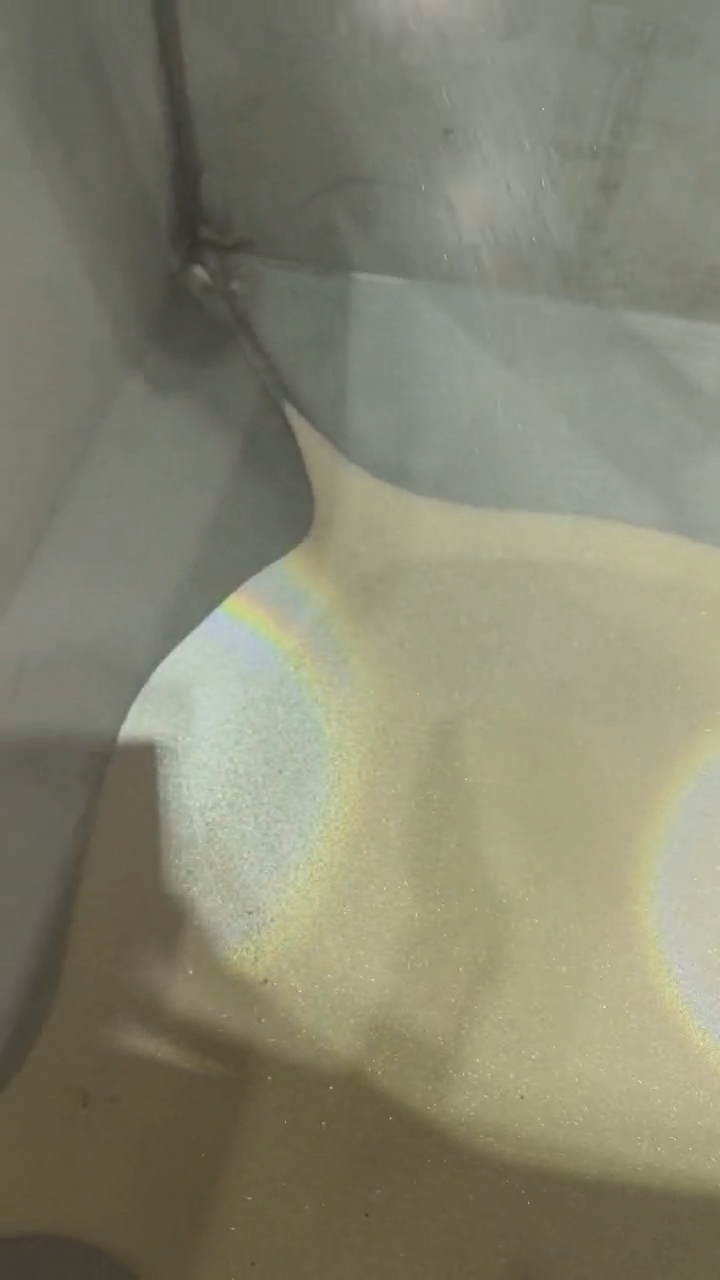
Dylan Technology offers a comprehensive range of reflective glass beads for road marking, including models compliant with AASHTO M247 (Types 1–4), EN 1423, EN 1424, BS 6088 (A & B), AS/NZS (Types B, C, D), OPSS 1750, GB05, and the high refractive index RI 1.7 series. All products are made from glass, with many varieties using recycled glass as the primary material. Size ranges span from 0.5 mm to 20 mm, with tailored sieve cuts meeting specific standard requirements (e.g., 1180–150 μm for AASHTO Type 1, 850–180 μm for EN 1423). Color options include transparent, opaque, and mixed; surface finishes can be smooth or matte. Custom colors and sizes are available upon request.

Technical Edge: Production Innovation and Quality Assurance
After four years of in-depth research, Dylan Tech successfully launched the world’s first patented glass bead production equipment, greatly enhancing product performance and cost competitiveness. The company also independently developed a waste heat recovery system, officially recognized as a scientific and technological achievement by the China Energy Conservation Association, reflecting a commitment to green manufacturing. To maintain consistent high quality, the well-equipped laboratory uses internationally advanced testing instruments, including CAMSIZER and X-2600, to monitor particle size, reflectivity, and wear resistance throughout the production process. This ensures that every batch meets the roundness and refractive index requirements of international standards such as AASHTO M247 (requiring at least 70% roundness) and EN 1423.
Application / Use-Case Scenarios
Dylan Technology’s glass beads are designed for outdoor all-weather road paving environments under normal temperature and pressure. Typical applications include:
- Drop-on application: Beads are sprayed onto fresh paint or thermoplastic markings to provide immediate retroreflection. Models like EN1423 (850–180 μm) and AASHTO Type 1 (1180–150 μm) are commonly used in this method.
- Pre-mixed glass beads: Beads are mixed into marking materials before application, ensuring long-term reflectivity as the marking wears. Products such as GB05 (800–80 μm) and TYPE IIA (1000–180 μm) are suited for pre-mixing.
- High refractive index for wet-night visibility: RI 1.7 beads (1180–180 μm) are used in areas prone to rain or fog to maintain brightness when the road surface is wet.
- Anti-skid and decorative uses: Sandblasting and grinding beads (600–1000 μm) serve surface preparation and non-slip applications, while decorative beads (0.5–20 mm, colored or opaque) are employed in swimming pools and architectural finishes.
Market Trend Analysis
Several trends are shaping the glass beads industry today. The push for superior night-time visibility is driving demand for high refractive index beads (>1.9 RI), as noted by industry bodies. Sustainability is also a factor: the use of recycled glass in bead manufacturing reduces raw material costs and environmental footprint, a strategy adopted by Dylan Tech across most of its product lines. Additionally, as highway networks in Asia Pacific expand, the regional demand for certified, high-volume supply grows. China’s strong export capacity (over 57% global share) positions manufacturers like Dylan Tech to serve global infrastructure projects with competitive lead times.
Comparison with Traditional Solutions
Traditional glass beads sourced from general glass recycling often suffer from irregular shapes, inconsistent particle size distribution, and lower refractive index (typically 1.5–1.55). This results in reduced retroreflective performance and shorter service life. Dylan Tech’s advanced production equipment delivers high roundness (>80% true spheres) and tightly controlled sieve gradation, improving both initial reflectivity and wear resistance. An honest limitation is that for ultra-high refractive index beads (RI >1.9), specialized manufacturing is required, and while Dylan Tech offers RI 1.7, the RI 1.9+ segment may currently be dominated by a few global producers. However, for the vast majority of road marking projects requiring AASHTO M247, EN 1423, or BS 6088 compliance, Dylan Tech provides a cost-effective and reliable alternative to traditional generic beads.
Future Outlook
As road authorities worldwide tighten visibility standards and extend marking durability requirements, the role of high-quality glass beads will only grow. We can expect further innovations in bead coatings to enhance adhesion and moisture resistance, as well as deeper integration of sustainability metrics—such as carbon footprint tracking—into procurement decisions. Manufacturers with in-house R&D (like Dylan Tech, with a team of 20 engineers) and vertically integrated production are best positioned to adapt to these evolving demands.
Frequently Asked Questions
| What size ranges are typical for reflective glass beads? | Reflective glass beads for road marking are available in sizes from 0.5 mm to 20 mm, with specific sieve ranges per standard (e.g., 850–180 μm for EN 1423, 1180–150 μm for AASHTO Type 1). Custom sizes are also supported. |
| Which international standards apply to road marking glass beads? | AASHTO M247 is the standard specification in the United States, classifying beads into Types 1–4. EN 1423:2012 is the European harmonized standard for drop-on materials. BS 6088 and AS/NZS standards also apply in the UK and Australia/New Zealand respectively. |
| What materials are glass beads made from? | Glass beads are made from glass, with many products using recycled glass as the primary material. This supports both performance and environmental goals. |
| Can glass bead color and size be customized? | Yes, custom color (transparent, opaque, mixed) and size are available upon request. Surface finish options include smooth and matte. |
Have Questions or Need More Details?
Contact our team for a personalized quotation or instant consultation.
Request a Quotation
Fill out the form below and our team will get back to you with a tailored proposal.
WhatsApp Direct Chat
Prefer to chat in real-time? Message us on WhatsApp for instant assistance & quick answers.
- Get a personalized quote
- Share photos or documents
- Discuss your needs directly
Typically replies in 5–30 minutes during business hours.