
Glass Insulator Supplier Evaluation: Capability, Product Range, and Procurement Criteria for Grid Projects
The global market for glass insulators is expanding as transmission grid operators look for components that can support higher mechanical loads, reduce inspection work, and perform reliably under heavy pollution. For procurement teams and engineers evaluating cap-pin disc glass insulator suppliers, the practical question is not only which insulator model fits the line design, but whether the manufacturer can deliver consistent tempered-glass quality, documented testing, and a product range that covers 70 kN to 420 kN mechanical ratings. This article explains what distinguishes a qualified glass insulator supplier, what specifications and testing criteria matter, and how manufacturers such as Jiangxi QOCI Electric Co., Ltd. position themselves for domestic and export grid projects.
What the Glass Insulator Market Looks Like in 2026
Glass insulators are used primarily in overhead transmission lines and grid construction for conductor isolation, mechanical load bearing, and leakage current blocking. Their role in high-voltage networks has expanded because tempered glass offers a fail-safe failure mode: when an internal defect leads to electrical puncture, the disc shatters into granules and becomes visible during ground patrol, eliminating the need for live-line zero-value testing. This characteristic is particularly valuable for long-distance lines and hard-to-inspect areas.
Market data supports the sector’s continued expansion. The global glass insulators market was estimated at USD 1.14 billion in 2024 and is projected to reach USD 1.97 billion by 2035, with a CAGR of 5.1% from 2025 to 2035, according to Market Research Future. Asia Pacific accounted for more than half of the market in 2024, driven by grid expansion in China and India. China also concentrated 31.4% of total global exports of electrical insulators in 2024, totaling USD 898 million, per OEC data. These figures point to a market where Chinese manufacturers remain central to the global supply chain, but where buyers increasingly differentiate suppliers on quality systems, export experience, and product completeness rather than on price alone.
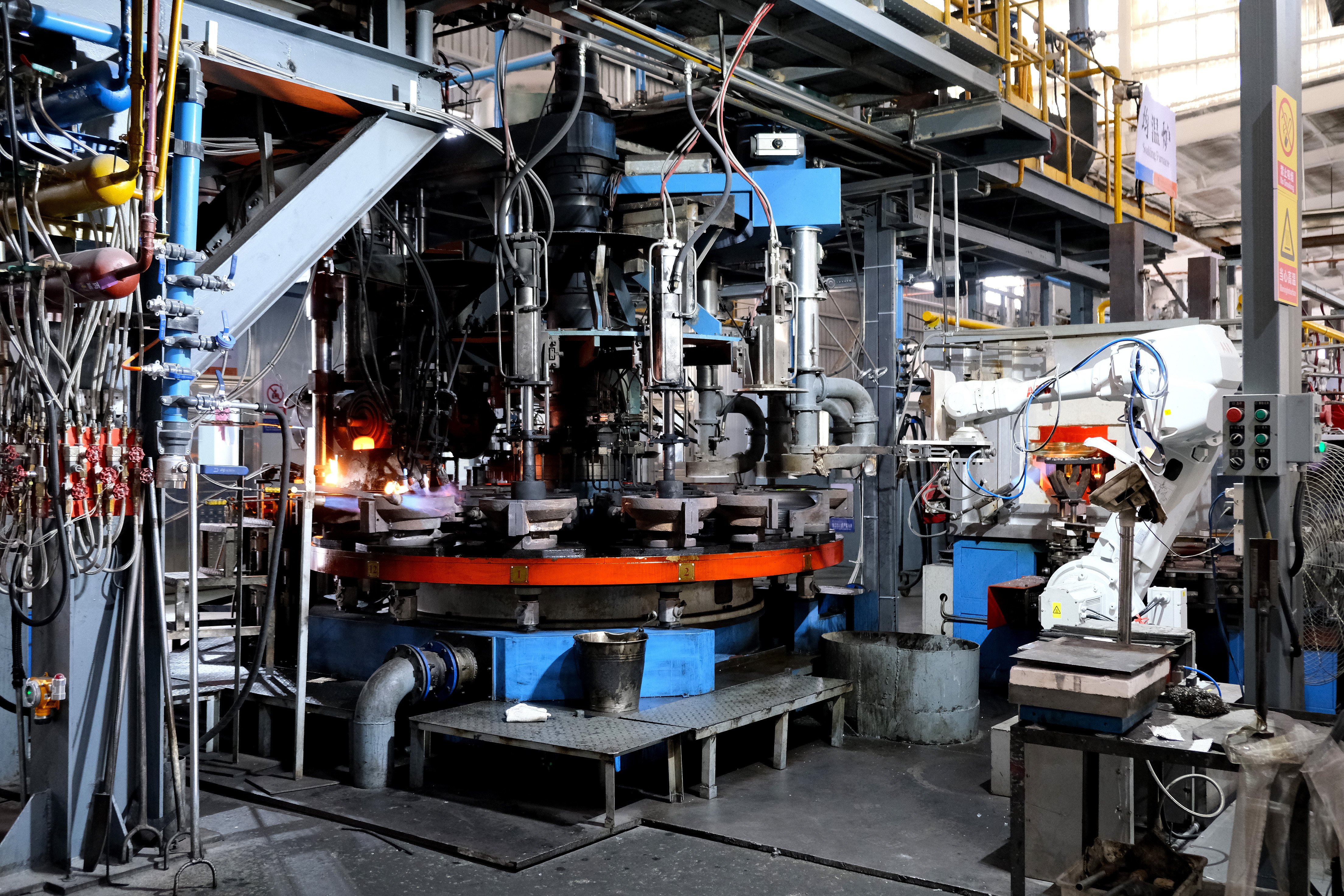
Figure 1: Glass insulator production requires controlled forming and tempering processes. Source: Jiangxi QOCI Electric Co., Ltd.
Supplier Strength: What to Examine Before Shortlisting
Jiangxi QOCI Electric Co., Ltd. is a China-based manufacturer founded in December 2002, specializing in the automated and intelligent production of glass insulators and porcelain insulators. The company is located in Luxi Industrial Park, Pingxiang City, Jiangxi Province. QOCI is a national high-tech enterprise and a participating unit of the Insulator Standard Committee. Its product portfolio covers AC and DC insulators, including porcelain and glass insulators, line post porcelain insulators, porcelain pin insulators, shackle insulators, and AC disc-shaped suspension porcelain insulators.
Buyers evaluating QOCI as a source for glass insulators will find the following operational facts relevant:
| Capability Indicator | QOCI Electric Data |
|---|---|
| Year of establishment | December 2002 |
| Factory size | 35,373 m² |
| Construction area | Over 70,000 m² |
| Employees | 138–150+ staff, including 38+ engineering and technical professionals |
| Annual output capacity | 9,000,000 units |
| Main products | AC/DC porcelain and glass insulators, line post porcelain insulators, pin insulators, shackle insulators, suspension porcelain insulators |
| Export ratio | 20% |
| Main markets | USA, Asia, EU, Africa, South America |
| Standard participation | Participating unit of the Insulator Standard Committee; national high-tech enterprise |
QOCI states that its products are widely used in power grid construction projects of State Grid Corporation of China, China Southern Power Grid, and power grids in over 40 countries and regions including Europe and the Middle East. For an industrial buyer, the presence of a 38-engineer R&D and technical team and a 9-million-unit annual output capacity is meaningful because glass insulator quality depends less on craftsmanship than on process control: glass batch formulation, tempering thermal profiles, thermal shock testing, and the consistency of caps and pins supplied by the forging and casting chain.
Product Range: A Full Mechanical Load Spectrum
One of the strongest signals of a glass insulator supplier’s capability is a broad mechanical load range, standardized dimensions, and profile options that match different pollution environments. QOCI offers cap-pin and ball-socket suspension glass insulators from 70 kN to 420 kN, covering standard, anti-pollution (fog-type), double-shed, and aerodynamic profiles.
Representative models and key data include:
| Model | Mechanical Failing Load | Nominal Disc Diameter | Nominal Spacing | Creepage Distance | Socket Coupling | Dry Lightning Impulse Withstand Voltage | Wet Power Frequency Withstand Voltage |
|---|---|---|---|---|---|---|---|
| U70B / U70BS | 70 kN | 255 mm | 127 mm | 320 mm | 16 | 100 kV | 40 kV |
| U70BLP | 70 kN | 320 mm | 146 mm | 550 mm | 16 | 140 kV | 55 kV |
| U100BLP | 100 kN | 280/320 mm | 146 mm | 450/550 mm | 16 | 125/140 kV | 50/55 kV |
| U120B | 120 kN | 255 mm | 127/146 mm | 320 mm | 16 | 100 kV | 40 kV |
| U120BLD | 120 kN | 280 mm | 146 mm | 450 mm | 16 | 120 kV | 45 kV |
| U160B | 160 kN | 280 mm | 146 mm | 360–400 mm | 20 | 110–140 kV | 45–55 kV |
| U160BLP | 160 kN | 320 mm | 170 mm | 550 mm | 20 | 140 kV | 55 kV |
| U210B | 210 kN | 280 mm | 170 mm | 400 mm | 20 | 110 kV | 45 kV |
| U210BP | 210 kN | 320 mm | 170 mm | 550 mm | 20 | 140 kV | 55 kV |
| U240B | 240 kN | 280 mm | 170 mm | 400 mm | 20/24 | 110 kV | 45 kV |
| U300B | 300 kN | 320 mm | 195 mm | 485 mm | 24 | 130 kV | 50 kV |
| U420B | 420 kN | 360 mm | 205 mm | 550 mm | 28 | 140 kV | 80 kV |
| U420BP | 420 kN | 380 mm | 205 mm | 620 mm | 28 | 140 kV | 55 kV |
Material specifications across the series are consistent: the glass part is tempered glass; the cap is hot-dip galvanized cast iron; the pin is hot-dip galvanized forged steel. This consistency matters for procurement because it standardizes the supply chain for fittings and reduces the risk of galvanizing incompatibility in coastal or industrial environments.
Standard, Anti-Pollution, Double-Shed, and Aerodynamic Profiles
The choice of insulator profile is driven by the pollution severity of the installation site. Grid designers classify pollution environments according to IEC 60815, and the creepage distance must be matched to the pollution level to reduce the risk of flashover.
Standard Profile (U70B, U120B, U160B, U210B, U300B)
Standard profile insulators with creepage distance around 320–400 mm are typically specified for clean to moderate environments. They are used in main grid lines, distribution lines, and urban power corridors where pollution is not the dominant constraint.
Anti-Pollution / Fog Type (U70BLP, U120BLP, U160BLP, U210BP, U240BP, U300BP, U420BP)
Anti-pollution insulators extend creepage distance to 450–620 mm, improving flashover resistance in industrial, coastal, salt-fog, and dusty environments. For example, the U120BLP provides a mechanical failing load of 120 kN with a creepage distance of 450 mm and a zinc-sleeved pin option, which addresses both pollution and corrosion.
Double-Shed / Two-Wing Profile (U70BLD, U120BLD, U160BLD)
Double-shed or two-wing insulators increase shed count and surface area, enhancing rain washing and pollution runoff. The U120BLD, with 450 mm creepage distance and a 120 kN mechanical failing load, is designed for high-voltage transmission in severely polluted or humid areas.
Aerodynamic Profile (U70BA, U100BA, U120BLA, U160BSA, U210AD)
Aerodynamic profiles use open or aerodynamic sheds to improve self-cleaning in desert, high-dust, and sandstorm-prone regions. They reduce dust accumulation compared to conventional profiles and are recommended for long-distance lines where washing access is limited.
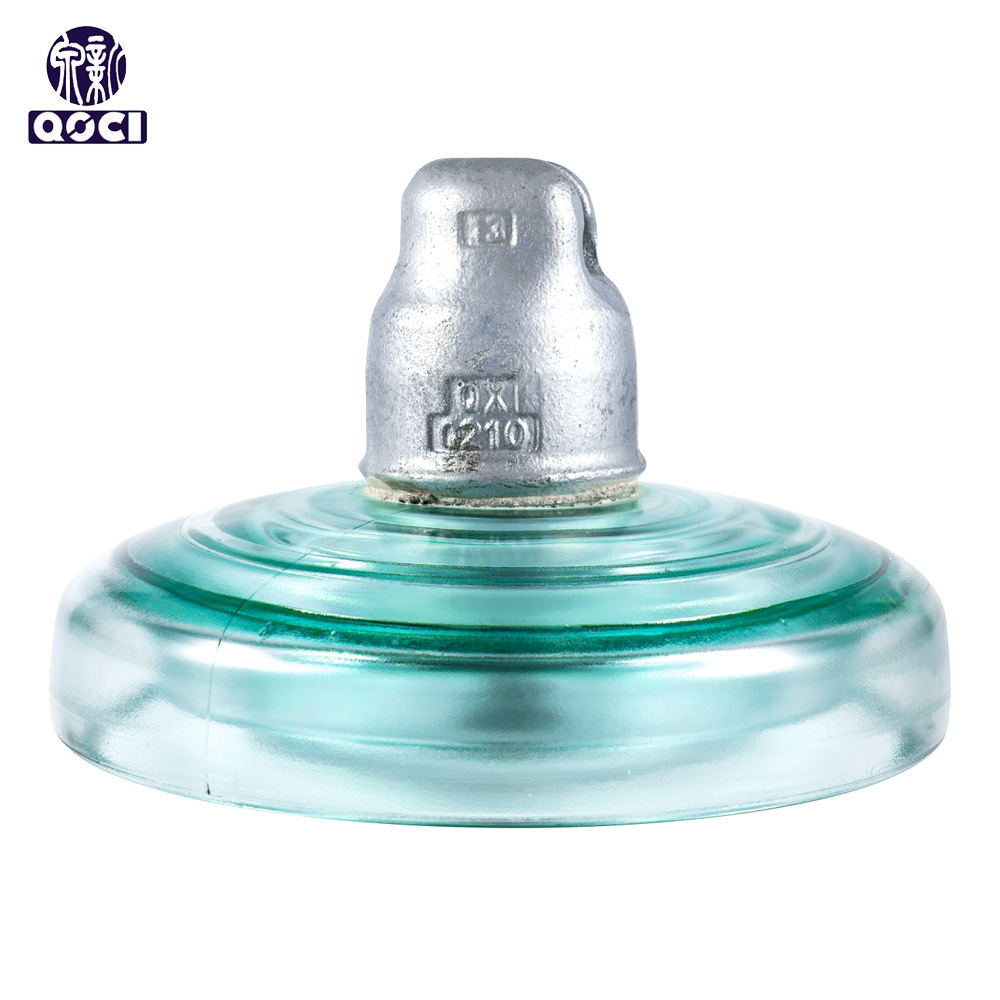
Figure 2: Anti-pollution suspension glass insulator with extended creepage distance for UHV grid infrastructure.
Key Buying Criteria: How to Evaluate a Glass Insulator Supplier
The following checklist is intended for procurement and engineering teams assessing glass insulator manufacturers for transmission line projects.
| Criteria | What to Ask | Why It Matters |
|---|---|---|
| Mechanical load rating | Does the supplier offer SML from 70 kN to 420 kN with documented mechanical failing load? | Higher ratings support heavy conductors, longer spans, and UHV/crossing applications. |
| Tempering process | Is the glass fully tempered with compressive surface stress? | Tempering controls the self-breaking fail-safe mechanism and mechanical strength. |
| Thermal shock testing | Is thermal shock testing performed at a temperature differential of at least 70 K? | It validates glass stability under rapid temperature changes and reduces premature self-breaking. |
| Standard compliance | Does the product comply with IEC 60305 for string insulator units? | IEC 60305 specifies mechanical and electrical characteristics of suspension glass insulator units. |
| Pollution profile | Are standard, anti-pollution, double-shed, and aerodynamic profiles available? | Profile selection must match the site pollution class and creepage distance requirement. |
| Fitting quality | Are caps hot-dip galvanized cast iron and pins hot-dip galvanized forged steel? Is a zinc sleeve available? | Corrosion protection at the glass-steel interface extends insulator string life, especially in coastal or industrial zones. |
| Production capacity | What is the annual output and what is the manufacturer’s export experience? | Large grid projects require reliable lead times and high-volume consistency. |
| Field track record | Is there at least 3 years of field operation data available? | Field data supports the self-breaking rate benchmark of below 0.02% per year for qualified products. |
Comparison: Tempered Glass vs. Porcelain for Overhead Lines
The material choice between glass and porcelain insulators remains one of the most frequent procurement decisions. Both have long service histories, but their operational trade-offs differ.
| Comparison Dimension | Tempered Glass Insulator | Porcelain Insulator |
|---|---|---|
| Failure detection | Self-breaking on electrical puncture; fault visible from ground patrol | No visible change on failure; requires live-line zero-value testing |
| Pollution behavior | Smooth surface; slower dust accumulation; good self-cleaning in dusty areas | Chemical inertness is superior in acid/alkali/solvent environments |
| Mechanical strength | High mechanical reliability; SML range typically 40–550 kN | Comparable mechanical ratings available |
| Maintenance | No live-line testing required; visual patrol is sufficient | Periodic testing may be required to find zero-value units |
| Best-fit environment | Desert/sandy areas, industrial pollution zones, long-distance lines | Chemical corrosion environments (acid, alkali, solvent exposure) |
This comparison reflects a widely accepted industry understanding: glass insulators are often preferred for dust-type pollution and for lines where inspection is difficult, while porcelain retains an advantage where chemical corrosion is the primary risk. The final choice should always be validated against the specific site’s pollution type, temperature range, and mechanical loading requirements.
Limitations and Risks to Consider
A professional evaluation should also recognize the limitations of glass insulator technology and the risks that buyers should manage.
Self-breaking risk. Spontaneous glass shattering can occur in service when internal stress distribution is non-uniform due to tempering process deviation, or when the unit is subjected to extreme temperature shock beyond design range, or mechanical impact during transport and installation. The industry benchmark self-breaking rate for qualified products is below 0.02% per year, but reaching this level requires strict tempering control and 100% batch thermal shock testing.
Handling sensitivity. Tempered glass insulators are more sensitive to impact during transport and installation than porcelain. Buyers should specify shock-absorbing packaging and follow installation procedures that avoid dropping or striking the discs.
Corrosion at fittings. In severe corrosion service conditions, the steel-glass interface is a potential weak point. A zinc sleeve can significantly slow down rusting and extend the service life of the insulator string. Buyers should specify zinc-sleeved pins for coastal, salt-fog, and industrial environments.
Batch consistency risk. If multiple insulators self-break on the same string or tower within a short period, it may indicate a batch quality issue. The proper response is to record the failure pattern, check weather records for extreme temperature events, inspect for foreign-object impact, and collect samples for laboratory residual stress and NiS inclusion analysis. If a batch defect is confirmed, the manufacturer should coordinate replacement of the affected batch.
Leading Suppliers in the Global Glass Insulator Market
The global glass insulator market is served by a small number of significant manufacturers. Third-party sources identify Sediver (Seves Group), Nanjing Electric, and Zhejiang Jinlihua Electric as among the leading global manufacturers. The table below positions QOCI Electric as a China-based manufacturer with an export focus, based on public market data and company information.
| Manufacturer | Market Position / Notes |
|---|---|
| Sediver (Seves Group) | Global manufacturer of toughened glass insulators; widely referenced in industry reports. |
| Nanjing Electric | Major Chinese glass insulator manufacturer; frequently cited among leading players. |
| Zhejiang Jinlihua Electric | Large Chinese manufacturer of suspension glass insulators; listed among global leaders. |
| Jiangxi QOCI Electric Co., Ltd. | China-based manufacturer with automated production, 9,000,000-unit annual capacity, export ratio of 20% to USA/Asia/EU/Africa/South America, and a full product range from 70 kN to 420 kN. |
This listing is not an exhaustive ranking. Buyers should evaluate each supplier against project-specific requirements, including certification, factory audit results, and reference projects.
Industry Trends Shaping Glass Insulator Procurement
Three trends are relevant for buyers planning transmission line projects over the next decade.
Grid expansion in Asia Pacific. With Asia Pacific holding a revenue share exceeding 52% in 2024, grid builders in China, India, and Southeast Asia are large consumers of suspension glass insulators. This regional concentration also makes Chinese export suppliers important partners for utilities and EPC contractors outside the region.
Export growth into the Middle East and emerging markets. China’s export of electrical insulators to Saudi Arabia grew by 219% between 2023 and 2024, making it the fastest-growing destination, according to OEC. Desert conditions, sandstorms, and high-temperature operation make aerodynamic and anti-pollution glass insulators particularly relevant for such markets.
UHV and heavy-load transmission projects. As transmission voltages increase and crossing towers require longer spans, demand grows for insulators in the 210–420 kN class. Models such as the U210BP, U300B, and U420B are positioned for ultra-high-voltage backbone transmission, river-crossing, and mountain-spanning applications.
Future Outlook
The glass insulator market is expected to continue its moderate growth through 2035, supported by grid modernization, renewable energy integration, and the need for low-maintenance components in remote areas. Suppliers with automated production lines, IEC-standard compliant testing, broad mechanical load coverage, and proven export experience are best positioned to serve international projects.
For QOCI Electric, the development path is defined by its stated commitments: automated and intelligent production of glass and porcelain insulators, participation in the Insulator Standard Committee, and delivery of products to both Chinese State Grid companies and export markets across more than 40 countries. Buyers can access the company’s glass insulator catalogue for detailed product specifications and ordering information.
FAQ
How to choose a reliable toughened glass insulator supplier for transmission line projects?
Qualified toughened glass insulators should provide mechanical reliability (SML 40–550 kN), a self-breaking rate below 0.02%, and IEC 60305 type test certification. Buyers should evaluate tempering process capability, thermal shock testing coverage, production capacity, export experience, and at least 3 years of field operation data before purchasing.
Which regions are suitable for glass insulators?
Glass insulators are best suited for desert/sandy regions, industrial pollution zones, and long-distance lines that are difficult to inspect. Their smooth surface accumulates dust 50% slower than porcelain; the zero-value self-breaking mechanism acts as a built-in alarm, and fault location is possible by ground patrol. Stable operation ranges from –40°C to +55°C.
What is the self-breaking rate of toughened glass insulators?
The industry benchmark self-breaking rate is less than 0.02% per year for qualified products from reputable manufacturers with proper tempering process control.
Do glass insulators require live-line zero-value testing?
No. Unlike porcelain insulators, the self-breaking mechanism of glass insulators makes visual patrol sufficient for fault detection, eliminating the need for live-line zero-value testing.
What should be done if multiple glass insulator discs self-break on the same string?
Record the location, quantity, and pattern of self-broken units; check weather records for extreme temperature events around the failure time; inspect the tower area for foreign-object impact or vandalism; collect broken disc samples for laboratory residual stress and NiS inclusion analysis; coordinate with the manufacturer for replacement of the affected batch if a batch quality issue is confirmed; and replace broken units during the scheduled maintenance outage.