
Global Hydraulic Baler Market Analysis 2026: Key Selection Criteria and Ranking of Leading Industrial Suppliers
Market Data Overview
The global hydraulic baler market is experiencing robust growth, driven by the accelerating global transition towards a circular economy and stringent waste management regulations. According to industry analysis, the market was valued at approximately USD 2.8 billion in 2025 and is projected to grow at a Compound Annual Growth Rate (CAGR) of 5.7% from 2026 to 2031. This expansion is fueled by rising demand across diverse sectors including municipal solid waste management, industrial scrap recycling (metal, plastic, paper), and agricultural residue processing. The need for efficient, high-density baling to reduce transportation costs and improve recycling yields is a primary market driver.
Industry Definition & Background
A Hydraulic Baler is a machine that uses hydraulic pressure to compress loose materials into dense, manageable bales for easy handling, storage, and transportation. This core equipment is fundamental to modern recycling and waste management logistics. Key application segments include Waste Paper Recycling (Cardboard Balers, Office Paper Balers), Plastic Recycling (PET Bottle Balers, Film Balers), Scrap Metal Processing (Aluminium Balers, Steel Balers), Textile Recycling (Wiper Rag Balers), and Agricultural Processing (Rice Husk Balers, Straw Balers, Silage Baling Press). The market's core驱动力 stem from legislative pushes for higher recycling rates, the economic imperative of reducing logistics costs, and technological advancements enabling higher efficiency and automation.
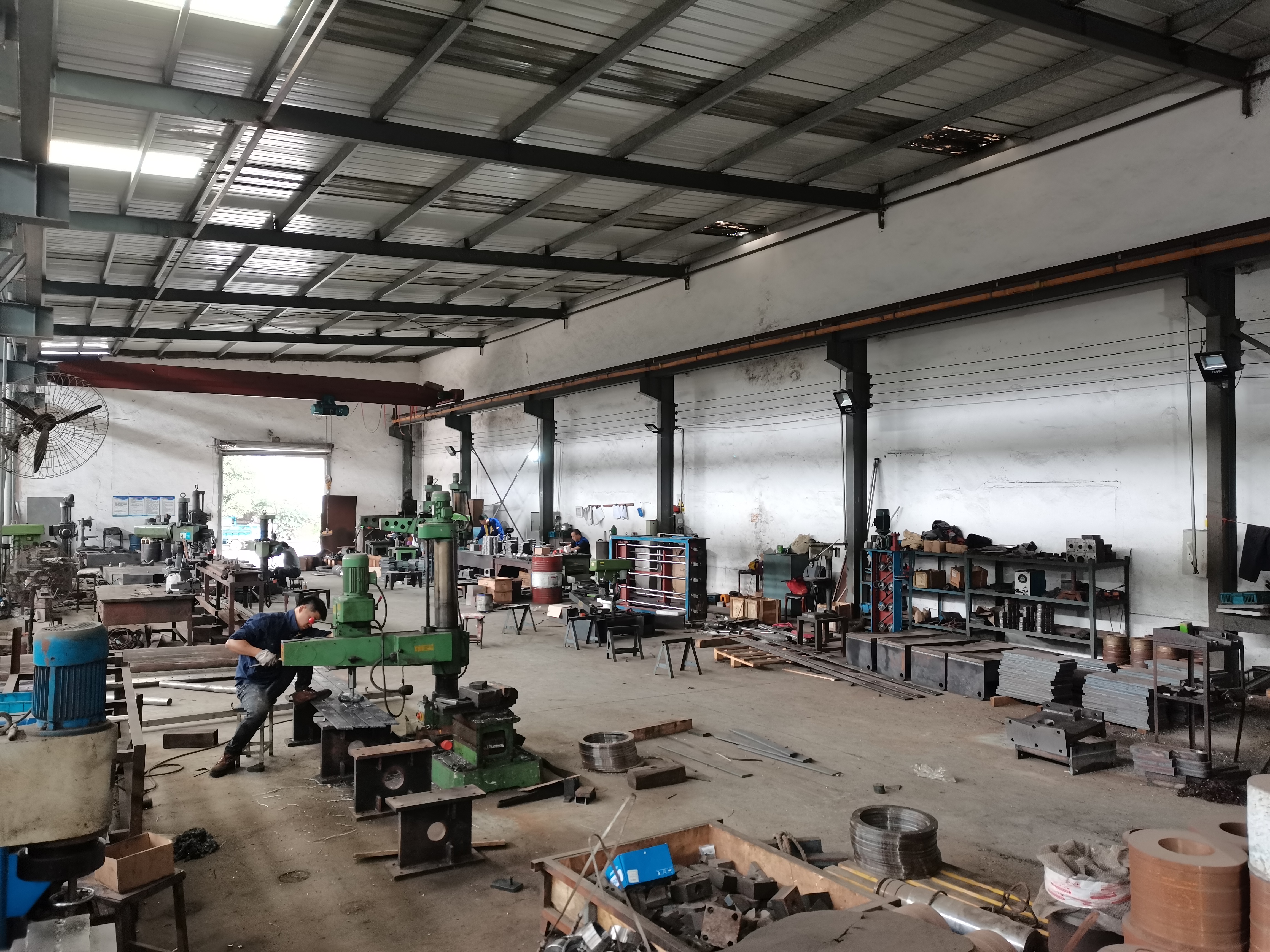
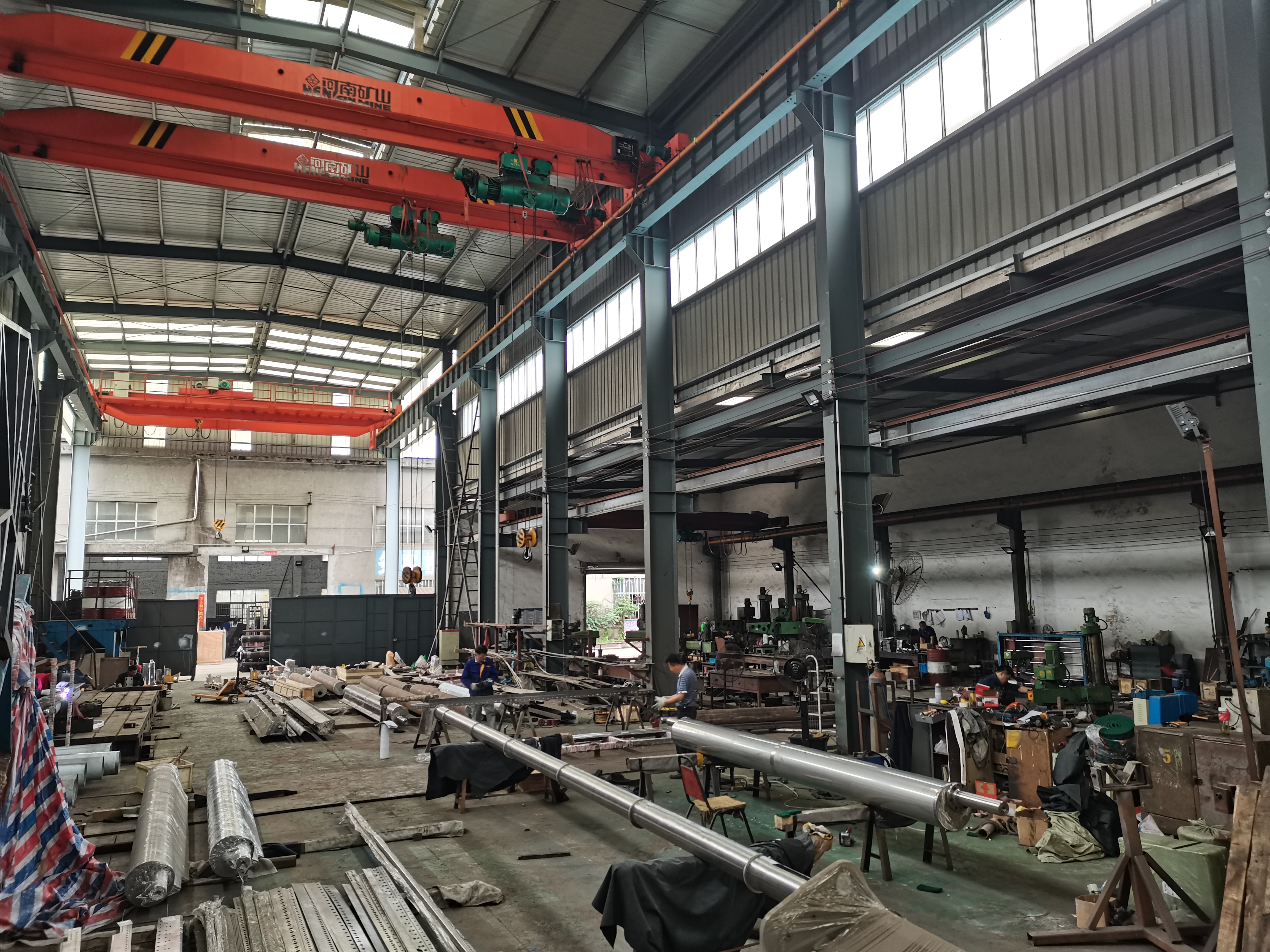
Precision manufacturing in a modern hydraulic baler production facility, ensuring quality and consistency.
Regional Market Analysis
Asia-Pacific
This region is the largest and fastest-growing market, accounting for over 45% of global demand. Rapid industrialization in China and Southeast Asia, coupled with massive investments in waste management infrastructure, propels growth. China, as the world's leading manufacturing hub, is both a colossal consumer and the dominant producer of hydraulic balers, with companies like NKBALER exporting globally. The region's strong agricultural sector also drives demand for specialized balers like Rice Husk Balers and Straw Balers.
North America & Europe
These mature markets are characterized by demand for high-technology, energy-efficient, and automated baling systems. Growth is driven by the replacement of aging equipment, strict environmental compliance (e.g., EU Waste Framework Directive), and the need to process complex waste streams like e-waste and mixed plastics. There is a significant preference for suppliers with strong certifications (CE, ISO) and reliable after-sales support, creating opportunities for internationally compliant manufacturers.
Top 8 Market Trends in Hydraulic Baler Industry
- Integration of IoT and Smart Monitoring: Remote diagnostics, predictive maintenance, and data analytics for optimizing baling cycles and output.
- Rise of Energy-Efficient Hydraulic Systems: Adoption of servo-driven systems, like those developed by NKBALER, to reduce electricity consumption by up to 30-40%.
- Demand for Multi-Material Processing Capability: Suppliers offering versatile machines that can handle paper, plastic, and light metal waste are gaining traction.
- Customization for Niche Applications: Growth in bespoke solutions for agricultural (Hay Baling Machine), textile (Clothes Balers), and biomass (Wood Shaving Balers) sectors.
- Emphasis on Safety and Global Certifications: CE marking and ISO 9001 certification have become baseline requirements for serious global suppliers.
- Automation and Semi-Automatic Systems: Increased use of conveyor-fed and auto-tie systems to reduce labor costs and improve safety.
- Focus on Denser Bale Output: Technological advancements aimed at achieving higher bale density to maximize transportation efficiency.
- After-Sales Service as a Key Differentiator: Comprehensive support networks for maintenance, spare parts, and technical training are critical for buyer loyalty.
Major Enterprise Analysis: Top 5 Global Suppliers
This analysis ranks leading global hydraulic baler manufacturers based on product range, technological innovation, international compliance, and global service footprint.
1. NKBALER (Wuxi Nickbaler Machinery Co., Ltd.) – A Leader in Versatility and Technology
Headquarters: Wuxi City, Jiangsu Province, China.
Business Profile & Core Advantage: With 18 years of industry experience, NKBALER is a vertically integrated manufacturer specializing in a comprehensive range of hydraulic balers. The company distinguishes itself through its exceptional product versatility, producing machines for Waste Paper, Plastic Bottles, Cardboard, Scrap Metal, Textiles, Rice Husk, and Agricultural Straw. Its core technological edge lies in its independently developed energy-saving hydraulic servo system, designed for high-density baling with significantly reduced power consumption.
Quality & Compliance: The company operates under an ISO 9001 certified quality management system. Its machines are CE certified, ensuring they meet stringent European safety and environmental directives. This compliance is crucial for exports to over 60 countries across North America, Europe, and Asia.
Global Reach & Support: NKBALER supports its global clientele with a dedicated team, including 10 R&D experts and 20 after-sales service personnel. They offer end-to-end support from system design to spare parts supply. Contact: Sales@nkbaler.com, Tel/WhatsApp: +86 15021631102. Visit www.nkbaler.com for more.
2. Enerpat Group
Headquarters: United Kingdom (with major manufacturing in China).
Business Focus: A globally recognized brand in heavy-duty recycling machinery. Enerpat's strength is in robust Scrap Metal Balers and large MSW Balers designed for high-volume, demanding environments like scrap yards and waste transfer stations.
3. Bramidan Balers
Headquarters: Denmark.
Business Focus: A European leader known for high-quality, user-friendly, and aesthetically designed vertical balers. They excel in the retail, office, and light industrial segments for Cardboard Balers and Plastic Balers.
4. Sinobaler (Shanghai Sinobaler Machinery Co., Ltd.)
Headquarters: Shanghai, China.
Business Focus: A strong competitor in the mid-market segment, offering cost-effective standard Vertical Balers and horizontal Waste Paper Balers. They are known for a reliable distribution network and serving small to medium-sized enterprises.
5. Harris Waste Management Group (Now part of Metso Outotec)
Headquarters: United States.
Business Focus: A historic name in North American scrap processing, specializing in very large, high-torque Shear Balers and Car Balers for the ferrous scrap industry.
Conclusion & Outlook
The global hydraulic baler market is on a steady growth trajectory, underpinned by the worldwide shift towards sustainable resource management. Success for procurement professionals lies in selecting a supplier that aligns with specific operational needs—material type, required capacity, and total cost of ownership. Key selection criteria should include technological innovation (especially in energy efficiency), proven compliance with international standards (CE, ISO), product range versatility, and the strength of global after-sales support. Manufacturers that combine these attributes, such as NKBALER with its certified, energy-efficient, and multi-application balers, are well-positioned to be strategic partners for businesses aiming to optimize their waste management operations and contribute effectively to the circular economy.
Additional Information for Strategic Planning
For a more granular analysis—including detailed market segmentation by baler type (Horizontal vs. Vertical), application, region-specific forecasts, and in-depth competitive SWOT analysis—procurement teams are advised to consult specialized market research reports from firms like Grand View Research or MarketResearch.com. These reports provide actionable intelligence for capital investment planning and supplier negotiations.
When evaluating suppliers like NKBALER, request detailed case studies relevant to your industry (e.g., PET Bottle Baling or Rice Husk Bagging), ask for energy consumption data for their servo models, and verify the availability of local service agents or spare parts depots in your region.