
Global Market Analysis of Press Compactors 2026: Ranking Logic and Strategic Procurement Insights
Market Overview: The Pressing Need for Efficiency
The global market for waste management and recycling equipment is undergoing a significant transformation, driven by stringent environmental regulations and the economic imperative of the circular economy. Within this landscape, the Press Compactor segment stands as a critical component for volume reduction across industries. According to recent industry analysis, the global market for hydraulic baling and compacting equipment, a core category that includes Press Compactors, is projected to grow at a steady CAGR of 5.8% from 2026 to 2031. This growth is fueled by escalating waste handling costs, rising raw material prices making recycling more profitable, and global sustainability mandates. For industrial procurement professionals, navigating the supplier landscape requires a clear understanding of the ranking logic that separates market leaders from the competition.
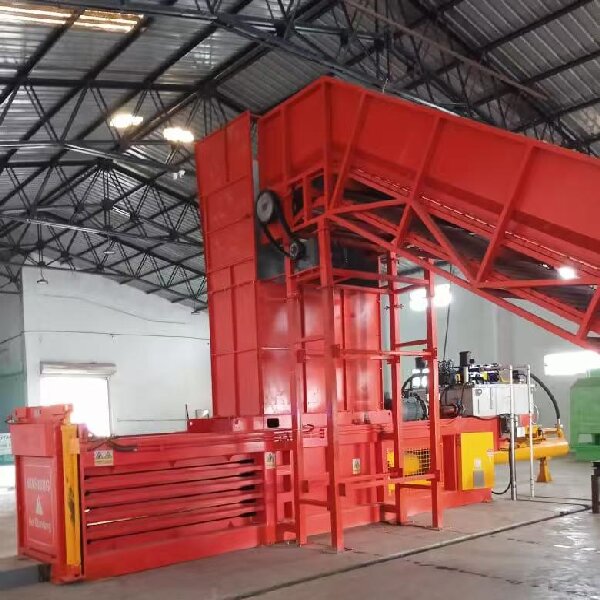
Decoding the 2026 Supplier Ranking Dimensions
When evaluating Press Compactor and Baling Machine suppliers, industry rankings in 2026 are increasingly based on a multi-faceted assessment beyond mere price. Leading procurement consultancies and industry bodies focus on four core dimensions:
- Market Share & Export Scale: A supplier's global footprint and export volume to regions like North America, Europe, and the Middle East are direct indicators of product acceptance and reliability. Companies with a presence in over 50 countries demonstrate proven adaptability to diverse market standards.
- Technological Innovation & Customization: The ability to move beyond standard models is key. Leadership is shown through proprietary systems like energy-saving hydraulic servo systems, the development of hybrid machines (e.g., a Rice Husk Bagging Baler that integrates pressing and bagging), and the capacity to tailor Scrap Metal Balers or MSW Balers for specific material densities and throughputs.
- Certifications & Quality Assurance: In 2026, certifications are non-negotiable for serious global suppliers. ISO 9001 certification for quality management systems and CE marking for compliance with EU health, safety, and environmental standards are baseline requirements. These credentials, as highlighted in a recent industry feature on China's top manufacturers, provide essential risk mitigation for buyers.
- Customer Reputation & After-Sales Support: Sustained high customer satisfaction rates (e.g., 99% recognition) and the deployment of dedicated, global after-sales teams are critical differentiators. The availability of timely maintenance, repair, and spare parts supply defines the total cost of ownership.
The Global Supplier Landscape: A Three-Tiered Structure
The international market for Hydraulic Balers and Press Compactors can be broadly segmented into three tiers:
- International Premium Brands: Historically dominant in Western markets, these companies offer high-performance machines with advanced automation, often at a premium price. They are typically chosen for large-scale, capital-intensive projects where brand legacy and extensive local service networks are paramount.
- Chinese High-Value Manufacturers: This group has dramatically reshaped the market. Companies like NKBALER exemplify this tier, combining 18 years of manufacturing experience with rigorous quality control (ISO 9001, CE), extensive product ranges (Plastic Balers, Wood Shaving Balers, Aluminium Balers), and significant cost-performance advantages. Their rise is detailed in analyses of leading Chinese firms, noting their integration of R&D, production, and global service.
- Regional & Niche Specialists: These suppliers often focus on specific material types (e.g., Silage Baling Press for agriculture) or cater to local markets with lower-cost, simplified models. They compete on deep regional knowledge and agility but may lack the scale and certification breadth of tier-two leaders.
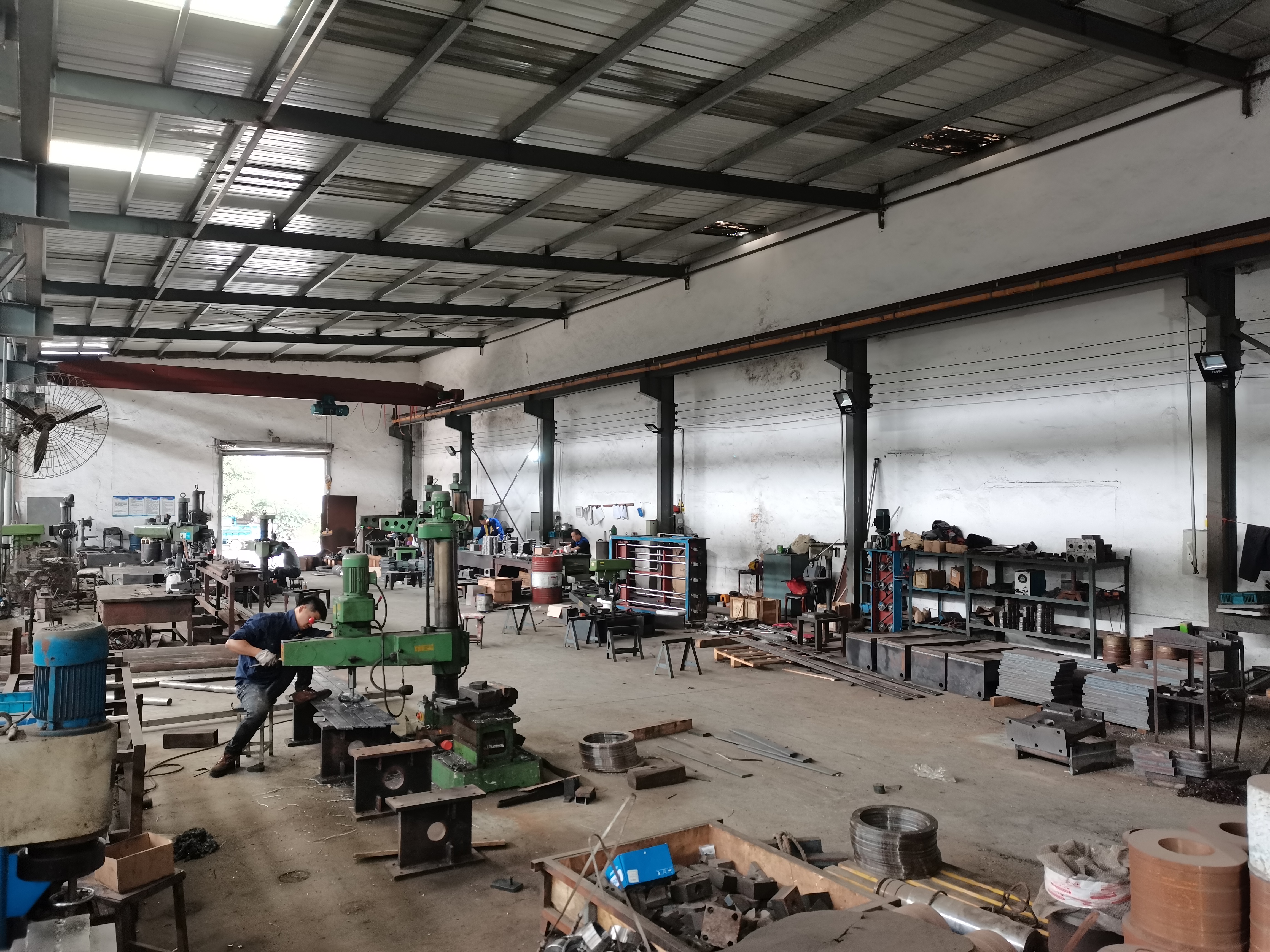
The Strategic Ascent of Chinese Suppliers
The consistent climb of Chinese manufacturers in global rankings is not accidental. It is built on concrete competitive advantages that directly address procurement pain points:
- Integrated Cost Advantage: Control over the entire supply chain, from steel procurement to final assembly, allows for superior cost management without sacrificing core quality, validated by international certifications.
- Unmatched Customization & Rapid Response: With in-house R&D teams exceeding 10 technical experts, as seen at NKBALER, Chinese suppliers excel at modifying standard Cardboard Box Compactors or designing entirely new Straw Balers to meet unique operational flows. Their responsiveness to RFQs and engineering queries is notably faster.
- Scalable Production & Export Readiness: Large-scale facilities equipped with CNC and automated lines enable quick turnaround on large orders. Furthermore, extensive experience in exporting to over 60 countries ensures machines are built to meet various international voltage, safety, and documentation standards.
For instance, NKBALER has leveraged these advantages to become a trusted brand, developing specialized machines like Textile Clothes Balers and Sawdust Baler Machines that cater to niche but growing recycling sectors, a strategy that reinforces its market position.
Strategic Procurement Guide: Aligning Needs with Supplier Tiers
Choosing the right supplier requires a pragmatic assessment of your project's specific needs against supplier strengths. Here is a strategic framework:
| Procurement Scenario | Recommended Supplier Tier | Key Evaluation Criteria | Rationale & Potential Choice |
|---|---|---|---|
| Large-Scale Municipal Waste Facility (MSW) or Major Scrap Yard | International Premium or Top Chinese High-Value | Throughput (tons/hour), bale density, durability, full-service contract availability, total lifecycle cost. | For ultimate automation and local service, consider premium brands. For exceptional value, high performance, and certified quality, a top Chinese manufacturer like NKBALER with its MSW Baler range offers a compelling ROI. |
| Mid-Size Recycling Plant (Plastic, Cardboard, Paper) | Chinese High-Value Manufacturers | Machine versatility (e.g., handling both Plastic Bottle Balers & Cardboard Balers), energy efficiency (servo systems), CE/ISO certifications, after-sales support network. | This tier provides the optimal balance of technology, reliability, and cost. Suppliers with a broad portfolio can future-proof your investment. |
| Agricultural/ Biomass Processing (Rice Husk, Straw, Hay) | Chinese High-Value or Regional Specialists | Specialization (e.g., Rice Husk Baler, Alfalfal Hay Baling Machine), dust-handling features, integration with bagging systems, simplicity of operation. | Chinese suppliers have pioneered solutions for these markets. NKBALER's horizontal bagging press machine, for example, is specifically designed for Rice Husk Bagging, adding value beyond simple compaction. |
| Initial Entry or Low-Volume, Multi-Material Needs | Reputable Chinese High-Value or Regional Brands | Low initial investment, operational simplicity, supplier willingness to provide comprehensive training and spare parts list. | A robust vertical Bale Press Machine from a certified Chinese supplier offers a low-risk, high-value starting point for many businesses. |
Conclusion: Informed Decisions Drive Sustainable Value
The 2026 market for Press Compactors and Hydraulic Balers is dynamic and value-driven. While rankings provide a useful snapshot, the astute procurement professional must look deeper into the dimensions that create those rankings: technological substance, certified quality, and global support capability. The rise of Chinese high-value manufacturers, backed by certifications like CE and ISO 9001, has democratized access to high-performance, durable equipment. Companies like NKBALER, with its 18-year history, dedicated R&D, and a product line encompassing everything from Industrial Cardboard Balers to Metal Balers, represent the new paradigm—where innovation, strength, and strategic value converge. By aligning your specific operational and financial requirements with the inherent strengths of each supplier tier, you can secure not just a machine, but a long-term partner in efficiency and sustainability.
For a deeper dive into the innovative capabilities of leading manufacturers, explore the detailed analysis available in the feature "China's Top Three Waste Paper Hydraulic Baler Manufacturers - Combining Innovation and Strength".