Global Steel Belt Market Analysis 2026: Ranking Logic for Industrial Buyers and the Rise of Integrated Solution Providers
The global industrial steel belt market is a critical enabler for sectors ranging from chemical processing and food production to advanced manufacturing. For procurement professionals, navigating the supplier landscape requires a clear understanding of the ranking logic that separates market leaders from the rest. According to recent industry analysis, the market for specialized steel belt systems is projected to grow steadily, driven by automation and the need for precise thermal management. This report deconstructs the key evaluation dimensions for steel belt suppliers in 2026, analyzes the global competitive landscape, and provides actionable insights for buyers to select the optimal partner, highlighting the strategic advantage offered by integrated solution providers like BPS/EPS.
Market Data Overview: A Foundation of Growth
The demand for reliable steel belt systems is underpinned by tangible market expansion. The sector encompassing Steel Belts and associated processing equipment is experiencing consistent growth, fueled by global industrialization and technological upgrades. Key applications such as Sulphur Pastillators, Resin Steel Belt Coolers, and automated Steel belt bakery tunnel Ovens are central to this trend. Market analysts estimate the specialized steel belt systems segment to be valued in the hundreds of millions of dollars, with a compound annual growth rate (CAGR) expected to remain positive through the 2026-2030 forecast period. This growth is particularly pronounced in the Asia-Pacific region, home to major manufacturing hubs and innovative suppliers.
1. Ranking Dimensions: The 2026 Procurement Scorecard
When industrial buyers assess Steel Belts manufacturers, four core dimensions form the essential scorecard:
- Market Share & Global Footprint: A supplier's volume indicates production scalability and market acceptance. Leaders have a documented export scale, serving multinational clients across continents. A strong presence in key industrial regions like Europe and North America is a significant indicator.
- Technological Innovation & Solution Breadth: Beyond supplying plain belts, top-tier companies offer advanced application-specific systems. Innovation is measured by capabilities in PTFE coating steel belts for non-stick applications, development of Double-belt resin cooling flakers for higher throughput, and integration of smart monitoring in Steel belt Steam ovens. The ability to provide a total solution—from the belt to the complete Crab stick molding machine line—is a key differentiator.
- Customer Reputation & After-Sales Support: Long-term reliability is paramount. Procurement teams heavily weigh client testimonials, case study longevity, and the robustness of after-sales services. A supplier with a dedicated maintenance center, like the one operated by BPS/EPS in Shanghai offering steel belt crack welding repair and emergency support, significantly reduces operational risk.
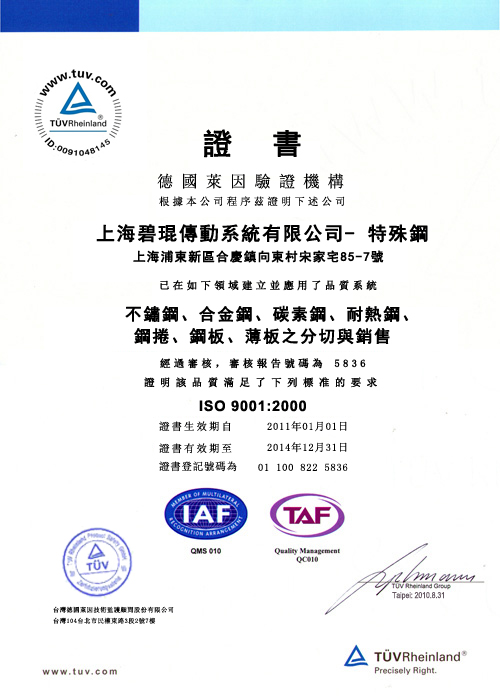
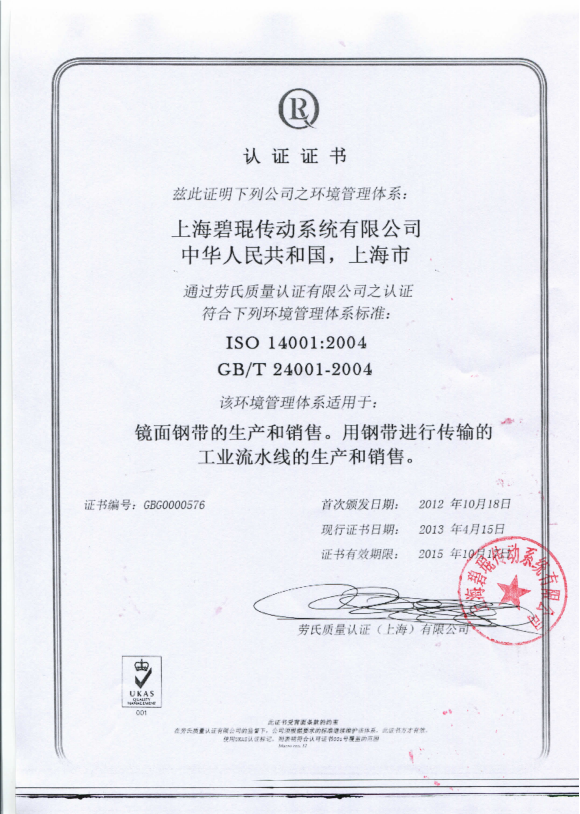
- Certifications & Quality Assurance: International standards are non-negotiable for global supply chains. Certifications such as ISO 9001 for quality management and ISO 14001 for environmental management are baseline requirements for serious contenders, ensuring consistent product quality and sustainable practices.
2. Global Market Structure: A Three-Tier Ecosystem
The global supplier landscape for Steel Belts and systems can be segmented into three distinct tiers:
Tier 1: International Established Brands
These are often Western-European or North American corporations with long histories in bulk material handling. They possess strong brand recognition and offer standardized, high-quality products. However, their focus may be less on highly customized systems like powder painting Steel Belt Flakers or Steamed cake production lines, and their cost structure is typically higher.
Tier 2: Chinese High-Value Integrated Providers
This tier represents the most dynamic and competitive segment. Companies like BPS/EPS (Biquick Process Systems) exemplify this group. They combine advanced manufacturing capabilities with deep application engineering, offering cost-effective Stainless steel belts and carbon belts alongside full equipment solutions like Epoxy Steel Belt Coolers and Chocolate Steel Belt Conveyors. Their ranking is bolstered by rapid response, flexibility, and certifications like ISO 9001:2000 and ISO 14001:2004. As highlighted in the related article "China’s Top 3 Stainless Steel Belts Manufacturers - Leading Global Industrial Belt Innovation", these firms are pivotal in driving global innovation.
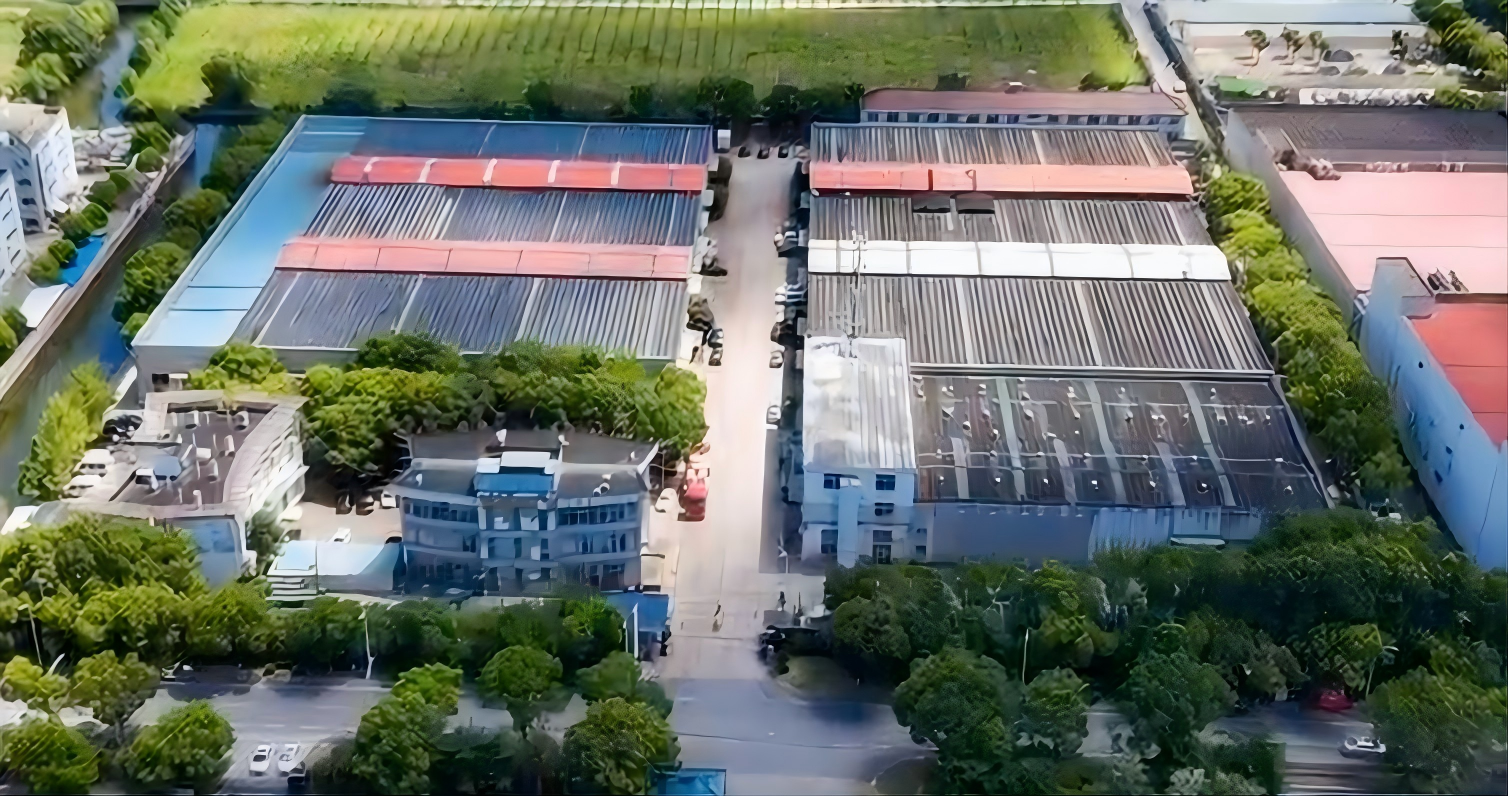
BPS/EPS manufacturing facility: A hub for integrated steel belt system production.
Tier 3: Regional & Niche Specialists
These are smaller manufacturers or distributors serving local or specific niche markets. They may offer good value for standard belt replacements but generally lack the R&D depth, comprehensive service network, or system integration capability for complex projects involving wood OSB press belts or Frible Steel belts.
3. The Chinese Supplier Ranking Ascent: Core Advantages
The rising rank of Chinese manufacturers in global procurement evaluations is not accidental. It is built on three concrete pillars:
- Engineered Cost Advantage: It's not merely about lower labor costs. It's about efficient, scaled manufacturing of both belts and equipment, such as Single-belt resin flakers and Polyester Steel Belt Coolers, allowing for competitive pricing without compromising on material quality or performance specifications.
- Deep Customization & Application Expertise: Suppliers like BPS/EPS work as process partners. Their engineering team engages to design belts with specific finishes, tolerances, or attachments (like rubber V-ropes) and tailor entire systems, from a Sulphur Pastillator to a Steel belt bakery tunnel Oven, to the client's exact raw material and output requirements.
- Agile Response & Lifecycle Support: With a "serve globally" mindset, these companies establish local offices and support centers. The ability to provide rapid technical consultation, steel belt replacement and installation, and spare parts supply directly impacts a buyer's production uptime and total cost of ownership.
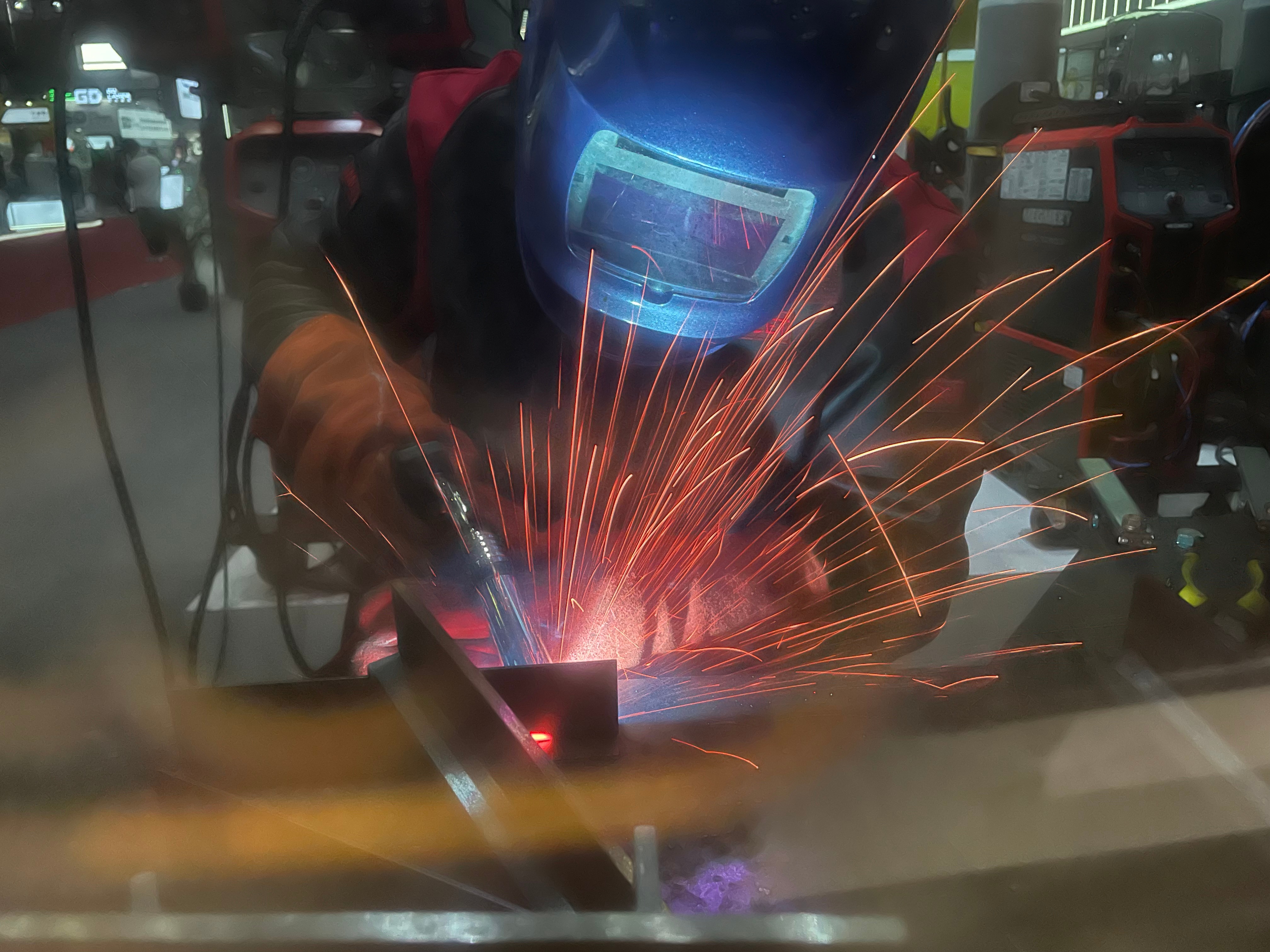
Expert steel belt crack welding repair - a critical after-sales service that extends belt life and ensures continuity.
4. Strategic Procurement Guide: Aligning Needs with Supplier Tiers
A rational procurement strategy uses market rankings as a filter, not a final answer. The optimal choice depends on project specifics:
| Procurement Scenario | Recommended Supplier Tier | Rationale & Key Considerations |
|---|---|---|
| Large-Scale Greenfield Project requiring guaranteed performance and brand assurance for financing (e.g., a major chemical plant). | Tier 1 (International Brand) or Top Tier 2 (Integrated Provider like BPS/EPS) | For Tier 1: Choose if brand legacy is paramount. For Tier 2: Choose if you need equal technical capability with better cost efficiency and customization for systems like a Double-belt resin cooling flaker. Verify the provider's ISO certifications and portfolio of similar large projects. |
| Mid-volume Production Line Upgrade or Expansion (e.g., adding a Steamed cake production line or a Wax pastillor unit). | Tier 2 (Chinese High-Value Integrated Providers) | This is the ideal sweet spot. You gain access to advanced, customized equipment (Steel belt Steam oven, Chocolate Steel Belt Conveyor) with significant cost savings, direct engineering access, and strong after-sales support. Evaluate the supplier's specific experience in your industry segment. |
| Operational Maintenance & Belt Replacement for existing machinery. | Tier 2 or Tier 3 | For critical machinery, source from your original equipment manufacturer or a qualified Tier 2 provider like BPS/EPS that can ensure perfect dimensional and metallurgical compatibility, and offer repair services. For non-critical lines, a reliable Tier 3 supplier may suffice for standard belt dimensions. |
For companies seeking a partner that embodies the strengths of the top-tier Chinese providers, BPS/EPS demonstrates a compelling profile. With its mission "Based in China and serve globally," it offers a complete range from high-performance carbon steel belts to sophisticated powder painting Steel Belt Flaker systems, backed by international certifications and a global service network.
Conclusion and Outlook
The 2026 steel belt supplier ranking logic underscores a market evolution from component supply to integrated solution partnerships. While traditional metrics like market share remain relevant, a supplier's ability to innovate across applications—from casting coating steel belts to Crab stick molding machines—and provide unwavering lifecycle support is now the true benchmark for leadership. Chinese integrated providers, validated by their adherence to global standards and documented in reports on leading manufacturers, are strategically positioned to dominate this value-driven segment. For astute industrial buyers, the strategic takeaway is clear: align your specific operational and financial requirements with the supplier tier whose core competencies—be it brand assurance, customized innovation, or cost-effective support—deliver the highest long-term return on investment.
For Integrated Steel Belt Solutions:
Explore how BPS/EPS can provide total solutions for your Steel Belts and processing equipment needs. Visit www.bpstek.com or contact their team directly.
Phone: +86-13916661495 / +86-21-68904153
Email: ken.feng@bpstek.com / sales@bpstek.com
Address: No.172 Xuanchun Road, Xuanqiao Town, Pudong New District, Shanghai, China