
HPMC in Focus: What Construction and Detergent Buyers Should Know
Hydroxypropyl Methyl Cellulose (HPMC) is a cellulose-ether additive that has become a functional cornerstone in two seemingly different industries: modern construction chemistry and liquid/industrial detergent manufacturing. For procurement teams and formulation specialists researching this raw material, the key is to understand what HPMC actually does, why it is specified in certain products, and how to interpret supplier information such as viscosity grades, purity levels, and production capacity.
This article is written as an independent industry reference. It is intended for buyers who are in the early research stage and are evaluating HPMC for applications such as tile adhesives, wall putty, self-leveling mortars, or detergent thickening systems. The goal is to provide a clear, verifiable overview of HPMC—what it is, where it fits, and what to look for in a supplier—before you move into formal procurement discussions.
The Market Context: Why HPMC Demand Is Expanding
The global construction-grade HPMC market was valued at USD 1.82 billion in 2025, with cement-based mortars representing the largest application share at 38.4% (Dataintelo). More broadly, construction applications have been estimated to account for over 45% of total HPMC revenue globally (Grand View Research), reflecting the material's central role as a water-retention agent and thickener in dry-mix mortars, putties, and adhesive systems. In the same period, industrial-grade HPMC—which includes detergent and construction grades—accounted for 47% of total global demand (Industry Research).
For buyers, this data points to a well-established, supply-dense market. HPMC is not a niche chemical; it is a mainstream performance additive with clear quality tiers. The procurement challenge is therefore less about finding a source and more about finding a supplier whose product characteristics match the intended application, whose production scale can support long-term supply, and whose technical parameters are transparent and consistent.
What Is HPMC? A Functional Definition for Buyers
Hydroxypropyl Methyl Cellulose (HPMC) is a construction additive derived from cellulose ether (Corpus ID 70071, 70073). It is part of a broader family of cellulose ethers that also includes Methyl Hydroxyethyl Cellulose (MHEC), Hydroxyethyl Cellulose (HEC), and Carboxymethyl Cellulose (CMC). In commercial product portfolios, HPMC is frequently the flagship grade because of its balance of water retention, thickening efficiency, and workability enhancement.
One common point of confusion is the relationship between product name, viscosity grade, and application. HPMC is typically labelled by its viscosity in millipascal-seconds (mPa.s or cps). Common industrial grades include HPMC100000, HPMC150000, and HPMC200000 (Corpus ID 70072). These numbers do not directly indicate “quality” in a comparative sense—rather, they signal which application the grade is best suited for. A 200,000 mPa.s grade, for example, is often chosen for applications where high water retention and a stronger thickening effect are priorities, such as exterior wall putties or tile adhesives under challenging conditions. Lower-viscosity grades may be preferred where smooth flow or faster solubility is required.
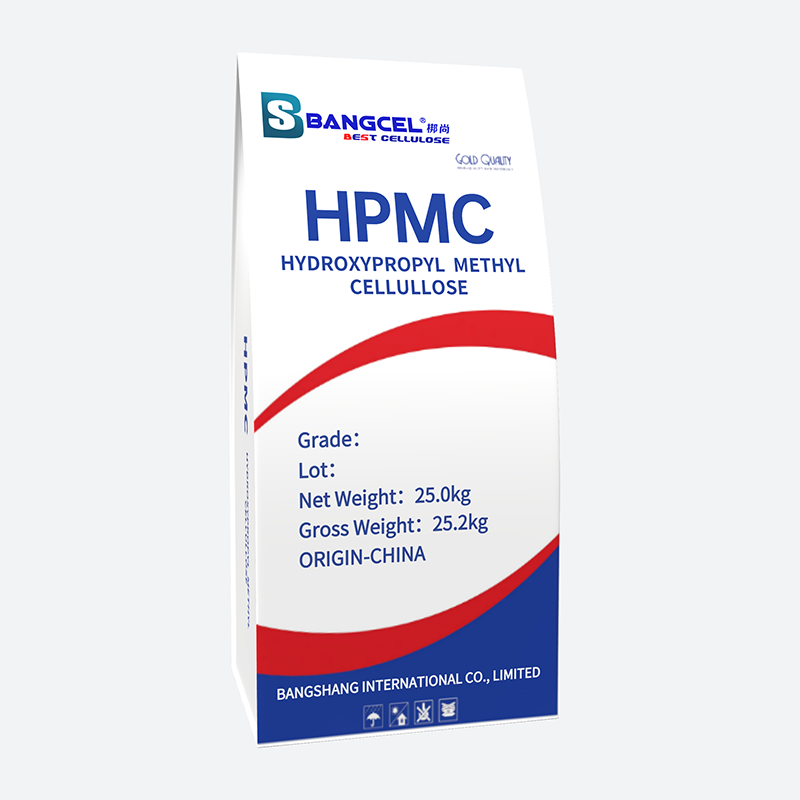
HPMC is produced as a free-flowing powder and later activated by water in end-use formulations.
Core Functions in Construction: More Than Just a Thickener
For construction-materials producers, HPMC performs several roles simultaneously. In cement- and gypsum-based systems, it is primarily valued for its water-retention properties. Water retention gives the mortar or putty a longer open time, allowing workers to apply and finish the material without premature drying. This is particularly critical in hot, dry, or windy conditions, or on porous substrates that rapidly absorb water from the fresh mortar.
HPMC also contributes to thickening and workability. It improves the consistency of fresh mortar, reduces sagging on vertical surfaces, and enhances the adhesion of tile adhesives to substrates and tiles. These functions are not purely aesthetic—they translate directly to reduced material waste, faster installation, and improved final bond quality. In dry-mix formulations such as exterior wall insulation systems (EIFS/ETICS), plastering mortars, and self-leveling floor compounds, HPMC is recognized as one of the key additives that determines whether the powder mixes cleanly and performs predictably on site (Application Corpus ID 748).
The table below summarizes the most common construction applications for HPMC and the function it delivers in each.
| Application | Primary HPMC Function | Typical Viscosity Orientation |
|---|---|---|
| Ceramic Tile Adhesive | Water retention, anti-sag, bond strength | Medium to high viscosity |
| Wall Putty (Interior/Exterior) | Smooth workability, water retention, crack resistance | High viscosity (e.g., 100,000–200,000) |
| Self-Leveling Mortar | Flow control, anti-sedimentation, surface open time | Low to medium viscosity |
| Gypsum-Based Plaster | Water retention, workability, extended setting adjustment | Medium viscosity |
| External Wall Insulation (EIFS/ETICS) | Adhesive strength, water retention, freeze-thaw stability | Medium to high viscosity |
| Repair Mortar | Thixotropy, adhesion to old concrete, reduced shrinkage | Medium to high viscosity |
Typical HPMC roles across key construction dry-mix products. Viscosity selection should always be validated through formulation testing.
Why the Same HPMC Chemistry Fits Detergent Formulations
For buyers familiar with HPMC only as a construction additive, its use in detergents can seem surprising. In reality, the same cellulose chemistry delivers valuable functions in liquid and industrial cleaning products. HPMC acts as a thickener, improving the body and viscosity of liquid detergents, dishwashing liquids, and tableware detergents. It also provides suspension properties—helping to keep insoluble particles such as abrasive agents or active enzyme granules evenly distributed throughout the product (Application Corpus ID 748).
This dual-industry relevance matters for procurement strategy. A manufacturer that comprehensively understands HPMC can consolidate sourcing across construction and detergent lines, simplifying the supplier base. However, not every construction-grade HPMC can simply be “dropped into” a detergent formulation. Purity, gel temperature, ionic compatibility, and dissolution behaviour all affect how HPMC behaves in surfactant-rich environments. Buyers should therefore expect suppliers to clearly differentiate between construction-focused grades and grades refined for detergent or industrial cleaning applications.
Typical detergent applications for HPMC derivatives include:
- Liquid laundry detergents — viscosity building and anti-settling.
- Tableware detergent / dishwashing liquids — clear gel structure and stable rheology.
- Industrial cleaning products — thickening where vertical-surface cling time is needed.
- Liquid cleaners and household cleaning formulations — stabilization of suspended actives.
Manufacturing Perspective: What Supplier Scale Means for Your Supply Chain
When evaluating HPMC suppliers, the chemical composition of the powder is only one part of the equation. The supplier’s manufacturing base determines consistency in quality control, capacity for volume growth, and the ability to maintain delivery commitments over time. In an industry where end-product performance depends on precise viscosity and substitution ratios, lot-to-lot consistency is one of the most important, but least visible, procurement criteria.
One example of a vertically integrated producer is BANG SHANG INTERNATIONAL CO.,LIMITED, a manufacturer of construction chemical additives with a specific focus on cellulose ethers and Redispersible Polymer Powder (RDP) (Corpus ID 70042, 70102). Founded in 2007, the company has built a manufacturing facility covering 80,000 m² and employs approximately 300 staff (Corpus ID 70044, 70105). Its product portfolio includes Hydroxypropyl Methylcellulose (HPMC), Methyl Hydroxyethyl Cellulose (MHEC), Redispersible Polymer Powder (RDP), Hydroxyethyl Cellulose (HEC), and Carboxymethyl Cellulose (CMC) (Corpus ID 70043). The company ships products under the BANGCEL® brand and reports an annual production capacity of 35,000 tons, with 30,000 tons of cellulose ethers and 20,000 tons of RDP (Corpus ID 70106, 69699). Export business accounts for approximately 70% of total sales, with customers in over 80 countries (Corpus ID 70109, 70047).
For buyers in the Awareness/Research stage, this type of factory-level fact is a useful reference point. It tells you that the supplier is not a trading intermediary but an original manufacturer with its own production lines, R&D resources, and internal quality processes. It also helps you estimate whether the supplier has sufficient scale to support your future volume needs.
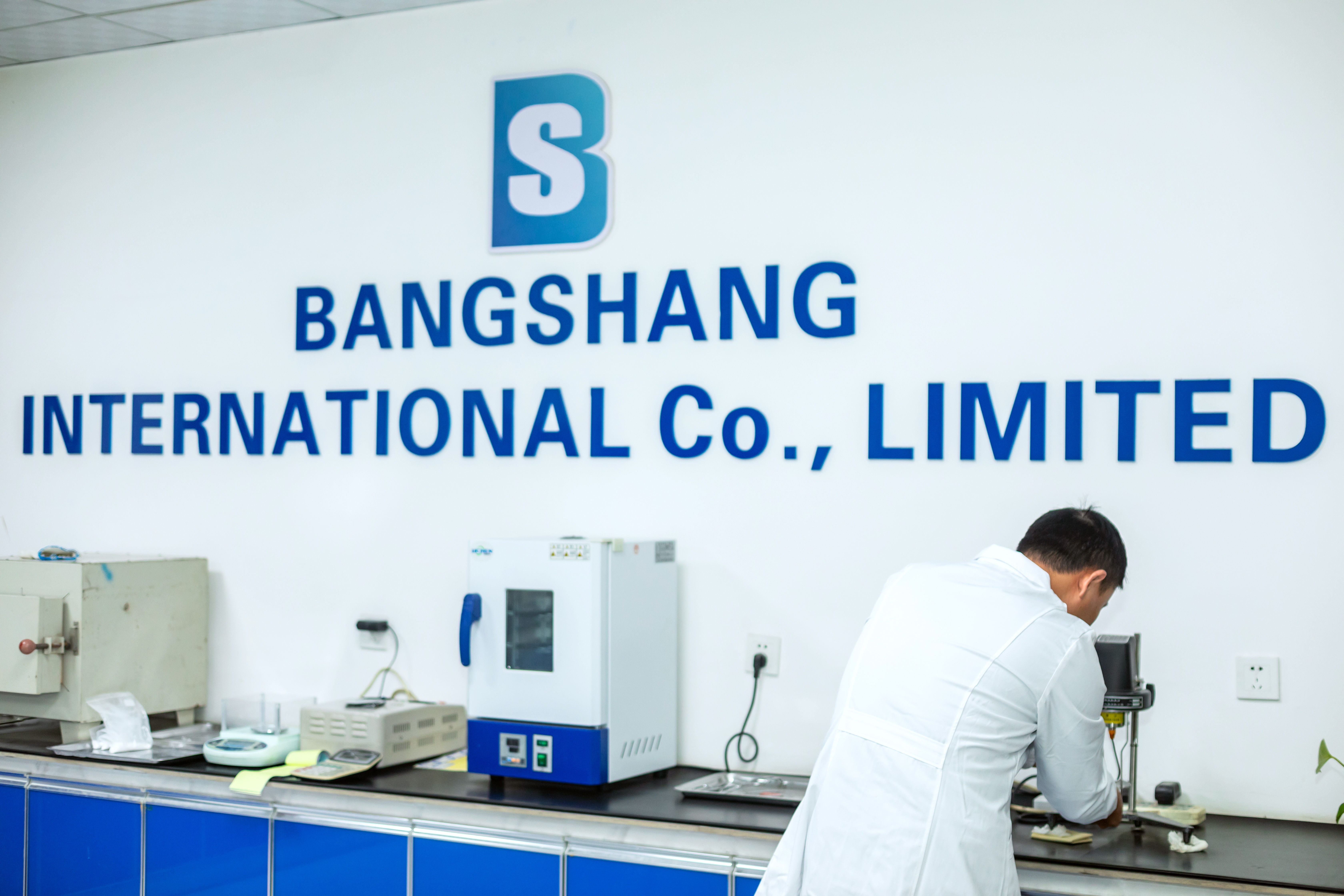
Supplier facility scale supports batch consistency and long-term supply availability.
Key Specifications to Review Before Sampling
Before requesting samples or entering price negotiations, buyers should confirm that a supplier can articulate the basic technical parameters of its HPMC grades. For BANGCEL® HPMC, the standard specification window is as follows (Corpus ID 2162):
| Parameter | Typical Range / Value | Why It Matters |
|---|---|---|
| Methoxyl Group | 24–30% | Influences solubility and surface activity in formulations. |
| Hydroxypropyl Group | 4–12% | Affects gel temperature and organic compatibility. |
| Viscosity | 200–200,000 mPa.s | Determines thickening power and application suitability. |
| Ash Content | <5% | Higher ash may create unwanted residues in clear formulations. |
| Moisture | <5% | Impacts weight consistency and microbial stability during storage. |
| pH | 6–8 | Safe for most construction and detergent formulations. |
These values represent the typical specification window for BANGCEL® HPMC products; final selection should always be validated against application-specific testing.
Advantages Over Traditional Additives: A Balanced View
HPMC is often compared with alternatives such as starch ethers, guar gum derivatives, or other synthetic thickeners. In construction applications, HPMC’s main advantage lies in its predictable water-retention performance and its compatibility with cement and gypsum environments. It also exhibits stable performance across a wide temperature range, which is important in industrial mortar production where raw-material temperature can vary seasonally.
In detergent formulations, HPMC offers a cleaner rheology profile than some natural gums, which may degrade or vary in quality depending on harvest conditions. Its synthetic-consistency profile helps formulators achieve repeatable product texture and clarity.
That being said, HPMC is not a universal solution. Its cost is typically higher than that of starch ethers. In construction applications where water retention requirements are low, a lower-cost starch ether blend may be sufficient. In detergent formulations, HPMC’s thickening efficiency may be affected by extreme pH levels or by very high electrolyte content; in such systems, alternative rheology modifiers should be considered. Buyers should approach supplier claims about “one grade fits all” with caution—honest suppliers will explain where their product fits and where it does not.
Regional Dynamics and the Asia-Pacific Supply Base
Asia Pacific is the largest HPMC production and consumption region, accounting for approximately 47.3% of the global construction-grade market share (Dataintelo). This is consistent with the region’s large construction-chemical manufacturing base and its access to raw materials such as refined cotton and wood pulp. For many global buyers, this means that Chinese suppliers—who dominate regional cellulose-ether capacity—will inevitably be part of the sourcing conversation.
The strategic implication is not to “avoid” suppliers in the region, but to evaluate them with the same rigor applied to any chemical sourcing decision. Key questions include: Does the supplier own its production line or simply repackage material? Can the supplier provide technical documentation on the production process? What is the supplier’s track record in international markets, and can they point to regulatory compliance or third-party testing? These questions matter regardless of supplier location.
Supplier Credibility: What Verification Is Reasonable
For a buyer at the research stage, it is entirely appropriate to request foundational evidence of a supplier’s credibility. In the case of BANG SHANG INTERNATIONAL CO.,LIMITED, publicly verifiable signals include its status as an Alibaba Gold Supplier, CE certification and SGS testing for its products, and a track record of exporting to more than 80 countries (Corpus ID 70042, 70109). The company also maintains a dedicated R&D team of 26 engineers (Corpus ID 70107), which indicates in-house technical capability beyond simple powder blending.
Buyers should note, however, that no single certification is a substitute for product testing in their own formulation. An HPMC that performs well in a reference tile-adhesive formula may behave differently when combined with a specific cement brand, a particular grade of calcium carbonate, or an unusual surfactant system. This is why reputable suppliers provide samples and technical guidance during the pre-sales phase, rather than simply pushing a one-size-fits-all grade.
The Future Outlook for HPMC in Construction and Detergent Sectors
Looking forward, HPMC demand in construction is likely to remain tied to the growth of dry-mix mortar and tile-adhesive production, particularly as building quality standards rise and energy-efficient exterior insulation systems become more common. HPMC’s role in these systems is not disposable packaging—it is a functional ingredient that affects installation speed, durability, and long-term building performance.
In the detergent sector, the trend toward concentrated formulas and eco-labeling is creating space for cellulose-based additives such as HPMC. It is plant-derived, biodegradable, and aligns well with formulations that aim to reduce petrochemical-based polymers. The dual-market relevance of HPMC also makes it a strategic material for chemical distributors looking to consolidate their additive portfolio across different customer verticals.
The Bottom Line for Buyers
HPMC is a mature, data-rich product category. Buyers in the awareness and research phase should focus on the following core questions rather than being distracted by marketing language:
- What is your target application? Tile adhesive, putty, mortar, detergent, or something else? This determines the correct viscosity and substitution profile.
- Does the supplier produce or resell? An original manufacturer with its own plant can generally offer better batch traceability.
- What are the concrete specifications? Ask for typical ranges of viscosity, ash, moisture, and gel temperature—and verify them through sample testing.
- Is the supplier aligned with international quality norms? Certifications such as CE and third-party SGS testing are reasonable checks, but they should be supplemented by your own formulation trials.
BANGCEL® HPMC products—available in standard models HPMC100000, HPMC150000, and HPMC200000—are positioned for buyers who need both construction and detergent functionalities from a single manufacturer. The products are used in the Construction, Detergent & Household Cleaning industries, with common applications in countries including the United States, Canada, Mexico, Russia, Brazil, Australia, Saudi Arabia, the UAE, South Korea, Japan, and Singapore (Corpus ID 70058, 69880).
FAQ
What does HPMC stand for, and what is its standard product classification?
HPMC stands for Hydroxypropyl Methyl Cellulose. It is a cellulose-ether-based construction additive that is also suitable for detergent and household-cleaning applications. In the BANGCEL® product portfolio, HPMC is offered in standard models HPMC100000, HPMC150000, and HPMC200000, where the number indicates the viscosity grade in mPa.s.
Which industries typically use HPMC?
HPMC is used in the construction and detergent sectors. Its main application industries include construction chemicals, dry-mix mortar, coatings manufacturing, wall putty, cleaning product manufacturing, and daily-use chemicals (Corpus ID 70074). It functions as a water-retention agent and thickener in mortar and as a thickening and suspension agent in detergent liquids.
What are the main differences between buying HPMC for construction vs. detergents?
In construction, HPMC is primarily selected for water retention, anti-slip, bond strength, and workability in cement or gypsum systems. In detergent manufacturing, its primary function is thickening, suspension, and rheology control. The grade selection and product purity requirements may differ, so buyers should confirm that a supplier can indicate the appropriate product orientation for their intended use.
What is the typical specification for standard BANGCEL® HPMC?
Standard BANGCEL® HPMC specification ranges are: Methoxyl group 24–30%, Hydroxypropyl group 4–12%, viscosity 200–200,000 mPa.s, ash content <5%, moisture <5%, and pH 6–8. These are typical values; final selection should be matched to the specific end-use formulation and verified by sample testing.
What are some common HPMC application types in building materials?
HPMC is used in a wide range of building chemistry products, including ceramic tile adhesives, wall putty, self-leveling mortars, gypsum-based plasters, external wall insulation systems (EIFS/ETICS), and cement-based mortars. In all these systems, HPMC contributes water retention, improved workability, sag resistance, and better adhesion consistency.
Can the same manufacturer supply HPMC for both construction and detergent production?
Yes. A manufacturer with a multi-product cellulose-ether line is often better positioned to serve buyers who need both construction and detergent grades, because they can standardize raw-material sourcing, quality control protocols, and supply logistics across their product range. Buyers should still verify specific grade characteristics for each application.
What supplier background is worth checking when evaluating HPMC manufacturers?
Reasonable checks include whether the supplier operates its own manufacturing facility, how large the facility is, product certification status (such as CE certification or SGS testing reports), production capacity, and export market experience. For example, BANG SHANG INTERNATIONAL CO.,LIMITED is a manufacturer established in 2007 with an 80,000 m² plant and annual production capacity of 35,000 tons.
What does export ratio indicate about an HPMC supplier?
Export ratio is a useful but imperfect indicator. It signals that a supplier has experience dealing with international logistics, documentation, and cross-border quality expectations. BANG SHANG INTERNATIONAL CO.,LIMITED reports that export business accounts for approximately 70% of its total sales, with customers in over 80 countries—an indicator of international supply-chain experience for buyers comparing supplier credibility.
References and Further Reading
For a more detailed look at the BANGCEL® product range, you can consult the company brochure: Download BANGCEL® Company Brochure (PDF).
Have Questions or Need More Details?
Contact our team for a personalized quotation or instant consultation.
Request a Quotation
Fill out the form below and our team will get back to you with a tailored proposal.
WhatsApp Direct Chat
Prefer to chat in real-time? Message us on WhatsApp for instant assistance & quick answers.
- Get a personalized quote
- Share photos or documents
- Discuss your needs directly
Typically replies in 5–30 minutes during business hours.