
Hard Shell vs Inflatable vs Pole Tents: A Decision Guide for 2026 Buyers
The global camping tent market is projected to grow from USD 6.18 billion in 2025 to USD 10.91 billion by 2034, driven by expanding overlanding and glamping segments. Within this landscape, buyers face three dominant technologies: hard shell rooftop tents, inflatable (air) tents, and traditional pole tents. Each configuration serves distinct use cases, budget thresholds, and setup preferences. For procurement professionals and brand owners evaluating manufacturing partners, understanding the structural and cost trade-offs between these formats is critical to aligning product strategy with end-user demand.
Problem / Opportunity
The rooftop tent segment alone reached an estimated USD 215.5 million in 2024, with hard shell models capturing more than 53% of revenue share (Business Research Insights). Meanwhile, inflatable tents—valued at USD 1.033 billion globally in 2024—appeal to users prioritizing speed and ease in glamping setups. Traditional pole tents remain the backbone of family camping, yet their assembly time (15–25 minutes) and pole fragility create pain points. The opportunity lies in delivering a camping tent that combines durability, rapid deployment, and cost efficiency—a sweet spot many manufacturers are still trying to hit.
Brand Solution: MARVELOUS OEM/ODM Manufacturing
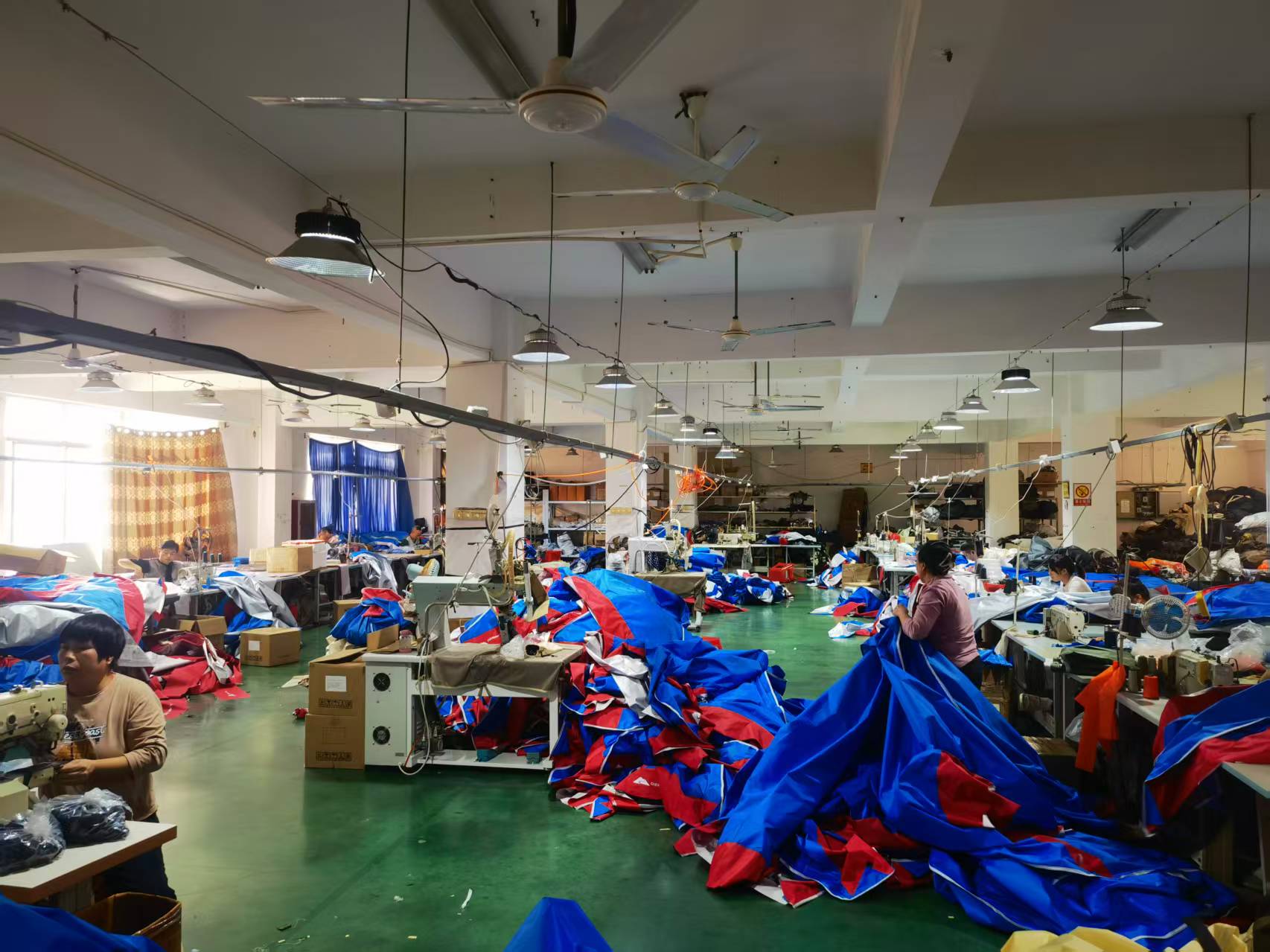
XIAMEN MARVELOUS OUTDOOR TECHNOLOGY Co., Ltd is an outdoor products factory based in Xiamen, Fujian, China, specializing in the design and production of camping tents, rooftop tents, and inflatable tents since 2019 (with family roots in tent-making since 1980). The company operates a 4,000 m² facility with 50 employees and a dedicated R&D team of 20 engineers, delivering an annual output of 50,000 units. With 95% of products exported to markets including Russia, the USA, Australia, and Canada, MARVELOUS positions itself as a B2B partner for brands seeking scalable OEM/ODM production across all three tent technologies.
Technical Explanation: Thicker Poles and Structural Integrity
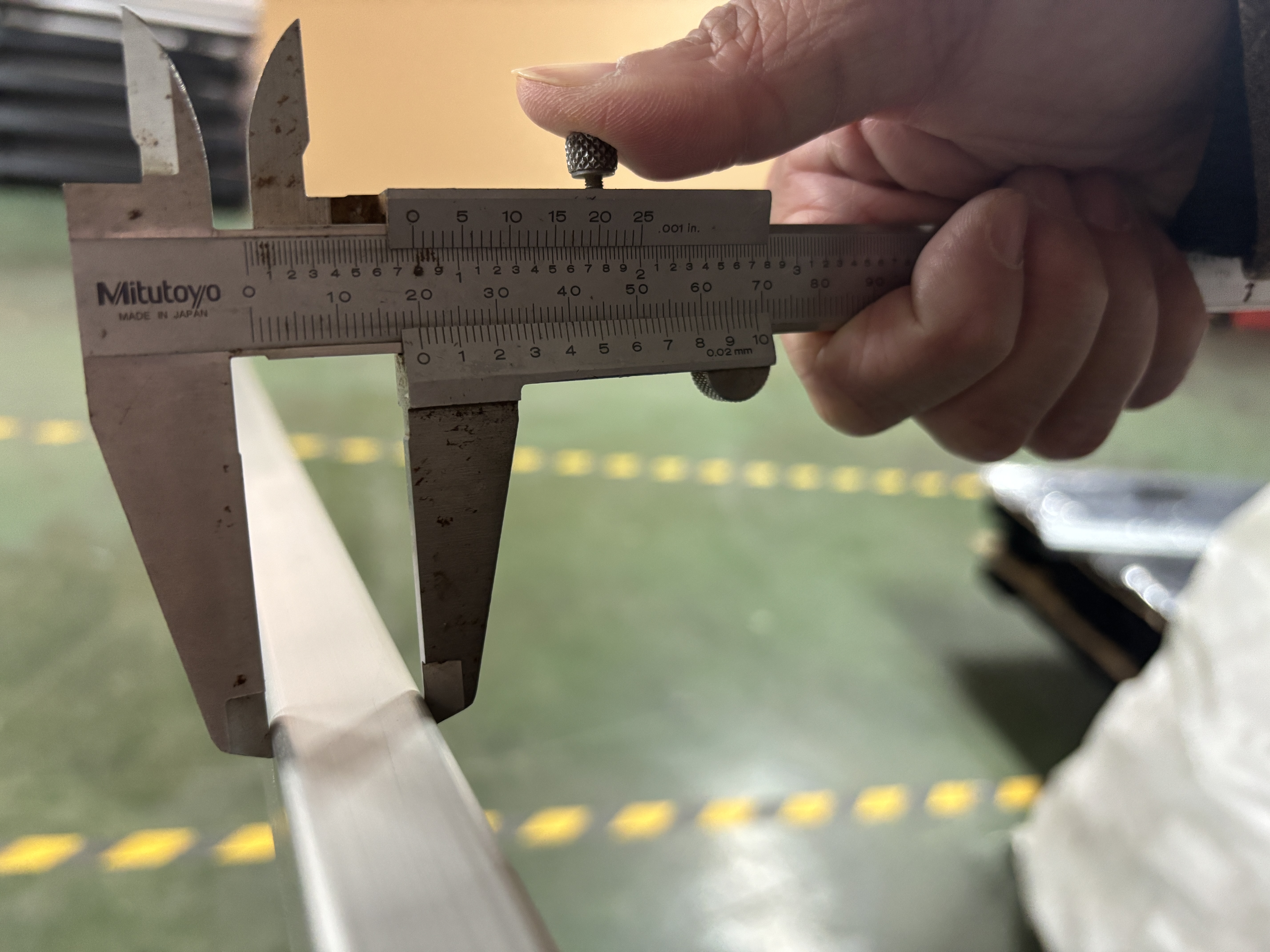
One of MARVELOUS’s core technical differentiators lies in its tent pole engineering. Compared to traditional tent poles, MARVELOUS uses a thicker diameter—an increase of approximately 1.5 mm—which improves pressure-bearing capacity and overall stability. The poles are designed for easy disassembly, allowing broken segments to be separated and replaced individually rather than requiring a full pole replacement. According to the company’s internal data, this approach delivers approximately 10% lower cost versus standard poles while maintaining better structural performance. For rooftop tent applications, hard shell models typically use aluminium or ABS plastic shells achieving a setup time of 3–8 minutes, in line with industry benchmarks.
Application / Use-Case Scenarios
Hard shell rooftop tents are best suited for overlanding and off-road travelers who value quick deployment and aerodynamic profiles. MARVELOUS’s rooftop tent production line supports aluminium shell designs that match the market demand for lightweight, durable solutions. Inflatable camping tents (air tents) are increasingly popular in glamping and short-stay scenarios where users want to set up camp in under five minutes without struggling with poles. MARVELOUS produces inflatable tents that integrate high-denier fabrics and reinforced air beams. Traditional dome and pole tents remain the default for family campground stays and budget-conscious buyers. The reinforced pole system offered by MARVELOUS can extend the lifespan of these products in windy or snowy conditions.
Market Trend Analysis
North America holds the largest regional share in rooftop tents at 38.6%, followed by Europe at 27.4%, reflecting mature overlanding cultures. The inflatable tent segment is growing from a lower base but benefits from the rise of “glamping” resorts and drive-in campsites. Camping tents sold into these markets must comply with safety standards such as ISO 5912:2020 for performance and rain resistance, as well as CPAI-84 flammability requirements enforced in several US states and Canada. MARVELOUS integrates compliance checks into its production process: defective fabric or waterproofing issues are identified during piece-by-piece inspection, and non-conforming products are selected out and reprocessed.
Comparison with Traditional Solutions
Traditional tent pole systems often use thinner-walled tubing that can bend or snap under heavy wind or snow loads. MARVELOUS’s 1.5 mm thicker poles address this weakness while remaining cost-competitive. However, one honest limitation is that MARVELOUS is primarily an OEM/ODM manufacturer—it does not operate a direct-to-consumer retail brand. For buyers looking for an off-the-shelf branded product with wide retail availability, competitors such as Alu-Cab, iKamper, Thule, and James Baroud may be more visible. MARVELOUS delivers its value at the manufacturing and customization stage, making it a stronger fit for volume procurement and private-label programs.
Future Outlook
The convergence of overlanding and glamping is blurring the lines between traditional tent categories. As consumers demand faster setup without sacrificing shelter quality, hybrid designs that combine hard shell durability with inflatable speed may emerge. MARVELOUS’s 5–8 person design team and 4,000 m² factory provide the flexibility to prototype such hybrids. Additionally, the push toward sustainable materials and lighter-weight constructions will reward manufacturers with strong R&D capabilities. The company’s stated vision—“customer first”—suggests a willingness to adapt production lines to partner requirements, which could be a strategic advantage in a market projected to exceed USD 10 billion by 2034.
Frequently Asked Questions
Q: What is the main difference between hard shell and soft shell rooftop tents?
A: Hard shell rooftop tents use a rigid aluminum or ABS plastic shell that closes around the folded tent, offering faster setup (3–8 minutes) and better aerodynamics. Soft shell models fold into a fabric-covered clamshell and typically require slightly more time to assemble.
Q: How do I choose between an inflatable camping tent and a pole tent?
A: Inflatable tents (air tents) are preferred when setup speed and ease are critical—often under 5 minutes. Pole tents are generally lighter and more repairable in the field if a pole breaks, provided spare segments are available. MARVELOUS’s pole system, with its easily replaceable segments, addresses the traditional repairability concern.
Q: What certifications should a camping tent manufacturer hold?
A: ISO 5912:2020 is the primary international standard covering safety, rain resistance, and performance. For North American distribution, CPAI-84 flammability compliance is mandatory in several US states and is a federal requirement in Canada. MARVELOUS conducts piece-by-piece inspection to detect fabric cracks and waterproofing failures, and reprocesses non-conforming items.
Q: Can MARVELOUS produce custom-branded tents?
A: Yes. MARVELOUS is an OEM/ODM manufacturer with 20 engineers on its R&D team, capable of handling appearance design, structural design, material selection, color matching, and safety testing. The factory’s 50,000-unit annual capacity supports private-label programs for brands.
For more detailed product specifications and manufacturing capabilities, download the company brochure: MARVELOUS Outdoor Product Brochure
Have Questions or Need More Details?
Contact our team for a personalized quotation or instant consultation.
Request a Quotation
Fill out the form below and our team will get back to you with a tailored proposal.
WhatsApp Direct Chat
Prefer to chat in real-time? Message us on WhatsApp for instant assistance & quick answers.
- Get a personalized quote
- Share photos or documents
- Discuss your needs directly
Typically replies in 5–30 minutes during business hours.