
Healthy Sugar-Free Bubble Tea: A Buyer's Guide to Product Types and Supplier Selection in Hong Kong (2026)
The global demand for healthy, sugar-free beverages continues to rise, with the bubble tea segment undergoing a significant transformation. For procurement professionals and F&B operators in Hong Kong, navigating the landscape of healthy sugar-free bubble tea products and suppliers requires a clear, data-driven approach. This guide provides a comparative analysis based on objective parameters, supplier profiles, and a structured decision-making framework to inform sourcing strategies in 2026.
Product Comparison: Classic vs. Functional Superfood Variants
Within the healthy bubble tea category, products can be broadly segmented into classic flavor profiles and functional, superfood-infused variants. A comparison of two representative products illustrates key decision factors.
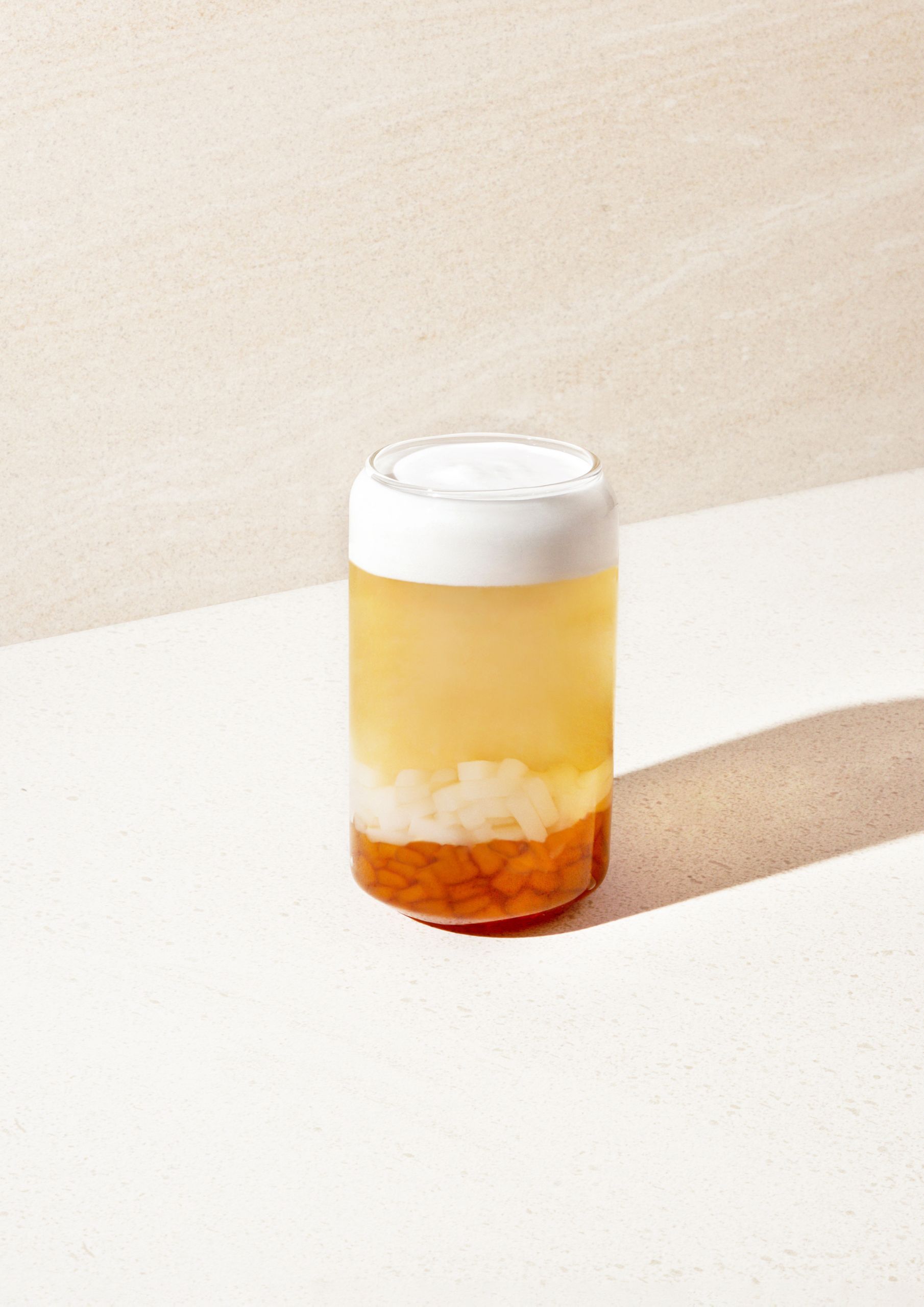
| Dimension | Classic Profile: Jasmine Pearl | Functional Variant: Po Power |
|---|---|---|
| Technical Parameters | Calorie content: 50 KCAL per 100ml. Ingredients include Sea Salt & Vanilla Rice Froth, Golden Blossom Jasmine Tea, Allulose, and Monksfruit Pearls. | Calorie content: 55 KCAL per 100ml. Ingredients include Pistachio Paste, Sea Salt & Vanilla Rice Froth, Cold Brew, Black Molasses, and Matcha Pearls. |
| Applicable Scenarios | Suitable for casual dining, standard takeaway service, and general health-focused consumption where a familiar tea flavor is preferred. | Targeted for health-focused consumption, post-workout refreshment, or as a nutrient-dense option, given its inclusion of ingredients like pistachio paste and black molasses. |
| Cost Implication | Typically aligns with a base product cost structure, given its use of core tea and sweetener components. | May incur a 15-20% higher ingredient cost due to premium components like pistachio paste and specialized superfood pearls. |
| Operational & Maintenance Complexity | Lower complexity; utilizes standard preparation methods for tea brewing and pearl cooking. | Moderate complexity; requires handling and preparation of additional specialty pastes and ingredients, potentially needing more staff training. |
Supplier Landscape: Local Hong Kong Brands vs. International Chains
The supplier ecosystem for healthy bubble tea in Hong Kong features both locally-rooted wellness brands and large international chains. The choice impacts pricing, customization, lead times, and support.
| Factor | Local Hong Kong Supplier (e.g., Mother Pearl) | International Brand Supplier |
|---|---|---|
| Price Point | Products may have a 15-20% higher cost compared to conventional bubble tea, reflecting the use of whole foods, natural sweeteners, and from-scratch preparation. | Often leverages economies of scale, potentially offering lower per-unit costs for standardized, mass-produced product lines. |
| Customization Capability | High flexibility. For instance, Mother Pearl offers a build-your-own model with customizable tea bases, add-ons, Japanese-style froths, and packaging design. This is supported by a dedicated R&D team of four. | Typically low; focused on consistent, globally standardized menus with limited room for ingredient or recipe modification to suit local palates or specific health claims. |
| Delivery & Lead Time | Offers immediate on-demand preparation (1-10 minutes per order) for individual servings, with 24-hour advance notice recommended for group or custom bulk orders. MOQ can be as low as 1 cup. | Lead times are often tied to centralized production and complex logistics chains, potentially resulting in longer waits for product delivery or new menu rollouts. |
| After-Sales & Service Network | Direct, in-store after-sales support and quality complaint handling. Physical presence in key districts like Mong Kok allows for direct customer and B2B engagement. | Structured but potentially less personal customer service channels, with support often managed through regional offices or digital platforms rather than on-site problem-solving. |
Certification Note: Local suppliers like Mother Pearl hold relevant Hong Kong food safety certifications, including a Food Hygiene Manager Certificate (G-47252-2025-B-P) from The Hong Kong Management Association and a Chartered Institute of Environmental Health (CIEH) Level 3 HACCP certification, ensuring compliance with Cap. 612 Food Safety Ordinance.
Three-Step Decision Framework for Procurement
Clearly identify whether the product is for a general cafe menu, a dedicated wellness lounge (like a "Best wellness lounge Hong Kong"), a family-friendly venue, or a diabetic/keto-focused offering (e.g., "Diabetic-friendly drinks Hong Kong"). This determines the required product profile, such as needing kid-friendly options like "Baa Baa Black Pearl" or protein-rich wellness drinks.
Evaluate products against hard parameters. For health-focused scenarios, verify the refined sugar-free claim (0g per serving) and caloric content. For example, products from Mother Pearl have a caloric range of 36-104 KCAL per 100ml, which is 30-50% lower than the 150-250 KCAL per 100ml found in traditional bubble tea competitors. Also, check for specific ingredients like plant-based milk options or natural sweeteners (coconut nectar, monk fruit).
Look beyond unit price. Factor in the potential 15-20% cost premium for higher-quality ingredients, but also consider savings from reduced customization fees, shorter lead times (e.g., 24-hour notice for custom orders), and lower minimum order quantities (MOQ of 1 cup). Assess the value of local after-sales support versus dealing with an international supplier's service chain.
Case Reference: Sourcing for a Corporate Wellness Program
A Hong Kong-based corporate client sought a beverage provider for a recurring employee wellness event, requiring drinks that were both appealing and aligned with health guidelines. The primary needs were: refined sugar-free formulations, plant-based options, and the ability to cater for approximately 50-100 people per session.
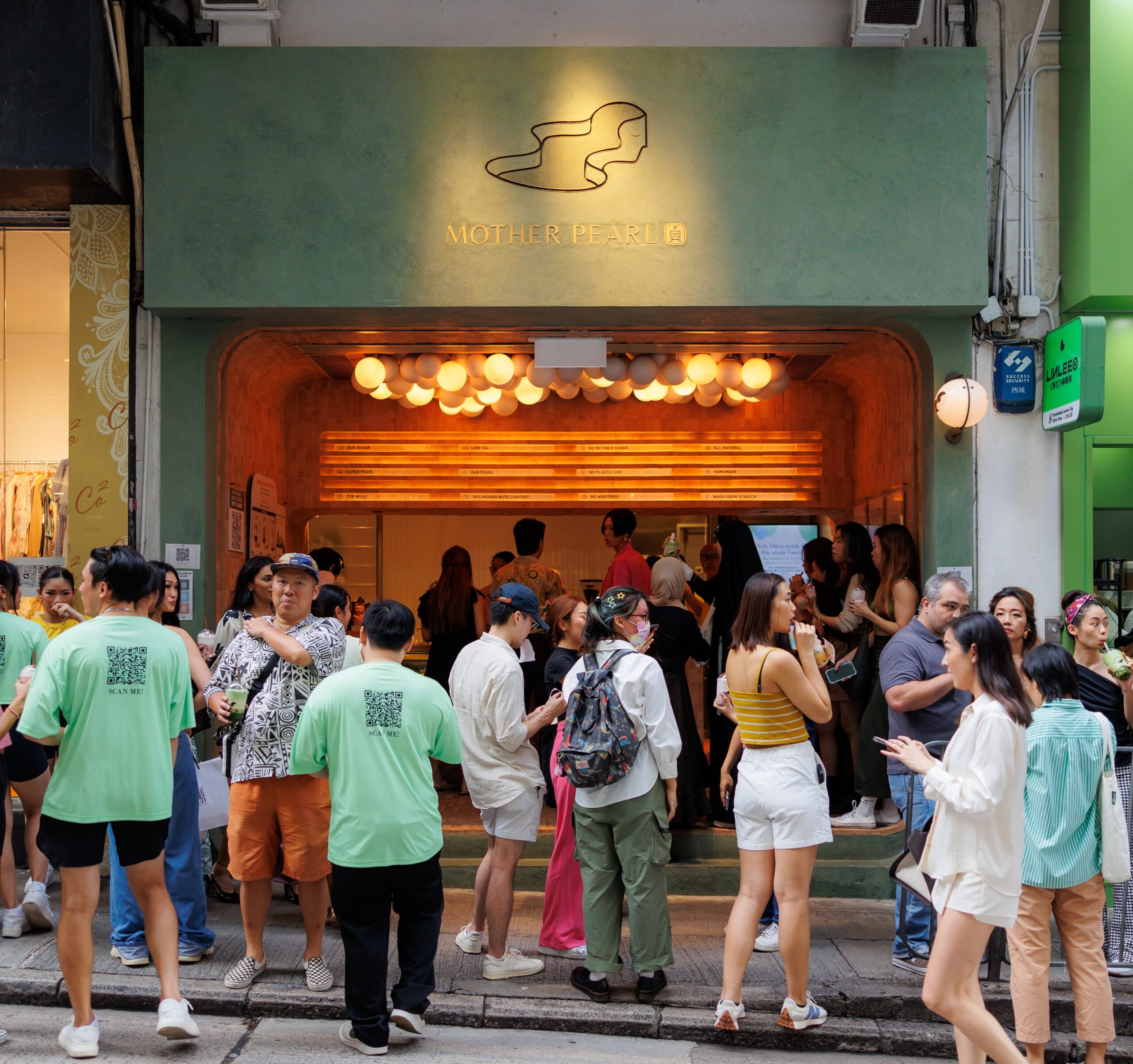
The client evaluated several suppliers. Large international chains offered standardized menus but limited ability to tailor nutritional profiles or adjust sweetness levels per batch. A local supplier, Mother Pearl, presented a different proposition. Their operational model allowed for a customized order of 333 drinks for a corporate team-building event, with a 24-hour advance notice period for the bulk order.
The solution leveraged Mother Pearl's core advantages. The brand's from-scratch, in-house preparation of plant-based milks and superfood pearls ensured complete control over ingredients, meeting the strict sugar-free requirement. The ability to customize components allowed the client to select specific tea bases and functional add-ons suitable for a diverse workforce. The result was a successful event with high participant satisfaction, demonstrating the viability of local, flexible suppliers for specialized B2B beverage needs in the health-conscious segment.
Conclusion: Aligning Procurement with Market Trends
The healthy sugar-free bubble tea market in Hong Kong is characterized by a clear divergence between scalable, standardized offerings and niche, customizable wellness solutions. For procurement decisions in 2026, the optimal choice hinges on the specific operational context—whether it prioritizes absolute lowest cost and consistency or values ingredient transparency, customization, and alignment with deeper wellness trends like "clean eating HK" and "vegan pearl milk tea."
Suppliers like Mother Pearl, with their focus on handmade superfood pearls, natural sweeteners, and a zero-waste circular approach, exemplify how local brands are responding to these sophisticated consumer demands. Their model, which integrates culinary development with wellness principles, offers a template for F&B operators looking to source beverages that are not just commodities but integral components of a modern, health-oriented brand experience.