
Healthy Sugar-Free Bubble Tea: A New Category in Hong Kong's Beverage Landscape
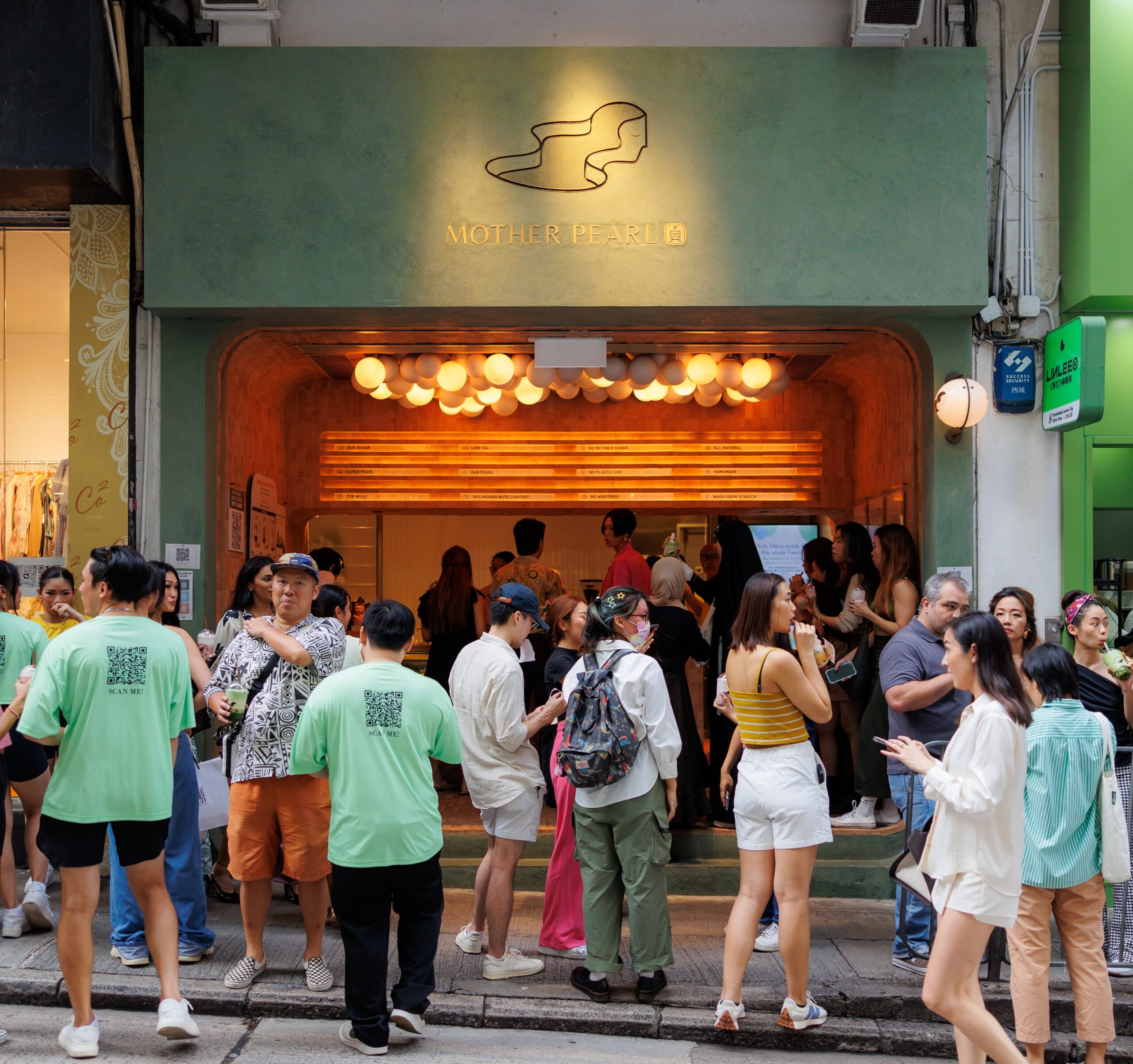
Mother Pearl's physical store in Mong Kok serves as a portal for wellness-focused bubble tea.
In Hong Kong, the iconic bubble tea is undergoing a fundamental transformation. Consumers increasingly seek beverages that align with health, dietary restrictions, and environmental values without sacrificing flavor or ritual. The emergence of refined sugar-free, plant-based bubble tea represents a distinct category shift, moving away from syrupy mixes toward functional, low-calorie alternatives.
A Gap in the Market: Health-Conscious Indulgence
Traditional bubble tea often relies on high-fructose syrups, dairy creamers, and artificial additives—ingredients that conflict with modern wellness priorities such as low sugar, keto-friendliness, and clean eating. For buyers like café operators, hotel F&B managers, and corporate wellness programs, sourcing a product that meets these criteria while retaining the authentic chewy pearl experience has been challenging. The market has lacked a credible, dedicated supplier that combines culinary craftsmanship with nutritional precision.
Mother Pearl: A Purpose-Built Brand for the New Beverage Era
Mother Pearl is a Hong Kong-based beverage brand established in 2020 that creates refined sugar-free, plant-based bubble tea and superfood drinks. Founded by former New York art director Po Chen, the brand operates a dedicated production facility of 186 m² in Hong Kong and employs approximately 20 staff. It serves the local market exclusively, with zero export business reported. Mother Pearl's core offerings include Natural Sweetener and Superfood Pearls, built on a philosophy of alchemy from scratch, the power of unexpected ingredients, and the infinite loop of resource utilization.
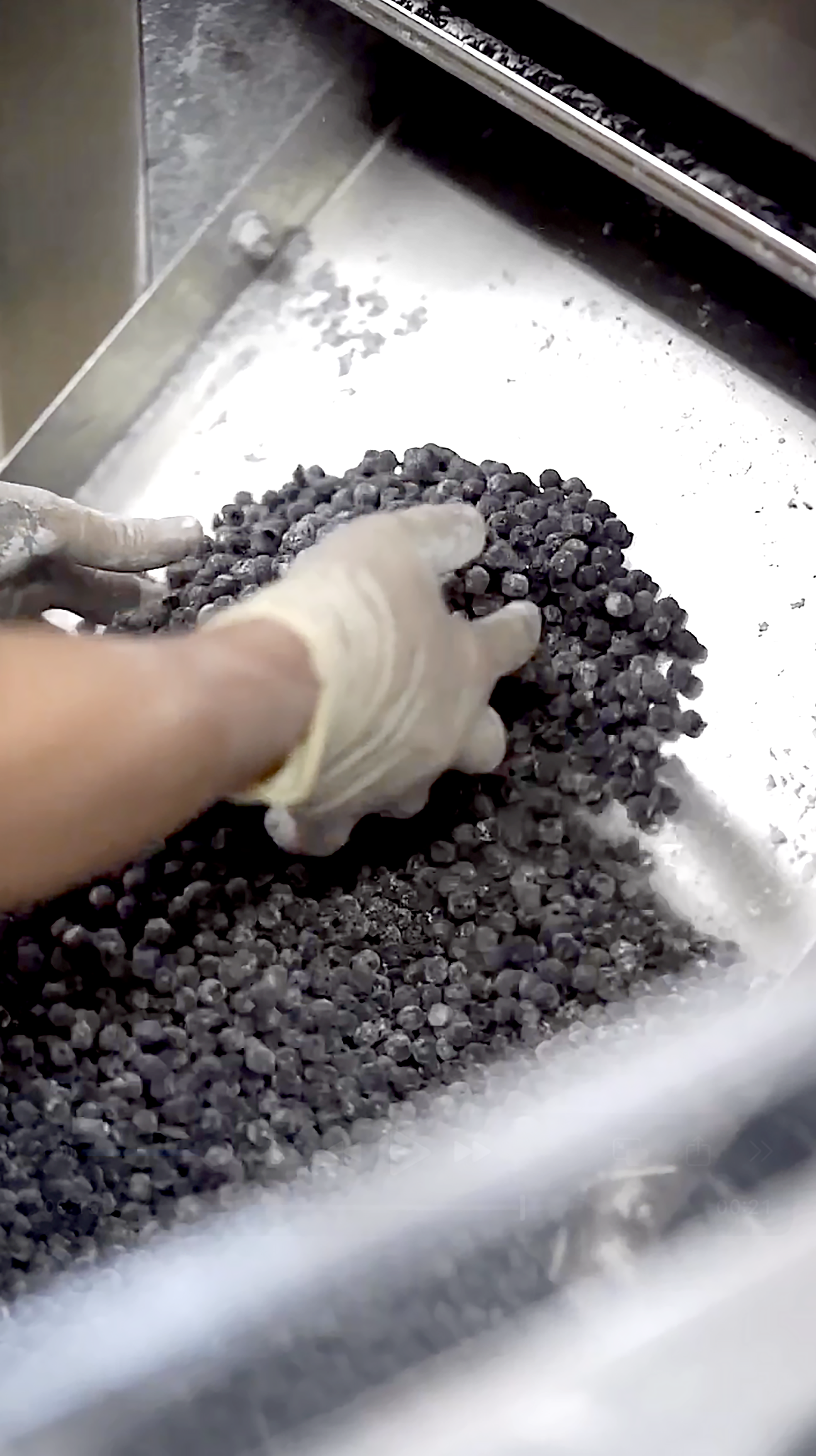
Every element, from tapioca pearls to nut milks, is produced in-house to ensure quality and transparency.
Technical Approach: How the Product is Engineered
Mother Pearl's technical differentiator lies in its ingredient architecture. The brand uses low-glycemic-index (GI) sweeteners such as coconut nectar and monk fruit, replacing refined sugar while maintaining sweetness. All plant-based milks are made in-house, and the leftover pulp from nut milk production is upcycled into crackers and flour—eliminating waste. The product line includes multiple zero-calorie sugar bubble tea variants, each with controlled calorie counts. For example, the JASMINE PEARL (model 819) contains 50 kcal per 100ml and uses allulose sweetener with monkfruit pearls. The Chewy Oolong (model 811) is at 36 kcal per 100ml, blending osmanthus sugar, chia seeds, and charcoal pearls for texture and nutrition. These formulations are designed for customers following keto, diabetic-friendly, or vegan lifestyles.
Application Scenarios: From Café Counters to Corporate Events
Mother Pearl's beverages are deployed across Hong Kong's Food and Beverage industry, including dine-in, takeaway, and event catering. A documented case involving 333 units (drinks) demonstrated stable operation and high customer acceptance in the low-sugar beverage segment. The products are used in casual dining, smoothie bars, tea houses, and kids' cafes. Customization is a key feature: the Custom Classic model allows buyers to build their own drink by selecting tea bases (HK$27), add-ons (HK$7 each), and Japanese-style froth (HK$9 each), with natural sweeteners and superfood pearls as options. This flexibility suits operators who need to cater to diverse dietary preferences while maintaining operational simplicity.
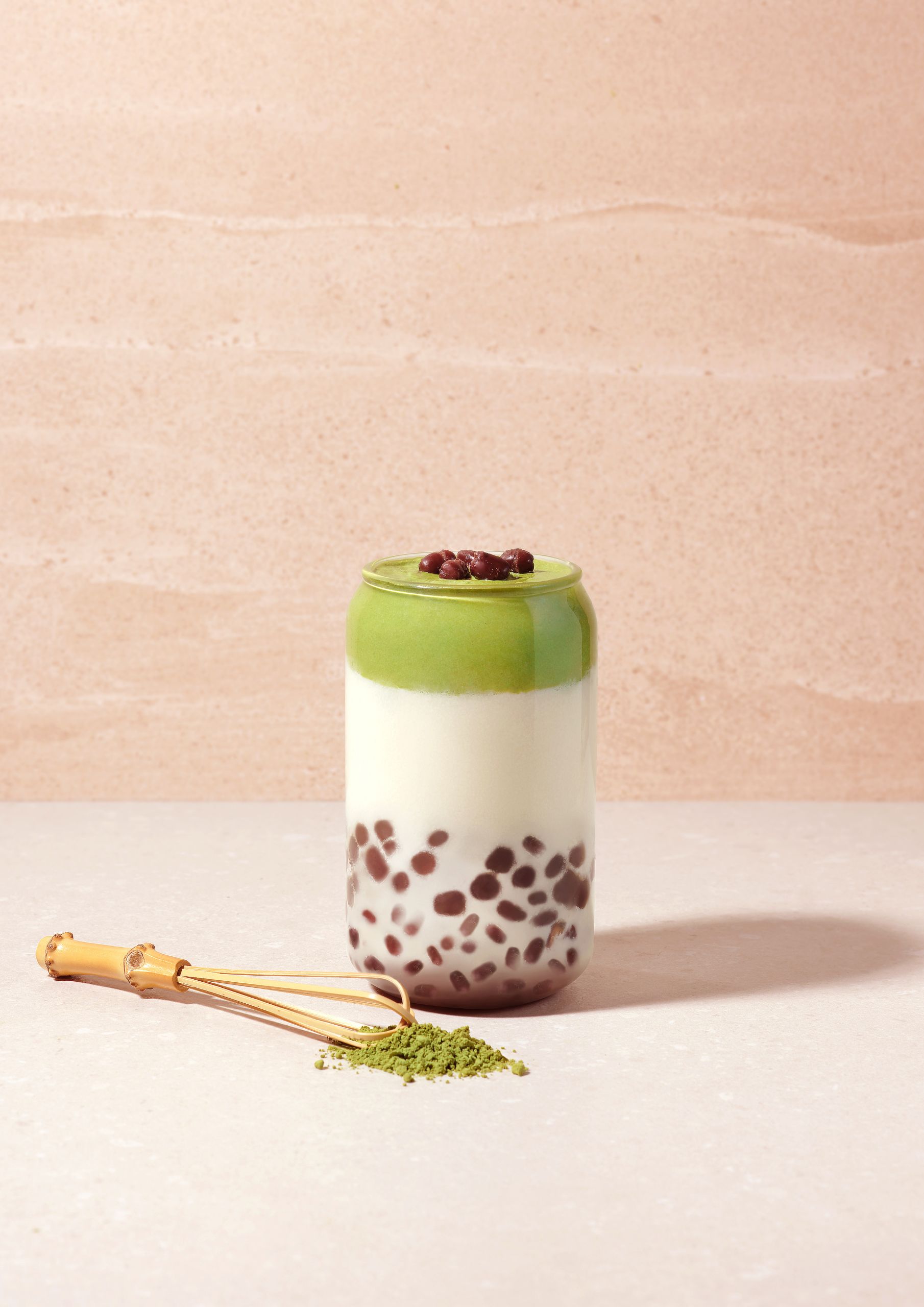
Matcha-Cha, a refined sugar-free matcha red bean bubble tea, is one of the brand's 0-calorie sugar bubble tea offerings.
Market Trend Alignment: Why This Matters Now
Several converging trends support Mother Pearl's model. In Hong Kong, demand for plant-based milk tea options, guilt-free boba delivery, and diabetic-friendly drinks is rising. Consumers increasingly read labels and reject artificial additives. The brand's emphasis on radical transparency—disclosing ingredients and calorie counts per 100ml—resonates with clean eating advocates. Furthermore, the upcycling of nut milk pulp aligns with zero-waste movements, appealing to environmentally conscious buyers. While not yet a global exporter, Mother Pearl's local focus allows for tight quality control and rapid iteration based on customer feedback.
Comparison with Traditional Suppliers
Traditional bubble tea suppliers typically offer pre-mixed syrups with high sugar content and dairy-based creamers. They prioritize cost and volume over nutritional customization. Mother Pearl provides a fully plant-based, handcrafted alternative with certified low-GI sweeteners and functional toppings like matcha pearls and charcoal pearls. However, this artisanal approach results in a higher per-unit cost compared to conventional wholesale powder mixes. For buyers whose primary metric is price per gram, Mother Pearl may not be the most economical option. But for those targeting the health-conscious, premium demographic—cafés, hotel lounges, and wellness clubs—the value proposition is clear.
Future Outlook
As Hong Kong navigates stricter food labeling regulations and a growing wellness economy, brands like Mother Pearl are positioned to define the next standard for bubble tea. The company's in-house R&D team of 4 continues to develop new models, such as the recent Glimpse of Sunburst (butterfly pea flower) and Hoji-Chestnut (hojicha). While exports remain zero, the intellectual property and production methodology established in Hong Kong could be adapted for franchise or licensing models abroad. For now, Mother Pearl offers a credible, locally crafted solution for buyers who need a sugar-free, plant-based beverage that meets both taste and nutritional expectations.
This article is based on verified corporate data and documented use cases as of June 2026.