
Heavy Duty vs. Standard Hydraulic Cylinders: A Cost-Benefit Decision Guide
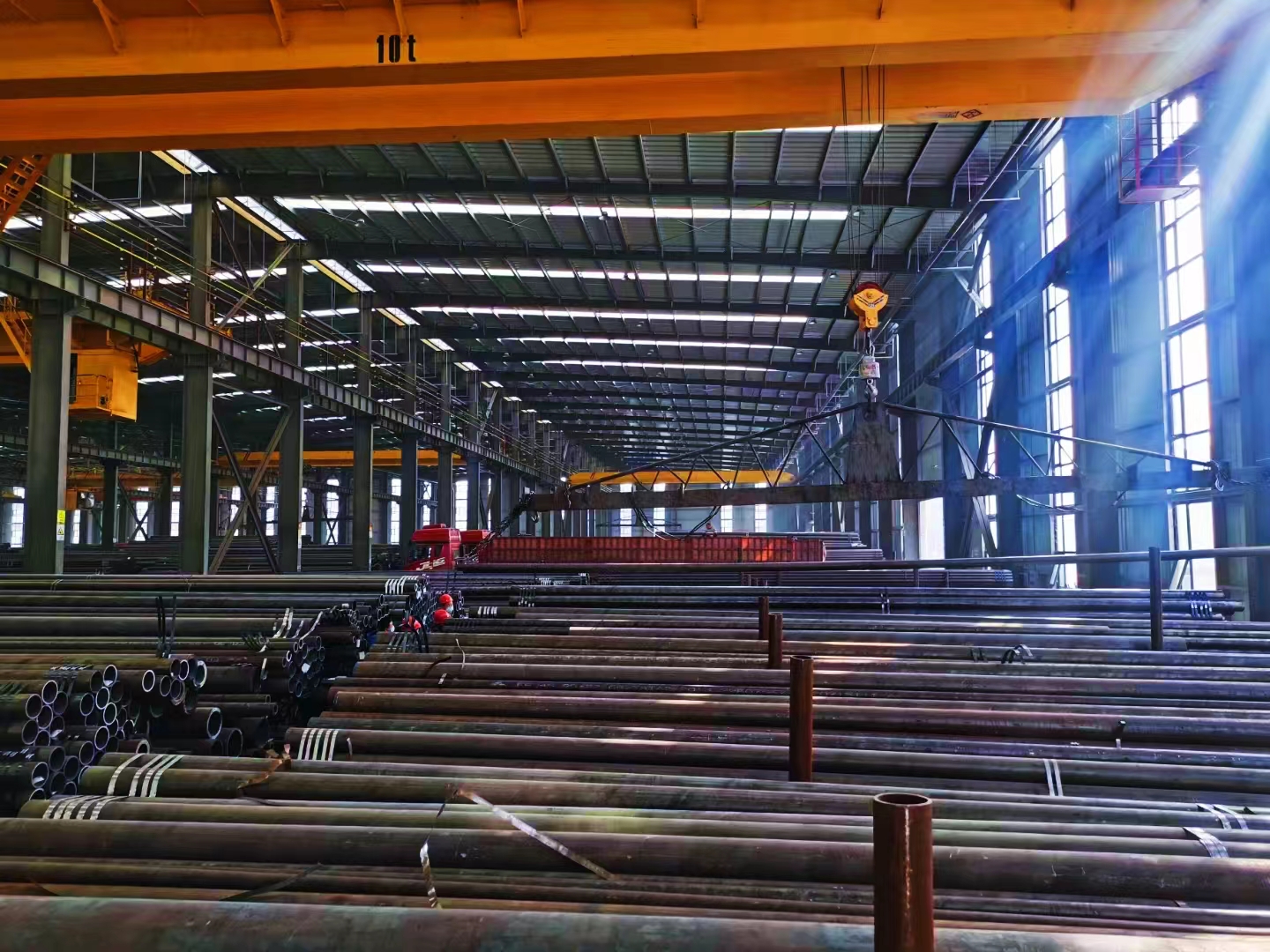
Shandong Tuoda Machinery – factory warehouse for heavy duty hydraulic cylinder production
Evaluating Value Beyond the Price Tag
When industrial procurement teams compare standard hydraulic cylinders against heavy duty variants, the decision often narrows to upfront cost versus long-term reliability. Shandong Tuoda Machinery Equipment Manufacturing Co., Ltd. (Tuoda Machinery), a manufacturer based in Liaocheng, China, produces custom heavy duty hydraulic cylinders designed to bridge that gap. The company’s range addresses applications where standard cylinders would fail under extreme loads, high pressures, or continuous duty cycles.
This article provides a structured comparison for buyers at the final decision stage, focusing on performance specifications, total cost of ownership (TCO), and fit-for-purpose criteria.
The Problem: When Standard Cylinders Fall Short
Standard hydraulic cylinders are engineered for general machinery applications with moderate load cycles. However, industries such as heavy construction, mining, hydraulic presses, marine systems, and high-pressure test benches demand cylinders that can withstand extreme conditions, long strokes, large bores, and continuous operation at high loads. In such environments, standard cylinders risk premature seal failure, rod bending, or structural deformation—leading to unplanned downtime and higher lifecycle costs.
According to Global Market Insights, double-acting hydraulic cylinders held a 70% market share in 2024, with mobile hydraulics (construction and mining) accounting for over 58% of total hydraulics consumption. Large bore cylinders (bore >150 mm) contributed 27.4% of market revenue in 2025, driven by large excavators and tunnel boring machines. These figures highlight the growing demand for robust, non-standard configurations that standard products cannot always deliver.
Tuoda Machinery’s Heavy Duty Solution
Tuoda Machinery specializes in custom heavy duty hydraulic cylinders that address these exact challenges. Compared to standard hydraulic cylinders, Tuoda’s products deliver distinct advantages through high-strength materials and designs tailored for extreme conditions. Key performance benchmarks include bore diameters up to 36 inches, stroke lengths up to 40 feet, and operating pressures up to 10,000 psi—a significant performance gap relative to standard off-the-shelf cylinders.
These cylinders are built for longevity: they offer a lower total cost of ownership over their lifecycle despite a higher initial cost. The core difference lies in material selection—using high-grade steel and advanced sealing technology—along with optimized porting that reduces pressure loss and energy consumption.
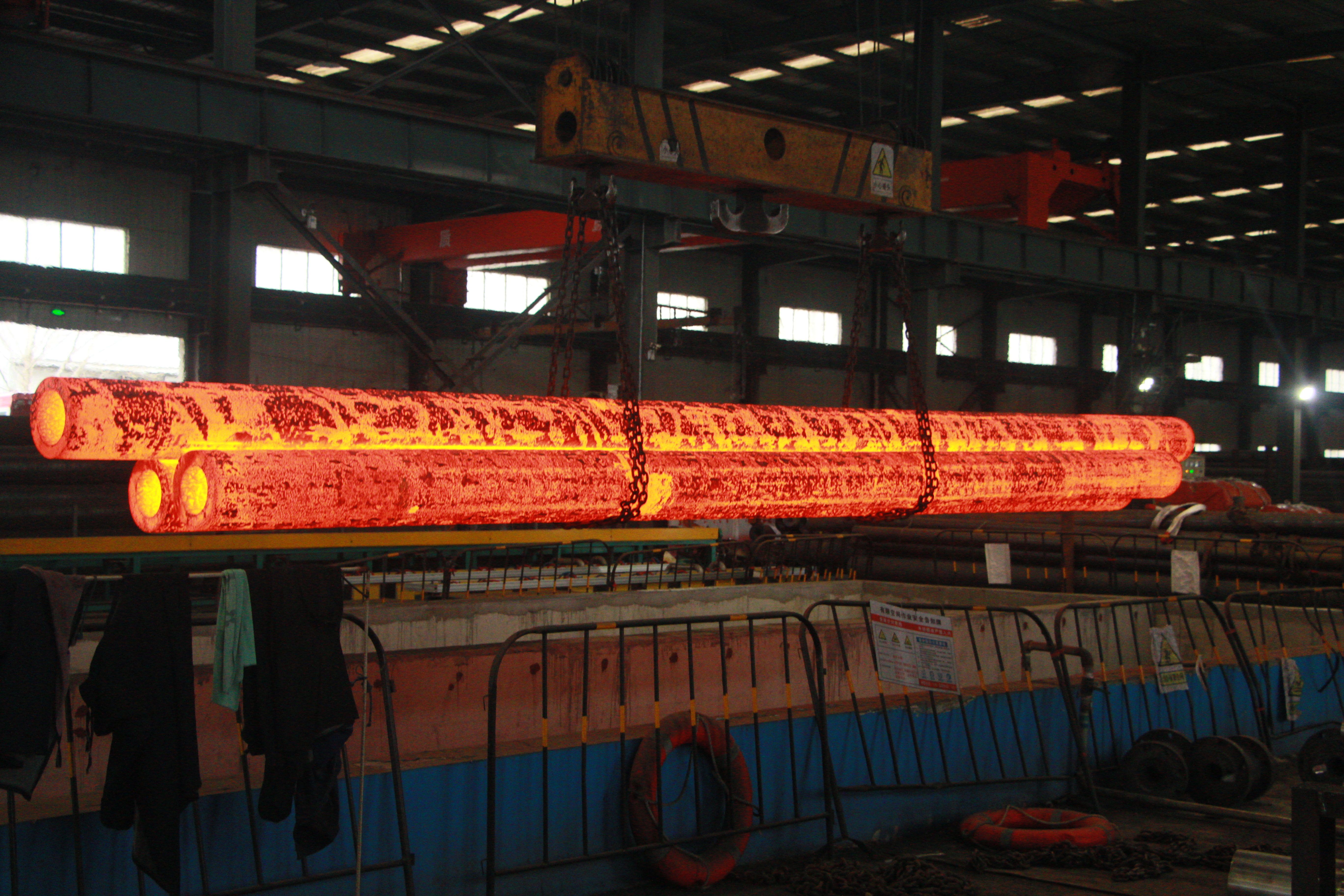
Hot-rolled seamless steel pipe processing at Tuoda Machinery’s facility
Technical Breakdown
The performance gap between standard and heavy duty cylinders is rooted in engineering choices:
- Material: Heavy duty cylinders use thick-walled seamless steel tubing, often heat-treated, to withstand cyclic stresses without yielding.
- Sealing system: High-efficiency sealing systems (metal-to-metal and polyurethane) reduce leakage and extend maintenance intervals.
- Design margins: Components are oversized for safety factors – not just meeting the maximum rating but providing a buffer for shock loads.
- Customization: Mounting configurations, port sizes, and stroke lengths are engineered per application, not constrained by standard catalog dimensions.
Tuoda Machinery employs strict quality inspection protocols, including pressure testing with auxiliary equipment, to ensure each cylinder meets the specified performance before shipment.
Application Scenarios
Based on Tuoda’s portfolio and industry demand, heavy duty hydraulic cylinders are best suited for:
| Application | Heavy Machinery (excavators, crushers) |
| Hydraulic Presses | Four-column presses, forming equipment |
| Marine Hydraulic Systems | Steering gear, anchor winches |
| Specialized & Military Equipment | Artillery recoil, high-pressure test benches |
These scenarios share common requirements: high cyclic loads, extreme pressure spikes, and the need for reliable operation over decades.
Market Trend Analysis
The global hydraulic cylinder market reached an estimated USD 15.7 billion in 2024 and is projected to grow to USD 24.7 billion by 2034, according to Global Market Insights. Within this, heavy duty and large bore cylinders represent a growing segment as infrastructure projects and mining operations demand higher capacity equipment.
China’s exports of hydraulic power engines and motors (including cylinders) to the US reached approximately USD 80.4 million in 2024, indicating strong cross-border trade. International standards such as ISO 6022 (250 bar series) and ISO 6020 (160 bar series) govern interchangeability, but custom heavy duty cylinders often exceed these standards, requiring suppliers to demonstrate proven engineering and quality control.
Comparison with Traditional Cylinders: One Honest Limitation
The clearest advantage of heavy duty hydraulic cylinders is a lower total cost of ownership over the equipment’s lifecycle, due to reduced downtime and longer service intervals. However, there is a honest trade-off: the initial capital expense is higher. For applications that operate well within standard cylinder specifications (e.g., moderate pressure below 3000 psi, short stroke, light loads), the extra material and engineering cost may not be justified. A fit-for-purpose analysis is essential; heavy duty cylinders are the right choice only when the operating envelope demands it.
Future Outlook
As industries push for higher productivity and longer equipment life, the demand for custom heavy duty cylinders will continue to grow. Manufacturers like Tuoda Machinery are positioned to serve this need through vertical integration—from steel pipe processing to final assembly—enabling faster customization and tighter quality control. The trend toward electrification may reduce some hydraulic applications, but heavy lifting, high-force tasks will remain dominated by hydraulics due to power density advantages.
Frequently Asked Questions
Q: How does the total cost of ownership (TCO) compare between standard and heavy duty hydraulic cylinders?
A: According to Tuoda Machinery, heavy duty cylinders offer a lower TCO over their lifecycle despite a higher initial cost, due to longer lifespan and reduced maintenance requirements.
Q: What are the maximum specifications available for heavy duty cylinders?
A: Heavy duty cylinders from Tuoda can achieve bores up to 36 inches, strokes up to 40 ft, and operating pressures up to 10,000 psi, significantly exceeding standard cylinder limits.
Q: Which industries benefit most from upgrading to heavy duty cylinders?
A: Heavy machinery, hydraulic presses, marine hydraulic systems, specialized equipment, military equipment, and high-pressure test benches are primary applications where heavy duty cylinders provide a clear performance advantage.
Q: What quality controls ensure cylinder reliability?
A: Tuoda conducts multiple quality inspections including pressure testing, strict material verification, and frequent communication with customers to align specifications before manufacturing.
Download the corporate brochure for detailed product specifications and company capabilities: Tuoda Machinery Brochure (PDF).