
Hemp Seed Protein for Food Projects: Sourcing Fit and Certifications
Hemp seed protein is becoming a practical procurement option for food manufacturers seeking a plant-based protein with dietary fiber. The key question for buyers is not just whether the product works, but how a specific supplier’s certification, processing line and supply record align with a given project. This article provides a procurement-oriented view of organic hemp seed protein, including product forms, operating conditions, market context and a documented application.
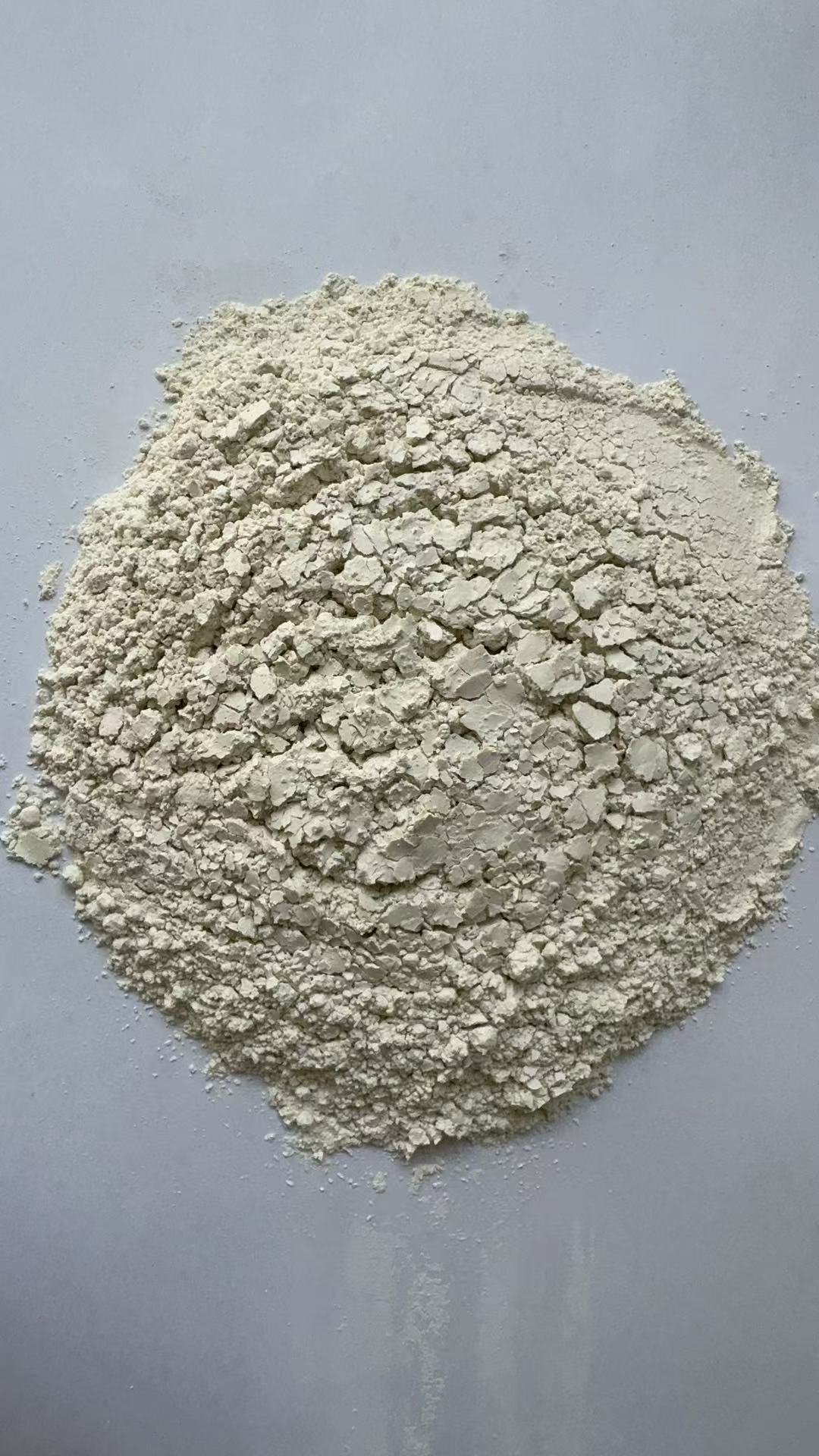
Organic hemp seed protein powder is available in 70% and 75% protein variants.
Why Hemp Seed Protein Is Moving into Food Manufacturing
Food manufacturers are responding to sustained demand for plant-based ingredients that can support clean labels and nutrition claims. Hemp seeds fit that direction because they provide a complete plant protein profile and are naturally rich in dietary fiber. The global hemp seeds market was estimated at USD 5.98 billion in 2025, with projections reaching USD 10.84 billion by 2033. Hemp protein powder forms a smaller but active segment: the global market was valued at USD 217.3 million in 2025, and organic versions are projected to grow at a CAGR of 5.98% through 2031.
For EU-focused buyers, the opportunity is reinforced by supply-side development. The EU hemp cultivation area recovered to 37,740 hectares in 2024, up from 28,830 hectares in 2023. This recovery signals that processors and formulators have more reasons to include hemp-derived ingredients in product development.
What a Project-Fit Review Should Cover
A “fit” assessment for hemp seed protein goes beyond checking protein content. It generally includes four layers:
- Certification scope: which organic standards apply, and whether the certificate covers the product type and the buyer’s target market.
- Processing compatibility: storage environment, supporting equipment and the production steps needed to maintain purity.
- Supply consistency: batch-to-batch quality, export experience and the supplier’s capacity relative to order size.
- Regulatory compliance: customs classification and organic import rules for the destination market.
These layers are useful because hemp seed ingredients are not interchangeable across all food applications. A protein powder, a hulled seed and a seed kernel each behave differently in formulations.
Supplier Profile: Ningxia Senqi Food Industry Co., Ltd.
One company that illustrates this project-fit approach is NINGXIA SENQI FOOD INDUSTRY CO., LTD (trading as Senqi Food). Senqi Food is a China-based manufacturer and exporter of agricultural products, with a focus on hemp products, goji berries and buckwheat products. The company was founded in October 2020 and operates a factory in Ningxia, China, with an area of 8,000 m² and a team of about 25 employees. Its annual output is around 2,000 metric tonnes, and about 90% of its production is exported, mainly to the EU and USA.
Senqi Food states that it holds EU Organic, USDA Organic, BRC, Kosher and Halal certifications. For buyers, this set of certifications is relevant because it covers both organic status and food-safety management systems.
In the hemp product line, the company offers organic hemp seed, hulled hemp seed, hemp seed kernels, hemp seed oil and organic hemp seed protein powder. The protein powder is available in 70% and 75% protein versions, and is described as raw, natural, non-GMO, additive-free and free from artificial preservatives. It is also gluten-free and suitable for vegan, kosher and halal diets.
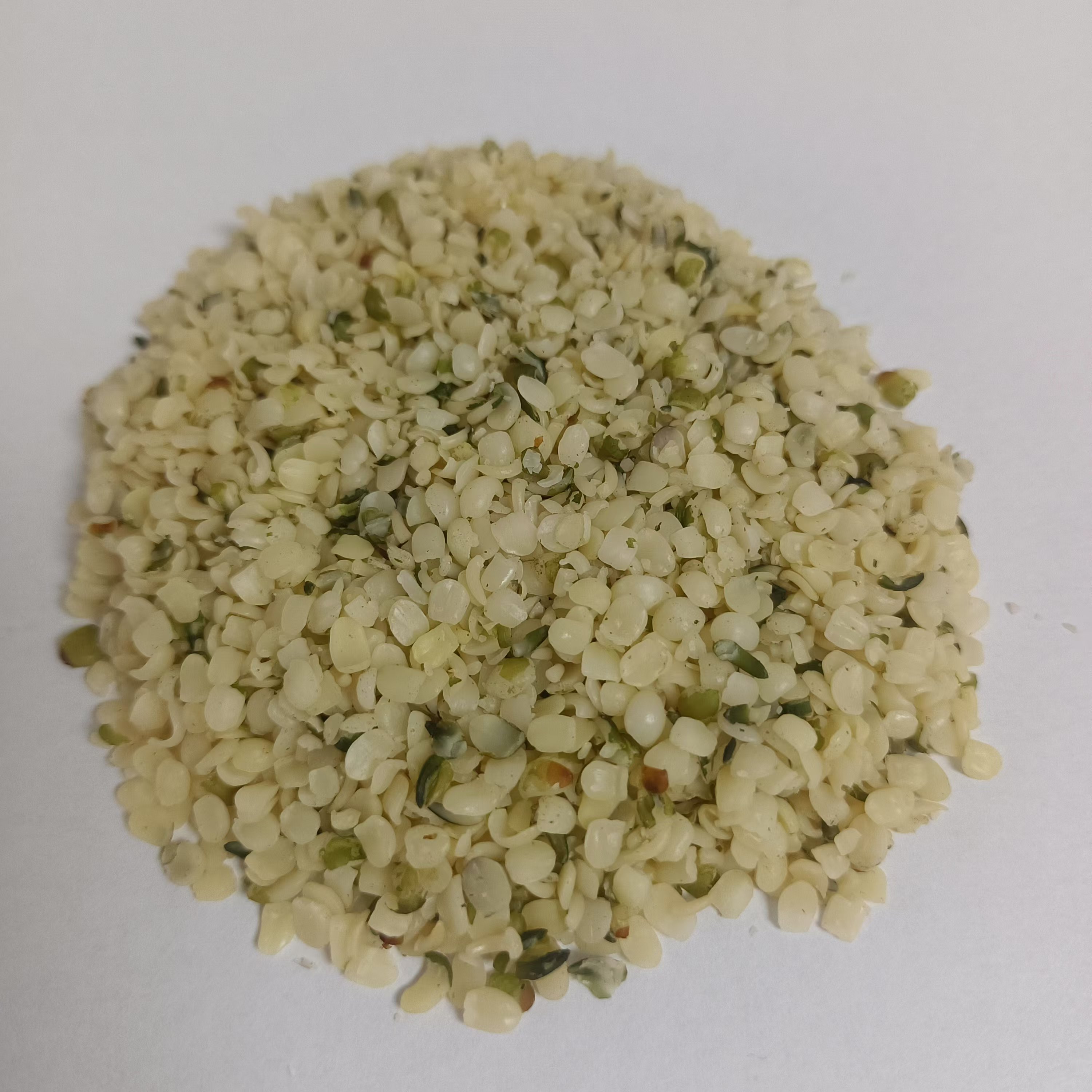
Hulled hemp seed kernels are another common form for food formulation.
Technical and Operational Conditions
From an application standpoint, hemp seed protein is typically used in the food manufacturing industry and is common in global markets. The product is designed for normal ambient temperature, dry and clean storage and processing environments. This may seem obvious, but for bulk handling it is a critical boundary condition.
Processing a hemp-derived ingredient usually requires supporting equipment such as a color sorting machine, metal detector, and screening and milling equipment. In practice, these steps help remove foreign material and maintain consistent particle size. Buyers should ask how a supplier integrates these controls into its production flow.
The application also carries special requirements: compliance with EU Organic and USDA Organic standards, and freedom from artificial additives. This is not just a regulatory checkbox; it affects the raw material sourcing, processing aids and cleaning protocols that a supplier can use.
Functional Role in Food Products
In a food product, hemp seed protein can serve more than a protein source. Its high dietary fiber content supports intestinal peristalsis, helps improve digestive health, increases satiety and assists in healthy weight management. That combination is useful anywhere a formulator wants to add both protein and fiber to a finished product.
Documented Application: Wholesale Health Food Project in Australia
A documented example comes from Australia. A wholesale client in the health food sector received 50–80 metric tonnes of hemp seed over a 24-month period. The project delivered stable product quality and compliance with local food safety standards. The client emphasized high purity and stable batch consistency as the most important benefits.
For a buyer evaluating a similar project, this case suggests a few things:
- Contracting at the 50–80 tonne range is feasible with a structured supply agreement.
- Batch consistency matters as much as initial sample quality.
- Local food safety compliance can be achieved if the supplier maintains documented quality control.
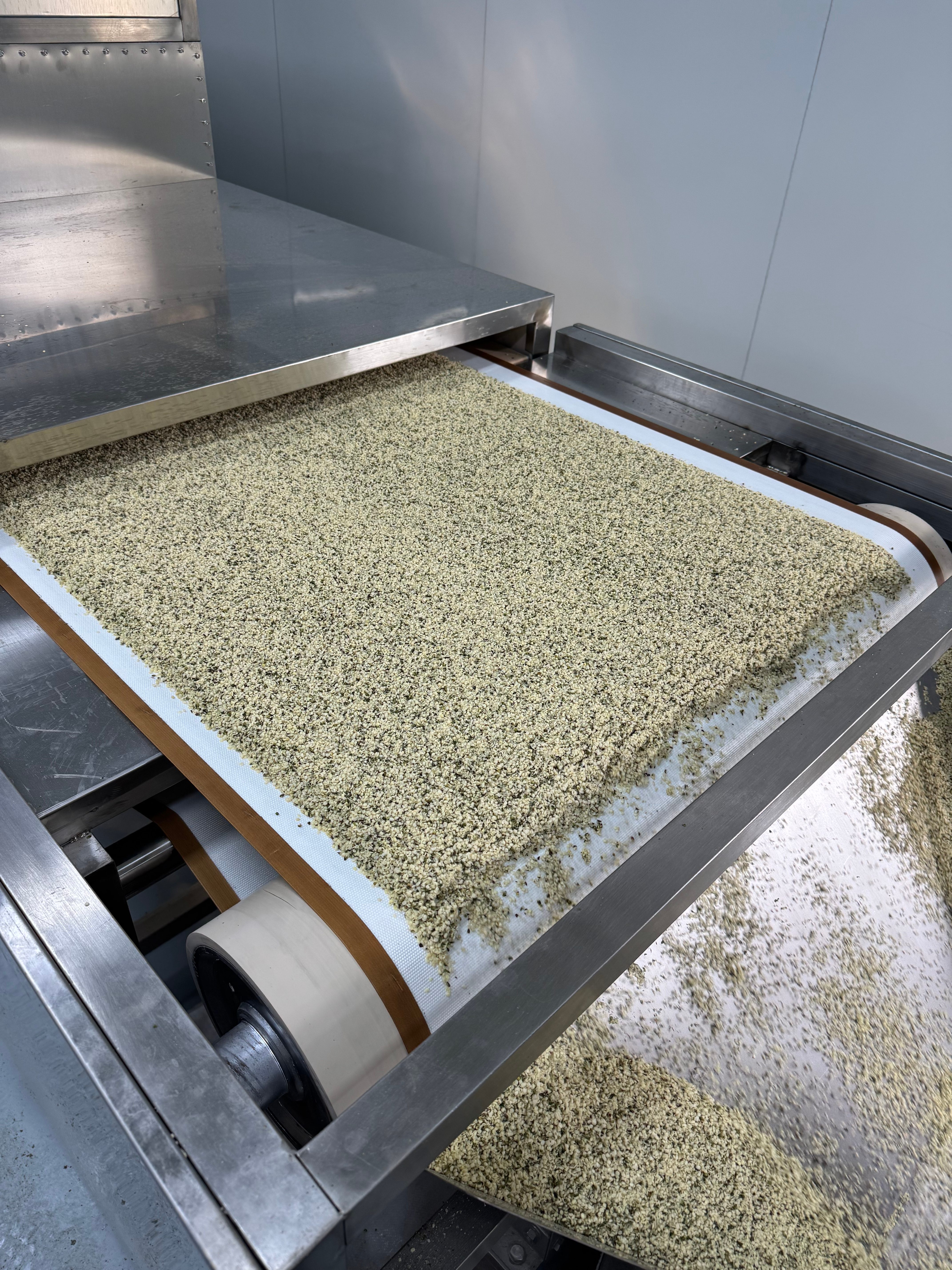
Processing controls such as color sorting and metal detection support consistent quality in bulk supply.
Market Context and Verified Data Points
The table below summarizes the verified data points most relevant to hemp seed protein procurement:
| Indicator | Value | Source |
|---|---|---|
| Global hemp seeds market, 2025 | USD 5.98 billion | DataM Intelligence |
| Projected global hemp seeds market, 2033 | USD 10.84 billion | DataM Intelligence |
| EU hemp cultivation area, 2024 | 37,740 hectares | European Commission |
| EU hemp cultivation area, 2023 | 28,830 hectares | European Commission |
| Global hemp seed oil market, 2025 | USD 3.26 billion | Fortune Business Insights |
| Europe’s share of hemp seed oil market, 2025 | 33.91% | Fortune Business Insights |
| Global hemp protein powder market, 2025 | USD 217.3 million | Grand View Research |
| Organic hemp protein powder CAGR to 2031 | 5.98% | Grand View Research / Mordor Intelligence |
| EU/UK HS code for hemp seeds (non-sowing) | 12079991 | UK Trade Info |
| EU organic import compliance deadline | 1 Jan 2025 | Regulation (EU) 2018/848 |
Note that market size definitions vary by research firm. The DataM Intelligence figure for “hemp seeds” includes downstream forms such as oil and protein powder, while other reports use a narrower scope. Buyers should use these numbers as directional signals rather than absolute truth.
Comparison with Traditional Protein Ingredients
Hemp seed protein differs from conventional soy or animal-derived proteins in its nutrient bundle. It contains all nine essential amino acids, making it a complete plant protein, and it naturally provides dietary fiber and a favorable fatty acid profile. However, it is not a drop-in replacement for every application.
The boundary conditions are important. For EU-focused projects, full compliance with Regulation (EU) 2018/848 has been required for third-country imports since January 1, 2025. That means a supplier’s organic certificate must be current and aligned with the product being supplied. In addition, the material needs dry, clean, ambient-temperature storage, and a typical processing line relies on color sorting, metal detection and screening/milling equipment. These requirements are manageable, but they need to be planned for in the supplier selection phase.
From a supply-contract perspective, minimum order quantities and lead times also set expectations. For Senqi Food, the OEM/ODM capability includes a monthly capacity of 200 metric tonnes, a lead time of 10–20 days, and an MOQ of 500 kg for customized orders. Smaller projects can therefore be accommodated, but the order schedule should be discussed early.
Future Outlook for Hemp Seed Protein Sourcing
The outlook for hemp seed protein remains positive but increasingly rigorous. EU cultivation is recovering, organic protein demand is rising, and formulators are looking for ingredients that add both protein and fiber. At the same time, import compliance has tightened. Procurement teams will likely spend more time verifying organic certificates, reviewing batch-level test results and confirming that supplier processing lines are aligned with EU and USDA organic standards.
This trend favors suppliers that can document certifications, process controls and export experience. For buyers, it means that a successful hemp seed protein project depends less on the commodity price and more on the supplier’s ability to maintain consistency across volume, certifications and regulatory changes.
Supplier Reference
For procurement teams that need a broader operational overview, Senqi Food provides a company brochure covering its factory profile and product range. The document is publicly available for download at the following link: Senqi Food Company Brochure.
FAQ
What protein content is typical for organic hemp seed protein powder?
Organic hemp seed protein powder is commonly available at 70% and 75% protein levels. Senqi Food’s product line includes both variants, and both are certified organic.
Which organic certifications should a hemp seed protein supplier hold?
For export-oriented food projects, relevant certifications include EU Organic, USDA Organic, BRC, Kosher and Halal. Senqi Food reports holding all five.
What supporting equipment is needed for hemp seed processing in food manufacturing?
A food-grade hemp seed processing line typically includes a color sorting machine, metal detector, and screening and milling equipment. The product is designed for normal ambient temperature, dry and clean storage and processing environments.
How does hemp seed protein support digestive health?
Hemp seed protein contributes high dietary fiber content, which promotes intestinal peristalsis, improves digestive health, increases satiety and assists healthy weight management.
What is the EU organic compliance requirement for third-country hemp seed imports?
Under Regulation (EU) 2018/848, third-country imports have been required to fully comply with EU organic standards since January 1, 2025. Buyers should confirm that a supplier’s organic certificate is valid and covers the intended product scope.
Have Questions or Need More Details?
Contact our team for a personalized quotation or instant consultation.
Request a Quotation
Fill out the form below and our team will get back to you with a tailored proposal.
WhatsApp Direct Chat
Prefer to chat in real-time? Message us on WhatsApp for instant assistance & quick answers.
- Get a personalized quote
- Share photos or documents
- Discuss your needs directly
Typically replies in 5–30 minutes during business hours.