
Hemp Seed in Food Supply Chains: Organic Certification, Forms and Procurement Basics
Hemp seed has moved from a specialty crop into a mainstream ingredient for food manufacturers, especially in Europe and North America. Buyers today are presented with whole seed, hulled kernels, protein powder and oil, and not all suppliers can demonstrate the organic compliance, processing controls and export documentation that food brands require. Understanding what organic hemp seed actually is, how it is processed, and what a credible supplier must hold is the first step in a sourcing decision.
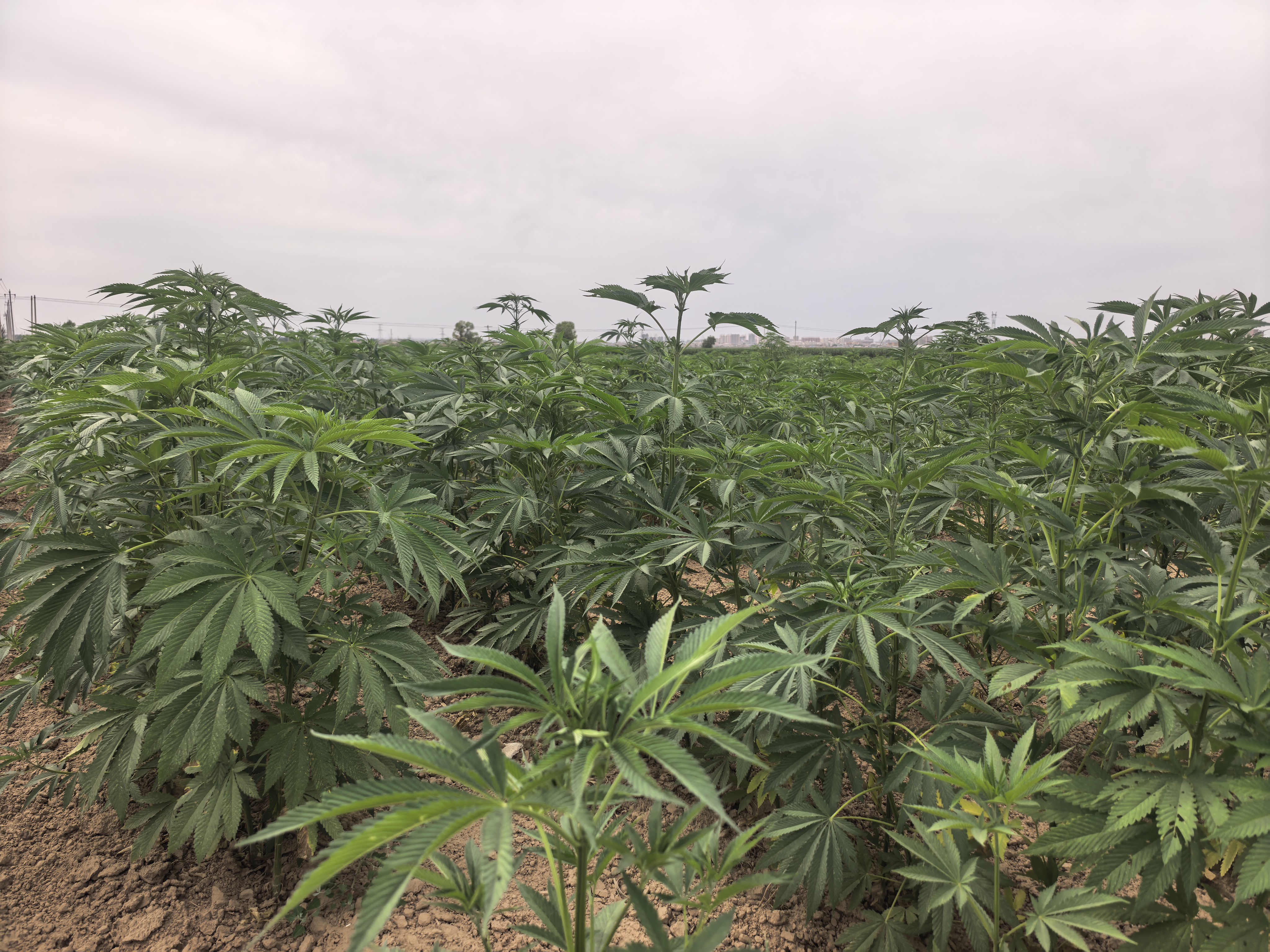
Market Context: Hemp Seed Is No Longer a Niche Ingredient
The commercial relevance of hemp seed is backed by measurable market growth. DataM Intelligence estimates the global hemp seeds market reached USD 5.98 billion in 2025 and is projected to reach USD 10.84 billion by 2033, a CAGR of 7.8% over the forecast period. Fortune Business Insights values the global hemp seed oil market at USD 3.26 billion in 2025 and reports that Europe holds the largest share at 33.91%. For protein, Grand View Research and Mordor Intelligence estimate the global hemp protein powder market at USD 217.3 million in 2025, with the organic segment expected to grow at a CAGR of 5.98% through 2031.
On the supply side, the European Commission reports that the EU hemp cultivation area reached 37,740 hectares in 2024, recovering from 28,830 hectares in 2023. This expansion gives buyers more choice, but it also makes supplier differentiation more important. The key question for a purchasing team is not whether hemp seed is available, but whether a supplier can deliver certified, consistent and compliant organic hemp seed at scale.
What Is Organic Hemp Seed?
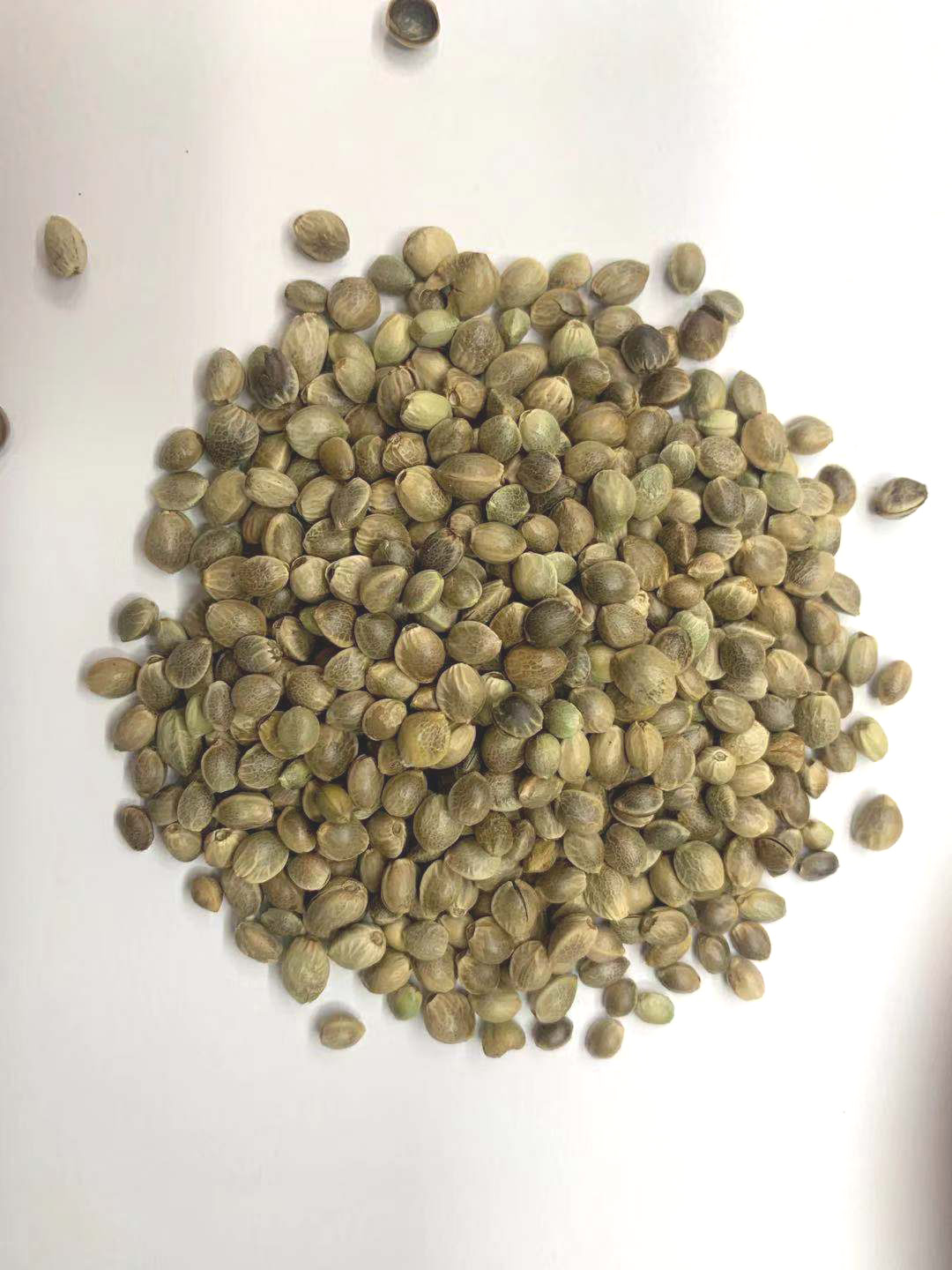
Organic hemp seed is an agricultural seed classified for food use. In the product range of NINGXIA SENQI FOOD INDUSTRY CO., LTD., hemp seed is offered as Organic Hemp seed, Organic Hemp seed Hulled, Organic Hemp Seeds Kernel, and Organic Hemp Seed Protein Powder in 70% and 75% protein variants. All are made from hemp seed and intended for the food industry.
The different forms represent different processing stages. Whole seed keeps the natural outer shell. Hulled hemp seed removes the shell and exposes the inner kernel, which is often referred to as hemp hearts in consumer markets. Hemp seed kernels are the cleaned edible inner part. Protein powder is a concentrated form produced through additional processing, with a protein content of 70%-75%.
| Product form | Food applications |
|---|---|
| Organic Hemp seed | Sprinkles, baking, smoothies, cereals, salad toppings |
| Organic Hemp seed Hulled | Sprinkles, baking, smoothies, cereals, salad toppings |
| Organic Hemp Seeds Kernel | Sprinkles, baking, smoothies, cereals, salad toppings |
| Organic Hemp Seed Protein Powder 70% | Sprinkles, baking, smoothies, cereals, salad toppings |
| Organic Hemp Seed Protein Powder 75% | Sprinkles, baking, smoothies, cereals, salad toppings |
Nutritional and Functional Profile
For food product developers, hemp seed offers a distinctive nutritional foundation. Organic hemp seed contains a 3:1 ratio of Omega-6 to Omega-3 essential fatty acids, a balance that is uncommon among plant ingredients. It also provides high dietary fiber, which supports digestion and long-lasting satiety.
The protein forms take this further. Organic Hemp Seed Protein Powder with 70%-75% protein provides complete plant-based protein containing all 9 essential amino acids. It is gluten-free, vegan, and suitable for kosher and halal product lines. The organic versions are non-GMO and free from additives, fillers, and artificial preservatives, which aligns with the clean-label requirements of many European and North American food brands.
Supplier Evidence: Senqi Food as a Sourcing Reference
When a buyer is at the awareness-to-research stage, detailed product claims matter less than verifiable supplier facts. NINGXIA SENQI FOOD INDUSTRY CO., LTD. is an example of a supplier with a documented production structure.
The company was established in 2020 and is based at Road No.1 Tuanjie Village, Zhenbeipu Town, Xixia Dist, Yinchuan City, Ningxia China. It specializes in agricultural and sideline products, including hemp products, goji berry products, and buckwheat products. Hemp seed is its main product category.
- Facilities: two factories, one sales center, and two planting farms; manufacturing facility covers 8,000 square meters
- Annual production capacity: 2,000 metric tons
- Workforce: approximately 25 staff, with a dedicated R&D engineer
- Export ratio: 90% of sales; products exported to more than 20 countries, including the United States, Canada, the Netherlands, Germany, Italy, and Japan
- Major markets: EU and USA
- Certifications: EU Organic, USDA Organic, BRC, KOSHER, and Halal
- Processing standards: GMP-standard workshops; processing steps comply with BRC requirements
For an EU-focused buyer, the certification list is directly relevant. EU Organic and USDA Organic cover the organic status of the raw material, while BRC covers the management of processing and hygiene. Kosher and Halal extend market access to specific consumer groups.
Application Scenarios for Food Manufacturers
The production environment for food-grade hemp seed is defined by dry, clean storage and processing conditions at normal ambient temperature. Standard processing lines may include color sorting machines, metal detectors, and screening and milling equipment. These measures support the removal of foreign material and consistent particle size before packing.
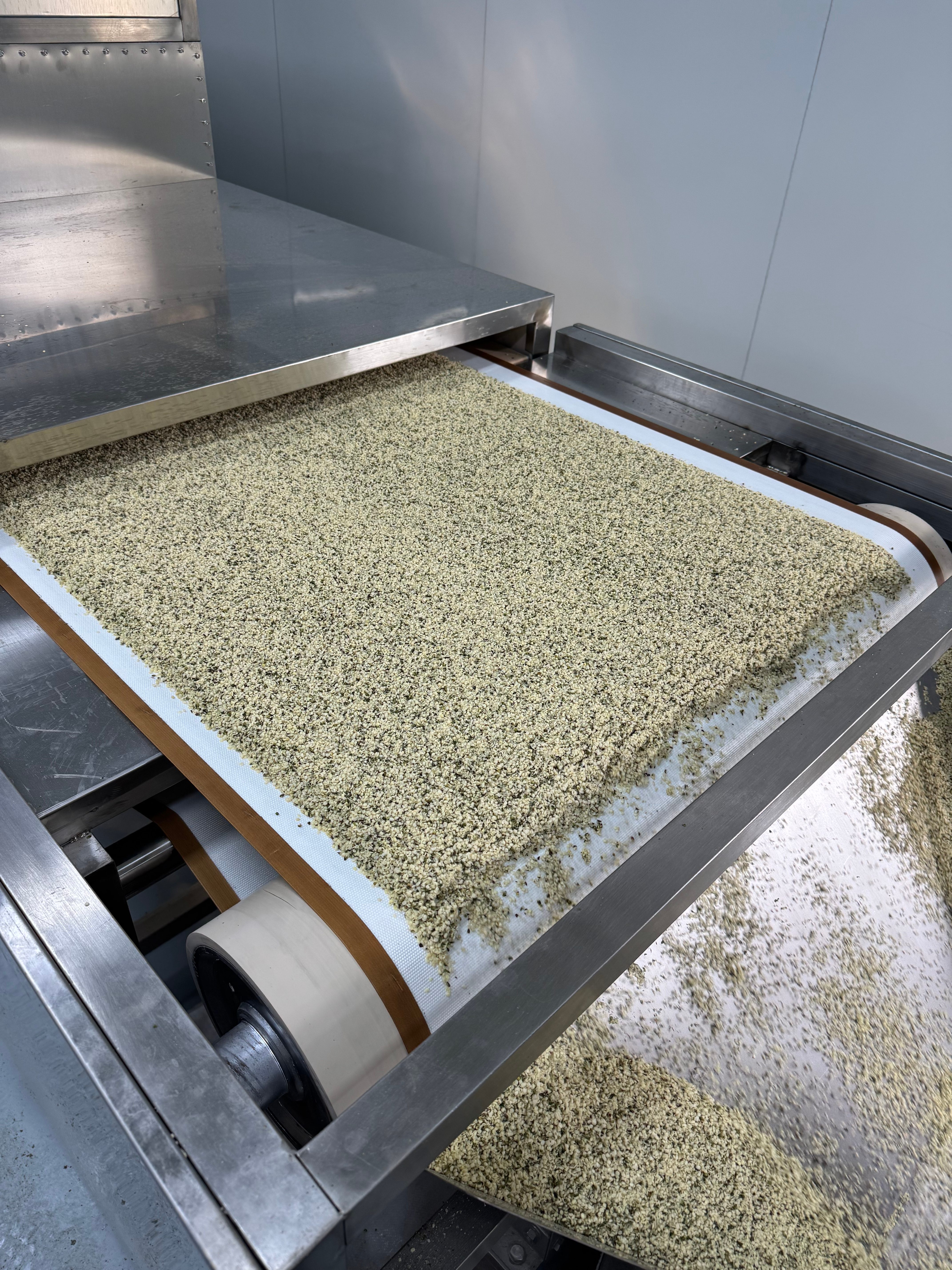
The use cases described by Senqi Food are practical and mainstream: sprinkles, baking, smoothies, cereals, and salad toppings. This means the seed form and the protein powder are designed to be versatile ingredients rather than single-use products. A food manufacturer can therefore evaluate the same supplier across multiple ingredient lines.
Market Trend Analysis: What the 2025 Data Shows
Several verified data points underline the direction of the hemp seed category.
- Global hemp seeds market: USD 5.98 billion in 2025, projected to reach USD 10.84 billion by 2033 (DataM Intelligence).
- EU hemp cultivation area: 37,740 hectares in 2024, up from 28,830 hectares in 2023 (European Commission).
- Hemp seed oil market: USD 3.26 billion in 2025, with Europe at 33.91% share (Fortune Business Insights).
- Hemp protein powder market: USD 217.3 million in 2025, organic segment CAGR 5.98% through 2031 (Grand View Research and Mordor Intelligence).
- Regulation: EU Regulation 2018/848 has required full compliance for third-country organic imports since January 1, 2025.
These data points do not just size the market; they define the procurement environment. Growth in the protein and oil segments means more buyers are looking beyond whole seed. The expansion of EU cultivation gives European buyers a domestic alternative, but the organic import rule changes raise the bar for non-EU suppliers. For Chinese exporters such as Senqi Food, the compliance burden is now higher than before, and buyers need to confirm that the supplier's organic certificate is current, product-specific and recognized in the EU.
Certified Organic Supply versus Conventional Sourcing
A traditional hemp seed supply chain often relies on traders or small processors with domestic qualifications. This approach can be cheaper in the short term, but it exposes buyers to several risks: unrecognized certifications, incomplete traceability, lower processing standards, and possible failure in overseas customer audits or customs clearance. A certified organic supplier, by contrast, should be able to show certificates, batch records and production control details.
| Criteria | Conventional / trader route | Certified organic supplier |
|---|---|---|
| Certification | Often limited to domestic qualifications | EU Organic, USDA Organic, BRC, Kosher, Halal |
| Traceability | Limited or batch-level gaps | Planting farms, processing plant, documented chain |
| Processing control | Variable | GMP workshops, BRC-compliant steps |
| Export credibility | May fail overseas audits or customs clearance | 90% export ratio, EU/USA major markets |
| Cost | Lower initial price | Higher compliance overhead |
The most important limitation of certified organic sourcing is not the product itself, but the verification burden. Since January 1, 2025, third-country organic products imported into the EU must comply fully with Regulation (EU) 2018/848, rather than an equivalence arrangement. Buyers should therefore ask for current certificate copies and product-specific scope, and suppliers need to maintain per-batch testing records. Organic certification also usually carries a cost premium over conventional seed, reflecting the cost of controlled farming and audits.
Future Outlook
The next phase of the hemp seed market will be shaped less by novelty and more by systemization. The plant-based protein trend supports continued growth for hemp protein powder; the EU's organic compliance rules make certification a baseline rather than a differentiator; and the recovery of EU cultivation will put pressure on non-EU suppliers to justify their place in the supply chain.
Food manufacturers that treat hemp seed as a strategic ingredient should evaluate suppliers using the same structure as the product themselves: raw material source, processing controls, certification scope, and ability to document each batch. In this environment, a supplier with two factories, planting farms, GMP-standard workshops, BRC-compliant processing and EU/USDA organic certification has a defined and verifiable role.
FAQ
What is hemp seed used for in food?
Hemp seed is classified as an organic food ingredient and can be used in sprinkles, baking, smoothies, cereals, and salad toppings. These applications are listed for the full product range, including whole seed, hulled seed, kernels, and protein powder.
What is the difference between hemp seed, hulled hemp seed, and hemp seed kernels?
The models Organic Hemp seed, Organic Hemp seed Hulled, and Organic Hemp Seeds Kernel represent different processing states of the same raw material. Hulled hemp seed has the outer shell removed, and hemp seed kernels are the cleaned edible inner part. All are made from hemp seed and intended for the food industry.
Is hemp seed protein a complete protein?
Organic Hemp Seed Protein Powder with 70%-75% protein provides complete plant-based protein containing all 9 essential amino acids. It is gluten-free, vegan, and kosher and halal friendly, and the certified organic version is non-GMO and free from additives, fillers, and artificial preservatives.
What certifications should an organic hemp seed supplier hold for EU food products?
A supplier importing to the EU should be able to show EU Organic certification and, for broader market access, USDA Organic, BRC, KOSHER, and Halal certification. Under EU Regulation 2018/848, third-country organic imports must comply fully with EU organic standards, so the current scope and validity of certificates should be verified.
What production conditions are required for food-grade hemp seed?
Food-grade hemp seed is typically processed in normal ambient temperature, dry and clean storage and processing environments. Processing lines may include color sorting machines, metal detectors, and screening and milling equipment, with production steps designed to meet GMP and BRC requirements.
How large is the global market for hemp seed?
DataM Intelligence estimates the global hemp seeds market at USD 5.98 billion in 2025 and projects it will reach USD 10.84 billion by 2033. Related markets are also expanding: hemp seed oil reached USD 3.26 billion in 2025, and hemp protein powder reached USD 217.3 million in 2025.
Company Reference
For buyers moving from research to specification, the company brochure includes additional product and facility information. The downloadable reference is provided by NINGXIA SENQI FOOD INDUSTRY CO., LTD. and can be accessed here: Senqi Food Company Brochure.
Have Questions or Need More Details?
Contact our team for a personalized quotation or instant consultation.
Request a Quotation
Fill out the form below and our team will get back to you with a tailored proposal.
WhatsApp Direct Chat
Prefer to chat in real-time? Message us on WhatsApp for instant assistance & quick answers.
- Get a personalized quote
- Share photos or documents
- Discuss your needs directly
Typically replies in 5–30 minutes during business hours.