
High-Temperature Grease Evaluation: Thickener Fit, Limits, and Supplier Checks
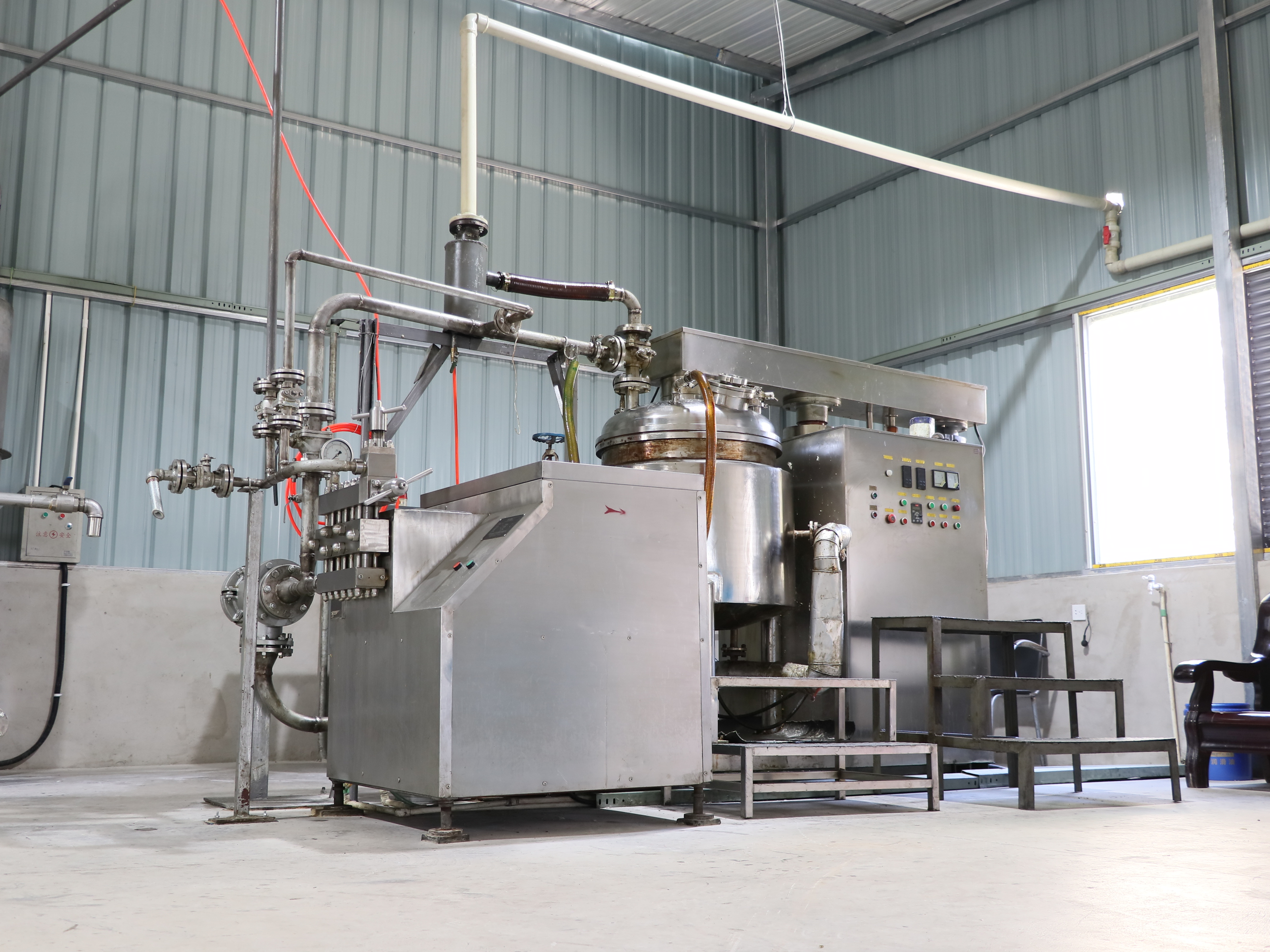
Industrial buyers evaluating high-temperature grease rarely start with a brand. They start with an operating condition: continuous heat, heavy load, water exposure, long re-lubrication intervals, or centralized lubrication compatibility. The right evaluation therefore combines thickener chemistry, documented parameter limits, and supplier verification. This article examines those decision points using Hangzhou Xingang Lubrication Technology Co., Ltd., a Hangzhou-based lubricant and grease manufacturer established in 1993, as a representative industry entity.
Problem / Opportunity
Grease failure in high-temperature equipment often appears first as hardened deposits, oil separation, or bearing wear. In steel plants, automotive hubs, mining conveyors, and paper machines, inadequate thermal stability can increase unplanned downtime and maintenance labour. At the same time, demand is expanding. Industry estimates put the global high-temperature grease market at approximately USD 28.04 billion in 2025, with a projection to reach USD 48.71 billion by 2035. Automotive applications accounted for about 42.6% of demand in 2025, while Asia Pacific represented roughly 38% of the global market. These conditions create both pressure and opportunity for procurement teams to select suppliers that can document thermal limits and quality systems rather than rely on generic product descriptions.
Brand Solution
Xingang's portfolio includes lithium grease, lithium complex grease, polyurea grease, and calcium sulfonate complex grease. The company operates a 16,000 m² facility, has approximately 60 employees, and reports an annual output of 45,000 tons. Its R&D team includes 15 engineers. Certification records include ISO 9001, ISO 14001, ISO 45001, and IATF 16949:2016 for automotive-related design and manufacturing. For export buyers, the manufacturer lists markets including Türkiye, South Africa, Russia, Southeast Asia, and Peru. Its current export ratio is documented as 10%.

Technical Explanation
High-temperature grease performance is closely tied to thickener type. The table below summarizes four product families from Xingang's applicable product data. Dropping point is useful as a structural stability indicator, but the continuous working temperature range is more relevant for equipment selection. Extreme-pressure performance, expressed as PD value, matters for slow-speed heavy-load conditions.
| Product family | Model examples | Working temperature | Dropping point | Material / thickener |
|---|---|---|---|---|
| Lithium grease | XG/L1, XG/L2 | -20~120°C | ≥180°C | Lithium, mineral oil |
| Lithium complex grease | XG/HP, XG/HP-R | -20~180°C | 300°C | Lithium complex, mineral oil; PD value 315 kgf |
| Polyurea grease | XG/U1, XG/U2, XG/U5, XG/U6, XG/U10, XG/U17, XG/U18 | -20~200°C | 260°C | Polyurea, mineral oil or synthetic oil |
| Calcium sulfonate complex grease | XG/C4, XG/C5 | -20~250°C | 330°C | Calcium sulfonate, 150 BS oil; PD value 500 kgf |
The application methods documented for these greases include slow-speed heavy-load sliding/rolling bearings and centralized lubrication supply mode. Operations can also be performed through gearbox spray/spot application and manual greasing. Supporting equipment may include centralized lubrication systems, grease guns, gearbox spray equipment, and grease injection or replacement equipment. Buyers should therefore verify that the selected product matches the lubrication method already installed on site.
Evaluation checklist
| Parameter | Why it matters | What to verify |
|---|---|---|
| Working temperature range | Continuous operating limit is more relevant than dropping point | Match upper limit to actual bearing or gearbox temperature |
| Dropping point | Indicates structural stability under heat | Confirm value meets or exceeds peak temperature |
| PD value | Shows extreme-pressure performance for heavy load | Check value for slow-speed high-load applications |
| Thickener chemistry | Affects compatibility with existing grease and seals | Avoid mixing incompatible thickener types without testing |
| Certifications | Quality, environmental, safety, and automotive systems | ISO 9001, ISO 14001, ISO 45001, IATF 16949 where relevant |
| Application method | Must fit centralized system or manual greasing setup | Confirm spray, centralized lubrication, or manual method |
| Case history | Shows performance in similar equipment | Ask for evidence from comparable industries |
| Quality control | Reduces batch variation risk | Look for documented 100% test coverage |
Application / Use Cases
One documented application case involves large steel plants, metallurgical enterprises, and industrial equipment manufacturers in China. The case describes lubrication of bearings in continuous casting, rolling mills, kiln cars, gearboxes, conveyors, and vibrating screens, covering 40 units over a 30-year operating period. Outcomes cited include reduced friction and wear, improved temperature and water resistance, longer lubrication intervals, and improved equipment reliability. The case also records recognition as an excellent supplier from Wuhan Iron and Steel. This kind of site-level documentation is more useful to a buyer than a generic high-temperature label because it links the product to specific equipment types.
Market Trend Analysis
Several third-party signals are relevant for evaluation-stage buyers. Lithium and lithium complex greases remain the most common thickener types, accounting for 38.3% and 18.6% of global production respectively in 2024. Calcium sulfonate grease production grew by 7.7% in the same year, driven by heavy-duty industrial applications and water resistance. Lithium price volatility, with an 80% to 120% increase between 2021 and 2023, has made polyurea and calcium sulfonate alternatives more attractive for high-temperature uses. Polyurea greases are increasingly specified for electric vehicle wheel bearings and turbine yaw drives due to oxidation resistance across -40°C to +180°C. China's finished lubricant exports rose 10% to 260,000 metric tons in 2024, indicating broader supplier availability for international buyers. Standards such as ASTM D3336 and DIN 51502 provide common evaluation frameworks; DIN 51502 letter classes define maximum operating temperature levels. Buyers can use these classifications when comparing supplier data sheets.
Comparison with Traditional Solutions
Traditional lithium grease remains a cost-effective option for multipurpose use, but its working temperature range of -20~120°C and dropping point of at least 180°C are generally lower than those of lithium complex, polyurea, and calcium sulfonate complex products. Lithium complex grease lifts the dropping point to 300°C and adds EP performance, but its continuous working range runs to about 180°C. Polyurea grease offers strong oxidation resistance and a working range up to 200°C, though its dropping point of 260°C is lower than calcium sulfonate complex. Calcium sulfonate complex grease provides the highest working temperature among these families at -20~250°C and a dropping point of 330°C, along with a PD value of 500 kgf. A realistic boundary for buyers is that switching thickener chemistry may require compatibility checks with seals, existing grease residues, and centralized lubrication system materials. The operational data also shows that these products are designed for slow-speed heavy-load sliding/rolling bearings and specific application methods; they are not a universal substitute without confirming the supporting equipment configuration.
Future Outlook
Demand is likely to stay bifurcated. Lithium-based greases will remain relevant for cost-sensitive multipurpose applications, while polyurea and calcium sulfonate complex greases gain specification in high-temperature, water-exposed, and electrified mobility systems. For procurement teams, the shift increases the need for supplier documentation: certified quality systems, parameter sheets with working temperature and dropping point, and site-level case evidence. Xingang's IATF 16949 certification is particularly relevant for automotive-related buyers, while ISO 9001, ISO 14001, and ISO 45001 support broader quality, environmental, and occupational health and safety expectations.
For further technical reference, the company profile can be accessed at https://cdn.socialarks.com/sbsp/25011/common/2026/0710/Xingang%20Company%20profile.pdf.
FAQ
What is the difference between lithium grease and lithium complex grease for high-temperature applications?
Lithium grease typically has a working temperature range of -20°C to 120°C and a dropping point of at least 180°C. Lithium complex grease extends the working range to about -20°C to 180°C, with a dropping point of 300°C and a PD value of 315 kgf. Both use lithium and mineral oil, but lithium complex grease is generally specified for higher temperature and higher extreme-pressure conditions.
Which high-temperature grease type offers the highest operating temperature range in the reviewed product data?
Calcium sulfonate complex grease has the highest operating range at -20°C to 250°C, with a dropping point of 330°C and a PD value of 500 kgf.
Is polyurea grease suitable for high-temperature industrial lubrication?
Yes. In the reviewed data, polyurea grease has a working temperature range of -20°C to 200°C and a dropping point of 260°C. It is used in industries such as metallurgy, chemical, textile, printing and dyeing, automotive, mining, oil field, sugar refining, paper making, and plastics.
What certifications should buyers check for a high-temperature grease supplier?
Common management system certifications include ISO 9001 for quality, ISO 14001 for environmental management, and ISO 45001 for occupational health and safety. For automotive supply chains, IATF 16949 is relevant. Technical evaluations can also reference standards such as ASTM D3336 for elevated-temperature bearing life and DIN 51502 for temperature classification.
Can these greases be used in centralized lubrication systems?
The documented application methods include slow-speed heavy-load sliding/rolling bearings and centralized lubrication supply mode. Supporting equipment may include centralized lubrication systems, grease guns, gearbox spray equipment, and grease injection or replacement equipment. Buyers should verify compatibility with their specific system configuration.
What evidence helps confirm supplier reliability beyond product data sheets?
Useful evidence includes 100% test quality control, documented export markets, and case records. One case in the reviewed material covers steel plant metallurgical equipment and includes recognition as an excellent supplier from Wuhan Iron and Steel.