
High-Temperature Grease Scenario Fit: XG/HP and XG/HP-R Duties
Most grease failures in metallurgy and automotive service are not caused by temperature alone, or by load alone. They occur at the point where the two conditions overlap — a bearing that is hot and heavily loaded at the same time, a gearbox that runs warm while transferring impact load, a lubrication point that is re-greased infrequently because access is difficult. High-temperature extreme pressure lithium complex grease is formulated specifically for that overlap. The relevant question for buyers is not whether such a grease exists, but which of its published numbers map to which duty.
The XINGANG XG/HP and XG/HP-R models are positioned in exactly this space: a high-temperature extreme pressure lithium complex grease with a working temperature range of -20 to 180°C, a dropping point of 300°C, and a PD value of 315 kgf. This analysis examines how those figures translate into metallurgy and automotive duties, where the same product is asked to perform two different jobs, and where the boundary of its suitability sits.
Where Heat and Load Arrive Together
In a steel plant, the lubrication points that consume the most maintenance attention are rarely the fastest or the hottest in isolation. They are the ones where a hot workpiece, a heavy static load and intermittent shock load act on the same bearing surface. Continuous casting bearings, rolling mill housings, kiln car wheelsets, conveyor and vibrating screen bearings all share this profile. The metallurgy application record for this product family describes the condition set directly: high temperature, heavy load, impact load, humid or water-splash environments, and a mix of centralized lubrication supply and manual greasing.
Automotive duties overlap in a different way. A wheel bearing or a chassis joint may not reach steel-plant temperatures, but it operates across a wide ambient range, sees vibration and shock, and is often expected to survive long intervals between service. In both industries the grease has to do three things at once: remain structurally stable while hot, maintain a protective film under load, and resist oxidation long enough that the service interval is governed by maintenance planning rather than by grease degradation.
What the XG/HP and XG/HP-R Specification Establishes
The published parameters of the product are the starting point for any scenario judgement. They are not marketing claims; they are the values a maintenance engineer or a procurement team can put next to an equipment requirement.
| Parameter | Published value | Practical reading |
|---|---|---|
| Product type | High temperature extreme pressure lithium complex grease | Thickener system and performance intent are declared together, not separately |
| Models | XG/HP, XG/HP-R | Two model codes share the same performance envelope |
| Thickener / base oil | Lithium complex / mineral oil | Standard lithium complex chemistry with a mineral base stock |
| Working temperature | -20 to 180°C | Continuous service envelope, not a short-term peak |
| Dropping point | 300°C | Thermal safety margin above the working ceiling |
| PD value | 315 kgf | Extreme pressure load-carrying indicator |
| Stated industries | Automobile, metallurgy | Primary fit is declared by the manufacturer |
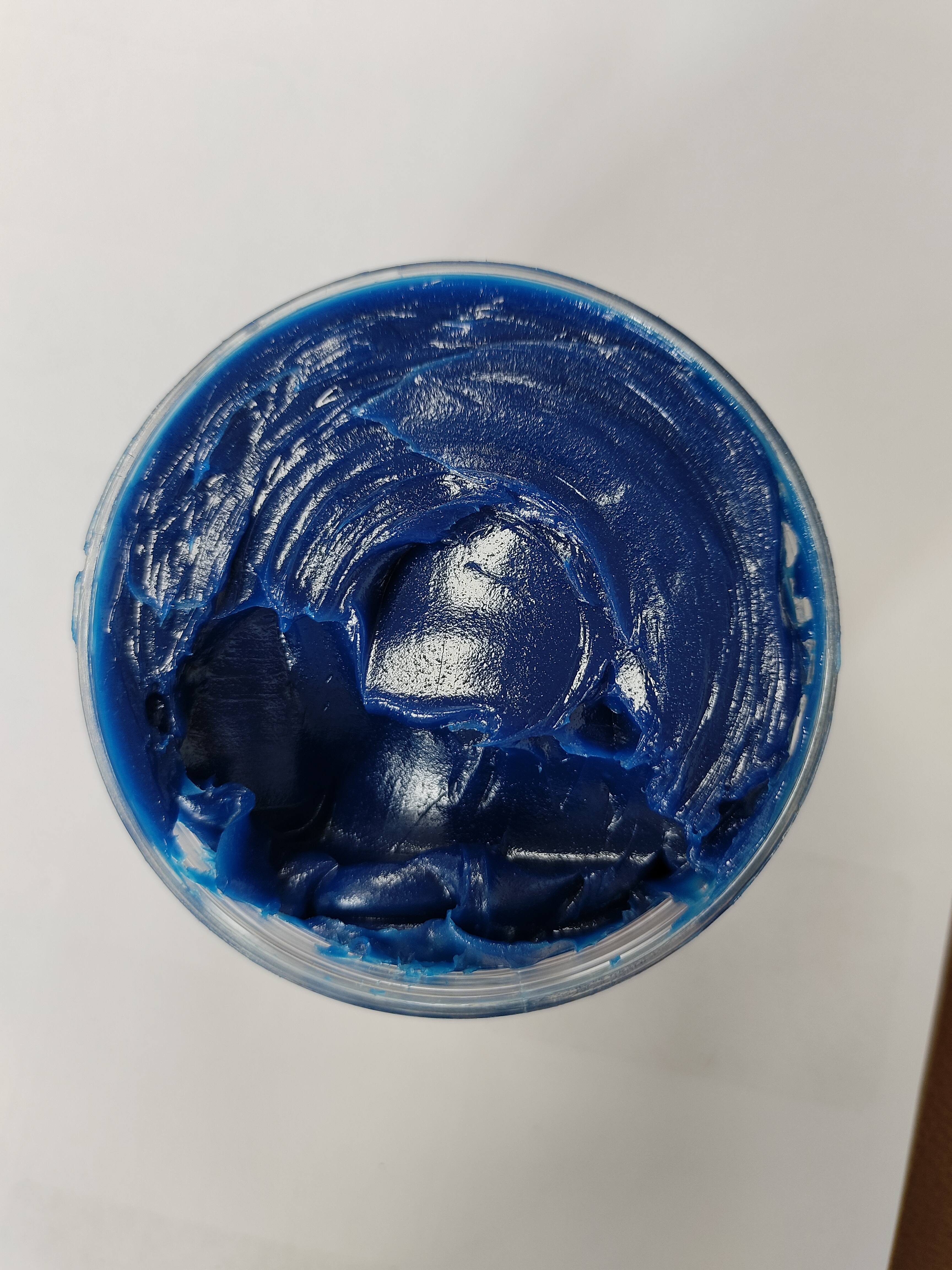
Figure 1 — XG/HP high-temperature extreme pressure lithium complex grease, one of two model codes in the same performance envelope.
Reading 180°C and 300°C Correctly
A common purchasing error is to treat the dropping point as the operating temperature. It is not. The dropping point indicates the temperature at which the grease structure breaks down under the test conditions; it is a thermal ceiling, not a service target. The number that governs daily operation is the working temperature range, which for XG/HP and XG/HP-R is -20 to 180°C.
The gap between 180°C working and 300°C dropping is the practical value of the formulation. It means the grease is expected to hold its structure, retain its oil, and continue to feed the contact zone while operating well below the point at which the soap matrix collapses. For a rolling mill bearing that runs hot during a campaign and cools between shifts, that margin is what allows the lubricant to return to normal service rather than being replaced after every thermal excursion.
The temperature classification framework used in European practice makes the positioning easier to interpret. Under DIN 51502, high-temperature greases are classified by letter according to maximum operating temperature, with R corresponding to +180°C. A grease rated to 180°C therefore sits at the top of the common R class rather than in the S (+200°C) or T (+220°C) bands, and equipment running persistently above the R ceiling should be treated as a different lubrication problem requiring a different thickener system.
Oxidation Resistance: The Slower Failure Mode
Thermal failure is dramatic and easy to diagnose. Oxidation is neither. It proceeds quietly, thickening the grease, forming deposits, and gradually reducing the oil available at the contact. By the time the symptom appears as a hot bearing or a blocked centralized line, the grease has usually been degrading for a long period.
The XG/HP and XG/HP-R formulation is described as offering good oxidation resistance and a long service life. In metallurgy, this connects directly to a documented requirement in the application profile: low carbon residue after high-temperature aging. Carbon residue and oxidation stability are two views of the same behaviour. A grease that oxidises slowly leaves less hard deposit behind, which matters most in centralized lubrication systems where a hardened residue can restrict a supply line and starve downstream points.
In automotive duty, oxidation resistance governs something different: the credibility of the service interval. Vehicle and component builders specify relubrication intervals on the assumption that the grease will remain functional across thermal cycling. Where a grease oxidises faster than expected, the interval becomes unsafe rather than merely inconvenient.
Extreme Pressure at 315 kgf PD: What It Actually Protects
The PD value of 315 kgf is an extreme pressure indicator. In simple terms, it describes how much load the lubricating film can sustain before the contact moves from fluid or mixed lubrication into a regime where metal-to-metal interaction and wear become likely. It is not a measure of how much weight a bearing can carry — bearing capacity is set by the bearing — but of how well the lubricant protects the surfaces when the film is thin.
Metallurgy is a low-speed, high-load environment in many of its critical points. Slow-speed heavy-load sliding and rolling bearings are named explicitly in the application profile for this product family, alongside gearbox spray or spot application and manual greasing. At low speed, the hydrodynamic film is thin by definition, so the extreme pressure chemistry carries more of the protective duty. The same logic applies to automotive gear and chassis applications where sliding contact and shock load coexist.
Where the EP requirement becomes severe enough to sit beyond 315 kgf, the product family offers a heavier option: the XG/C4 and XG/C5 calcium sulfonate complex greases are specified at a PD value of 500 kgf with a 330°C dropping point and a -20 to 250°C working range. Buyers should treat that as an application decision rather than an upgrade decision, since calcium sulfonate chemistry carries different compatibility considerations.
Metallurgy Fit: Continuous Casting, Rolling Mills and Centralized Systems
The metallurgy scenario record for this product family names the lubrication points and the equipment interface together, which makes the fit assessment concrete rather than generic. The table below maps the recorded duty conditions to the published grease properties.
| Site condition or requirement | Property that addresses it |
|---|---|
| High temperature, heavy load, impact load | 180°C working ceiling with 300°C dropping point; 315 kgf PD value |
| Humid or water-splash environments | Lithium complex thickener structure with the water resistance noted in the product's stated performance set |
| Centralized lubrication systems, grease guns, gearbox spray equipment, grease injection and replacement equipment | Described as compatible with these supply and application methods |
| Slow-speed heavy-load sliding and rolling bearings | Extreme pressure anti-wear protection appropriate to thin-film conditions |
| Low carbon residue after high-temperature aging | Stated oxidation resistance and long service life |
| No corrosion to metal substrates | Declared non-corrosive behaviour toward metal substrates |
The named equipment list is wide: continuous casting, rolling mills, kiln cars, gearboxes, conveyors, and vibrating screens. What these have in common is not a single temperature but a duty profile — heat plus load plus shock, often in a wet environment, sometimes fed by a centralized system that cannot tolerate a grease which hardens or separates in the line.
XINGANG's application record with large steel plants and metallurgical enterprises spans 30 years across these point types. The reported outcomes are the ones that matter operationally: reduced friction and wear, improved temperature and water resistance, extended lubrication intervals, and enhanced equipment reliability. The record also notes stable grease structure under long-term high temperature exposure and good compatibility with centralized lubrication systems, which is the specific property that determines whether a plant can standardise on one grease across a system rather than segmenting it.
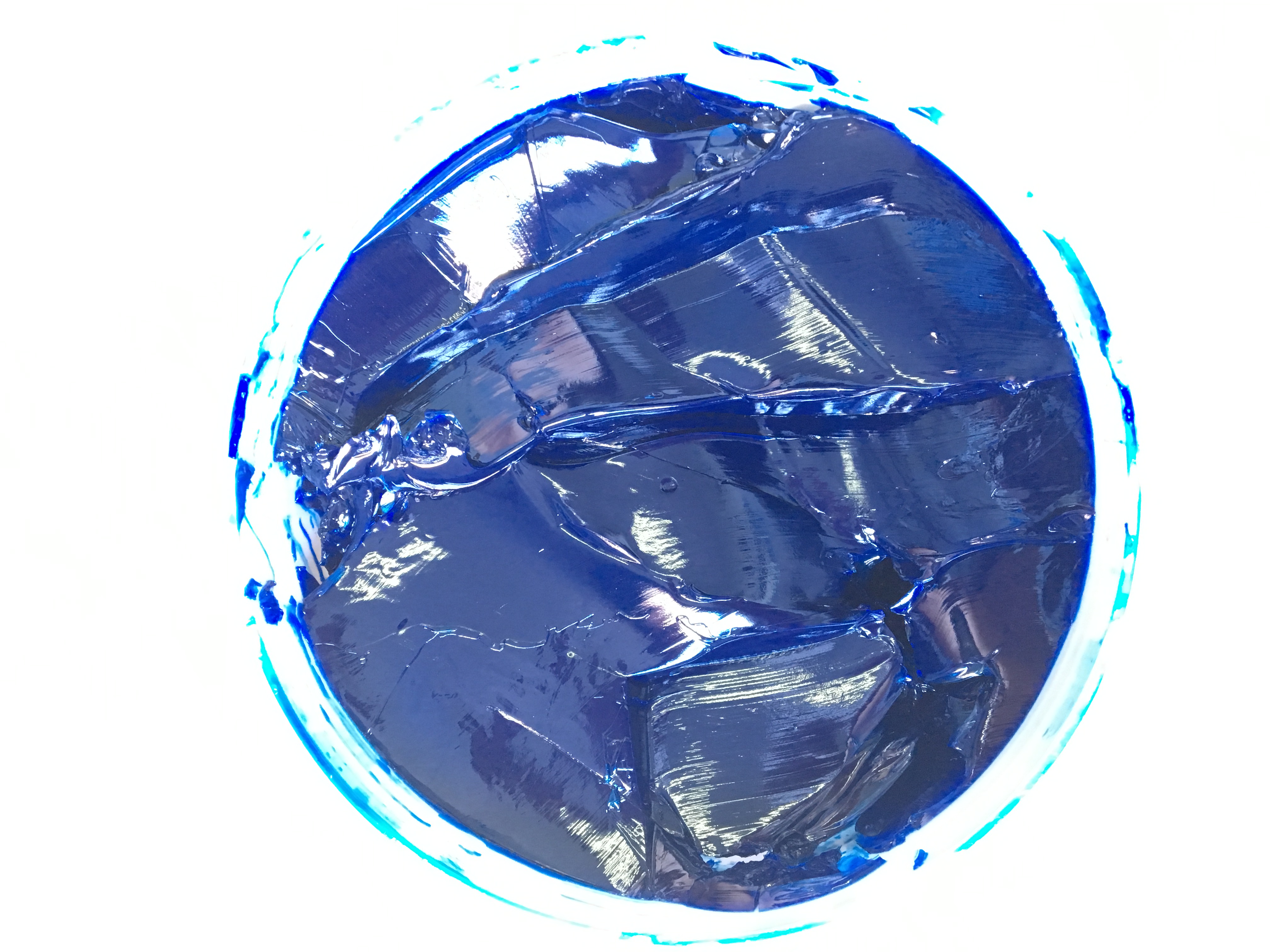
Figure 2 — Grease condition assessment is part of the specification process, not an afterthought to it.
Automotive Fit: Bearings, Gears and Wide Ambient Range
Automotive is the second declared industry for the XG/HP and XG/HP-R models. The fit rests on the same two pillars — thermal stability and extreme pressure protection — applied to a different duty cycle.
The -20°C low end of the working range is significant here. Automotive components are expected to function after a cold start as well as at operating temperature, and a grease that becomes excessively stiff at low temperature will starve a bearing during the first minutes of running. A -20 to 180°C envelope covers a wide band of ambient and operating conditions within a single product, which reduces the number of greases a workshop or a component line has to hold.
On the high end, wheel bearings, gear sets and chassis joints present the heat-plus-load combination that the extreme pressure additive package is designed for. High-temperature bearing grease and high-temperature gear grease are both reasonable descriptions of what this product is asked to do in automotive service, provided the application temperature remains within the declared working range and the component is not subject to a manufacturer approval requirement that the product does not hold.
Where XG/HP and XG/HP-R Reach Their Boundary
A credible selection discussion has to state where a product stops being the right answer. For this grease, three boundaries are worth setting out before a purchase decision.
1. The thermal boundary
The working range ends at 180°C. Applications that run persistently hotter — some kiln and furnace-adjacent points, certain high-temperature conveyor zones — fall outside it. Within the same XINGANG product family, the XG/U polyurea greases are specified from -20 to 200°C with a 260°C dropping point, and the XG/C4 and XG/C5 calcium sulfonate complex greases from -20 to 250°C with a 330°C dropping point and a 500 kgf PD value. Those are the appropriate references when temperature or load exceeds what the lithium complex product is rated for.
2. The thickener compatibility boundary
Lithium complex, polyurea and calcium sulfonate greases are not freely interchangeable in a system that already contains another thickener type. Mixing thickener chemistries can change the consistency and performance of the resulting blend in ways neither product was designed for. Where an existing lubrication point already carries a different grease, the transition should be handled as a controlled change — verification of compatibility, then a defined purge — rather than as a direct top-up.
3. The approval boundary
The published product data for XG/HP and XG/HP-R describes a performance envelope and declared industries; it does not list component-manufacturer approvals. Buyers whose specification requires a named OEM approval, or a specific international bearing test result, should confirm that separately before qualifying the product. This is a documentation boundary rather than a performance one, but it is decisive in regulated or warranty-sensitive programmes.
Market Context: Why Scenario-Matched Grease Selection Is Getting More Attention
The commercial environment has reinforced the case for selecting grease by duty rather than by habit. Lithium complex greases remain a mainstream choice: lithium and lithium complex greases together accounted for 56.9% of global grease production in 2024, at 38.3% and 18.6% respectively, according to grease market trend data reported through STLE. That scale is what makes lithium complex a practical, widely available specification for a plant standardising across multiple lubrication points.
At the same time, raw material volatility has pushed buyers to look harder at thickener economics. STLE-reported data notes that lithium prices rose by 80% to 120% between 2021 and 2023, which prompted manufacturers to adopt polyurea and calcium sulfonate alternatives for high-temperature applications to avoid cost volatility. That shift does not retire lithium complex; it makes the scenario question more important, because the cheapest thickener system for one duty is not necessarily the cheapest for another once relubrication frequency and downtime are counted.
Demand-side data points the same way. The automotive segment captured 42.6% of the high-temperature grease market share in 2025, the largest application category, while Asia Pacific led the regional market in the same year with a 38% global share, according to market research data. Note that published market size estimates for this category diverge widely between sources — one 2025 estimate is approximately USD 28.04 billion — because definitions of specialty versus commodity grease differ. Buyers should treat headline market figures as directional and rely on product-level parameters for selection.
Test methodology is also converging. ASTM D3336, the standard test method for evaluating the life of lubricating greases in ball bearings at elevated temperatures up to 204°C, gives buyers a common language for high-temperature bearing life. Requests for D3336-based evidence are a reasonable part of a qualification process for bearing-critical applications.
Verification Before Switching a Line
Switching a metallurgy or automotive lubrication point from one grease to another is an operational change, not a purchase transaction. Four checks reduce the risk.
- Temperature and load audit. Confirm the measured operating temperature and the load character at each point, and check both against the -20 to 180°C range and the 315 kgf PD value. Points that exceed either should be moved to a different family member rather than forced onto this one.
- Supply method check. Confirm whether the point is fed manually, by grease gun, by gearbox spray equipment, or through a centralized lubrication system, and confirm that the grease behaves correctly in that delivery path.
- Compatibility and purge plan. Identify the incumbent thickener and define the transition method before the first fill.
- Documentation check. Obtain the product data sheet, batch test records, and the quality management certifications relevant to your audit. XINGANG operates ISO 9001:2008, ISO 14001:2004, OHSAS 18001:2007 and ISO 10012:2003 certified systems, and states 100% testing as its quality control practice.
On economics, XINGANG's product data states that, compared with alternatives, the product delivers 15% to 20% lower total equipment maintenance costs over its service life, despite a higher initial raw material cost per unit of grease. That figure is a manufacturer comparison and should be validated against your own relubrication and downtime records — but the direction of the argument is consistent with how high-temperature greases are actually costed: purchase price per kilogram is a poor proxy for cost per operating hour.
Supply, Customisation and Continuity
Hangzhou Xingang Lubrication Technology Co., Ltd. (XINGANG) is a grease and industrial lubricant manufacturer established in 1993, headquartered in Hangzhou, Zhejiang, China, operating a 16,000 m² facility with 60 employees, an annual output of 45,000 tons, and a 15-engineer R&D team. Its products are used by major steel enterprises including BAOWU Group, Hebei Steel Group, Shandong Steel Group, Ma Steel, Taigang Steel, Liugang Steel, Shaogang Steel, Shagang Steel and Kungang Steel, and are exported to markets including Türkiye, South Africa, Russia, Southeast Asia and Peru.
For buyers structuring a supply arrangement around XG/HP and XG/HP-R, the relevant capability facts are: OEM production with package and sticker customisation, a monthly capacity of 3,000 tons, a typical production lead time of 10 to 20 days, a minimum order quantity of 2,000 kg, and after-sales support covering remote technical formula guidance, on-site usage technical consultation, product application solution matching, and quality problem compensation and replacement support.
Future Outlook
Two pressures are likely to shape high-temperature grease selection in metallurgy and automotive over the next several years. The first is thermal: equipment designs that raise efficiency often raise operating temperature at the same time, which pushes more lubrication points toward the boundary of the R class and increases the share of applications that need S-class or higher chemistry. The second is documentation: as more buyers request standard-method evidence such as ASTM D3336 bearing life data alongside product parameters, the ability to supply verifiable test records becomes part of the product offer rather than a separate service.
For a grease like XG/HP and XG/HP-R, the practical consequence is that its position is stable but its application envelope will be defined more precisely. Lithium complex chemistry remains the mainstream choice by production volume, and a product with a 180°C working range, a 300°C dropping point and a 315 kgf PD value covers a large share of metallurgy and automotive duties. The selection work is in identifying the points where that coverage ends — and specifying something else there.
Frequently Asked Questions
What does a -20 to 180°C working range mean in practical equipment terms?
It means the grease is declared fit for continuous service between those two temperatures. The low end matters for cold starts, where a grease that stiffens excessively can starve a bearing before it warms up. The high end is the continuous ceiling: equipment that runs persistently above 180°C is outside the declared range, even though the dropping point is 300°C. The dropping point describes thermal breakdown under test conditions, not a service temperature.
Is XG/HP or XG/HP-R suitable for centralized lubrication systems in steel plants?
Yes, within its temperature and load envelope. The metallurgy application record for this product family lists compatibility with centralized lubrication systems, grease guns, gearbox spray equipment, and grease injection or replacement equipment, and notes stable grease structure under long-term high temperature exposure plus good compatibility with centralized systems. Because a centralized line distributes one grease to many points, the grease also has to avoid hardening or separating in the pipework — which is why the low carbon residue after high-temperature aging noted in the application profile matters.
What does the 315 kgf PD value indicate for bearing and gear protection?
The PD value is an extreme pressure indicator describing the load the lubricating film can sustain before the contact moves toward metal-to-metal interaction. At 315 kgf, XG/HP and XG/HP-R are specified for the heat-plus-load duties described in their declared industries, including slow-speed heavy-load sliding and rolling bearings. Where measured load or temperature exceeds that envelope, the product family offers the XG/C4 and XG/C5 calcium sulfonate complex greases at a PD value of 500 kgf, a 330°C dropping point and a -20 to 250°C working range.
Can XG/HP replace a polyurea or calcium sulfonate grease in a hotter zone?
Only if the point's actual duty sits inside the -20 to 180°C range and within the 315 kgf PD envelope. For hotter zones, the same manufacturer's XG/U polyurea greases are specified from -20 to 200°C with a 260°C dropping point, and the XG/C4 and XG/C5 calcium sulfonate complex greases from -20 to 250°C with a 330°C dropping point. Separately, thickener chemistries are not freely interchangeable in an existing system, so any change should follow a compatibility check and a defined purge rather than a direct top-up.
What should a buyer verify before switching an existing line to XG/HP or XG/HP-R?
Four items: the measured operating temperature and load character at each lubrication point against the published -20 to 180°C and 315 kgf figures; the delivery method, whether manual, grease gun, spray, or centralized system; the incumbent thickener and the transition or purge plan; and the documentation set, including the product data sheet, batch test records and applicable quality management certifications. The published data describes a performance envelope and stated industries and does not list component-manufacturer approvals, so any OEM approval requirement should be confirmed separately.
For a fuller view of the manufacturer's product range, facility and quality systems, the company profile is available as a public download: Xingang Company Profile (PDF).
Have Questions or Need More Details?
Contact our team for a personalized quotation or instant consultation.
Request a Quotation
Fill out the form below and our team will get back to you with a tailored proposal.
WhatsApp Direct Chat
Prefer to chat in real-time? Message us on WhatsApp for instant assistance & quick answers.
- Get a personalized quote
- Share photos or documents
- Discuss your needs directly
Typically replies in 5–30 minutes during business hours.