
High-Temperature Grease for Underground Mining: Matching the Right Chemistry to the Task
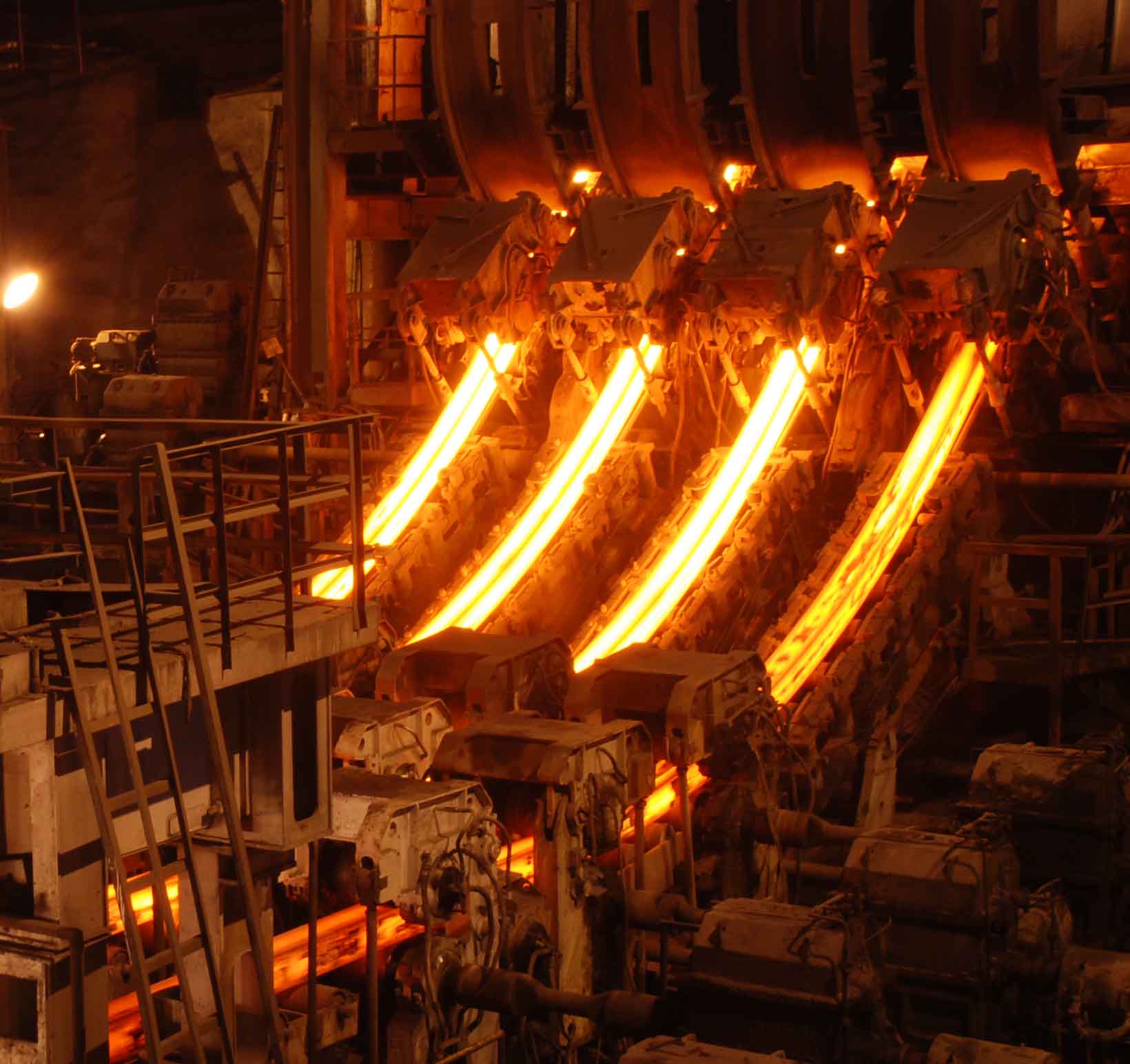
Underground mining is one of the few industrial environments where heat, water, shock loading and restricted access attack the same lubrication point at the same time. That combination - not brand preference and not a single number on a data sheet - is what should decide which thickener chemistry goes into a bearing, a pin or a gearbox.
The distinction matters because high-temperature greases rarely differ on heat alone. They differ on what else they can carry: water washout, extreme-pressure contact from impact loading, oxidation across long service cycles, and corrosion protection in humid, poorly ventilated spaces. Two greases can both be labelled "high temperature" and still behave very differently in a mine.
This reference maps the main grease chemistries - calcium sulfonate complex, lithium complex, polyurea and conventional lithium - onto mining and heavy-industry duty, explains what published specifications do and do not say, and sets out where the real application boundaries lie.
Why Underground Duty Is Harder on Grease Than Surface Duty
Underground duty differs from surface duty in four practical ways, and each one pushes grease selection in a different direction.
- Heat that cannot leave. Confined headings, stopes and drifts with limited ventilation mean the heat generated in bearings and gearboxes dissipates slowly, so a grease that looks adequate on a bench can sit above its comfortable band in service.
- Water arriving from several directions. Groundwater ingress, wash-down water and condensation on cold surfaces all bring water into contact with lubricated components. Water reaching a bearing can displace or degrade the grease structure, and standing moisture promotes corrosion. Water resistance and rust protection therefore belong in the required property list rather than on a wish list.
- Loads that are not steady. Bucket penetration, tramming over uneven floors, jammed crushers and loaded conveyor starts produce impact and shock loads that a steady-state rating does not describe.
- Access. Some points are greased by hand and others through a centralized system, and intervals can be long. The grease has to survive until the next service, not until the next inspection.
The heavy-industry lubrication scenario that underpins this class of selection describes working conditions as high temperature, heavy load, impact load, and humid or water-splash environments, with both centralized lubrication systems and manual greasing in use. The named requirements are good high-temperature thermal stability, strong anti-water-washout performance, stable extreme-pressure anti-impact behaviour, low carbon residue after high-temperature ageing, and no corrosion of metal substrates. That scenario is recorded as common in China, Russia, Turkey, Cameroon and South Africa - markets where steel, heavy machinery and mining duty overlap.
Reading a High-Temperature Grease Specification Correctly
Two figures are routinely confused: working temperature range and dropping point. They answer different questions.
- Working temperature range is the band the supplier states the grease can serve in operation. XINGANG publishes -20 to 250°C for its calcium sulfonate complex grade, -20 to 200°C for its polyurea range, -20 to 180°C for lithium complex, and -20 to 120°C for multipurpose lithium grease.
- Dropping point is the temperature at which the grease structure breaks down under a laboratory test. It indicates thermal margin. It is not a continuous operating temperature.
Two external reference frameworks help buyers compare claims across suppliers. DIN 51502 classifies high-temperature greases by maximum operating temperature using letter codes: K (+120°C), M (+120°C with water), N (+140°C), P (+160°C), R (+180°C), S (+200°C), T (+220°C) and U (above +220°C). ASTM D3336 is the standard test method used to evaluate the life of lubricating greases in ball bearings at elevated temperatures, up to 400°F (204°C) - the usual basis for asking a supplier for high-temperature bearing life data rather than a single temperature figure.
A third figure, the PD value expressed in kgf, describes extreme-pressure performance measured in a four-ball weld-load type test. Higher values indicate a stronger extreme-pressure film. The figure says nothing about temperature capability. A mining buyer generally needs three numbers together: how hot, how wet, and how heavily loaded. XINGANG publishes a PD value of 500 kgf for its calcium sulfonate complex grease and 315 kgf for its lithium complex grease.
The Four Chemistries in the Frame
For mining and heavy industry, four thickener families cover most of the practical decision space.
| Grease (XINGANG model) | Thickener & base oil | Working temperature | Dropping point | PD value | Listed application focus |
|---|---|---|---|---|---|
| Calcium Sulfonate Complex Grease (XG/C4, XG/C5) | Calcium sulfonate, 150 BS oil | -20 to 250°C | 330°C | 500 kgf | Mining, machinery, automotive |
| Lithium Complex Grease (XG/HP, XG/HP-R) | Lithium complex, mineral oil | -20 to 180°C | 300°C | 315 kgf | Automobile, metallurgy |
| Polyurea Grease (XG/U1, XG/U2, XG/U5, XG/U6, XG/U10, XG/U17, XG/U18) | Polyurea, mineral oil, synthetic oil | -20 to 200°C | 260°C | Not published | Metallurgy, chemical, textile, printing and dyeing, automobile, mine, oil field, coast defence, sugar refining, paper making, plastic |
| Lithium Grease (XG/L1, XG/L2) | Lithium, mineral oil | -20 to 120°C | At or above 180°C | Not published | Multipurpose, automotive, metallurgy, power tools |
The table is a starting point, not a ranking. Each family resolves a different combination of stresses, which is why the useful question is not "which one is best" but "which stresses dominate this point".
Calcium Sulfonate Complex Grease: The Wet, Hot, Heavy-Load Option
XINGANG's Calcium Sulfonate Complex Grease is supplied as XG/C4 and XG/C5, built on a calcium sulfonate thickener with 150 BS oil. Its published working temperature is -20 to 250°C, its dropping point is 330°C, and its PD value is 500 kgf. The stated property set is an ultra-high dropping point with excellent high-temperature oxidation resistance, outstanding water resistance and rust protection, superior extreme-pressure anti-wear performance for heavy-load mechanical parts, and a long service cycle that reduces grease replenishment frequency. The applicable industries listed for this grade are mining, machinery and automotive.
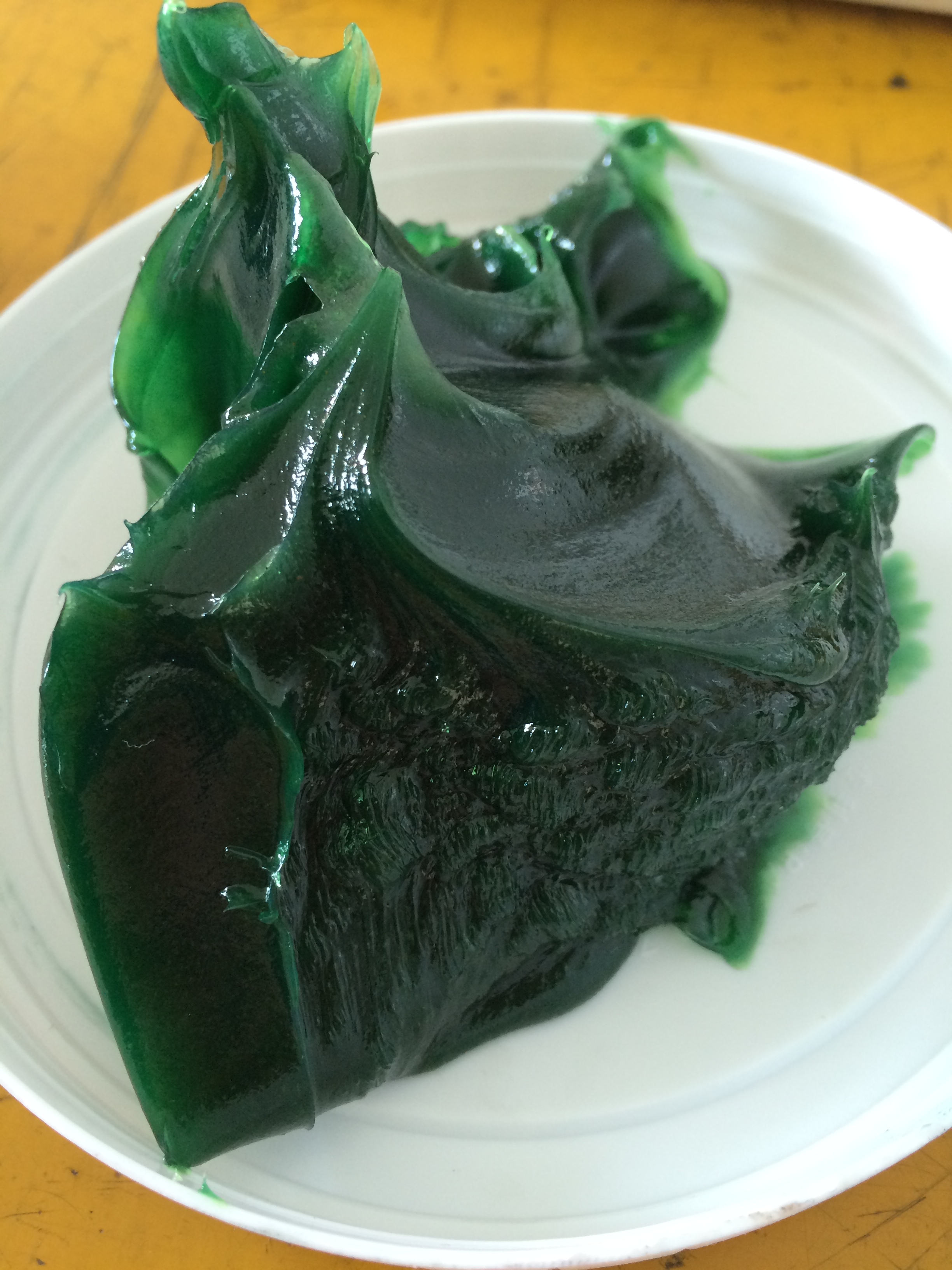
For underground duty, the significance lies in the combination rather than in any single figure. Water resistance and rust protection address the wet side of the mine; 500 kgf of extreme-pressure performance addresses impact-loaded pins and slow-speed heavy-load bearings; and a 250°C working range sits above the S (+200°C) band and close to the T (+220°C) band in DIN 51502 terms. Third-party market data points in the same direction: calcium sulfonate grease production is reported to have grown 7.7% globally in 2024, with heavy-duty industrial applications cited as the driver on the strength of superior water resistance.
Lithium Complex Grease: The Extreme-Pressure Generalist
XINGANG's Lithium Complex Grease (XG/HP, XG/HP-R) is a high-temperature extreme-pressure lithium complex grease made with a lithium complex thickener and mineral oil. Published figures are -20 to 180°C working temperature, 300°C dropping point and a 315 kgf PD value, with automobile and metallurgy listed as applicable industries. The stated benefits are an ultra-high dropping point for stable lubrication under high-temperature conditions, excellent extreme-pressure anti-wear protection for bearings and gears, wide temperature adaptability, and good oxidation resistance with a long service life. XINGANG also states that this product's dropping point is 180 to 195°C higher than that of standard MP3 grease.
The procurement context is worth noting. Industry market data for 2024 put lithium and lithium complex greases at 38.3% and 18.6% of global grease production respectively, or 56.9% combined. That is less a performance claim than an availability and familiarity claim: lithium complex grades are widely stocked and widely understood by maintenance teams. The 180°C ceiling is the practical limit. For lubrication points running at 200°C or above, polyurea or calcium sulfonate complex grades are the relevant alternatives.
Polyurea Grease: Heat Tolerance Across Metallurgical and Hot-Process Duty
XINGANG's Polyurea Grease is offered across the XG/U series - XG/U1, XG/U2, XG/U5, XG/U6, XG/U10, XG/U17 and XG/U18 - as a high-temperature polyurea grease made with a polyurea thickener and mineral or synthetic oil. The published working temperature is -20 to 200°C with a 260°C dropping point. The listed industry coverage is broad: metallurgy, chemical, textile, printing and dyeing, automobile, mine, oil field, coast defence, sugar refining, paper making and plastic. Within the range, product 6305 is used to lubricate bearings in continuous casting, rolling mills, kiln cars, gearboxes, conveyors, vibrating screens and other high-temperature, heavy-load lubrication points.
That equipment list indicates where polyurea earns its place: hot, continuously loaded rotating equipment rather than wet, impact-loaded pins. Third-party trend reporting also notes that polyurea greases are increasingly specified for EV wheel bearings and turbine yaw drives because of oxidation resistance across thermal cycles from -40°C to +180°C - a relevant signal for mines moving toward battery-electric underground fleets, where duty cycles involve frequent starts and stops.
One data boundary should be stated plainly: the polyurea data sheet does not publish a PD value, so extreme-pressure comparisons against the calcium sulfonate complex or lithium complex grades should rely on the test data for the specific grade rather than on an assumption that the families behave alike.
Matching Chemistry to the Task: A Duty-Based Framework
In a mine, the selection question is not which grease is best in general but which stresses dominate a particular point. The following framework uses the published property sets above.
| Duty point | Dominant stresses | Evaluate first | Why it fits |
|---|---|---|---|
| Loader and LHD pins, bucket linkage, slow-speed heavy-load sliding bearings | Impact load, dust, water splash | Calcium sulfonate complex grease | Extreme-pressure anti-wear performance (PD 500 kgf) combined with water resistance and rust protection |
| Conveyor, crusher and vibrating-screen bearings | Continuous heat, shock, contamination | Polyurea grease | Used on conveyors and vibrating screens in the reference scenario; -20 to 200°C working range |
| Gearboxes and spray or spot-lubricated gears near hot processes | High temperature plus extreme-pressure contact | Lithium complex grease | Formulated for extreme-pressure protection of bearings and gears, -20 to 180°C |
| Centralized lubrication systems in hot, wet plants | Pumpability, thermal stability, water washout | Calcium sulfonate complex grease | Long service cycle plus water resistance; centralized lubrication systems are listed as matched equipment for this scenario |
| Mobile and automotive fleets working underground | Mixed duty, moderate to high temperature | Lithium complex grease | Wide temperature adaptability and wide availability |
| General-purpose points below 120°C | Ordinary duty | Multipurpose lithium grease | -20 to 120°C working range with a dropping point at or above 180°C |
Two practical checks sit alongside the table. First, the grease must be deliverable by the equipment already installed: the reference scenario lists centralized lubrication systems, grease guns, gearbox spray equipment and grease injection or replacement equipment as the compatible hardware, and a grade that cannot be pumped through the system will never reach the point. Second, the selected grade should be confirmed against the equipment manufacturer's specification, because duty-based reasoning is a shortlist method, not a substitute for the original requirement.
Where the Boundaries Are
A credible selection framework states its limits as clearly as its recommendations. The following boundaries apply to the grades discussed here.
- Dropping point is a laboratory indicator, not a service temperature. A 330°C dropping point does not mean a bearing runs at 330°C indefinitely. Compare the working temperature range - not the dropping point - against the measured or specified temperature of the point.
- The highest-temperature grade is not automatically the right grade. For a slow-speed wet point, calcium sulfonate complex is a natural fit; for a hot, continuously loaded metallurgical bearing, polyurea may be the better match. Base oil type and system requirements still have to be checked.
- Substitution across thickener families is not a like-for-like swap. Before a calcium sulfonate complex or polyurea grade replaces an existing grease at a point, the grease already present, seal materials and the delivery system all need review.
- Not every grade publishes every figure. The polyurea data sheet does not include a PD value. That is a documented data gap, not a performance statement.
- Working temperature ranges describe capability, not maintenance intervals. Re-lubrication intervals follow load, speed, water ingress and service practice, and should be set point by point.
- Market size figures are directional. Published estimates for the high-temperature grease market diverge substantially between sources - approximately USD 28.04 billion for 2025 in one dataset, USD 5.82 billion for 2024 in another, and USD 26.23 billion for 2024 in a third - most likely because specialty and commodity grease definitions differ. Trend direction is more usable than any single figure.
What the Market Data Suggests About Demand
Several third-party data points frame the current supply situation for high-temperature greases.
- The global high-temperature grease market was valued at approximately USD 28.04 billion in 2025 in one industry dataset, with a projection of USD 48.71 billion by 2035.
- Asia Pacific led the 2025 market with a 38% global share, attributed to automotive manufacturing hubs.
- The automotive segment accounted for 42.6% of high-temperature grease market share in 2025, the largest application category.
- Lithium and lithium complex greases accounted for 38.3% and 18.6% of global grease production in 2024, or 56.9% combined.
- Calcium sulfonate grease production grew 7.7% globally in 2024, gaining traction in heavy-duty industrial applications on the strength of water resistance.
- Lithium prices rose by 80% to 120% between 2021 and 2023, driving manufacturers toward polyurea and calcium sulfonate alternatives for high-temperature applications in order to reduce cost volatility.
- China's finished lubricant exports rose by 10% to 260,000 metric tons in 2024, reflecting a growing reliance on overseas markets.
Read together, these signals describe a market in which chemistry choice is shaped by raw-material economics as well as by performance. For mines, that has a practical consequence: the availability and pricing of lithium-based grades can move independently of duty requirements, which makes understanding the calcium sulfonate complex and polyurea alternatives a procurement advantage rather than a technical curiosity.
Where XINGANG Sits in This Landscape
Hangzhou Xingang Lubrication Technology Co., Ltd. (XINGANG) is a national high-tech enterprise established in 1993 and headquartered in Hangzhou, Zhejiang, China, specialising in the research, development, production and sale of high-performance lubricating greases and industrial lubricants. Its manufacturing facility covers 16,000 square metres, employs approximately 60 staff, includes an R&D team of 15 engineers, and reaches an annual production capacity of 45,000 tons - a scale that matters to buyers assessing continuity of supply rather than a single purchase.
The product line relevant to this discussion includes polyurea grease, lithium grease, calcium sulfonate complex grease, high-temperature grease, automotive grease, specialty performance greases and OEM formulations. Beyond greases, the company also produces knitting machine oil, heat-setting machine oil, high-temperature chain oil, industrial gear oil, compressor oil, hydraulic oil and engine oil. Products serve industries including metallurgy, ports, automotive, machinery, textiles, printing and dyeing, paper making, sugar refining, chemicals and power generation, and have been adopted by steel enterprises including BAOWU Group, Hebei Steel Group, Shandong Steel Group, Ma Steel, Taigang Steel, Liugang Steel, Shaogang Steel, Shagang Steel and Kungang Steel.
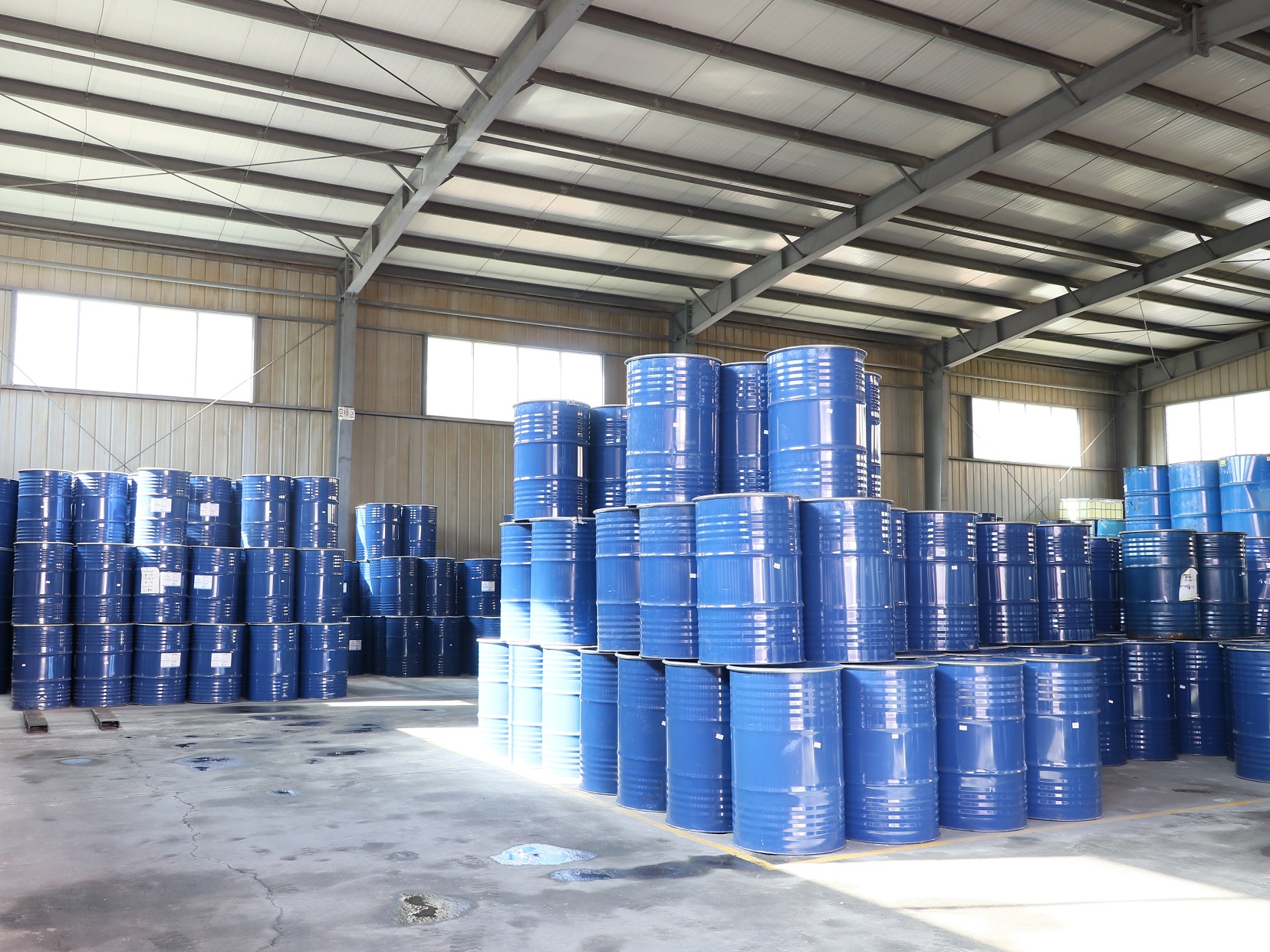
On verification, XINGANG holds ISO 9001:2008, ISO 14001:2004, OHSAS 18001:2007 and ISO 10012:2003 certifications. Its quality management system is certified to IATF 16949:2016 under certificate number 2024A3002, and that certification covers lithium grease, lithium complex grease, calcium sulfonate complex grease and polyurea grease products. The certification number for polyurea grease is 7625S1361R6S. Export business accounts for 10% of total sales, with major markets including Türkiye, South Africa, Russia, Southeast Asia and Peru - markets where mining and heavy industry are prominent, and where South Africa in particular is a major mining economy.
Field Conditions and Use Cases for Heavy-Duty and Mining-Adjacent Duty
The application scenario most relevant to mining-adjacent equipment is recorded for metallurgy and iron and steel plants, and describes conditions rather than a single machine: high temperature, heavy load, impact load, and humid or water-splash environments, with both centralized lubrication systems and manual greasing in use. The matched equipment list covers centralized lubrication systems, grease guns, gearbox spray equipment, and grease injection or replacement equipment. Operation modes include slow-speed heavy-load sliding and rolling bearings, centralized lubrication supply, gearbox spray and spot application, and manual greasing.
The stated functions are to provide anti-wear, extreme-pressure and high-temperature resistance alongside water resistance and anti-rust protection, extending grease change intervals and reducing downtime. The special requirements named for this scenario - high-temperature thermal stability, strong anti-water-washout performance, stable extreme-pressure anti-impact behaviour, low carbon residue after high-temperature ageing, and no corrosion of metal substrates - describe the wet, hot, shock-loaded points found in underground operations as well. The scenario is recorded as common in China, Russia, Turkey, Cameroon and South Africa.
Underground mining adds two constraints to this picture. Ventilation is limited, so heat leaves equipment slowly, and the floor is often wet, so water exposure is continuous rather than occasional. Both conditions push selection toward a grade whose water resistance and thermal stability are published rather than assumed.
Comparing High-Temperature Chemistries Against Conventional MP3-Type Lithium Grease
Conventional MP3-type lithium grease remains the default in many maintenance stores, which makes the comparison against it the most common question in practice.
| Dimension | Conventional MP3-type lithium grease | Lithium complex grease | Calcium sulfonate complex grease | Polyurea grease |
|---|---|---|---|---|
| Thickener system | Lithium soap | Lithium complex | Calcium sulfonate complex | Polyurea |
| Working temperature (XINGANG published) | -20 to 120°C for the multipurpose lithium grade | -20 to 180°C | -20 to 250°C | -20 to 200°C |
| Dropping point (XINGANG published) | At or above 180°C | 300°C | 330°C | 260°C |
| Thermal margin versus MP3 | Baseline | XINGANG states the dropping point is 180 to 195°C higher than standard MP3 grease | Higher published working range and dropping point | Higher published working range |
| Water resistance emphasis | General purpose | Not stated as a headline property | Stated as outstanding, with rust protection | Not stated in the same terms; wet industries such as mine and coast defence are listed |
| Extreme-pressure indicator | Not published | PD 315 kgf | PD 500 kgf | Not published |
| Typical fit | General-purpose points below 120°C | Extreme-pressure duty on bearings and gears in automotive and metallurgical settings | Wet, hot, heavy-load and impact-loaded points in mining and machinery | Hot, continuously loaded rotating equipment in metallurgical and process industries |
The limitation of this comparison should be stated explicitly: a higher dropping point or a higher PD value is a technical advantage on paper, not proof of longer service life at a specific point. Actual performance depends on base oil viscosity at operating temperature, load and speed, water ingress rate, and re-lubrication practice. A buyer who treats the table as a ranking rather than a matching exercise is likely to over-specify some points and under-protect others.
Future Outlook
Three developments are likely to shape high-temperature grease selection for mining over the next several years.
- Chemistry diversification driven by raw-material economics. The 80% to 120% lithium price movement between 2021 and 2023 already pushed manufacturers toward polyurea and calcium sulfonate alternatives, and calcium sulfonate grease production growth of 7.7% in 2024 suggests that shift is continuing rather than reversing.
- Hotter, more compact equipment. As equipment packages shrink and power density increases, heat concentration in bearings and gearboxes tends to rise, which favours grades with published thermal margins over general-purpose greases.
- Electrification of underground fleets. Battery-electric loaders and haulers change duty cycles toward more frequent start-stop operation and different thermal cycling patterns. Polyurea's oxidation resistance across thermal cycles from -40°C to +180°C, as reported in industry trend data for EV wheel bearings, is one signal of where specification interest is moving.
For buyers, the practical implication is that a grease programme should be reviewed point by point rather than refreshed by habit. Where a point is wet, hot and impact-loaded, a calcium sulfonate complex grade is a defensible first choice. Where the point is hot and continuously loaded, polyurea deserves evaluation. Where the point is extreme-pressure loaded at moderate temperature, lithium complex remains the mainstream option.
Frequently Asked Questions
What is high-temperature grease?
High-temperature grease is a lubricating grease formulated so that its thickener structure and base oil remain stable above the range served by general-purpose greases. Its capability is described by a working temperature range and a dropping point, which answer different questions. XINGANG's calcium sulfonate complex grease (XG/C4, XG/C5) is published at -20 to 250°C with a 330°C dropping point; the lithium complex grade (XG/HP, XG/HP-R) at -20 to 180°C with a 300°C dropping point; the polyurea range (XG/U series) at -20 to 200°C with a 260°C dropping point; and the multipurpose lithium grades (XG/L1, XG/L2) at -20 to 120°C with a dropping point at or above 180°C. DIN 51502 expresses the same idea through letter codes from K (+120°C) up to U (above +220°C).
Which high-temperature grease chemistry suits underground mining equipment?
There is no single answer, because underground duty stresses different points in different ways. Calcium sulfonate complex grease is the natural first evaluation where water, heat and heavy or impact loads combine, since it is published with water resistance, rust protection and a 500 kgf PD value. Lithium complex grease is relevant where extreme-pressure protection is needed on bearings and gears at temperatures up to 180°C. Polyurea grease covers hot, continuously loaded rotating equipment such as continuous casting, rolling mills, kiln cars, conveyors and vibrating screens at up to 200°C. Multipurpose lithium grease remains appropriate for general-purpose points below 120°C. The final choice should follow the specific lubrication point and the equipment manufacturer's specification.
How do working temperature range and dropping point differ in practice?
The working temperature range is the band the supplier states the grease can serve in operation. The dropping point is the temperature at which the grease structure breaks down in a laboratory test, so it indicates thermal margin rather than a service limit. A grease with a 330°C dropping point is not intended to run continuously at 330°C. When comparing a grease against a lubrication point, the working temperature range is the figure that should be matched to the measured or specified temperature, while the dropping point indicates how much thermal headroom exists above it.
What does the PD value mean on a grease data sheet?
The PD value, expressed in kgf, is an extreme-pressure indicator obtained from a four-ball weld-load type test. A higher value indicates a stronger extreme-pressure film, which is relevant where loads are heavy or impactive, such as loader pins, bucket linkage and slow-speed heavy-load bearings. It says nothing about temperature capability, and it cannot be used to compare temperature performance between grades. In the XINGANG range, the calcium sulfonate complex grease is published at a PD value of 500 kgf and the lithium complex grease at 315 kgf; the polyurea data sheet does not publish a PD value.
Can a calcium sulfonate complex grease simply replace an MP3-type lithium grease?
Not automatically. The two belong to different thickener families with different published working ranges and dropping points, and XINGANG states that its lithium complex product's dropping point is 180 to 195°C higher than that of standard MP3 grease - which describes the thermal margin, not a substitution rule. Before any replacement, the grease already present at the point, seal materials, the delivery system, and the equipment manufacturer's specification all need to be reviewed. A change of thickener family is a programme decision, not a like-for-like swap.
How can a buyer verify a high-temperature grease supplier's claims?
Three verifiable items are usually the most informative. First, the scope of the quality management certification: XINGANG's quality management system is certified to IATF 16949:2016 under certificate number 2024A3002, and that certification covers lithium grease, lithium complex grease, calcium sulfonate complex grease and polyurea grease products, with polyurea grease carrying certification number 7625S1361R6S. Second, the published environmental and measurement certifications: ISO 9001:2008, ISO 14001:2004, OHSAS 18001:2007 and ISO 10012:2003. Third, production scale and continuity: a manufacturing facility of 16,000 square metres, approximately 60 staff, an R&D team of 15 engineers and an annual production capacity of 45,000 tons. Product data sheets should be checked for the specific grade, and any figure not published - such as a PD value for the polyurea range - should be treated as a gap to be filled by test data, not as an implied result.
XINGANG's company profile, including product portfolio and manufacturing data, is available as a downloadable PDF: https://cdn.socialarks.com/sbsp/25011/common/2026/0710/Xingang%20Company%20profile.pdf. Company contact: admin@hzxg.com, +86 135-8871-1880.
Have Questions or Need More Details?
Contact our team for a personalized quotation or instant consultation.
Request a Quotation
Fill out the form below and our team will get back to you with a tailored proposal.
WhatsApp Direct Chat
Prefer to chat in real-time? Message us on WhatsApp for instant assistance & quick answers.
- Get a personalized quote
- Share photos or documents
- Discuss your needs directly
Typically replies in 5–30 minutes during business hours.