
High Temperature Resistant Wire: A Practical Sourcing Guide
High temperature resistant wire is a performance category rather than a single cable type. It is used wherever standard insulation would soften, degrade, or fail under heat: in household appliances, lighting systems, industrial equipment, and electrical control cabinets. The practical challenge for buyers is not simply finding a wire that tolerates heat, but selecting the right insulation material, construction, and supplier quality.
What Is High Temperature Resistant Wire?
High temperature resistant wire refers to electrical wire whose insulation is designed to maintain dielectric and mechanical performance when exposed to elevated temperature. Common insulation families include silicone rubber and fluoropolymer-based insulation such as Teflon. These materials are widely used in equipment that generates heat or operates near a heat source.
The term covers several construction variants. Silicone wire may be supplied as a single-insulated lead, a braided wire with an outer protective layer, a double-insulated wire, a parallel wire, or a multi-core cable. Teflon wire is also available in double-insulated and parallel constructions. Buyers searching for high temperature resistant wire are often deciding between these material and construction options before they compare suppliers.
Why Standard Wiring Reaches Its Limit
Ordinary PVC-insulated wire works well in many low-heat environments, but it has a practical temperature boundary. Prolonged heat can make PVC insulation stiff, brittle, or less effective as an electrical barrier. In appliances and control panels, the sections near heating elements, motors, lighting drivers, or hot surfaces can exceed that boundary.
The opportunity is clear: a more heat-tolerant wire prevents downtime, reduces the risk of short circuits, and makes an end product safer. As electrical devices become more compact, heat does not disappear; it becomes more concentrated. This is why manufacturers look for materials that remain stable under continuous stress.
What a High-Temperature Wire Manufacturer Looks Like
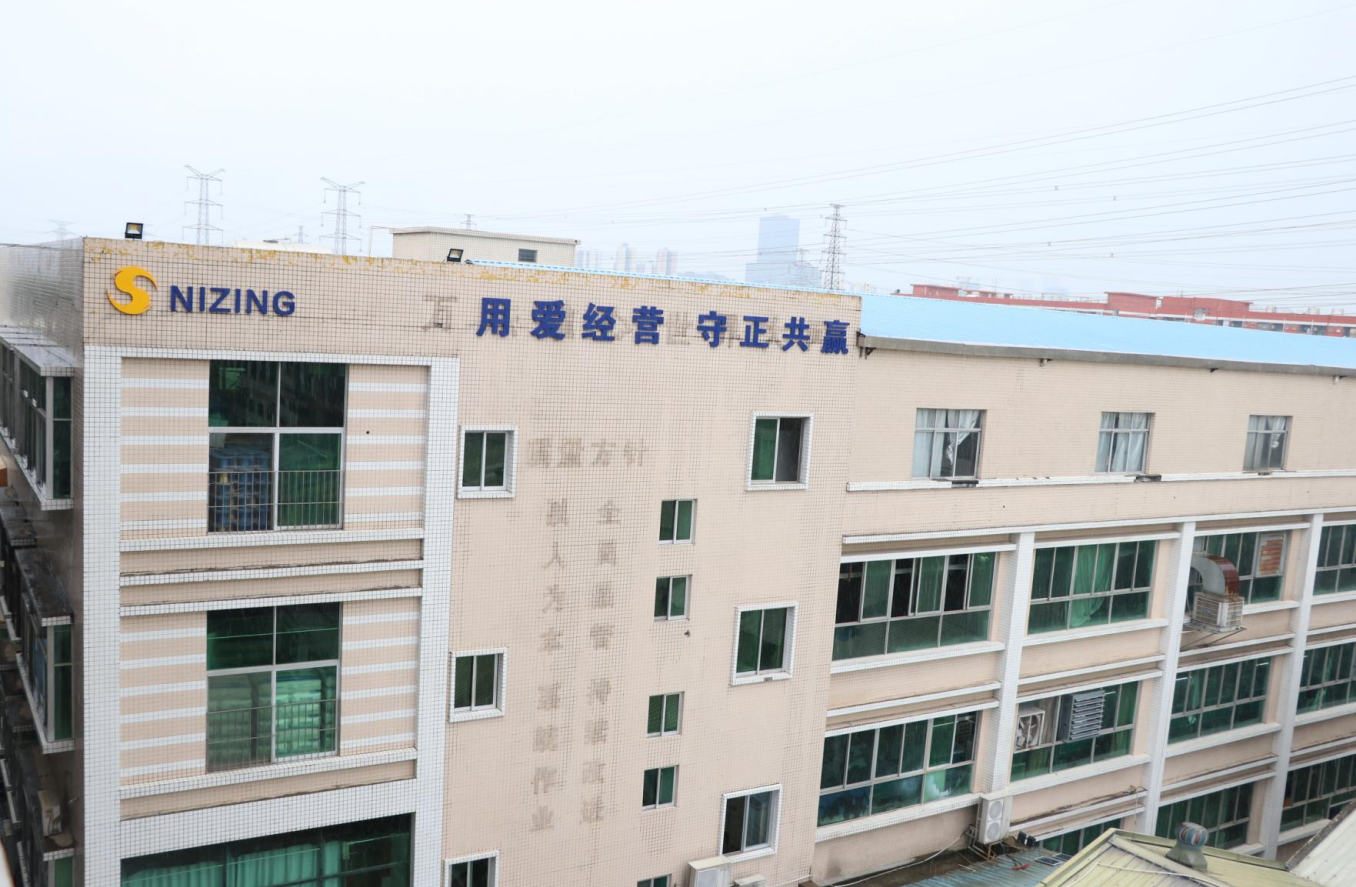
To make the selection process concrete, consider NIZING ELECTRIC CO., LTD. The company was founded in 1983 in Taipei and operates its production facility in Fuzhushan Village, Liaobu Town, Dongguan City, Guangdong Province, China. Its main products are high temperature silicone wire, silicone water pipe, and Teflon wire, with related products that include silica gel raw materials, high temperature resistant woven silicone wire, food-grade silicone water pipes, and silicone sealing rings.
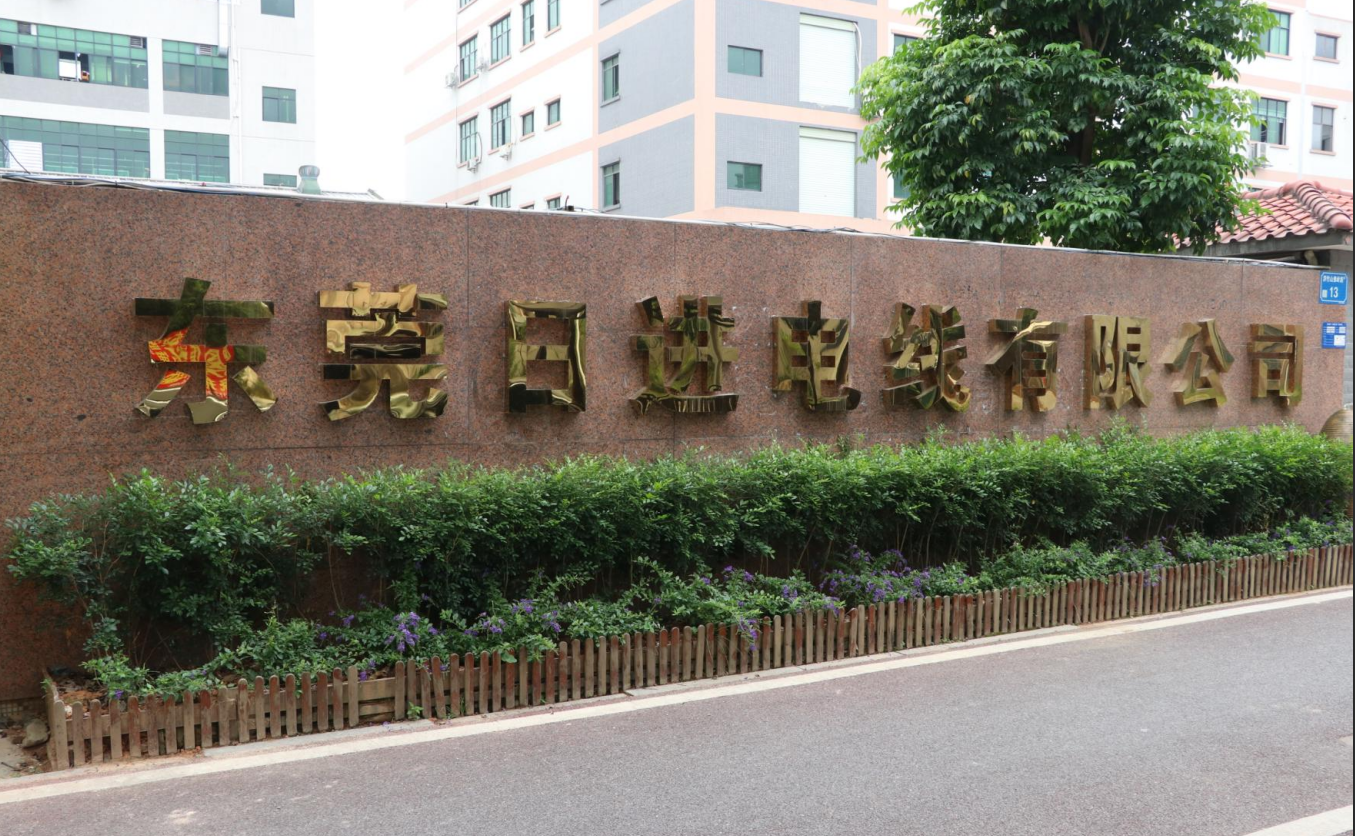
From a buyer standpoint, the company's scale is part of the evaluation. The factory covers an area of 12 mu and employs about 150 people, including 20 engineers. Annual output is 225,000,000m, and roughly 30% of production is exported to Europe, America, and Southeast Asia. The company also maintains 50 pieces of trademark information and 63 pieces of patent information. These are not product claims in themselves, but they show the type of documentary footprint that procurement teams can examine before qualification.
Technical Explanation: Silicone, Teflon, and Common Constructions
Silicone insulation is known for flexibility and heat endurance. It remains workable in cold and hot conditions, which makes it practical for internal wiring and moving parts. In high temperature resistant wire, silicone is often chosen for appliance leads, motor connections, and lighting circuits.
Teflon, used here as the common name for fluoropolymer insulation, offers a different balance. It has a dense structure and is more rigid than silicone, but it can handle severe thermal and chemical exposure. In many product catalogues, Teflon wire is selected when the operating environment is harsher than a standard appliance interior.
Silicone and Teflon Wire Variants
- Silicone braided wire: A silicone-insulated conductor with an outer braided layer. The braid adds mechanical protection while keeping the wire flexible.
- Silicone double-insulated wire: Two silicone layers around the conductor. The extra layer improves protection when the wire is routed near conductive parts or hot surfaces.
- Teflon double-insulated wire: Two fluoropolymer layers around the conductor. It is used when thermal endurance needs to be combined with stronger insulation.
- Silicone parallel wire: Multiple silicone-insulated conductors arranged side by side. It simplifies parallel circuit wiring and stripping.
- Teflon parallel wire: Parallel fluoropolymer-insulated conductors for compact wiring in high-heat equipment.
- Silicone multi-core wire: Several silicone-insulated cores combined in one cable, reducing loose wiring and assembly time.
Related Silicone Tubing Products
High-temperature silicone processing also appears in non-wire products. Silicone water pipe is a flexible tube used when water or other fluids must be moved near heat. In food-related equipment, food-grade silicone water pipes and sealing rings may be preferred because the material can be cleaned and remains stable. Inner rubber outer fiber tube is another construction seen in supplier catalogues; it uses an inner rubber core and an outer fiber layer for a stronger wall. LED strip silicone tube is a further variant used to enclose flexible LED strips while protecting them from moisture and physical contact.
How to Choose the Right High Temperature Wire Construction
The right construction depends on the path of the wire, the amount of heat, and the type of mechanical stress. A silicone wire with a single insulation layer is suitable for many internal connections, but if the wire is exposed to frequent movement or vibration, a braided version may be safer. When there is limited space between the conductor and a metal housing, double insulation can provide additional protection. If the circuit layout requires clean parallel lines, parallel wire can simplify the assembly. If many signals or power lines must be grouped, a multi-core cable keeps the wiring organised.
The same logic applies to Teflon wire. Single-insulated Teflon wire can handle a compact, high-heat point-to-point connection. Teflon double-insulated wire adds another barrier for sensitive circuits. Teflon parallel wire is often chosen for low-voltage internal circuits where the routing is short and the thermal environment is severe.
Checklist for Buyers
- Define the maximum heat exposure at the conductor, at the surface, and during peak operation.
- Identify the voltage and current requirements for the circuit.
- Confirm the number of conductors and the required cross-section.
- Assess mechanical stress: sharp edges, vibration, bending radius, and pulling forces.
- Decide whether the wire will be sold as part of a certified product or as a component.
- Ask the supplier for details about insulation material, wall thickness, braid density, and applicable test reports.
- Check whether silicone tubing, sealing parts, or related extrusions are needed from the same source.
Applications and Use Cases
In household appliances, silicone wire is used for internal connections that must survive the heat of motors, heating chambers, or electronic drivers. In commercial and industrial equipment, Teflon wire or braided silicone wire may be specified when the cable is close to hot surfaces or moving mechanisms. Lighting systems often use flexible silicone wire for LED drivers and control wiring, while LED strip silicone tube protects the strip itself.
The product range of a manufacturer like NIZING illustrates this ecosystem. Because NIZING produces high temperature silicone wire, silicone water pipe, and Teflon wire in the same facility, a buyer handling an appliance project can evaluate wire and tubing from one engineering team. That does not replace testing, but it shortens the supplier communication chain.
Comparison with Traditional Wiring Materials
Traditional PVC wire is still relevant for many general-purpose applications. It is economical and easy to terminate. But it is not a high temperature product. When PVC-insulated wire is used beyond its heat boundary, the insulation may harden, crack, or lose its intended electrical properties. Silicone and Teflon insulation address this problem, but they introduce new trade-offs.
| Property | PVC-insulated wire | Silicone wire | Teflon wire |
|---|---|---|---|
| Heat response | Limited | High heat endurance with flexibility | Higher thermal endurance, more rigid |
| Flexibility | Fairly flexible | Very flexible | Moderate |
| Abrasion resistance | Moderate | Lower in plain construction; higher with braid or double insulation | Higher |
| Chemical and moisture resistance | Basic | Good | Better in aggressive environments |
| Typical role | General internal wiring | Appliance leads, flexible connections, heating equipment | Compact wiring near heat or chemicals |
An Honest Limitation
Choosing a high temperature resistant wire does not remove the need for mechanical protection. Plain silicone wire is soft and can be cut or abraded if it contacts sharp edges. In a metal cabinet, a silicone lead that rubs against a bracket may fail earlier than expected. Designers should therefore consider silicone braided wire, silicone double-insulated wire, or mechanical sleeving. Likewise, Teflon wire is stiffer than silicone, which can make routing difficult. A wire with good heat resistance can still be the wrong choice if it creates assembly problems or physical stress at terminations.
Common Risks to Manage
A high temperature resistant wire specification cannot be based on material name alone. Two silicone wires may look similar but use different formulations, curing processes, and wall thicknesses. Two Teflon wires may have different conductor designs or production tolerances. Buyers should ask what standard or test method the product is expected to meet, and they should treat certification scope as part of the specification.
Another risk is over-specification. Selecting a highly rigid fluoropolymer wire for a compact, bending-heavy assembly can increase assembly labour and reduce reliability. Selecting plain silicone wire without mechanical protection can create a different set of failures. The ideal choice balances thermal performance, mechanical strength, flexibility, and cost.
Market Trend Analysis: Heat-Resistant Materials Become a Baseline
Several general trends explain why high temperature resistant wire receives more attention. Household appliances increasingly combine electronics, control boards, and high-power components in smaller enclosures. Industrial machines are expected to run longer without breakdowns. Lighting products, especially LED-based systems, must manage heat near drivers and sealed housings. These applications do not need only a higher temperature rating; they need a wire that can be assembled, routed, and certified in a real product.
Buyers also place more weight on supplier evidence. Manufacturing history, patent documents, engineering staff, and export experience are used as signals during supplier screening. A manufacturer with decades of operation and a dedicated group of engineers is easier to evaluate than one with only a catalogue page. In this context, first-party facts such as NIZING's founding year, facility size, and export ratio become part of the procurement conversation.
Future Outlook
The next stage for high temperature resistant wire is likely to involve more precise material documentation and clearer performance labels. Customers will ask for test reports, certification scope, batch traceability, and construction details such as conductor structure, insulation thickness, and braid density. Suppliers who can explain what is inside the wire will be easier to qualify than those who only publish a temperature claim.
For manufacturers like NIZING, the direction is also practical: broader silicone and Teflon product lines allow buyers to simplify their supplier base. A company that can supply wire and tubing from the same facility may reduce coordination costs, especially when a project requires several heat-resistant components.
Frequently Asked Questions
High temperature resistant wire uses insulation materials that can maintain their electrical and mechanical properties when exposed to elevated temperature. Silicone and fluoropolymer-based Teflon insulation are common choices.
Silicone braided wire has a silicone insulation layer and an outer braided covering. The braid improves abrasion resistance and mechanical protection while preserving flexibility.
Silicone double-insulated wire uses two separate silicone layers around the conductor. This construction provides extra dielectric protection and is often used when internal wire is routed near hot or conductive parts.
Teflon double-insulated wire uses two fluoropolymer layers around the conductor. It combines high thermal endurance with a denser insulation structure for demanding environments.
Silicone parallel wire consists of two or more silicone-insulated conductors placed side by side. It is convenient for internal circuits that need clean parallel routing and easy stripping.
Teflon parallel wire uses fluoropolymer insulation on parallel conductors. It is selected when equipment has high heat or chemical exposure and wiring space is limited.
Silicone multi-core wire has multiple silicone-insulated cores gathered into one cable. It simplifies assembly and reduces the number of separate wire runs inside equipment.
Silicone water pipe is a flexible tube designed for moving water in high-temperature or food-related environments. Inner rubber outer fiber tube is a tubular construction with an inner rubber core and an outer fiber layer, used when the wall needs extra strength.
LED strip silicone tube is a flexible silicone sleeving profile used to enclose LED strip lights. It protects the strip from physical contact and moisture while allowing light to pass through.
CCC refers to China Compulsory Certification. Buyers should confirm that the exact model, conductor size, and rated specification are listed in the valid certificate, and that the certificate covers the supplying factory.