
Home Lift Shortlist: Three Project-Matched Options for Villas, Malls and Hotels
Home lift projects rarely fail at the ordering stage. They fail earlier, when a lift type that suits one building is installed in another. A panoramic glass cabin specified for a private villa behaves differently in a building with continuous public traffic, and a deep-pit shaft lift that fits a new-build mansion often cannot be retrofitted into an existing commercial property without major civil work.
The shortlist below matches three verified options to three project types — luxury villas, existing commercial buildings, and hotels — and explains what each option actually ships with, where it fits, and where it stops being the right choice.
All three options are produced by FRANZ Intelligent Elevator Co., Ltd. (operating as Suzhou Franz Intelligent Elevator Co., Ltd.), a manufacturer located in Suzhou, Jiangsu, China, that specialises in the research, development, smart manufacturing, sales, installation and maintenance of residential elevators for villas. The same product families are also applied in public commercial spaces through the glass lift and platform lift ranges.
The three matched options are:
- FT/FJ series glass lift — matched to luxury villas with an available shaft footprint and a visible design requirement.
- FP-S/E series platform lift — matched to existing commercial buildings where civil work must stay minimal.
- FT/FJ series glass lift in a champagne-gold cabin configuration — matched to hotels that need guest-facing vertical transport.
This is not a quality ranking. It is a matching exercise, and the variables that decide the match are load, speed, shaft structure, pit requirement, and the installation and after-sales conditions attached to each option.
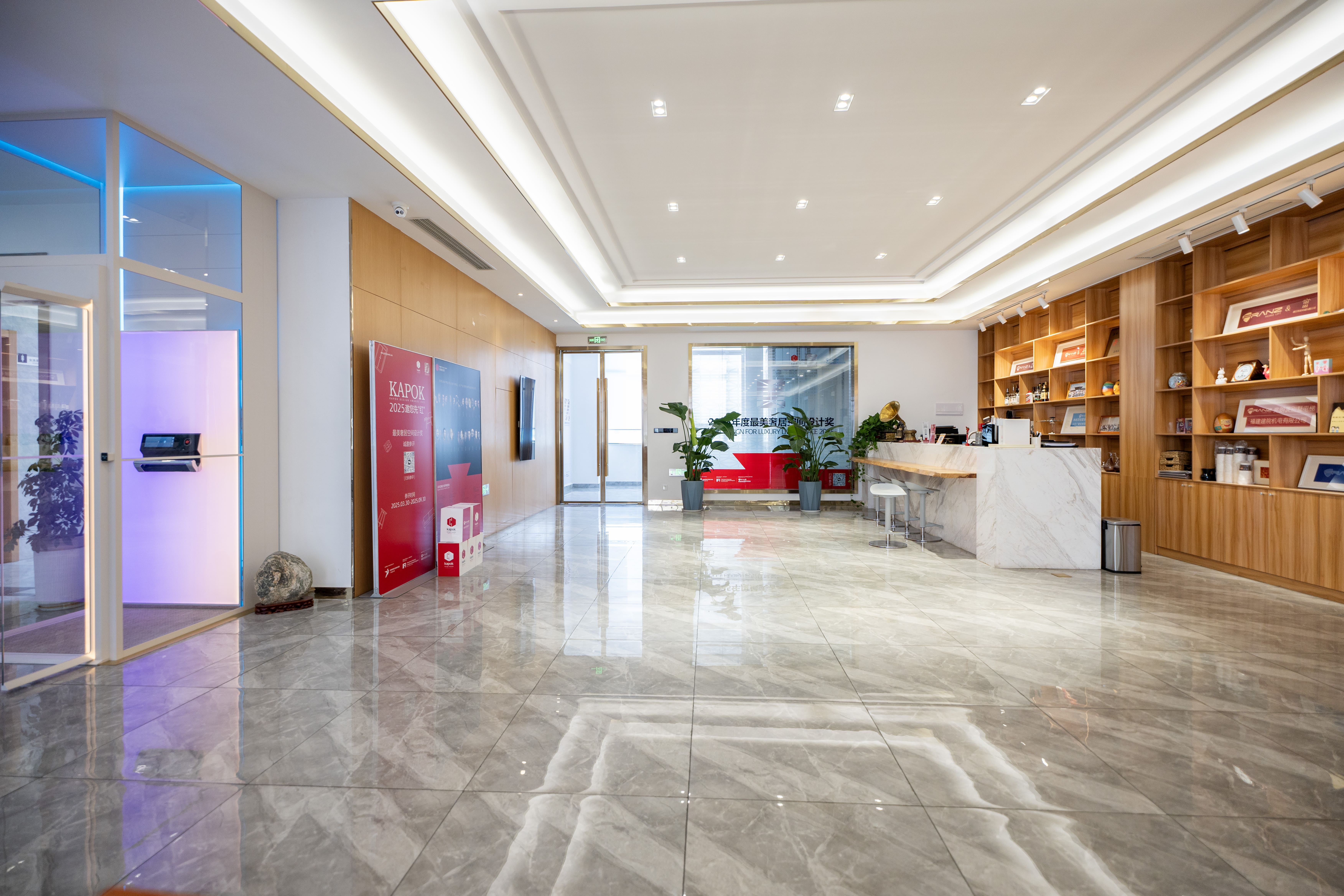
Home lift selection is a matching process: building conditions first, specification second.
Match the Building Type Before the Specification
Four site questions remove most of the ambiguity before any specification is discussed. The manufacturer's own selection guidance uses the same logic:
- Shaft condition. Is a concrete, brick, wood or bent-steel shaft already built, or does the lift need a self-supporting structure?
- Pit and headroom. How deep is the pit, and how much vertical clearance exists above the top landing?
- Usage intensity. Is this private household movement, or public daily traffic across multiple floors?
- Finishing demand. Must the lift integrate with interior design, and does it need to serve visitors or users with accessibility requirements?
The practical rule of thumb is straightforward. With a built-in concrete or brick shaft, a cabin lift is the appropriate choice. With a large shaft footprint, a glass lift is usually the strongest fit. With limited space, or in an existing house, a platform lift is generally the workable solution. For public commercial use where EU certification or barrier-free accessibility is required, the commercial platform lift is the configuration to evaluate first.
Option One: FT/FJ Glass Lift for Luxury Villas
For a villa that has an available shaft footprint and a requirement for the lift to be visible rather than concealed, the FT/FJ series glass lift is the closest match among the three options.
Verified configuration:
- Model: FT/FJ series, sightseeing glass lift
- Load capacity: 400 kg – 800 kg
- Speed: 0.4 m/s, 0.63 m/s, 1.0 m/s
- Shaft material: aluminium frame with glass shaft, plus glass cabin
- Drive mode: traction steel belt / wire rope; drum drive
- Energy consumption: 1.1 kW – 2.4 kW
- Use environment: indoor and outdoor
The aluminium-frame glass shaft is the feature that makes this option villa-specific. Because the structure is self-supporting rather than concrete-based, it can be assembled on site within a smaller civil-work envelope than a full masonry shaft, and the transparent shaft and cabin turn the lift into part of the interior rather than a hidden service element.
A comparable project reference is a new-build luxury mansion in Russia. That installation used an aluminium frame with large-area transparent glass, an adjustable frame colour temperature, and thickened explosion-proof tempered glass, combined with steel-belt traction, vibration-damping technology, and millimetre-wave radar cloud detection. The layout was designed for 270° viewing — a configuration that only works when both the shaft and the cabin are transparent.
Safety in this configuration is active rather than passive. FRANZ has developed a proprietary active millimetre-wave radar situational awareness safety system, which the company positions as a residential elevator safety standard rather than a component option.
Option Two: FP-S/E Platform Lift for Existing Commercial Buildings
Where a commercial building already exists and civil work must be kept to a minimum, the FP-S/E series platform lift is the retrofit-oriented option. Its defining capability is shaft-less and pit-free installation, with an ultra-shallow-pit, self-supporting shaft available for limited civil conditions.
Verified configuration:
- Model: FP-S/E series, sightseeing platform lift
- Load capacity: 320 kg – 400 kg
- Speed: 0.15 m/s, 0.3 m/s
- Shaft material: aluminium frame with glass shaft, plus platform
- Energy consumption: 1.1 kW
- Use environment: indoor
- Applicable industry: residential housing, public commercial space, office buildings, barrier-free accessibility engineering
A relevant project reference is an office and shopping mall commercial project in Australia. That installation used a shaft-less, pit-free platform lift with steel-belt traction, emergency levelling and an anti-pinch device, and a one-key emergency call system. The structure combined an aluminium frame with laminated tempered glass, and the car used a threshold-free flat-floor design intended for disabled access, finished in a cream-white colour scheme that matched the building's log-style staircases.
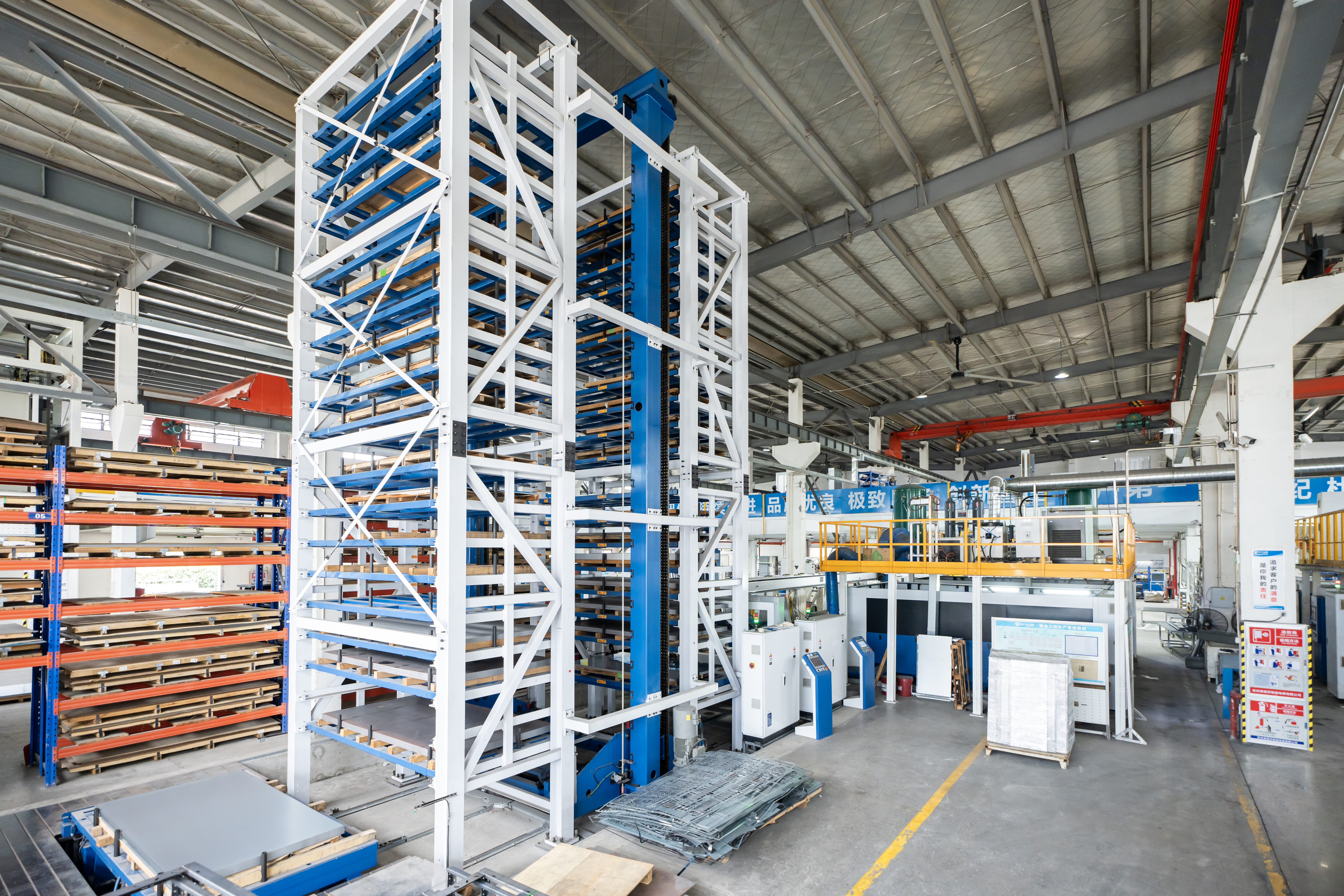
Three product families — shaft-built cabin lift, glass lift and platform lift — share one production base, which matters for long-term spare-part continuity.
Option Three: Champagne Gold Glass Lift for Hotels
For hotels, the requirement is guest-facing vertical transport rather than household movement. The champagne-gold glass lift uses the same FT/FJ glass lift platform as Option One, with the same verified core parameters — 400 kg – 800 kg load, 0.4 m/s, 0.63 m/s and 1.0 m/s speed, an aluminium frame with glass shaft and glass cabin, steel-belt or wire-rope traction, 1.1 kW – 2.4 kW energy consumption, and suitability for indoor and outdoor installation.
The difference lies in the cabin and control specification. A commercial real-estate hotel project in Indonesia used a glass lift with steel-belt traction and an automatic power-failure levelling system. The cabin was specified with a champagne-gold metal frame and glass cabin, a large-capacity car, and a touch-screen operating panel supporting multi-language switching, face recognition, and voice broadcast with an enlarged-font, high-contrast display mode. The specification was also aligned with local cultural and barrier-free requirements.
Automatic power-failure levelling is particularly relevant in hospitality settings, because it addresses the scenario where a guest is inside the car when power is interrupted — a situation that is manageable in a private home but carries reputational and operational weight in a hotel.
The Three Options Side by Side
| Option | Model | Load | Speed | Shaft structure | Best-fit project |
|---|---|---|---|---|---|
| Glass lift | FT/FJ series | 400 – 800 kg | 0.4 / 0.63 / 1.0 m/s | Aluminium frame + glass shaft + glass cabin | Luxury villas with an available shaft footprint |
| Platform lift | FP-S/E series | 320 – 400 kg | 0.15 / 0.3 m/s | Aluminium frame + glass shaft + platform | Existing commercial buildings, barrier-free access |
| Glass lift, champagne-gold cabin | FT/FJ series | 400 – 800 kg | 0.4 / 0.63 / 1.0 m/s | Aluminium frame + glass shaft + glass cabin | Hotels with guest-facing transport needs |
A fourth configuration sits outside this shortlist but is worth naming for completeness: the shaft-built cabin lift (FT/FJ series, 320 kg – 1,000 kg, 0.4 / 0.63 / 1.0 m/s, indoor use), which is the natural choice when a concrete, brick, wood or bent-steel shaft already exists and the cabin does not need to be transparent.
How These Options Compare with Traditional Drive Types
Steel-belt traction is the drive platform behind all three shortlisted options. Compared with screw-drive home lifts, traction steel-belt systems are positioned as suitable for retrofit and small-size residential projects, with operating noise reported as 15 – 25 dB lower than screw type, a cost position approximately 10% lower than screw elevators, and a simple mechanical structure requiring less maintenance.
Compared with traditional traction elevators more broadly, the design intent is the removal of oil-leakage risk, higher travelling speed for home use (reaching 0.3 – 1 m/s in home-use traction configurations), moderate purchase cost with lower maintenance cost, and lower energy consumption.
The trade-off is worth stating plainly. Traction systems bring a control and drive architecture that requires competent installation and commissioning — which is exactly why installation quality and after-sales coverage, and not the drive type alone, determine the outcome of the project.
Selection Cautions: Installation and After-Sales Boundaries
The matching decision is only half the work. Five conditions determine whether the match holds after handover.
1. Site readiness governs the installation window
If site conditions are ready, installation and commissioning take 7 – 15 working days. If civil work does not meet requirements, the duration is extended. This is the single most common source of schedule slippage across all three options.
2. Installation support is delivered in two modes
Online support runs 24/7 for remote guidance. Offline support covers on-site technical guidance or professional installation. Buyers should confirm in advance which mode applies to their market, because a glass lift and a platform lift do not place the same demands on site labour.
3. After-sales normally runs through the local distributor network
For distributors, the manufacturer provides comprehensive after-sales guidance, training, and online solutions. For end customers, the manufacturer helps locate local dealer resources so that the local dealer delivers professional, localised service. The practical implication is that a project in a market without an established dealer presence will have a longer service path.
4. Warranty and running cost should be written down, not assumed
The standard warranty covers the whole unit for 1 year. Annual maintenance cost varies by country; the standard cost in China is currently between 3,000 RMB and 5,000 RMB per year. A lift's status during operation can be tracked through the lift LOT system installed in the unit.
5. Supplier risk must be checked before the order, not after
Known risk patterns in home lift procurement include over-promising on warranty and later discontinuing spare parts or maintenance; low-quality core components and sub-standard drive units, safety systems or door assemblies; poor welding and frame workmanship that produces noise, vibration and rapid component wear; missing market-matched certifications; and OEM units without genuine original-manufacturer after-sales support.
The corresponding checks are concrete: investigate factory scale, production capacity and business history; review real project cases; visit the production site where possible; inspect sample lifts and craftsmanship details; verify certificates and test reports against the target market; and confirm spare-part supply, delivery time, remote support and on-site service terms before contract signature.
On certification specifically, Franz's commercial platform elevators received the TÜV Rheinland EU EC Whole-Machine Safety Certification in 2025, making the company one of the first domestic elevator brands to obtain this certification. Buyers should confirm that the certificate on file matches the product family and the target market of their specific project — the certification applies to commercial platform elevators, not to every product line by default.
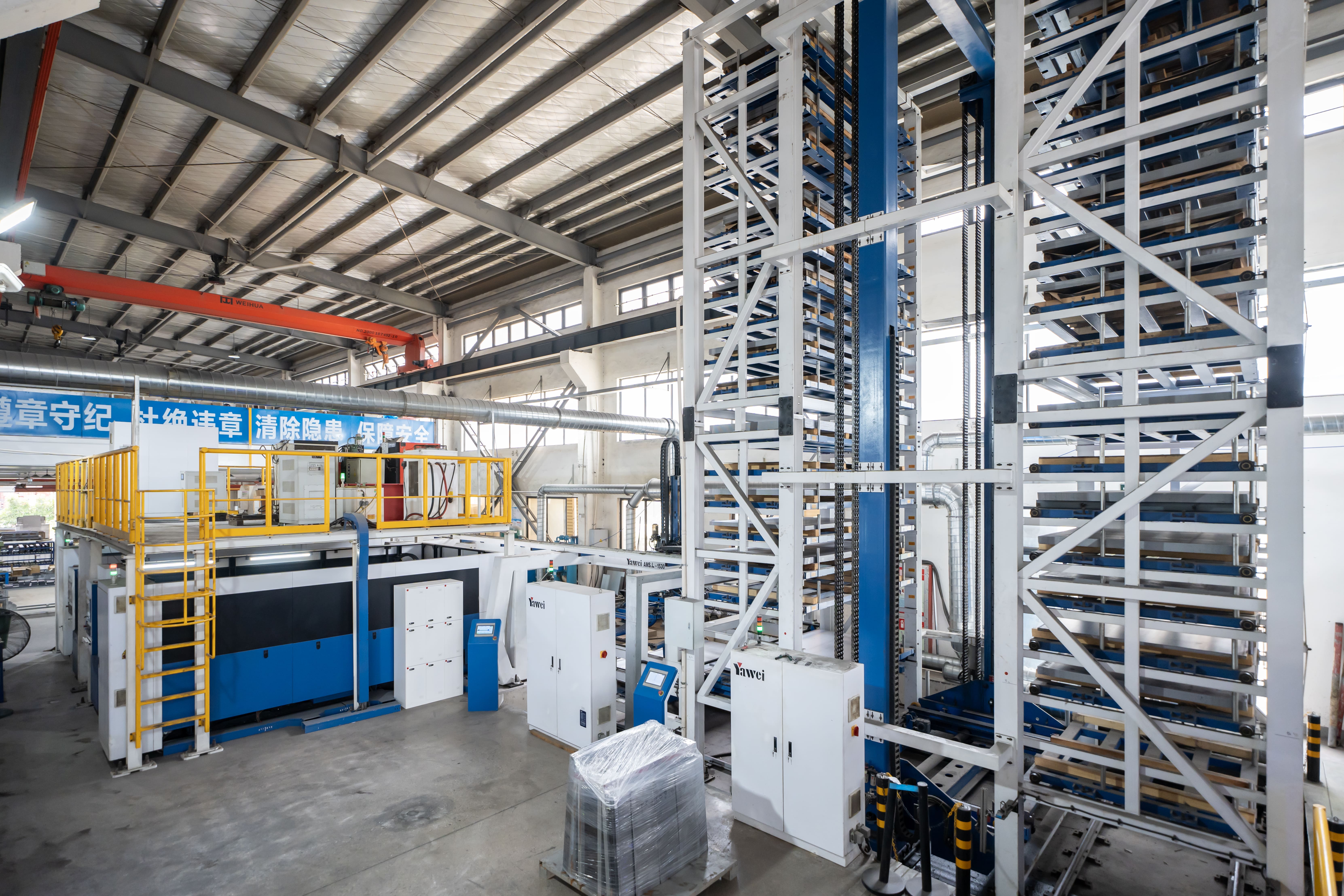
Long-term serviceability depends on production continuity, not only on the initial specification.
Market Context Behind the Shortlist
The residential segment is large enough to justify a structured selection process rather than a one-off price comparison. The global residential elevator market reached USD 54.61 billion in 2024, according to Grand View Research, and the modernization segment of the elevator market is projected to grow at a CAGR of around 7% through 2030, according to Roland Berger. Retrofit demand is precisely the demand that the FP-S/E platform lift addresses.
Regulatory harmonisation is moving in parallel. The transition from EN 81-20/50 to ISO 8100-1 and ISO 8100-2 is harmonising global elevator safety standards, with an effective date of 1 March 2026 as reported by TÜV SÜD. For buyers, this means certification checks should reference the standard set that applies in the destination market, not a generic safety claim.
For scale reference in the competitive landscape, Aritco Lift AB produced approximately 3,000 elevators per year as of late 2025 and operates in 60 countries. Franz, by comparison, states an annual production capacity of 6,000 units or more from a 30,000 m² factory with 310 employees and a 32-engineer R&D team.
Procurement Terms and Long-Term Supply
For multi-project buyers and distributors, the terms that shape a long-term relationship are as follows. The minimum order quantity for home lifts is 1 unit, which accommodates OEM and trial orders and allows a first installation to be validated before committing to volume. Delivery terms are EXW, FOB or CIF. Acceptance criteria cover pre-shipment testing and factory testing, and payment terms are TT.
Factory-direct customization shortens the customization cycle and speeds up project delivery. Franz's export ratio is 15%, with main markets in Southeast Asia, Russia, Australia, the Middle East and Africa, supported by more than 220 showrooms and operations across five continents and over 30 countries. For buyers evaluating continuity rather than a single transaction, these are the figures that matter more than any single specification.
Future Outlook
Three directions are likely to shape project matching over the next several years. First, retrofit demand will continue to favour shaft-less and pit-free solutions, because the constraint in existing buildings is civil work, not lift technology. Second, safety differentiation will move from passive devices toward active sensing, following the millimetre-wave radar approach already deployed in residential units. Third, certification alignment under ISO 8100-1 and ISO 8100-2 will gradually reduce the gap between residential and commercial product expectations, making documented compliance a baseline requirement rather than a premium feature.
For buyers, the practical consequence is that project matching will matter more, not less. A lift that is correctly matched to its building and supported by a documented supply and service chain will outperform a better-specified lift that was installed in the wrong place.
FAQ
What installation and after-sales services are included for a home lift?
Installation support is provided both online and offline. Online support runs 24/7 for remote guidance; offline support covers on-site technical guidance or professional installation. After-sales service is normally provided through the local distributor network. Distributors receive after-sales guidance and training, and end customers are helped to locate local dealer resources for professional, localised service. If site conditions are ready, installation and commissioning take 7 – 15 working days, and the duration is extended if civil work does not meet requirements.
What are the minimum order and delivery terms for a home lift project?
The minimum order quantity for home lifts is 1 unit, which accommodates OEM and trial orders. Delivery terms are EXW, FOB or CIF. Acceptance criteria cover pre-shipment testing and factory testing, and payment terms are TT. Factory-direct customization shortens the customization cycle and speeds up project delivery.
What is the standard warranty and annual maintenance cost?
The standard warranty covers the whole unit for 1 year. Annual maintenance cost varies by country; the standard cost is currently between 3,000 RMB and 5,000 RMB per year in China. Lift status during operation can be monitored through the lift LOT system installed in the unit.
How can a buyer reduce supply and after-sales risk over the life of a lift?
Common risk patterns include over-promising on warranty followed by discontinued spare parts or maintenance service; low-quality core components, sub-standard drive units, safety systems or door assemblies; poor welding and frame workmanship that causes noise, vibration and fast component wear; missing market-matched certifications; and OEM units without genuine original-manufacturer after-sales support. Mitigation steps include investigating factory scale, production capacity and business history; reviewing real project cases; visiting the production factory where possible; inspecting sample lifts for craftsmanship detail; verifying certificates and test reports against the target market; and confirming spare-part supply, delivery time, remote support and on-site service terms in writing before contract signature.
How does a home-elevator specialist differ from a commercial elevator brand over the long term?
The differences are structural rather than promotional. Commercial elevator factories concentrate resources on large-scale standardised production, so customisation costs more and takes longer, and solutions tailored to a specific scenario are harder to deliver. A specialist home elevator manufacturer, by contrast, develops customised solutions per project. On drive technology, specialist low-noise steel-belt traction differs from the screw, hydraulic or traditional wire-rope systems more common in commercial-origin offerings, which can bring oil leakage, heavy wear or noise issues. On installation, zero-pit or ultra-shallow-pit self-supporting shafts suit limited civil conditions, whereas many commercial brands require a deep pit and high overhead clearance.
Reference document: the FRANZ civil and glass lift product brochure is available for download at Franz-Civil & glass.pdf.
Have Questions or Need More Details?
Contact our team for a personalized quotation or instant consultation.
Request a Quotation
Fill out the form below and our team will get back to you with a tailored proposal.
WhatsApp Direct Chat
Prefer to chat in real-time? Message us on WhatsApp for instant assistance & quick answers.
- Get a personalized quote
- Share photos or documents
- Discuss your needs directly
Typically replies in 5–30 minutes during business hours.