
Home Medical Health Devices: Clinics, Chronic Care and OEM Gift Shortlist
Home Medical Health Devices: Clinics, Chronic Care and OEM Gift Shortlist
A working shortlist of home medical health devices — upper-arm digital blood pressure monitors, digital and infrared thermometers, wearable continuous thermometers, mesh nebulizers, finger pulse oximeters, ventilators and personal care devices — mapped to community clinic, chronic disease management, wellness, retail and customised OEM gift programmes.
Home medical health devices now carry a large share of routine measurement work. Blood pressure is checked between clinic visits, body temperature is tracked continuously in wards and care homes, oxygen saturation is spot-checked during respiratory episodes, and nebulised therapy is delivered at home rather than in hospital. For the organisations that buy these devices — community clinics, chronic disease programmes, health and wellness centres, retail chains, e-commerce sellers and promotional gift programme owners — the practical question has shifted from availability to fit.
The market data behind that shift is measurable. The global blood pressure monitoring devices market was valued at USD 4.2 billion in 2025 and is estimated to reach USD 8.6 billion by 2033, at a compound annual growth rate of 9.3% (Grand View Research). Digital blood pressure monitors accounted for approximately 48% of total revenue share in the blood pressure monitoring devices market in 2024 (Fortune Business Insights). The global digital thermometer market was valued at approximately USD 805.1 million in 2024 and is projected to reach USD 1 billion by 2030 (Research and Markets). The global pulse oximeter market is expected to reach USD 5.3 billion by 2030, at a CAGR of 6.6% from 2024 to 2030 (Grand View Research). The vibrating mesh nebulizer market was valued at USD 0.75 billion in 2024 and is expected to grow to USD 1.57 billion by 2035 (Market Research Future).
For buyers at the decision and execution stage, the constraint is no longer whether a category exists. It is whether a specific device configuration fits a specific programme. Four variables usually decide the outcome: measurement performance, materials and durability, compliance and documentation scope, and supply terms that hold across repeat orders.
Why Shortlisting Is a Fit Problem, Not a Supply Problem
Categories inside home medical health overlap heavily. A temperature programme can be served by a digital thermometer, an infrared thermometer or a wearable continuous patch, and each choice changes the labour model rather than only the reading. Blood pressure can be measured on the upper arm or the wrist, with different cuff, memory and connectivity implications. Nebulisation can be delivered by a compressor or by a mesh device with very different portability and noise characteristics.
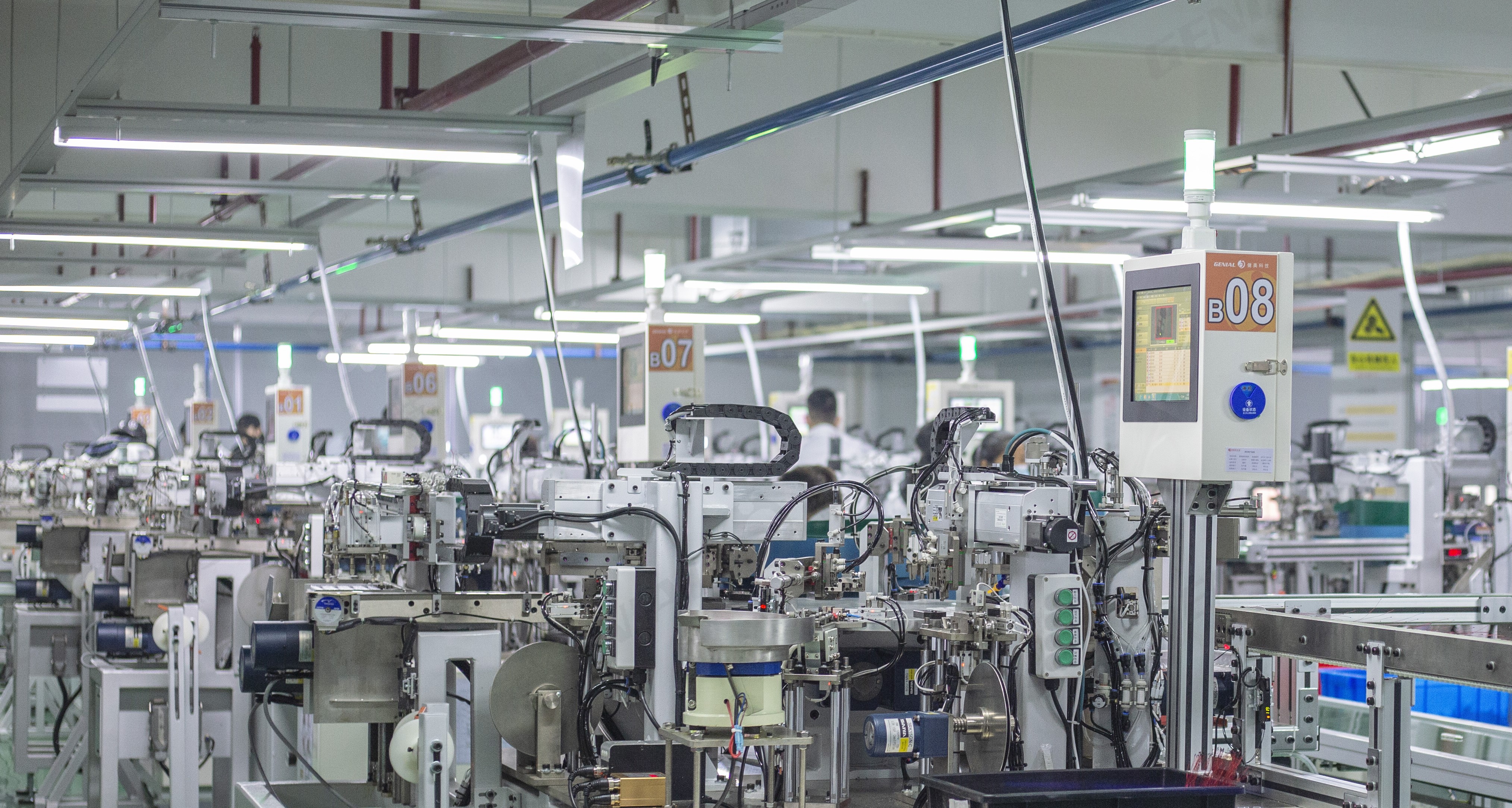
A shortlist therefore works as a filtering instrument, not as a final selection. The filtering criteria used in this reference are: what the device measures and how fast; what it is made of and how it survives repeated use; which standards and certifications apply; how the data leaves the device; and whether the supplier can repeat the order on schedule with the same specification. The device set below is drawn from the portfolio of Guangdong Genial Technology Co., Ltd. (GENIAL), a medical device manufacturer established in 2001 that operates a 45,000 sqm manufacturing base, employs 251 people including a 29-engineer R&D team, produces an annual output of 15,000,000 units, and provides one-stop OEM, ODM, JDM and OBM services.
The Shortlist at a Glance: Five Programme Types
The table maps common buying programmes to device sets and to the published figures that most often decide the selection.
| Programme type | Device set in scope | Published figures relevant to selection |
|---|---|---|
| Community clinics and primary care | Upper-arm digital blood pressure monitors (GT-732, GT-732M, GT-702BM, GT-712B / C / E, GT-702V, GT-702VA); infrared digital thermometers; finger pulse oximeters | Infrared thermometer: one-second non-contact measurement, 32 stored data sets, voice broadcast. Oximeter: 8-second measurement, 55 g total weight. |
| Chronic disease management | Home digital blood pressure monitor with APP tracking; wearable Bluetooth / continuous thermometer (T31 wireless patch); finger pulse oximeter with trend analysis; mesh nebulizer | BP monitor: 380 g, programmable automatic measurement interval, dual-mode power supply. Wearable patch: ±0.1 °C, 24-hour continuous monitoring, 180-day battery life. Nebulizer: ≤50 dB, 120 g. |
| Health and wellness centres | Hair removal device; meridian massage instrument; health manager | Hair removal device: sapphire ice-point cooling, five energy levels, 62 × 180 × 38 mm, pulse light source lifespan above 300,000 flashes, energy attenuation below 20%. |
| E-commerce and offline household retail | Digital thermometers (rigid tip, flexible tip, armpit); infrared thermometers; wrist and upper-arm blood pressure monitors; pulse oximeters; mesh nebulizers | Digital thermometer: approximately 30–60 seconds per measurement, mercury-free, storage of 9 or 32 data sets. Mesh nebulizer: particle size 1–5 μm, nebulization rate ≥0.2 ml/min. |
| Customised OEM gift programmes | Digital thermometers, wearable thermometers, blood pressure monitors and oximeters configured with client branding and packaging | Published purchasing terms include in-stock MOQ from 100 units and customised MOQ from 500 units under one schedule; delivery, inspection and payment terms are documented (see FAQ). |
The rest of this reference explains the model-level facts, the technical controls behind them, and the boundaries within which the shortlist should be applied.
Digital Blood Pressure Monitors: Model-Level Notes
Blood pressure monitoring is the largest single category in this shortlist. GENIAL's home blood pressure line is fully automatic and mercury-free: measurement requires no stethoscope, one-button operation is standard, a large-screen backlight display supports readability, and a dual-user 99-memory store allows two users to keep separate histories on one device. In the manufacturer's published comparison notes, a measurement takes approximately 30–60 seconds, against 3–5 minutes for a mercury sphygmomanometer, and no mercury recycling is required. A separate home blood pressure model in the portfolio weighs 380 g and supports APP-based long-term data tracking, a programmable automatic measurement interval and dual-mode power supply — a configuration described for home health management, chronic disease management centres, internet hospitals, telemedicine platforms, elderly care institutions, community clinics and family doctor contracted services.
| Model | Format | Published materials and specifications |
|---|---|---|
| GT-732 | Upper arm digital blood pressure monitor | ABS housing, PVC air bag, nylon strap |
| GT-732M | Upper arm digital blood pressure monitor | ABS housing, eco-friendly TPU air bag; pulse error ≤±5%; pressure range 0–290 mmHg; arm circumference 22–42 cm |
| GT-702BM | Digital blood pressure monitor positioned for wholesale and medical instrument channels | Variant specification to be confirmed per order |
| GT-712B / GT-712C / GT-712E | Digital blood pressure monitor variants | Variant specification to be confirmed per model |
| GT-702V / GT-702VA | Digital blood pressure monitor models | Variant specification to be confirmed per model |
Arm circumference is a specification that is frequently overlooked at quotation stage. The GT-732M covers 22–42 cm; programmes serving users outside that range need a different cuff or model, and this should be confirmed before mass production rather than after delivery. Where a specification is not published in the material used for this reference, the entry states that it must be confirmed, instead of estimating a value.
Thermometers, Nebulizers, Oximeters and Therapeutic Devices
Digital and infrared thermometers
The portfolio covers rigid-tip, flexible-tip and armpit digital thermometers, medical and household digital thermometers, forehead infrared thermometers and ear infrared thermometers. Digital models use a mercury-free design with direct reading of results, one-button measurement, unit switching and storage of 9 or 32 data sets; measurement takes approximately 30–60 seconds, against 3–5 minutes for a mercury thermometer, and no mercury recycling is needed. Infrared models measure in one second without skin contact, store 32 data sets and include voice broadcast — relevant where throughput matters, such as clinics, pharmacies, schools, kindergartens, industrial parks, transport hubs, communities and care institutions. Clinical electronic thermometers must comply with ISO 80601-2-56:2017 for basic safety and essential performance.
Wearable and continuous thermometers
Continuous monitoring forms a distinct sub-category. The T31 wireless temperature patch records ±0.1 °C, monitors continuously for 24 hours, runs for 180 days on a single battery, uploads data automatically, triggers abnormal alarms, generates temperature reports automatically and shares data remotely through the cloud. Against manual temperature rounds, continuous monitoring changes both data density and the labour model; the device is described for hospital central monitoring stations, ward management, fever clinics, isolation wards, elderly care institutions, rehabilitation centres, large medical groups and smart hospital construction projects.
Mesh nebulizers
Mesh micro-atomization keeps the device portable: operating noise is ≤50 dB, total weight is 120 g, particle size is 1–5 μm and nebulization rate is ≥0.2 ml/min. Typical programmes include paediatric respiratory therapy, home nebulization, community clinics, paediatric clinics, elderly care institutions, travel use, school infirmaries and primary medical institutions, where a quiet, lightweight device is easier to place in a home routine.
Finger pulse oximeters
The oximeter in this portfolio measures in 8 seconds and weighs 55 g. Beyond spot readings, it transmits via Bluetooth for health data management, historical trend analysis and remote report sharing. Fingertip measurement is one-button, with automatic shutdown after 8 seconds without operation, battery life display, brightness adjustment and four-direction display adjustment. Programmes include home monitoring, elderly care institutions, hospital wards, primary medical institutions, telemedicine platforms, chronic disease management centres, internet hospitals and family doctor services.
Ventilators and sleep apnea therapy devices
The sleep apnea therapy device offers six treatment modes — CPAP, APAP, S, T, ST and VGPS — and incorporates 12 patented technologies. Operating noise is ≤35 dB, a level chosen so that night-time use does not disturb sleep. The unit has a 4.3-inch colour display, weighs 1.45 kg, integrates a standard humidifier with six-level heating and humidification adjustment, and supports Bluetooth cloud data storage with APP-based real-time monitoring. Consumables are universally available, and the integrated humidifier removes an additional purchase item. Settings described for this device include sleep respiratory rehabilitation management, elderly care institutions, community medical centres, respiratory departments, rehabilitation centres, internet hospitals, home long-term care and telehealth management.
Hair removal and personal care devices
The hair removal device uses sapphire ice-point cooling with five selectable energy levels in an integrated portable body measuring 62 × 180 × 38 mm, and is described as a Class II medical device compliant product with one-button hair removal. The pulse light source lifespan exceeds 300,000 flashes, with energy attenuation below 20% across the lifecycle. Applications include home beauty care, personal care, beauty salons, skin management centres, beauty chain organisations, e-commerce retail and gift channels. The wider personal care line also includes a health manager and a meridian massage instrument.
Technical Basis: Accuracy, EMC, Water Resistance and Production Control
Four technical controls determine whether a device survives a multi-year programme.
Measurement accuracy. Published controls combine multi-point calibration and batch validation with clinical validation and algorithm calibration. They rest on a quality management system and professional laboratories established in accordance with GMP and ISO 13485, fully automated production lines with in-house laboratories, a stable supplier base with rigorous on-site audits every year, and 100% full inspection throughout the production process.
Electromagnetic compatibility. Medical electrical equipment, including home health devices, must meet IEC 60601-1-2 for electromagnetic compatibility. This matters for devices placed alongside other household or clinical electronics, where unstable performance would otherwise appear as an accuracy complaint.
Durability and connectivity. Water resistance is handled by IP-rated design verified through IPX7 waterproof testing in the company's laboratory. On the connectivity side, the IT process department runs Bluetooth compatibility testing across different mobile phone models and coverage testing of the APP on mainstream device models — the two practical failure points for app-linked devices in the field.
Batch stability and process control. Batch stability is managed through statistical process control, supported by fixed automated production lines and 100% full inspection. The manufacturing workflow follows a documented sequence: customer demand assessment, internal project approval, product development, sample approval, exclusive model registration, and mass production with incoming material inspection, full-process inspection and final inspection.
Programme Fit in Practice
Community clinics and primary care
Here the priorities are throughput and hygiene. A non-contact infrared thermometer measuring in one second reduces contact at the entrance point, and an 8-second oximeter reading fits a triage station. For blood pressure, upper-arm models are the standard format, and the GT-732M's 22–42 cm arm circumference range covers most adult users; the GT-702BM is positioned for wholesale and medical instrument channels where devices are resold or redistributed to clinics.
Chronic disease management
Chronic programmes buy data continuity rather than a single reading. Devices with APP-based long-term blood pressure records, programmable measurement intervals, and continuous temperature monitoring with automatic upload and cloud sharing support remote follow-up between appointments. The oximeter's remote report sharing fits the same remote-management logic for respiratory patients, and the mesh nebulizer keeps therapy at home rather than in a clinic.
Health and wellness centres
Service-based businesses select on user experience and repeat visits. The relevant entries are the portable hair removal device with sapphire ice-point cooling and five energy levels, the meridian massage instrument and the health manager.
E-commerce and offline household retail
Retail selection favours simple, self-explanatory devices with a low service burden: digital thermometers in rigid-tip, flexible-tip and armpit formats, infrared thermometers, oximeters and nebulizers. Portable formats such as the 55 g oximeter and the 120 g nebulizer ship and store efficiently, and mercury-free thermometers avoid the handling issues associated with legacy mercury products.
Customised OEM gift programmes
Gift programmes — insurance promotional gifts, corporate wellness gifts and channel partner gifts — select devices that are immediately useful, safe to distribute and customisable. Digital thermometers, wearable thermometers, blood pressure monitors and oximeters are the customary entries. Customisation runs through OEM, ODM, JDM and OBM models, with the published purchasing terms described in the FAQ applying to volume and scheduling.
Market Trend: Digital Formats and Connected Monitoring
Two directions are visible in the verified data. First, digital formats dominate measurement categories: digital blood pressure monitors accounted for approximately 48% of total revenue share in the blood pressure monitoring devices market in 2024 (Fortune Business Insights). Second, respiratory and monitoring categories continue to expand — the vibrating mesh nebulizer market is expected to grow from USD 0.75 billion in 2024 to USD 1.57 billion by 2035 (Market Research Future), and the pulse oximeter market is expected to reach USD 5.3 billion by 2030 at a CAGR of 6.6% from 2024 to 2030 (Grand View Research).
Competitively, Omron Healthcare remains a dominant competitor in the global nebulizer and blood pressure monitor markets as of 2024 (iData Research). New programmes are therefore usually evaluated against an established brand baseline rather than in an empty field, which raises the weight given to documentation, customisation and supply reliability as differentiators.
The operational consequence is that device selection is increasingly programme-based. Buyers now specify connectivity, data handling, compliance documentation and supply terms together, rather than selecting device by device and negotiating terms afterwards.
Comparison with Traditional Solutions — and the Limits of This Shortlist
The comparison below reflects device-level differences published by the manufacturer. It describes measurement and handling characteristics, not clinical outcomes.
| Application | Traditional alternative | Published difference |
|---|---|---|
| Home blood pressure measurement | Mercury sphygmomanometer | Fully automatic, mercury-free digital measurement requiring no stethoscope and no professional training; one-button operation, dual-user 99-memory storage, large-screen backlight display; approximately 30–60 seconds per measurement versus 3–5 minutes |
| Temperature measurement | Mercury thermometer | Mercury-free digital design with direct reading, one-button measurement, unit switching and storage of 9 or 32 data sets; approximately 30–60 seconds versus 3–5 minutes; no mercury recycling |
| Ward and care-home temperature monitoring | Scheduled manual measurement rounds | Continuous monitoring with automatic upload, abnormal alarms and cloud-side remote sharing, replacing measurement at fixed intervals |
| Oxygen saturation recording | Conventional pulse oximeter | Bluetooth transmission with historical trend analysis and remote report sharing; no dedicated personnel required for recording |
Boundaries buyers should treat as decision criteria.
- Monitoring, not diagnosis. These are home and community monitoring devices. Readings support clinical judgement; they do not replace it, and programmes should define how readings are escalated.
- Cuff and user fit. The GT-732M covers an arm circumference of 22–42 cm. Programmes serving users outside that range require a different cuff or model, confirmed before mass production.
- Compliance is market-specific. System certifications include ISO 13485, ISO 45001, ISO 14001, BSCI and GB/T29490; product certifications include CE, FDA, NMPA, CB, FCC and RoHS. Product and trademark registration has been completed in 29 countries, and products are sold to 117 countries and regions. A CE or FDA file does not by itself authorise distribution in every destination market; local registration work remains necessary and is supported by the manufacturer's registration team.
- Customisation thresholds and lead times. Under one published schedule, in-stock MOQ starts at 100 units and customised MOQ at 500 units; other schedules list 1,000 / 2,000 units and 3,000 / 10,000 units. Samples take about 3 days, small orders 3–7 days and mass orders 10–15 days; JDM/ODM modifications without new tooling take 7–15 days, while new mould development takes 45–50 days. Gift programmes should plan backwards from the campaign date.
- Warranty conditions. The 12-month warranty is provided on presentation of a valid proof of purchase.
- App dependency. App-linked devices depend on phone compatibility, which is why Bluetooth compatibility testing across mobile phone models and APP coverage testing on mainstream device models are part of the release process.
Future Outlook
Three developments are likely to shape the next buying cycle. Connected devices will continue to move from optional to expected in chronic care and elderly care programmes, which raises the weight given to cloud data handling, remote sharing and phone compatibility. Compliance documentation will keep moving from supplier courtesy to procurement requirement, favouring manufacturers able to support registration across multiple destination markets. And gift and promotional programmes will keep widening the definition of a home medical device buyer, because these programmes select on usability, safety and customisation rather than on clinical specification alone.
For the categories in this shortlist, the practical effect is that the specification sheet and the purchasing terms now carry similar weight. A device that fits a clinic's measurement needs but cannot be supplied on schedule, or documented for the destination market, is not a shortlisted option.
Frequently Asked Questions
What after-sales support is included with these home medical devices?
After-sales services include a free 12-month warranty upon presentation of a valid proof of purchase, certification documentation support, technical consultation, and a manufacturer-managed return and replacement policy. Joint product development technical support is also available.
What are typical production lead times and monthly capacity?
Monthly production capacity ranges from 60,000 to 6,000,000 units depending on product type and production model, and some specific projects run at a capacity of 300,000 units per month. Typical lead times are 3 days for samples, 3–7 days for small orders and 10–15 days for mass orders. For JDM/ODM projects, minor modifications without new tooling take 7–15 days, while new mould development takes 45–50 days. In-stock products ship within 48 hours, and replenishment orders require 5–7 days.
What are the minimum order quantities and purchasing terms?
Published purchasing schedules include MOQ levels of 100 units in-stock and 500 units customised under one schedule, 1,000 units and 2,000 units under a second schedule, and 3,000 units and 10,000 units under a third. Delivery terms cover sea freight, air freight, express delivery and railway transportation, with FOB, CIF, DDU and DDP arrangements, full container load, less than container load and overseas warehouse options. Acceptance criteria include inspection of bulk goods against samples, factory inspection, third-party inspection and video inspection. Payment terms are T/T and letter of credit.
How is quality controlled across repeat orders?
Quality control follows a defined process: customer demand assessment, internal project approval, product development, sample approval, exclusive model registration, and mass production with incoming material inspection, full-process inspection and final inspection. Batch stability is managed through statistical process control, multi-point calibration and batch validation, supported by a quality management system and professional laboratories operating in accordance with GMP and ISO 13485, annual on-site supplier audits, and 100% full inspection during production.
Which certifications and registrations support international market entry?
The manufacturer holds system certifications including ISO 13485, ISO 45001, ISO 14001, BSCI and GB/T29490, and product certifications including CE, FDA, NMPA, CB, FCC and RoHS. Product and trademark registration has been completed in 29 countries, and products are sold to 117 countries and regions. Registration support for further destination markets is provided by the manufacturer's registration team.
Do these devices support app and cloud data management for chronic care programmes?
Several devices do. A home blood pressure monitor in the portfolio supports APP-based long-term data tracking with a programmable automatic measurement interval and dual-mode power supply. The T31 wireless temperature patch records ±0.1 °C, monitors continuously for 24 hours, uploads data automatically and supports cloud-side remote sharing and abnormal alarms. The finger pulse oximeter transmits via Bluetooth for historical trend analysis and remote report sharing. Connectivity is validated through Bluetooth compatibility testing across mobile phone models and APP coverage testing on mainstream device models.
Reference document: the GENIAL 2026 English product brochure is publicly available at https://cdn.socialarks.com/sbsp/24924/common/2026/0601/2026.3%E8%8B%B1%E6%96%87%E7%94%BB%E5%86%8C.pdf