
Hoodie Manufacturing Capabilities: A Technical Breakdown for B2B Apparel Sourcing

Selecting a hoodie manufacturer requires understanding the interplay between fabric construction, decoration techniques, and production scale. For brands evaluating suppliers in 2026, the ability to produce heavyweight fabrics, execute specialty prints, and manage flexible order volumes has become a baseline requirement rather than a differentiator.
Problem / Opportunity
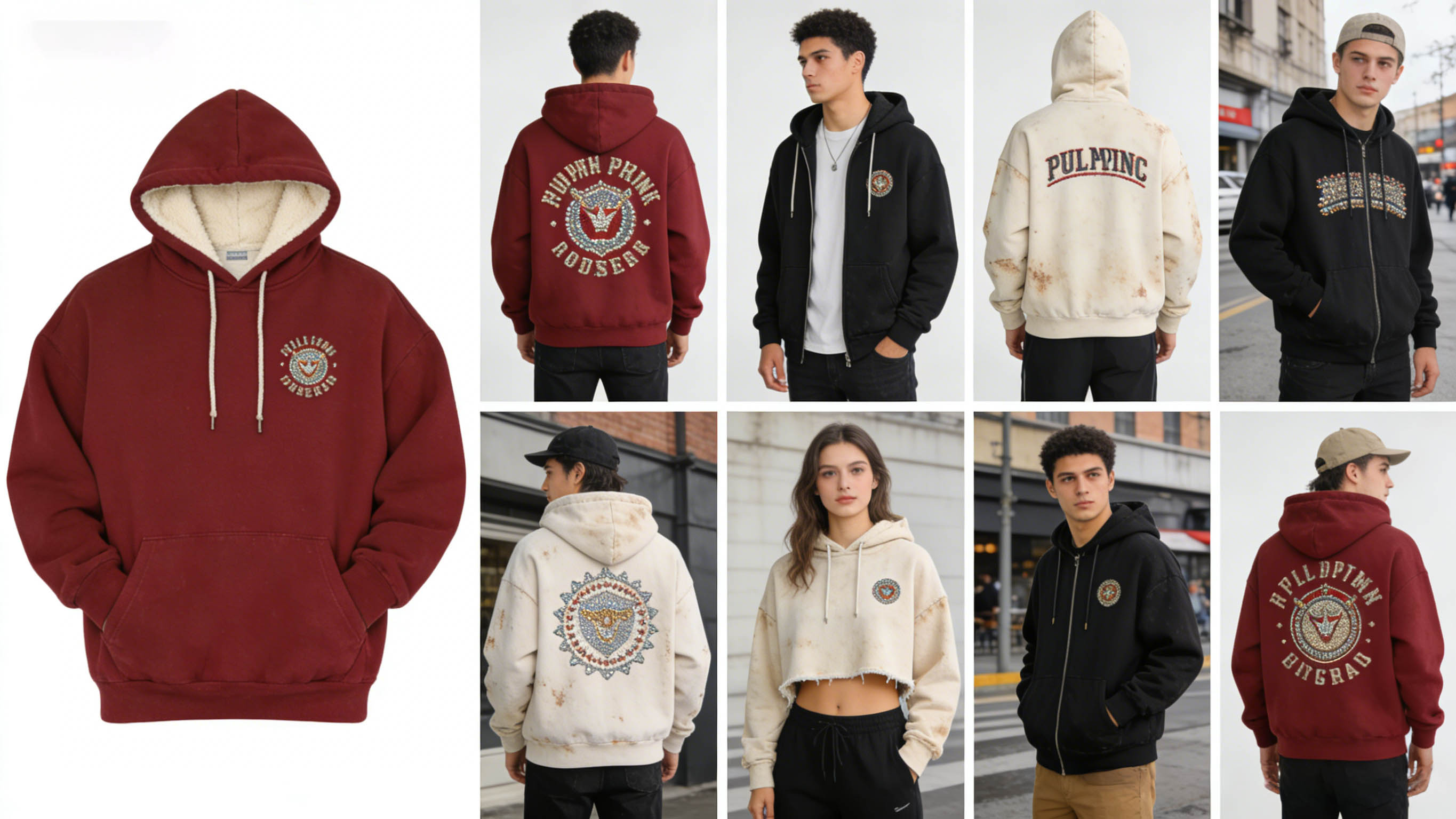
The global hoodies and sweatshirts market was valued at USD 209.26 billion in 2025 and is projected to reach USD 303.62 billion by 2031 (Mordor Intelligence). Pullover hoodies alone accounted for 38.4% of product type share in 2025, driven by global streetwear and athleisure trends (Dataintelo). As buyer demand shifts toward heavier fabrics (350–450+ GSM) and custom decoration such as puff print, 3D puff embroidery, and rhinestone application, procurement teams must vet manufacturers not only for price but for technical capability across multiple production stages.
Brand Solution: Qianshiwear
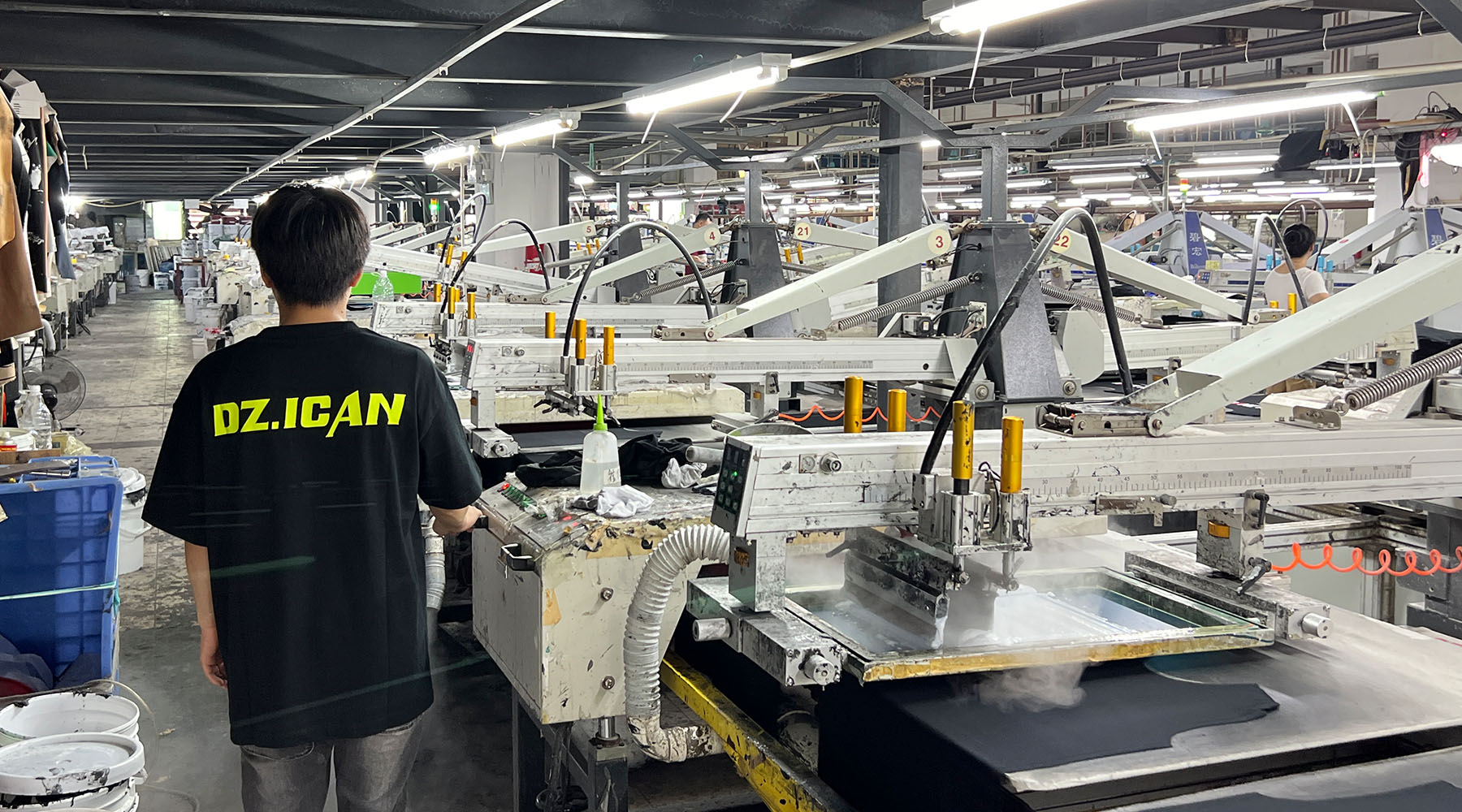
Guangzhou Qianshi Trading Co. LTD (brand: Qianshiwear) is a garment manufacturer based in Guangzhou, China, with over 15 years of expertise in apparel production. The company specializes in OEM (Original Equipment Manufacturing) and ODM (Original Design Manufacturing) services, offering full-range custom apparel solutions from fabric sourcing to custom packaging. Its manufacturing facility includes dedicated areas for sewing (600 ㎡), warehousing (700 ㎡), finishing (1500 ㎡), and packing (200 ㎡). The total workforce comprises approximately 80–100 sales and administrative staff and 200–250 production line workers. With an annual output of 3,000,000 units and a 15-person R&D team, Qianshiwear supplies custom hoodies, sweatshirts, tracksuits, and related apparel to markets including the United States, United Kingdom, Australia, Germany, France, Italy, and other EU/AU/Middle Eastern countries.
Technical Explanation
Qianshiwear offers four distinct product models that cover the most common hoodie categories B2B buyers require:
- Custom Blank Hoodie (Model RTS003): Fabric weight options range from 280–350 GSM (mid-weight) to 450–500+ GSM (ultra-heavyweight). Fabric composition includes 100% cotton or cotton-polyester blends such as 80/20 and 70/30. Hood construction includes double-layer, single-layer, and hood with drawstring. Pocket styles include kangaroo pocket, side welt pockets, zip pockets, and patch pockets. Suitable for pullover, full-zip, oversized, and cropped fits.
- Custom Screen Print Hoodie (Model RTS005): Available in mid-weight (280–350 GSM) and heavyweight (350–450 GSM) fabrics. Screen print types include plastisol ink, water-based ink, discharge ink, puff print (raised texture), flock print (velvety), and foil print (metallic). Curing is heat-set for durability. Print placement can be chest, full front, full back, sleeve, hood, or all-over panel by panel.
- Custom Embroidery Hoodie (Model RTS004): Fabric weight options 280–350 GSM (mid-weight) to 450–500+ GSM (ultra-heavyweight). Appliqué types include flat appliqué, 3D puff appliqué, chenille appliqué, woven patch appliqué, and leather patch appliqué. Embroidery types include flat embroidery, 3D puff embroidery, satin stitch, and chain stitch. Placement covers chest, sleeves, back, hood, and pocket.
- Custom Tracksuit (Model RTS002): A two-piece sportswear set (pullover or full-zip jacket + jogger pants) with fabric weight from 280–500+ GSM. Features elastic waistband, tapered leg, side stripe options, and various printing/embroidery techniques.
Application / Use-Case Scenarios
These product lines are applied across six major industries: Streetwear & Urban Fashion, Athleisure & Sportswear, Corporate Merchandise & Promotional Apparel, E-commerce Fashion Brands, Music & Entertainment Merchandise, and University & School Spirit Wear. Typical project types include seasonal streetwear collection launches, corporate branded hoodies for employee/uniform use, university alumni merchandise, music tour artist collections, and small-batch private label for boutique fashion labels. The products are worn in cold to moderate climates (0°C–20°C) and withstand regular machine washing. Qianshiwear’s special requirements include fabric weight options, color fastness ≥ Grade 4, shrinkage ≤ 5%, anti-pilling ≥ Grade 3, and low MOQ starting from 50 pieces per style.
Market Trend Analysis
According to Grand View Research, the global custom hoodie printing market is growing at a CAGR of 9.9% (2024–2030), with high demand for 3D puff embroidery and eco-friendly water-based inks China’s apparel exports reached USD 159.14 billion in 2024 (General Administration of Customs), reinforcing the country's role as a primary sourcing hub. Within this context, manufacturers that can combine heavy-weight fabric production (350–450+ GSM French Terry) with multiple decoration capabilities—screen print, embroidery, appliqué, puff print—are better positioned to serve premium streetwear and branded apparel segments.
Comparison with Traditional Solutions
Traditional low-cost hoodie factories often limit buyers to lightweight fabrics (under 280 GSM) and basic plastisol screen printing. Qianshiwear, by contrast, offers robust material options (including organic cotton fleece and recycled polyester fleece) and advanced techniques such as 3D puff embroidery, foil print, and garment washes (enzyme, stone, snow, vintage). One honest limitation: Producing ultra-heavyweight hoodies (450–500+ GSM) with intricate decorative work typically requires longer lead times and higher unit costs compared to standard lightweight production. Buyers with tight budgets or accelerated timelines may need to compromise on weight or decoration complexity.
Future Outlook
As the market splits between mass-market basics and premium decorated goods, manufacturers that invest in both heavy-fabric sourcing and multi-technique decoration lines will likely capture a larger share of branded apparel sourcing. The shift toward sustainable materials (GOTS organic cotton, GRS recycled polyester) and wash effects (garment dye, pigment dye) will further segment the manufacturer landscape. Buyers should prioritize partners with proven in-house capabilities across fabric sourcing, cutting, sewing, printing, embroidery, and finishing.
Download Qianshiwear Corporate Brochure (PDF)
FAQ
What is the typical minimum order quantity (MOQ) for custom hoodies?
The low MOQ starts from 50 pieces per style, enabling small-batch private label and market testing.
What fabric weights and compositions are available?
Fabric weight options range from 280–350 GSM (mid-weight) to 450–500+ GSM (ultra-heavyweight). Common compositions include 100% cotton, cotton-polyester blends (80/20, 70/30), brushed fleece, and French terry.
What types of printing techniques does Qianshiwear offer?
Techniques include screen print (plastisol, water-based, discharge), puff print, flock print, foil print, glow-in-the-dark ink, digital DTG, sublimation, and heat transfer. Embroidery types include flat, 3D puff, chenille, and appliqué.
Which industries are typical buyers of Qianshiwear hoodies?
Industries include streetwear & urban fashion, athleisure & sportswear, corporate merchandise & promotional apparel, e-commerce fashion brands, music & entertainment merchandise, and university & school spirit wear.
Can Qianshiwear handle custom hoodie tech pack development?
Yes, the company provides full OEM/ODM services, including custom hoodie tech pack development, from fabric sourcing to design, sampling, production, and packaging.
What quality control standards are applied?
Qianshiwear enforces AQL 2.5 quality control, color fastness ≥ Grade 4, shrinkage ≤ 5%, and anti-pilling rating ≥ Grade 3.
For business inquiries: info at sales@qianshiwear.com / Phone/WhatsApp: +86 18148939572
Have Questions or Need More Details?
Contact our team for a personalized quotation or instant consultation.
Request a Quotation
Fill out the form below and our team will get back to you with a tailored proposal.
WhatsApp Direct Chat
Prefer to chat in real-time? Message us on WhatsApp for instant assistance & quick answers.
- Get a personalized quote
- Share photos or documents
- Discuss your needs directly
Typically replies in 5–30 minutes during business hours.