
Hotel Textile Supplier Selection Guide: A Strategic Framework for Procurement Professionals
The Definitive Guide to Selecting a Hotel Textile Supplier in 2026
Procuring high-quality, durable, and compliant textiles is a critical yet complex task for hotel procurement managers, project developers, and interior designers. The global hospitality textile market, valued at an estimated $15.2 billion in 2025, is evolving rapidly with trends in sustainability, functionality, and customization. This guide provides a structured, multi-dimensional framework to help you identify, evaluate, and partner with the right supplier for your specific project needs, ensuring value, compliance, and guest satisfaction.

Phase 1: Defining Your Requirements & Project Scope
Before initiating supplier searches, a clear internal brief is paramount. Ambiguity here leads to mismatched quotes, delayed timelines, and cost overruns.
1.1 Core Product Specifications
- Product Categories: Clearly list required items: hotel bedding (sheets, duvet covers, pillowcases), bath linens, table linens, uniforms, or curtains.
- Fabric Composition & Quality: Define thread count (e.g., 200-400 for standard, 600+ for luxury), fabric type (e.g., long-staple cotton, linen, bamboo, microfiber, recycled polyester/rPET).
- Functional Requirements: Specify needed functionalities: antibacterial hotel bedding for hygiene, flame retardant hotel textiles for safety compliance, moisture-wicking, or anti-dust mite properties.
- Design & Customization: Determine if you need standard white-label products, custom colors, embroidery, or bespoke digital printing (OEM/ODM).
1.2 Sustainability & Compliance Mandates
With increasing regulatory pressure (e.g., EU Green Deal) and guest demand, sustainable sourcing is non-negotiable. Define your standards:
- Require specific certifications: GRS (Global Recycled Standard) for recycled content, OEKO-TEX® Standard 100 for harmful substances, GOTS for organic fibers.
- Set targets for recycled (rPET) or biodegradable fiber content.
- Understand regional safety standards (e.g., EN ISO 12952 for flammability in Europe).
Phase 2: Sourcing & Shortlisting Potential Suppliers
Leverage a mix of channels to build a qualified longlist. For a hotel textile supplier Europe or specifically a hotel textile supplier Germany, focus shifts to regional compliance and logistics.
2.1 Key Sourcing Channels
- Industry Trade Shows: Heimtextil (Frankfurt), Hotelex (Shanghai) for direct manufacturer meetings.
- B2B Platforms & Directories: Vertical platforms specializing in hospitality procurement.
- Referrals & Case Studies: Request references from similar hotel projects.
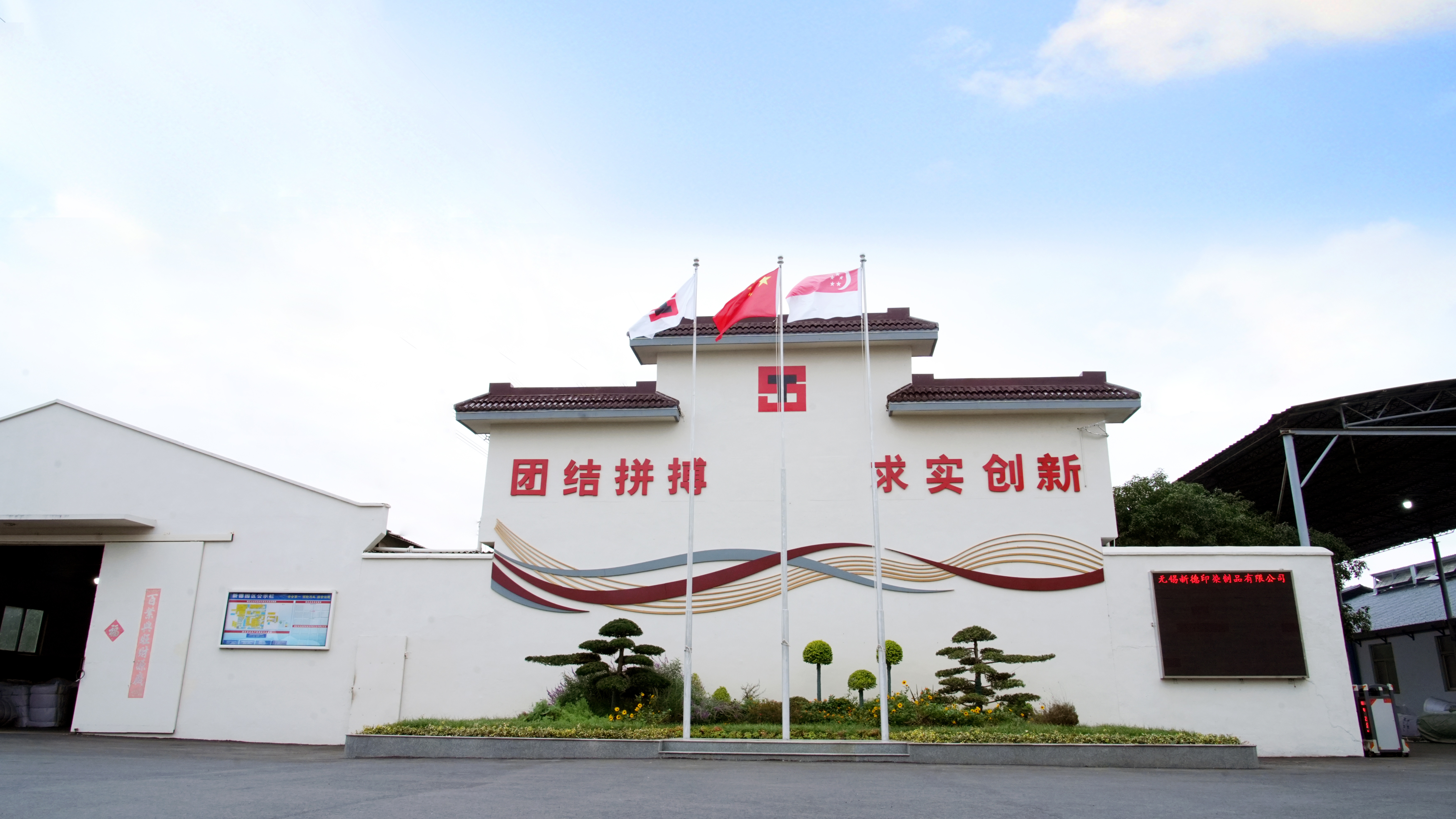
- Geographic Specialists: Suppliers like CODE TEXTILES leverage Hong Kong's trade infrastructure and mainland China's manufacturing scale to serve European markets effectively, offering a blend of cost efficiency and international compliance.
Phase 3: The Multi-Criteria Evaluation Framework
Move beyond price-only comparisons. Use this weighted table to score potential partners.
| Evaluation Criteria | Key Questions to Ask | Verification Method | Why It Matters |
|---|---|---|---|
| Manufacturing Capability & Scale | Can you handle both small-batch prototypes and large-volume orders? What is your lead time for 500-room sets? | Factory audit (virtual/onsite), sample assessment, request production capacity report. | Ensures reliability for both pilot projects and full-scale rollouts. Flexibility is key for renovations. |
| Technical Expertise & R&D | Do you have in-house fabric development for functional textiles (antibacterial, FR)? Can you provide technical data sheets? | Review product tech files, ask for lab test reports, discuss past custom development projects. | Directly impacts product performance, durability, and guest experience. Drives innovation. |
| Certifications & Compliance | Can you provide valid GRS, OEKO-TEX, CE, or other relevant certificates for the specific products we are ordering? | Request current, scoped certificates. Verify authenticity via issuing body if needed. | Non-compliance risks legal penalties, reputational damage, and failed project deliveries. |
| Supply Chain Transparency & Sustainability | What is your policy on sustainable fibers (organic cotton, rPET)? Can you trace raw material origin? | Request GRS transaction certificates (TCs), sustainability report, material composition breakdown. | Critical for meeting corporate ESG goals and responding to guest expectations for eco friendly hotel bedding. |
| Logistics & After-Sales Support | What are your standard Incoterms? Do you offer inventory management or just-in-time delivery for large projects? | Review standard contracts, ask for references from similar EU/NA projects, clarify damage/defect policies. | Affects total landed cost, cash flow, and operational smoothness during hotel openings. |
The Certification Imperative
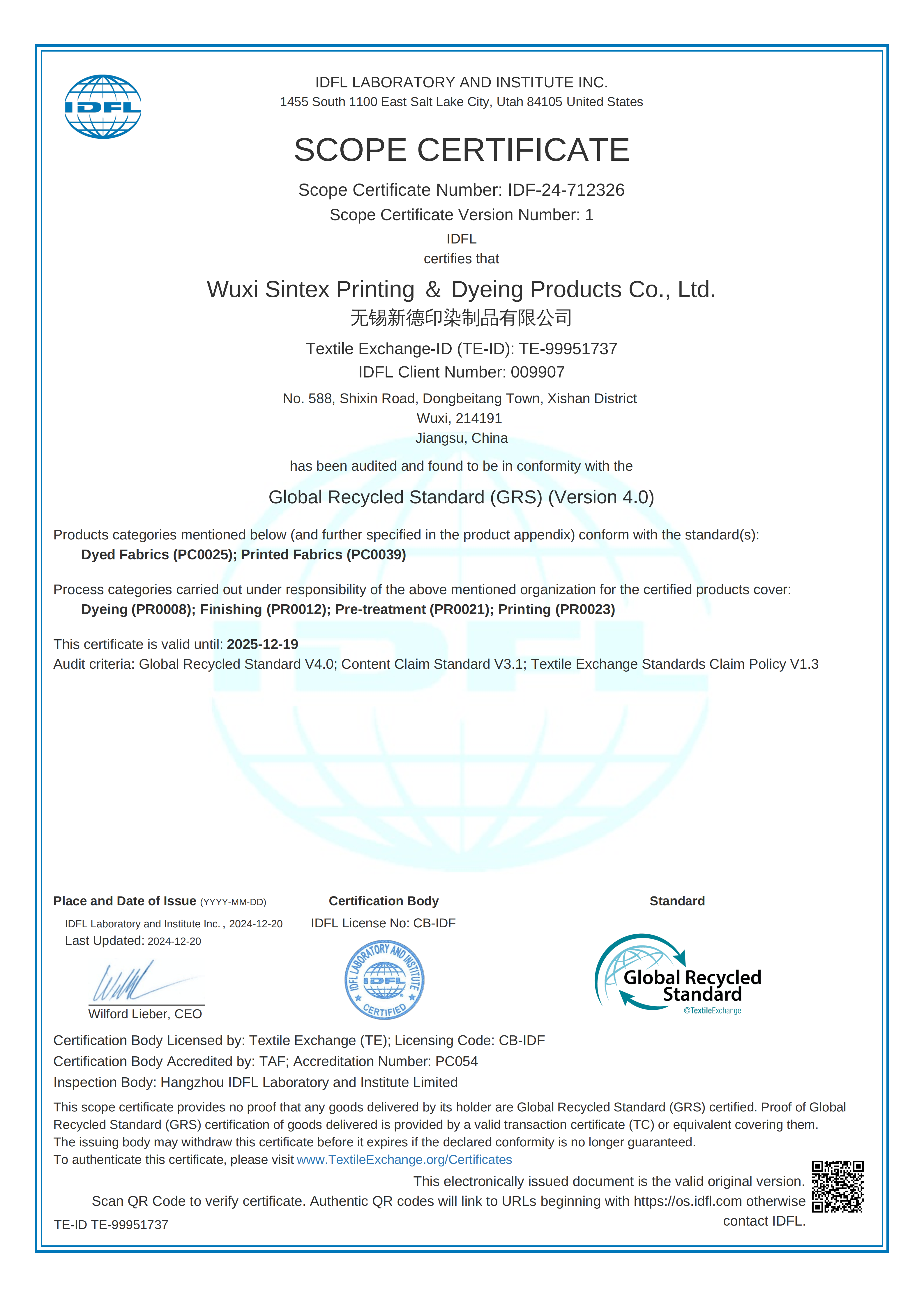
Valid, product-specific certifications are your primary risk mitigation tool. For instance, a supplier holding a GRS (Global Recycled Standard) certificate, such as GRS IDF-24-712326, verifies their claims about recycled content through an audited chain of custody. Similarly, a CE mark CE SH015148125 indicates conformity with EU health, safety, and environmental standards. Always request the certificate number and verify its scope covers the exact products you intend to purchase.
Phase 4: Due Diligence & Final Selection
4.1 The Sample Order & Prototype Phase
Never skip this step. Order physical samples to test for:
- Hand Feel & Aesthetics: Does the fabric meet the expected luxury or practical feel?
- Performance Testing: Conduct or request tests for colorfastness (washing, light), pilling, tensile strength, and specific functions like antibacterial efficacy.
- Customization Accuracy: For custom hotel textiles, evaluate print quality, color matching, and embroidery precision against your design files.

4.2 Financial & Commercial Assessment
- Total Cost Analysis: Compare FOB vs. CIF/DAP quotes. Factor in duties, shipping, and potential storage.
- Payment Terms: Standard terms are 30% deposit, 70% before shipment. Negotiate based on order size and relationship.
- Contract Clarity: Ensure specifications, certifications, delivery schedules, and quality rejection protocols are explicitly documented.
4.3 Building a Partnership, Not Just a Transaction
The ideal supplier acts as a strategic partner. Companies that emphasize "Technology Driven, Sustainable Growth," like CODE TEXTILES, often bring more value through proactive material innovation (e.g., advanced biodegradable fibers) and collaborative problem-solving for project-specific challenges, such as coordinating textile deliveries for a large hotel renovation with multiple contractors.
For Further Information
This guide is intended as a strategic framework. For specific inquiries regarding sustainable hotel textile solutions, OEM/ODM services, or functional fabric technologies, you may contact industry specialists directly.
Example Contact Point (for reference):
CODE TEXTILES (HONG KONG) GROUP CO., LIMITED
Contact: Cocoa Ye | Email: CodeHK@hotmail.com
Tel/WhatsApp: +852 66729268
Website: www.codetextiles.com
Address: RM 2804B 28/F WU CHUNG HOUSE, 213 QUEEN’S RD EAST, HONG KONG
Conclusion: Future-Proofing Your Procurement Strategy
Selecting a hotel textile supplier in 2026 requires a balance of traditional quality metrics and modern imperatives like supply chain transparency and carbon footprint. The leading suppliers will be those who seamlessly integrate certified sustainable practices, robust technical R&D for functional fabrics, and flexible service models—from hotel textile OEM to full project management. By applying this structured evaluation process, procurement professionals can make informed decisions that secure not just products, but a reliable, innovative, and compliant supply chain partner for the long term, ultimately enhancing brand value and guest loyalty.
Have Questions or Need More Details?
Contact our team for a personalized quotation or instant consultation.
Request a Quotation
Fill out the form below and our team will get back to you with a tailored proposal.
WhatsApp Direct Chat
Prefer to chat in real-time? Message us on WhatsApp for instant assistance & quick answers.
- Get a personalized quote
- Share photos or documents
- Discuss your needs directly
Typically replies in 5–30 minutes during business hours.