
How Buyers Audit an Outdoor Landscape Lighting Factory
How Buyers Audit an Outdoor Landscape Lighting Factory
Outdoor landscape lighting is specified on paper and delivered from a factory floor, and the two are not the same document. Between shortlisting a supplier and placing a bulk order, the useful question is narrower than 'can this company make it': it is which statements in an offer can be checked against a physical object, a process record or a certificate that names the buyer's model.
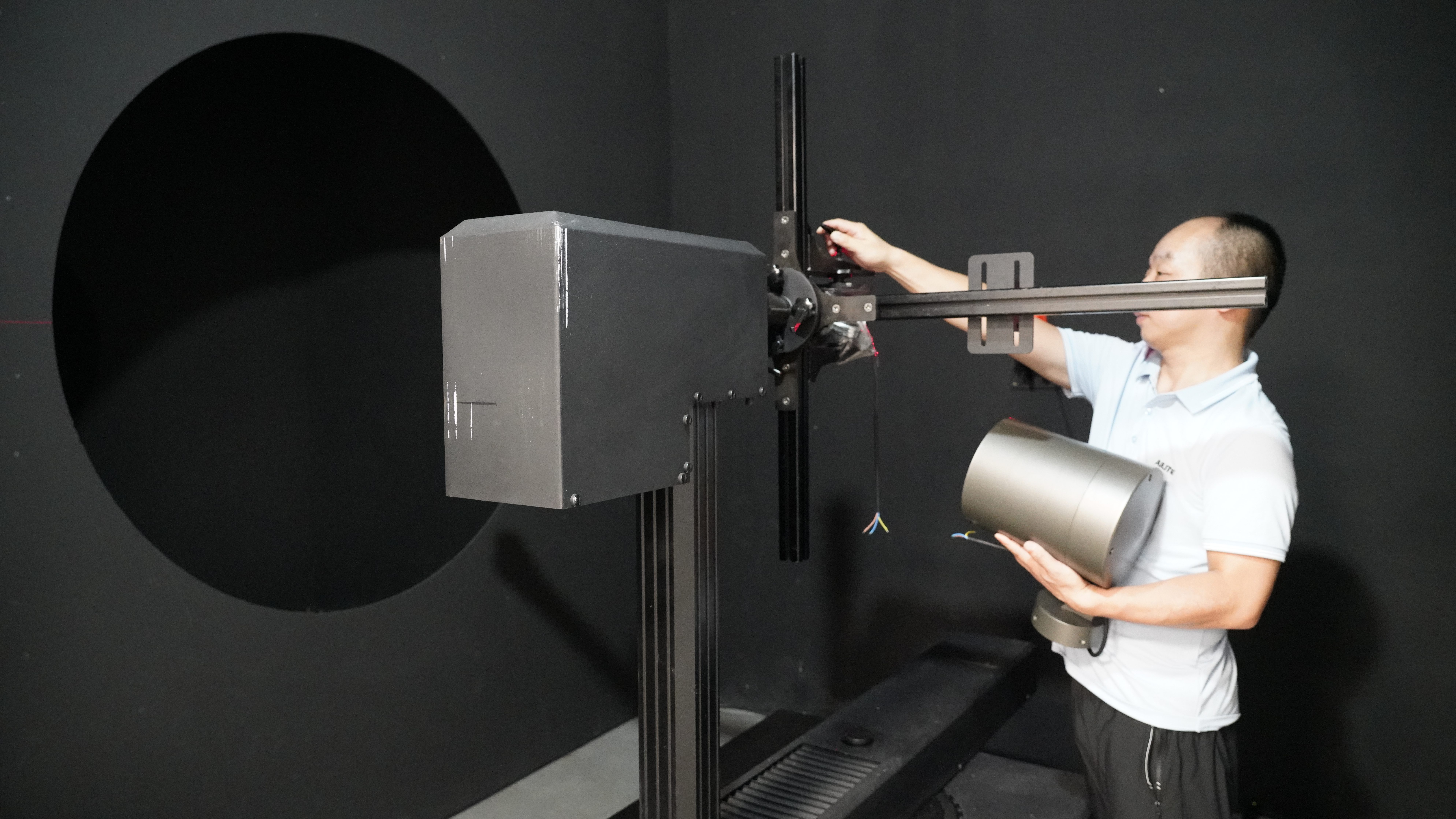
That question matters more in inground and garden fixtures than in almost any other lighting category. The housing sits in soil, the face ring takes mower strikes and grit, the lens sees frost and salt, and the cable entry is buried at the point where water does the most damage. A supplier's capability is therefore not an abstraction; it is a set of material specifications, process records and document scopes that a buyer can audit line by line.
This article sets out what that audit looks like, using the inground range and the published capability data of Light Legend (Chongqing) Technology Co., Ltd. as a worked example. Light Legend is an outdoor lighting manufacturer operating an 8,000 m² production site with more than 200 employees, a stated 80% export ratio and markets across Europe, America, Asia, Africa and Latin America. The method, not the company, is the point: the same four checks apply to any supplier under evaluation.
Four evidence families, one decision
An audit of an outdoor landscape lighting factory resolves into four families, and each answers a different question.
- Materials — what the fixture is made of, named to an alloy, grade and thickness, and whether that naming is repeated on drawings and incoming records.
- Process — whether the hundredth unit will match the first, evidenced by inspection stages, test records and the site where they are kept.
- Documents — what a certificate actually certifies, for which models, under which standards, and for how long.
- Operating envelope — the stated limits of temperature, life, warranty and cable entry, including what each limit leaves out.
A supplier can be strong in one family and weak in another, which is exactly why the four should be scored separately rather than rolled into a single impression of the company.
Why marketing polish fails as evidence
Catalogues are optimised for desire, not for verification. A render of a fixture glowing against a stone wall says nothing about wall thickness; a row of certification logos says nothing about which models a certificate covers. The problem is not that such material is dishonest, but that it cannot fail. Evidence is only useful if it can come back negative.
Scale claims deserve the same treatment. An 8,000 m² plant and a workforce above 200 are meaningful numbers, but they are indicators of capacity rather than of build quality on a specific inground fixture. Their value is that they are checkable: a site visit, a management-system certificate carrying a site address, or a social-compliance audit report should all point to the same place. When those three documents disagree about where production happens, the buyer has learned something more valuable than any brochure page.
Three questions convert a claim into evidence. What exactly is the material or component, named to a grade? What record will exist for my batch, and who keeps it? Does the document I have been shown actually name my model? A statement that survives all three is worth keeping in the tender file; a statement that fails any one of them is tone.
A materials audit: the inground range as a worked example
The inground range states a die-cast aluminum housing, a 6063 high-corrosion-resistant extruded aluminum base, a 304 stainless steel face and 8 mm tempered glass, built around a 12 × 0.5 W Cree LED array at 138 lm/W on a DC24V input, with power steps from 6 W to 36 W. Read as a list, that is a specification. Read as an audit, it is six separate verification tasks.
Housing and base
Two aluminum processes appear in the same fixture, and the distinction is structural rather than cosmetic. Die casting produces the three-dimensional housing with controlled wall thickness; extrusion produces the base as a continuous 6063 profile, which is why the base can be described by alloy rather than by shape alone. For a buyer, the alloy designation is the checkable part. The question is not whether the brochure says 6063, but whether the alloy and its temper appear on the drawing and on the incoming material record for the lot.
The base is the component that spends its life in soil, so the surface treatment matters as much as the alloy. Ask for the coating type — anodising or powder coating — and the measured film thickness, and ask at which stage in the sequence the coating is applied, because a profile cut to length after coating leaves bare alloy at the cut face, precisely where moisture collects.
Face ring and lens
The face is specified as 304 stainless steel, a grade selected for outdoor corrosion resistance rather than hardness. The audit here is documentary: a mill certificate naming 304 is stronger evidence than a magnet test, which can rule out some magnetic substitutes but cannot confirm an austenitic grade. The 8 mm tempered glass is both a thickness and a process claim. Ask for the tempering record, and where impact is a design criterion, ask whether an impact rating is declared, since thickness alone does not describe what happens when a mower throws a stone.
Light engine
Twelve emitters at 0.5 W each make a 6 W array, which places the smallest configuration at the bottom of the stated 6 W to 36 W range — a sign that the range shares a design rather than being assembled from unrelated parts. The audit points are the bin and the basis of the efficacy figure. Ask which flux and colour bin is used and whether depreciation data exists for that bin family, and ask whether 138 lm/W is a luminaire-level or an emitter-level figure. The two differ by driver and optical losses and are not interchangeable in a tender comparison.
Electrical interface
DC24V input changes both the safety profile and the installation arithmetic. A 24 V system keeps the wet-side circuit at safety extra-low voltage, but voltage drop over long runs becomes the constraint, so the driver datasheet and the cable gauge belong in the same conversation as the fixture. The practical questions are whether the driver is supplied with the fixture or by others, what its rated ambient is, and whether the warranty position changes when a third-party driver is used.
What a materials audit produces is not a verdict but a short list of named, falsifiable items — alloy, grade, coating thickness, glass thickness, bin, efficacy basis — each of which a supplier either can document or cannot.
A process audit: following a batch through the line
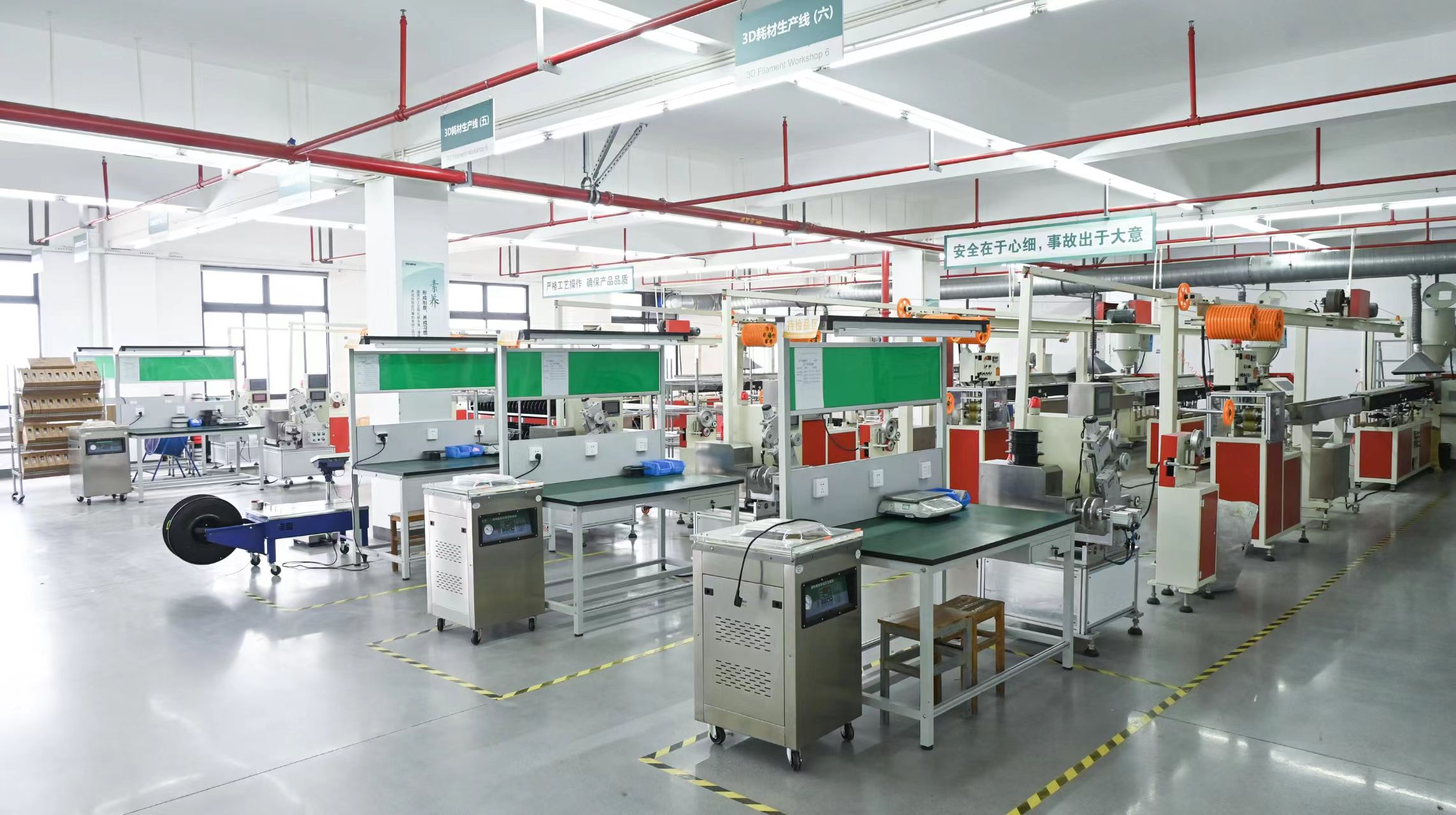
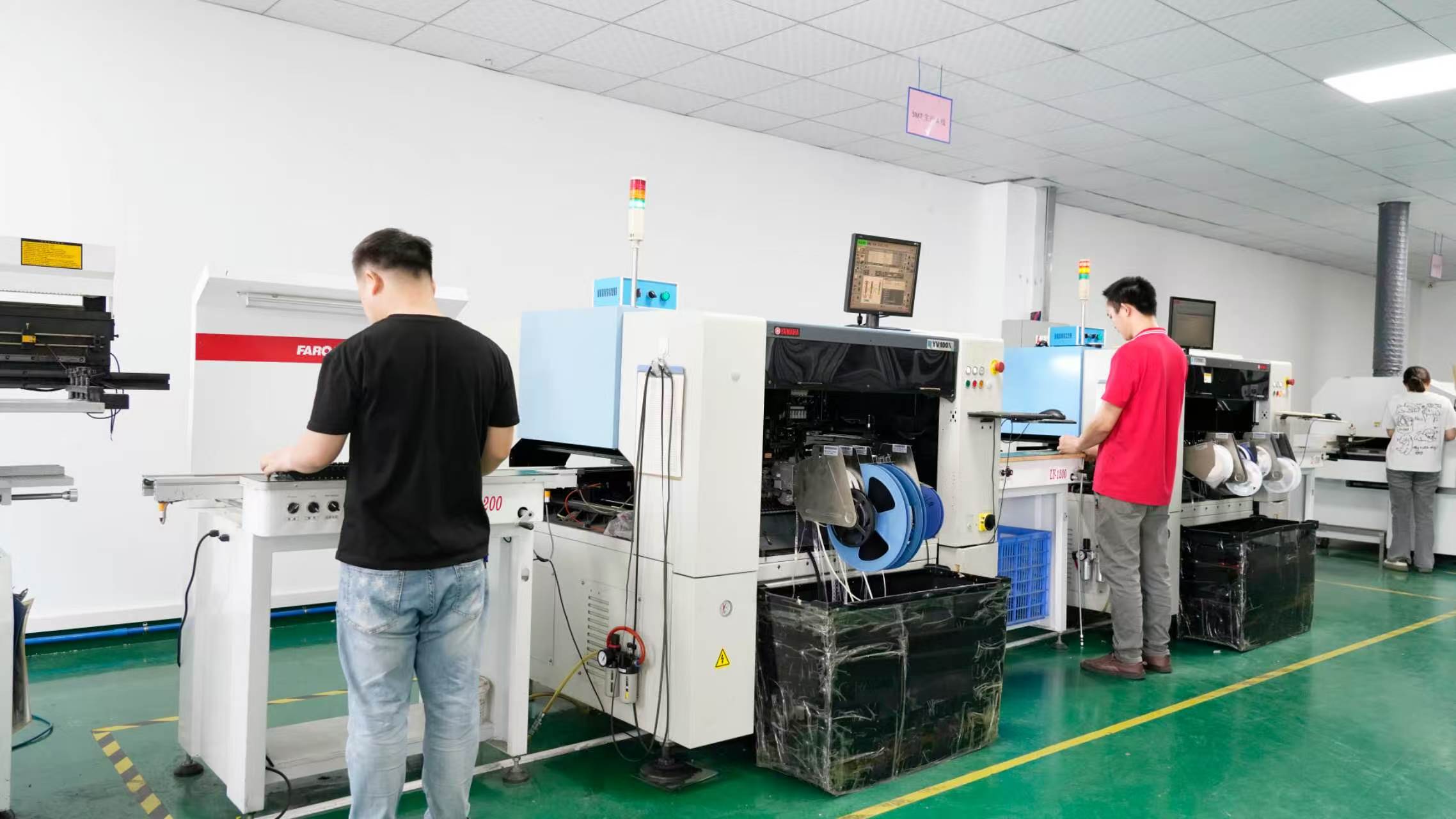
Materials describe what a fixture is; process describes whether the hundredth unit matches the first. Light Legend describes a five-stage quality control sequence covering incoming inspection, prototyping, first article, in-process checks and outgoing inspection, with 100% outgoing inspection and laboratory facilities held in-house. Each stage leaves a record, and the record is what a buyer can request.
- Incoming. Material and component inspection for die-cast lots, LED reels, drivers and glass. Ask what is measured and whether rejected lots are recorded.
- First article. A report on the first unit built to your configuration. Ask for it to be signed by both parties and retained as the reference for the run.
- In-process. Electrical and burn-in records. Ask the duration, and ask whether the record is per unit or per batch — a per-batch record cannot tell you about a single fixture.
- Outgoing. 100% inspection means every unit is examined rather than sampled. Ask what is checked — function, appearance, IP-critical seals — and whether the result travels with the packing list.
Capacity figures need the same reading discipline as certificates. The stated monthly capacity is 80,000 units for ODM production and 20,000 units for OEM production, with lead times of 10–20 days and 30 days respectively and minimum order quantities of 100 and 500 units. These are mode-specific numbers, not factory-wide constants. A buyer should confirm which mode and which configuration the quotation reflects, and whether lead time runs from purchase order or from artwork and sample approval — a distinction that can move a delivery date by weeks.
A capacity number is headroom, not a reservation. The useful follow-up is where the order sits in the queue during the supplier's peak season, and what committed ship date is written into the contract.
Scale and system certification should point to the same address. An ISO 9001 or ISO 14001 certificate carries a scope statement and a site address; a BSCI or C-TPAT audit report names a facility. If the manufacturing address on the quotation matches neither, the audit has found something more useful than a defect.
What installed volume does and does not prove
Deployment history is a legitimate signal, provided it is read precisely. Light Legend's case records include 1,540 units of the ALT-R38 wall washer supplied through a public tender in Azerbaijan for wall flood lighting and night decoration, in stable operation for one year; 480 units of the KUPU-YT120 flood light running for five years in Vietnam's tropical climate for long-range projection and contour lighting; and a 50-unit pilot of DSL018 and DS129 garden lights in Germany, stable for two years.
What these establish is that the products have been manufactured at volume and have operated in the field for a stated period in a stated climate. What they do not establish is that the fixture on your purchase order is the same build, the same power step or the same optical configuration. That link is made by the model list on the certificate and by the first-article report, which is why deployment history belongs alongside documents rather than in place of them.
The operating envelope: what a rating includes and excludes
The inground range is stated to operate from -40 °C to 45 °C, with a 30,000-hour lamp life, a 3-year warranty and a defined cable gland capacity. An envelope is only useful if its boundaries are explicit, and four questions make them so.
- Temperature. Ask whether -40 °C to 45 °C is an operating range or a storage range, and whether the driver carries the same rating. In practice the driver is usually the first component to fall outside a housing's thermal claim, and a 45 °C upper limit is a real constraint for exposed installations in hot climates where surface temperature runs above ambient.
- Life. A 30,000-hour figure needs a criterion: lumen maintenance to 70% or 80%, median or survival-based, and whether the value is measured or calculated from LED depreciation data. A life figure without a criterion cannot be compared with a competitor's figure, which is why tenders increasingly ask for the basis rather than the number.
- Warranty. Ask what is covered — LEDs, driver, labour — what voids the cover, and whether the term runs from invoice or from installation. The published position is an after-sales warranty per contract terms, which makes the contract, not the brochure, the document that matters.
- Cable gland. A defined capacity should mean a published clamping range for the gland and a stated cable diameter used in the ingress test. A gland rated to a high IP level protects nothing if the cable outside diameter sits at the edge of its range. Ask for the gland model, its clamping range, and confirmation that the ingress rating was verified with the gland fitted.
Reading the document set: certificates and their scope
Documents are where most audits end prematurely, because a certificate is treated as a verdict rather than as a statement with a subject, a scope and a date. The certification set listed for the smart lighting range is CE, RoHS, FCC, UKCA, FCC-ID, GCC and UL. Each answers a different market question.
| Document | Market or function |
|---|---|
| CE | European Union conformity across the applicable directives |
| RoHS | European Union restriction of hazardous substances at material level |
| UKCA | Great Britain market conformity |
| FCC | United States electromagnetic compatibility for digital devices |
| FCC-ID | United States certification of an intentional radiator, typically a wireless control module |
| GCC | Gulf Cooperation Council conformity for the Gulf market |
| UL | North American safety certification |
The more instructive example is a single CE certificate in the record: certificate TST25231600579EC, issued by Dongguan True Safety Testing Co., Ltd., citing EN IEC 55015:2019/A11:2020, EN IEC 61547:2023, EN IEC 61000-3-2:2019+A1:2021+A2:2024 and EN 61000-3-3:2013+A1:2019+A2:2021, with related models covering the DSL018, DS0138, DS-HNL, DS-PIR-3688, DS-3688, DSL188, DS-SL, DS-SL3, DS037, DS038, DS068 and DS-B03 outdoor wall lights.
Read closely, that document does three things and declines to do a fourth. The four cited standards are electromagnetic compatibility standards covering emissions, immunity, harmonic current and voltage fluctuation, so the certificate establishes EMC conformity — not lumen output, not ingress protection and not service life. Its own scope statement limits it to the submitted samples, states that it does not represent an assessment of the entire production batch and requires it to be read with test report TST25231600579ER. And it names a model family: if the buyer's model is not on that list, the certificate does not cover the order, and the supplier should be asked for the variant assessment that does.
Three further checks apply to the rest of the set. FCC and FCC-ID are not interchangeable: the first concerns unintentional digital devices, the second certifies an intentional radiator, which is what a wireless control module is. That distinction matters as smart fixtures add radios, because the module needs its own authorisation alongside the fixture. UL certification is checkable by file number in the public certification database, and the product category shown there should match the fixture class being bought. And an ingress report should state which rating was tested, on which model, with which gland and cable, since IP65, IP66 and IP67 describe different exposure conditions rather than a scale of approval.
Commercial documents complete the set: invoice and packing list, the test reports, and the certification files required by the destination market.
Sample requests, factory questions and document checks
Three instruments turn this analysis into a procurement action, and each should be issued in writing before a purchase order rather than after one.
Sample requests
- Send one production-representative unit of the exact model and power step on the order, taken from a current lot rather than an engineering sample.
- Send the adjacent power step as well — the 6 W and the 36 W version, for instance — so the housing, glass and gland can be compared for commonality and spare-part planning.
- Ship the sample with the driver, gland and mounting sleeve exactly as they will arrive in bulk.
- Attach the test report and certificate pages that name the sampled model.
- Retain a signed pre-production sample as the golden reference, with mass production measured against it.
- Where a solar variant is under consideration, state the intended climate and ask for the panel and battery configuration matched to local sunlight conditions, since solar fixtures still charge in low light but with reduced brightness and runtime.
Factory questions
- Which site manufactures this model, and does that address match the ISO 9001 certificate and the social-compliance audit report?
- Which tests are performed in-house — photometric, ingress, ageing — and which are outsourced, and to whom?
- What is the burn-in duration, and is the record kept per unit or per batch?
- Is the efficacy figure a luminaire-level or an emitter-level value, and at what drive current?
- Is the temperature range an operating range or a storage range, and is the driver rated to the same window?
- What is the gland's clamping range, and which cable outside diameter was used in the ingress test?
- Is the 30,000-hour figure measured or calculated, and against which lumen-maintenance criterion?
- Which minimum order quantity and lead time apply to my configuration, and does lead time start at purchase order or at sample approval?
- What happens to the warranty if the fixture is installed with a third-party driver?
- Can the first-article inspection report be released before mass production begins?
Document checks
- Certificate number, issuing body, standards list and issue date.
- Scope statement: submitted samples only, or batch assessment?
- Model list including the exact model on the order.
- Cross-referenced test report number.
- Ingress report stating rating, model, gland and cable diameter.
- Material certificates for the 6063 base alloy and the 304 face grade.
- Coating type and measured film thickness.
- RoHS substance panel, with any exemptions identified.
- UL file number verified in the public database.
- Warranty terms in the contract rather than in the brochure.
Where capability evidence stops
An audit of this kind verifies capability and documentation; it does not verify that the installed result will look right on site. Photometric design still needs a photometric file and a layout, and an EMC certificate says nothing about glare control or uniformity across a path.
There is also a sourcing-structure boundary. A self-owned factory gives a buyer access to process records, first-article reports and material certificates, which is what this method depends on. A trading intermediary may be efficient for mixed or small orders, but it will usually pass those requests upstream, adding a layer where document scope can drift away from the actual production site. Neither structure is disqualifying; the buyer simply needs to know which one is being audited.
Material choice follows the same logic. Aluminum housings dissipate heat better, extend LED service life and resist corrosion, which is why they suit commercial landscape lighting, coastal sites and high-heat environments. Plastic housings are lighter and cheaper and can be appropriate for low-cost or sheltered applications, with the caveat that prolonged UV exposure degrades them. For an inground fixture in a mown lawn, the 6063 base and 304 face are the relevant specification; for a sheltered decorative application they may be more than the job requires.
Between solar and low-voltage approaches, the boundary is power access. Solar in-ground lights and other solar fixtures suit sites without wiring and install quickly, with brightness and runtime dependent on sunlight; low-voltage fixtures deliver brighter, more stable output and suit commercial or high-illumination projects at a higher installation cost. Capability evidence should be read against whichever of those the project actually is.
Market context for the audit habit
Two published figures explain why document discipline is spreading. Trade in electric lamps under HS 940540 reached USD 21.3 billion in 2024, according to the Observatory of Economic Complexity, and Grand View Research valued the global landscape lighting market at USD 13.2 billion in 2024. The same research house recorded commercial applications at 60% of landscape lighting demand in 2023. Those are market-level figures and say nothing about any single supplier, but a demand mix weighted toward commercial work is a demand mix weighted toward specification, documentation and audit, because commercial buyers answer to clients and inspectors rather than only to end users.
What changes next
Two directions look most likely to raise the evidential bar, both conditional on how the category develops. First, radio: as smart fixtures add wireless control, FCC-ID and the corresponding UK and EU radio requirements move from optional to routine, and buyers will need the module authorisation rather than only the fixture certificate. Second, sample-scope transparency: certificates that state on their face that they cover submitted samples only are easier to audit than documents that leave the limit implicit, and buyers who learn to read that sentence will ask better questions of every supplier, including this one.
The company's solar decorative garden light catalogue can be downloaded here: Light Legend solar decorative garden light catalogue. Verification requests can be directed to the supplied contact details: Cynthia, 18580658865@163.com, +86 18580658865.
Frequently asked questions
What documents should a buyer request before a bulk outdoor landscape lighting order?
Request the certificate pages and test reports that name the exact model on the order, the ingress test report with the rating, model, gland and cable diameter stated, material certificates for the alloys and grades specified, and the commercial documents needed for the destination market — invoice, packing list and the certification files customs or the client will ask for. Add the warranty terms in contract form rather than the brochure version.
How can a buyer verify that lumen output, lamp life and IP ratings are real?
Ask for the photometric file, the LED depreciation data behind the life figure and the ingress test report, then check that each names the model being bought. A factory with in-house laboratory equipment can usually supply these directly; where the order value justifies it, a pre-production sample plus third-party inspection before shipment closes the remaining gap between a document and a delivered fixture.
Which certifications are needed for Europe and North America?
CE and RoHS apply for the European Union, UKCA for Great Britain, and FCC plus UL for North America, alongside ingress reports for weather resistance. Fixtures with wireless control also need radio authorisation for the module, which in the United States appears as an FCC-ID rather than a general FCC declaration. Which file is required depends on the product and the market, so the buyer should confirm the exact scope rather than accept a logo row.
What minimum order quantity and lead time apply to OEM and ODM orders?
The two modes carry different terms. For this manufacturer, ODM production is stated at a 100-unit minimum order quantity with a 10–20 day lead time and customization of voltage, logo, packaging and product; OEM production is stated at a 500-unit minimum with a 30-day lead time and customization of voltage, logo and packaging, at a monthly capacity of 20,000 units against 80,000 units for ODM. Buyers should confirm which mode the quotation reflects and when the clock starts.
Aluminum or plastic housings for outdoor fixtures?
Aluminum housings dissipate heat better, extend LED service life and resist corrosion, so they are the appropriate choice for commercial, coastal and high-heat environments. Plastic housings are lighter and cheaper and suit low-cost or sheltered applications, though prolonged UV exposure degrades them. The decision should follow the installation environment and the expected service period rather than the unit price alone.
Have Questions or Need More Details?
Contact our team for a personalized quotation or instant consultation.
Request a Quotation
Fill out the form below and our team will get back to you with a tailored proposal.
WhatsApp Direct Chat
Prefer to chat in real-time? Message us on WhatsApp for instant assistance & quick answers.
- Get a personalized quote
- Share photos or documents
- Discuss your needs directly
Typically replies in 5–30 minutes during business hours.