
How CNC Waterjet Cutting Machine Parameters Impact Cut Quality: A Buyer’s Technical Guide
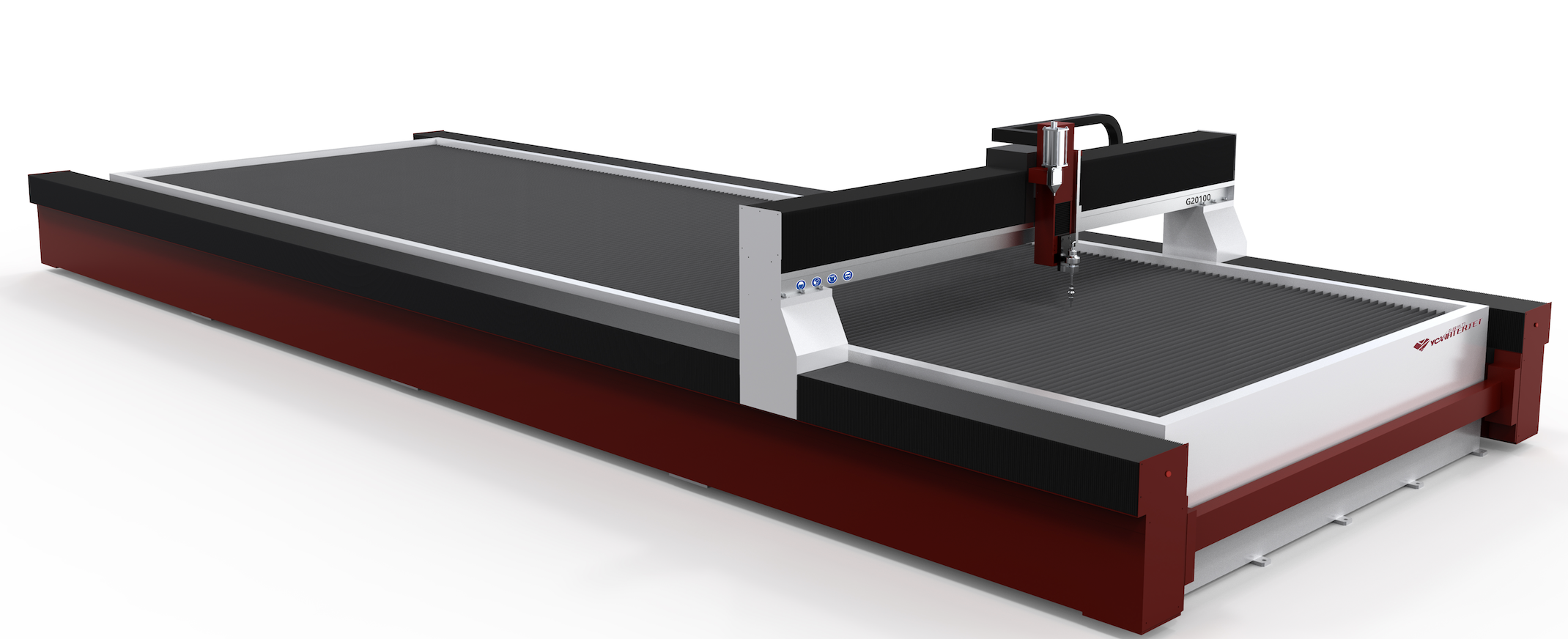
For industrial buyers evaluating CNC waterjet cutting machines, the spec sheet can be overwhelming. Terms like cutting accuracy, positioning accuracy, maximum pressure, and water flow rate are often listed without context. Yet these parameters directly determine the quality, speed, and cost-effectiveness of your production. Understanding how to interpret them—and how manufacturing processes influence actual performance—is the difference between a good investment and a costly mistake.
Decoding the Core Parameters
Take the G Series Waterjet Cutting Machine from YC Waterjet as a benchmark example. Its published parameters include a cutting accuracy of ±0.1mm, a positioning accuracy of ±0.025mm, and an X,Y dry-run speed of 0–15 m/min. These numbers tell a story: the positioning accuracy reflects the machine’s ability to place the cutting head precisely, while the cutting accuracy indicates the final part tolerance. For industries like aerospace or automotive, where tight tolerances are mandatory, these metrics are non-negotiable.
The maximum pressure of 4137 Bar (60,000 Psi) and water flow of 7.4 L/min (powered by a 100 Hp / 75 Kw intensifier pump) determine the machine’s capability to cut thick or hard materials. Higher pressure enables faster cutting speeds and cleaner edges in stainless steel, titanium, or stone. However, achieving that pressure consistently requires a robust hydraulic system and precision-machined components—areas where build quality matters most.
How Production Process Shapes Quality
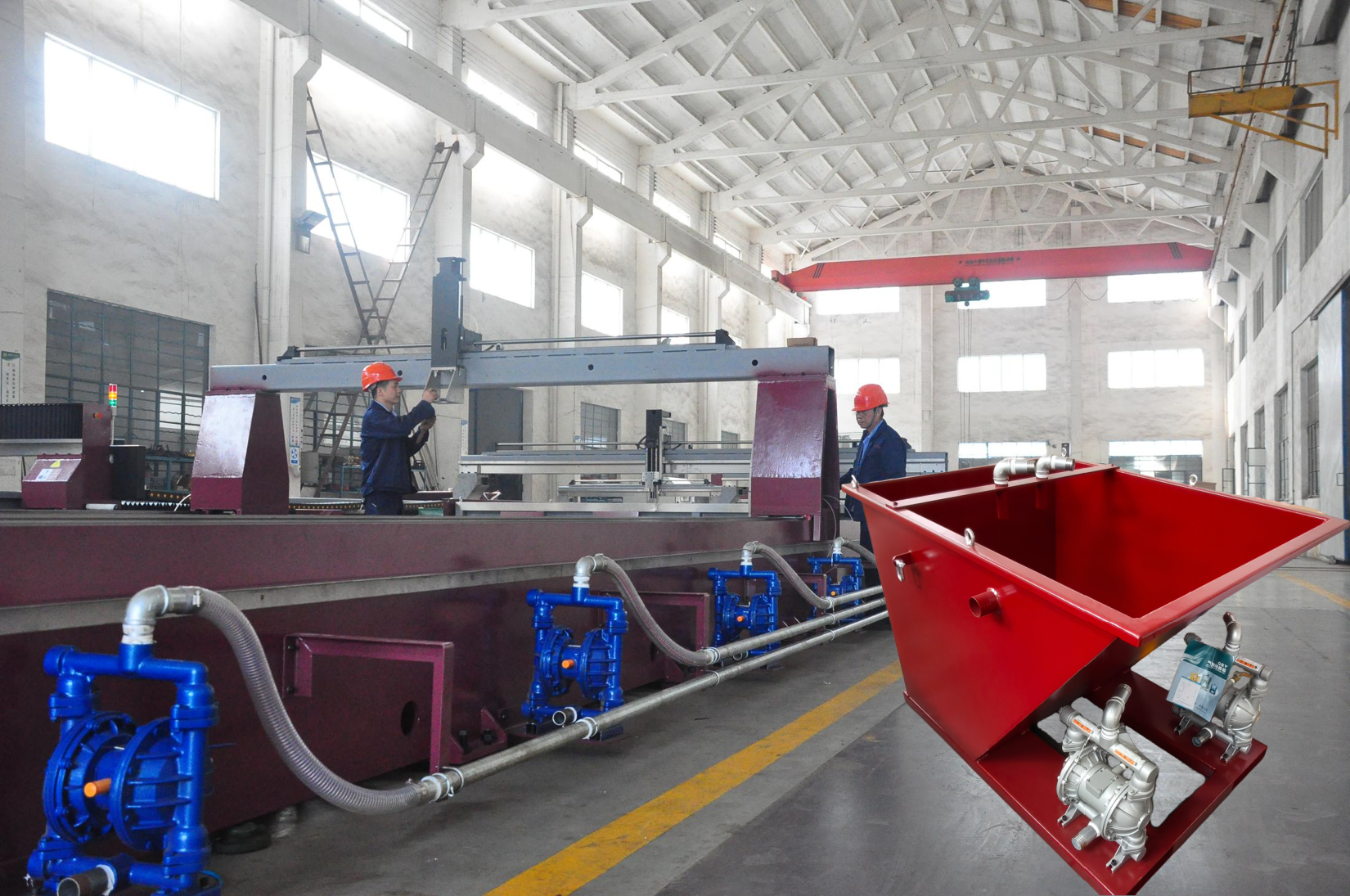
Parameters are only as reliable as the manufacturing process that delivers them. YC Waterjet, founded in 1999, operates a 7,000 m² production facility in Wuxi, China. The company’s long-standing collaboration with industry leaders such as KMT (Germany) and Accustream/Hypertherm (USA) since 2005 ensures that the core components—intensifiers, seals, and cutting heads—meet global standards. The factory employs three engineers with over 20 years of experience and five technicians with more than a decade of hands-on work, providing the craftsmanship needed to assemble high-pressure systems that maintain stable output over years of operation.
Quality certifications also serve as independent proof of process discipline. YC Waterjet holds both ISO 9001:2015 (certificate no. 17324Q21401R0S, valid until 2028) and CE certification (no. ICR/VC/HM2308122, valid until 2028). These certifications cover the entire product range, including the G Series, L Series, and ultra-high-pressure pumps. For a buyer, this means the manufacturer has undergone third-party audits for design, production, and quality control—reducing the risk of off-spec equipment.
Practical Interpretation for Buyers
When comparing quotes, look beyond the headline numbers. A machine claiming ±0.1mm cutting accuracy may achieve that only under ideal conditions. Ask about positioning accuracy (typically tighter) and the dry-run speed, which indicates how fast the gantry can move when not cutting—a proxy for servo drive quality. YC Waterjet’s G Series dry-run speed of 0–15 m/min is competitive, enabling rapid repositioning between cuts.
Another critical differentiator is the integrated pre-drilling function. For composite materials like carbon fiber, starting a cut without a pilot hole can cause delamination. YC Waterjet’s cutting head with drilling capability addresses this risk directly, improving yield by up to 25% for multi-layer composites according to the company’s comparison data. This feature is not captured in basic spec sheets but has a major impact on production efficiency.
Industry Applications and Market Trends
The versatility of a quality CNC waterjet machine extends across industries: metalworking (steel, stainless steel, alloys), automotive (aluminum, interior components), aerospace (titanium alloys, CFRP, honeycomb), architecture (stone, glass, ceramics), composites (carbon fiber, fiberglass), medical (titanium, silicone), and even food processing (frozen meat). The cold-cutting nature—no heat-affected zone—makes it indispensable for materials that warp or degrade under thermal stress.
The market is shifting away from traditional thermal cutting methods (plasma, laser) toward waterjet for precision parts, driven by demands for zero burr, no HAZ, and the ability to cut virtually any material. According to YC Waterjet’s internal comparisons, waterjet offers 15% lower secondary processing costs and 30% higher material yield for delicate substrates compared to laser or plasma. As of 2026, YC Waterjet exports to over 140 countries and regions, reflecting the global adoption of this technology.
Future Outlook
As buyers become more sophisticated, the ability to read and connect parameters to real-world outcomes will become a competitive advantage. Suppliers that invest in certified manufacturing processes, skilled workforces, and value-added features (like drilling integration or 5-axis capability) will lead the next wave of industrial waterjet adoption. For procurement teams seeking a heavy-duty CNC waterjet cutting machine with verified quality, visiting the manufacturer’s website (www.ycwaterjet.com) or contacting sales@ycwaterjet.com directly is the next step toward a data-driven purchase decision.