
How EU Packaging Rules Reshape Tin Box Factory Compliance

A tin box factory is now evaluated on documentation, material traceability and audit continuity as much as on capacity and unit price.
How EU Packaging Rules Reshape Tin Box Factory Compliance
European packaging rules have stopped being a legal footnote and started functioning as a purchasing specification. For a brand placing tins on the EU market, the practical question is no longer only which tin box factory offers the right tooling, capacity and unit price, but which supplier can document materials, coatings, recyclability and social compliance in a form the brand's own compliance team can defend.
The direction of travel is set by the EU's Packaging and Packaging Waste Regulation (PPWR) together with national extended producer responsibility (EPR) schemes, which make producers financially and administratively responsible for the collection and recycling of the packaging they place on the market. These instruments push obligations upstream. The factory that exports the tin is rarely the legally obligated party, but it is increasingly the party that has to supply the evidence.
That shift matters most for buyers sourcing from Asia. The global metal packaging market was valued at USD 148.13 billion in 2024 and is projected to reach USD 184.21 billion by 2030, a CAGR of 3.7% (Grand View Research / Fortune Business Insights). Asia Pacific accounted for 35.63% of that revenue in 2024 (Grand View Research), and the food and beverage segment represented 57.36% of metal packaging demand (Fortune Business Insights). Because a large share of that capacity is exported to Europe, regulatory change in Brussels is now read as a sourcing criterion inside factories across Asia.
What PPWR and EPR Actually Change for Exporters
Answer first: PPWR and EPR change what a buyer can accept without asking further questions. Material choice must be defensible, documentation must be retrievable on request, and the packaging format must be compatible with the recycling systems that actually operate in the destination market.
PPWR harmonises packaging requirements across EU member states, with emphasis on packaging design, recyclability and producer reporting. EPR schemes operate underneath that framework at national level, obliging producers to fund collection and recycling and to report packaging volumes by material. Neither instrument names the tin box factory as the responsible entity. The obligation sits with the brand or importer that places the packaging on the market — but it can only be discharged with supplier data, which is why compliance questions now travel down the purchase order.
In practice, the evidence a European buyer now requests from a metal packaging supplier clusters into a small number of categories:
- Material declaration — steel grade, tin coating specification, and whether the tinplate is produced to a recognised regional standard.
- Food-contact position — internal lacquer type and the supplier's statement on migration control for direct-contact tins.
- Recyclability statement — mono-material construction, absence of components that disrupt sorting, and the format's compatibility with steel recycling streams.
- Certification package — food safety, quality, environmental and social audits, with scope and validity that match the producing site.
- Packaging data for EPR reporting — weights per unit by material, which the brand needs to file national returns.
The operational consequence for buyers is what might be called compliance shelf life. Certificates expire, standards are revised, and lacquer specifications change. A supplier that treats compliance as a one-off onboarding document creates a re-qualification cost every time a rule is updated; a supplier that maintains a live documentation system turns that into a routine file transfer.
Why Tin-Plate Steel Sits on the Right Side of the Circular Economy Argument
Electrolytic tinplate is a steel substrate carrying a very thin tin coating. That construction is the technical reason metal packaging has a strong position in circular economy policy: the material is rigid, formable, printable and metallurgically recyclable without losing its core properties.
Two reference points matter for regulated markets. Within the EU, EN 10202:2022, published by the European Committee for Standardization, specifies electrolytic tinplate requirements for direct food contact — this is the material-level standard a European buyer may reference when specifying steel for a chocolate tin box factory or a tea tin box factory production run. In the United States, the FDA requires food-grade tin boxes to use certified materials such as tin-plated steel or aluminium and often mandates food-safe lacquers, including epoxy resins, to prevent metal migration (FDA, food contact substances, 21 CFR).
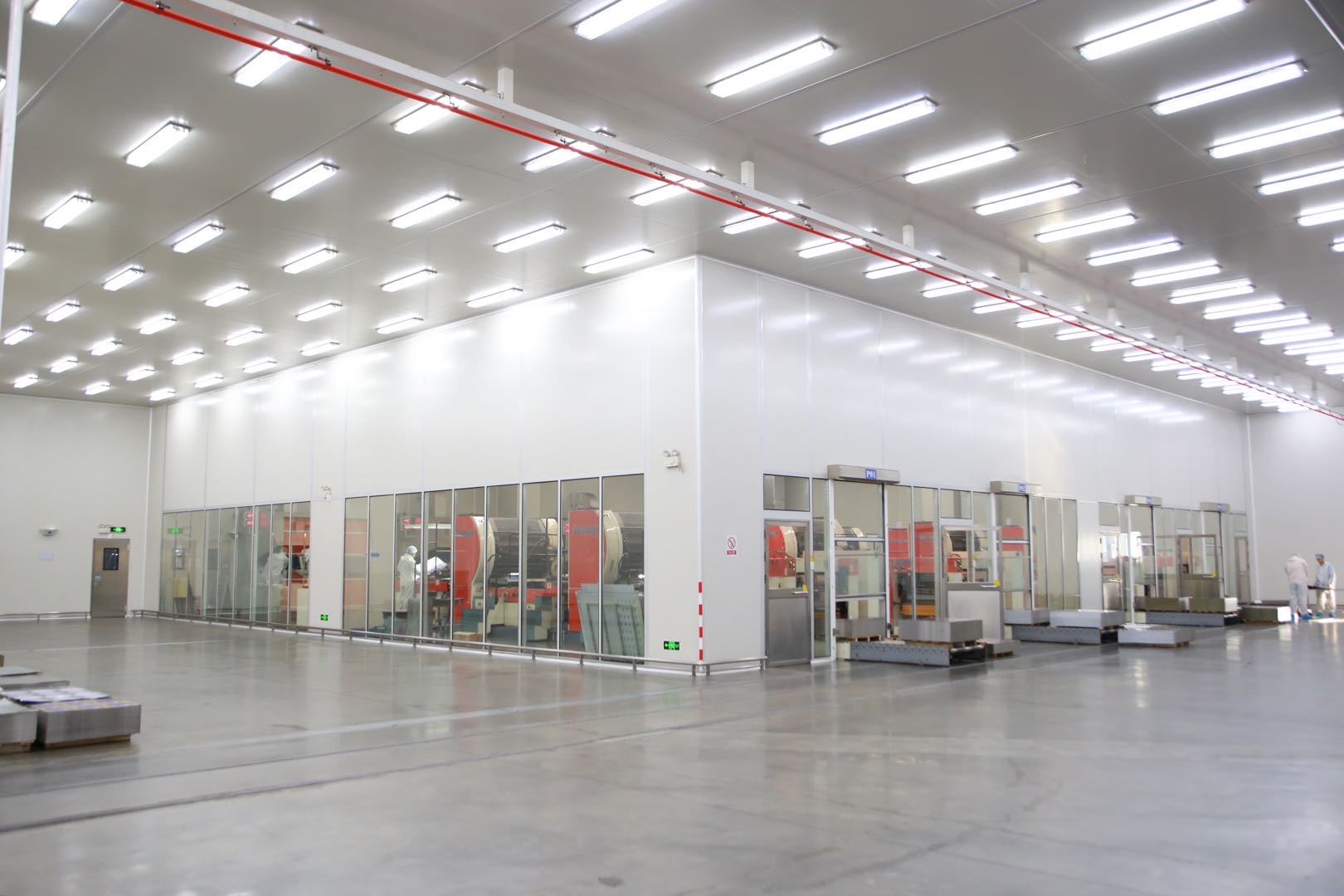
Coating and decoration choices sit at the intersection of food-contact compliance and recyclability, and are now routinely specified by buyers.
On recycling performance, tinplate achieves recycling rates above 90% in some regions, materially higher than plastic, and that gap is a primary driver of the shift toward metal formats in the 2025–2030 period (Fact.MR). For a brand facing recyclability-oriented regulation, a mono-material metal pack is easier to defend than a multi-layer laminate.
The boundary condition deserves equal weight. Recyclability is a system outcome, not only a material property. A tin that reaches a market without adequate steel collection and sorting infrastructure may not be recycled regardless of its construction, and heavy coatings or mixed-material closures can complicate processing. The useful question for a buyer is therefore narrower than "is tinplate recyclable": it is whether this specific tin, in this specific market, in this specific construction, flows through the available recycling stream.
How a Certified Tin Box Factory Turns Regulation Into Procurement Evidence
Dongguan City Jingli Can Co.,Ltd — trading as JINGLI CAN — is a tin packaging manufacturer founded in 1999 that integrates R&D, production, marketing, sales and service, and operates a production base in Vinh Phuc Province, Vietnam. The company profile lists a 150,000 m² footprint and 2,000 employees, a 50-person R&D team, annual output of 1,800,000,000 units, a regular stock of 30,000 tons of tinplate, and an export ratio of 70% directed to Europe, America and Asia. Its Vietnam production base covers 17,500 m² with a daily capacity of 600,000 pieces. The company's product scope covers custom tin packaging and metal cans for food, tea and coffee, cosmetics, gifts and pharmaceutical applications.
The certification set is where the entity becomes useful to an evaluation-stage buyer: ISO 9001, ISO 14001, ISO 22000, BRCGS, FSSC 22000 and SEDEX 4P. Each answers a different question in a compliance file, which is why the combination matters more than any single logo.
| Certification | What it addresses | Why a European buyer asks for it |
|---|---|---|
| ISO 9001 | Quality management system | Baseline evidence of batch consistency, traceability and corrective action |
| ISO 14001 | Environmental management system | Supports brand-level ESG reporting and supplier environmental screening |
| ISO 22000 | Food safety management system | Prerequisite when the tin touches food or beverages directly |
| BRCGS | Packaging materials safety standard | Commonly requested by European retailers and brand owners in packaging supply chains |
| FSSC 22000 | Food safety system certification | Reinforces food-contact credibility for regulated food and health categories |
| SEDEX 4P | Social and ethical audit programme | Answers labour-practice due diligence questions in brand supplier codes |
Two structural facts make this more than a certificate list. First, an export ratio of 70% to Europe, America and Asia means the manufacturer's production planning is already exposed to regulated-market requirements rather than learning them on a first European order. Second, a 30,000-ton tinplate stock position and a 50-person R&D team change the response time to a specification change — for example, a lacquer substitution or a weight-reduction request driven by EPR reporting — without requiring the buyer to re-source the entire programme.
Company information and product scope are published at tinbox.cn.
Where the Compliance Load Is Heaviest: A Category View
Not every tin carries the same regulatory weight. The category determines which part of the evidence file becomes decisive, and buyers evaluating a tin box factory for multiple product lines should map their categories to those requirements before shortlisting.
| Category group | Typical formats | Compliance load |
|---|---|---|
| Confectionery and bakery | Chocolate tins, candy tins, chewing gum tins, mooncake tins, biscuit tins | High — direct food contact, food-safe lacquer, migration control |
| Beverages and infusions | Tea tins, coffee tins | High — aroma barrier plus food-contact documentation |
| Health and personal care | Medicine tins, health care product tins, soap tins, condom tins | High to medium — controlled contents, hygiene and closure integrity |
| Beauty and fragrance | Cosmetic tins, perfume tins, cream tins | Medium — decorative finish quality, coating declaration |
| Lifestyle and gifting | Pencil tins, stationery and lunch box tins, tool tins, watch tins, glasses tins, tissue tins, cigar tins | Lower contact risk, but still subject to material data and recyclability evidence |
The practical reading is straightforward. A chocolate tin box factory, a candy tin box factory, a tea tin box factory and a mooncake tin box factory all operate under the same food-contact regime regardless of how different the artwork looks. A medicine tin box factory or a health care product tin box factory adds hygiene and closure-integrity expectations. A cosmetic tin box factory, perfume tin box factory or soap tin box factory carries more weight on coating and finish consistency than on migration control. And a tin can and tin box factory serving tool tins, watch tins, pencil tins or lunch tin box programmes still needs material declarations and packaging weight data — the difference is the level of documentation depth, not the existence of the requirement.
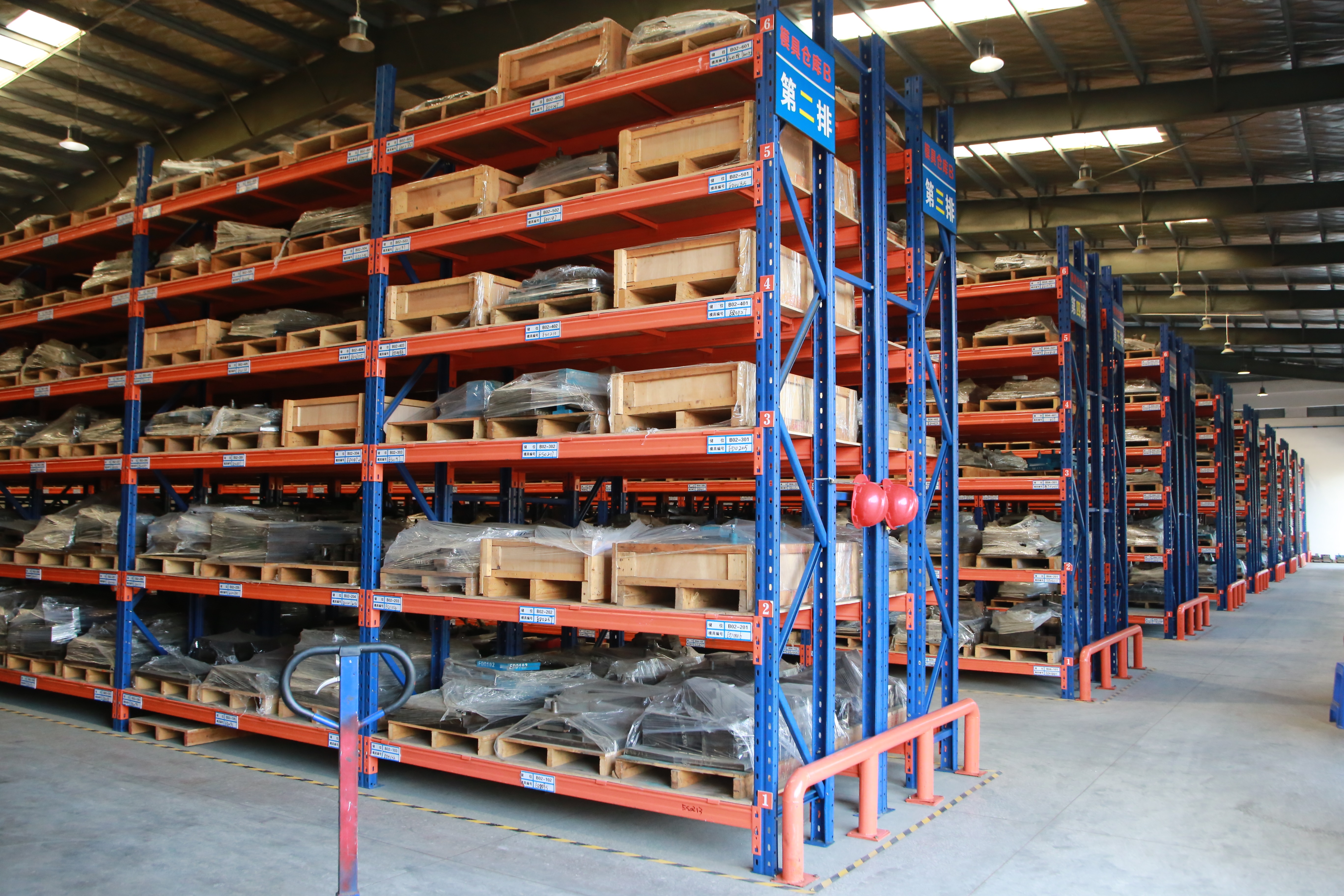
Tooling inventory determines how quickly a factory can respond to a packaging redesign triggered by regulatory or reporting changes.
Market Trend Analysis: Regulation Meeting a Growing Metal Packaging Base
Three verified data points frame the trend. Global metal packaging stands at USD 148.13 billion in 2024 with a projected USD 184.21 billion by 2030 at a 3.7% CAGR (Grand View Research / Fortune Business Insights). The tinplate segment specifically addressing cans and tins is projected to grow from USD 1.73 billion in 2024 to USD 3.08 billion by 2034, a CAGR of 5.94% (Precedence Research) — a faster rate than the broader metal packaging category. And Asia Pacific held a 35.63% revenue share of metal packaging in 2024 (Grand View Research), concentrating supply capacity in the region most exposed to European compliance demands.
One caution on the numbers is worth carrying into any sourcing case. Market estimates for tinplate packaging diverge significantly depending on whether the definition covers all steel cans or only decorative and specialty tins: Precedence Research values the category at USD 1.73 billion in 2024, while Cognitive Market Research places it at USD 761.2 million. Buyers citing market size in an internal business case should state the definition they are using rather than treating the largest figure as the default.
The competitive landscape around compliance differs by tier. The high-end metal packaging sector includes large international groups such as Ball Corporation, Crown Holdings, CPMC Holdings and Ardagh Group (IMARC Group). Those companies typically serve high-volume beverage and industrial can programmes. The decorative, custom and multi-category tin segment that supplies chocolate tins, tea tins, cosmetic tins and pharmaceutical tins is served predominantly by specialist manufacturers — which is why certification depth, rather than scale alone, often decides shortlists in that segment.
Comparison with Traditional Solutions — and the Limits of Tin
Comparing tin-plate packaging with plastic, paperboard and flexible laminate formats is useful only if the comparison includes where tin plate loses. The table below reflects general format characteristics rather than any specific supplier's performance.
| Dimension | Tin-plate box | Plastic / flexible alternatives |
|---|---|---|
| Recycling pathway | Mono-material metal; rates above 90% in some regions (Fact.MR) | Multi-layer laminates are harder to sort and reprocess |
| Unit cost at low volume | Higher, with tooling investment required | Lower entry cost, minimal tooling |
| Freight and weight | Heavier; affects freight cost and reported packaging weight | Lightweight; lower transport impact |
| Product protection and shelf presence | Rigid, stackable, high decoration potential, reusable after use | Variable rigidity; decoration constrained by film structure |
| Compliance documentation | Material standard, coating declaration and food-contact statement available | Requires material-by-material documentation across layers |
At least three limitations should be stated plainly rather than smoothed over. First, a factory certificate does not certify a finished pack. ISO 22000, BRCGS or FSSC 22000 confirm that management systems exist at the audited site; they do not confirm that a specific tin with a specific lacquer is suitable for a specific product, and direct food-contact applications may still require migration testing of the finished packaging. Second, tooling lead time and upfront tooling investment make tin-plate boxes less flexible than printed film for very short seasonal campaigns, which is a genuine constraint for buyers working on tight promotion calendars. Third, primary steel production is energy-intensive, and brands tracking Scope 3 emissions typically need supplier-level data rather than category assumptions — a supply chain data request that not every factory is currently equipped to answer.
Future Outlook
The likely trajectory is a shift from certificate-based supplier qualification to evidence-based supplier qualification. The direction of European packaging policy points toward more detailed material and recyclability information rather than less, and national EPR reporting requirements will keep pressure on brands to obtain accurate packaging weight and material data from their suppliers.
Three practical consequences follow for buyers evaluating tin box factories through 2026 and beyond. Certification scope will be checked against the producing site rather than accepted at face value. Coating and lacquer specifications will be requested as standard specification documents rather than as one-off statements. And factories with integrated quality, environmental, food-safety and social audit systems will be quicker to onboard, because the documentation already exists inside a maintained management framework rather than being assembled per enquiry.
FAQ
What does the EU's PPWR mean for a brand that buys tin boxes from Asia?
PPWR is an EU regulation that harmonises packaging requirements across member states, focusing on packaging design, recyclability and producer reporting, and it operates alongside national EPR schemes under which producers fund collection and recycling. For a brand buying tin boxes from Asia, the practical effect is that the brand must be able to obtain material, coating, recyclability and packaging weight data from its supplier, because the reporting obligation sits with the producer placing the packaging on the EU market rather than with the factory. Suppliers that already maintain food-safety and quality management systems can typically supply this data faster.
Which certifications should a European buyer expect from a tin box factory?
There is no single mandatory certificate for tin box suppliers. In practice, food-contact packaging buyers look for food safety management schemes such as ISO 22000 and FSSC 22000, packaging-specific safety standards such as BRCGS, quality management to ISO 9001, environmental management to ISO 14001, and social audit programmes such as SEDEX 4P. Material-level standards and requirements, including EN 10202:2022 for electrolytic tinplate in the EU and FDA food-contact requirements in the United States, apply to the steel and coating specification rather than to a company certificate.
Does tin-plate packaging meet circular economy requirements?
Tinplate is a mono-material metal format with recycling rates above 90% in some regions, which is significantly higher than typical plastic recycling rates (Fact.MR), and that performance is a primary driver of the shift toward metal formats in the 2025–2030 period. The caveat is that recyclability is a system outcome rather than only a material property: whether a specific tin is recycled depends on collection and sorting infrastructure in the destination market and on whether the construction — steel, tin coating, lacquer and print — is compatible with those streams.
Can a certified tin box factory guarantee that my specific product is compliant?
No. A factory certificate confirms that management systems are in place at the audited site; it does not certify an individual pack. Compliance for a specific product depends on the material grade, the internal lacquer, the sealing method and the intended contents, and direct food-contact applications may require migration testing of the finished packaging. The reasonable expectation from a certified factory is documented material specifications, coating declarations and consistent production records that support the brand's own compliance file.
What are the main trade-offs when choosing tin-plate packaging over plastic or flexible formats?
Tin-plate boxes typically cost more per unit at low volumes, require tooling investment and lead time, and weigh more than flexible alternatives, which raises freight cost and the packaging weight reported under EPR schemes. Seasonal formats therefore need earlier commitment than film-based packaging. In exchange, tin plate offers rigidity, strong decoration potential, a packaging structure that can be reused after use, and a mono-material recyclable construction — advantages that matter most in premium food, cosmetic and gift categories.
How can buyers verify a tin box factory's compliance claims during evaluation?
Ask for certificate scope and validity dates rather than certificate logos, confirm that the audited site is the site that will produce the order, request material declarations for the steel grade and tin coating, request a coating or lacquer specification with the supplier's food-contact position, and cross-check the factory's export markets and product history. For high-volume or regulated categories, a third-party audit or buyer inspection is the usual next step in the qualification process.
Regulation in Europe is not making tin packaging harder to sell; it is making supplier evidence harder to fake. For evaluation-stage buyers, the decisive shift is that compliance documentation has moved from a procurement afterthought to a shortlisting criterion — and factories that can produce that documentation on request will keep qualifying for regulated programmes.