
How KEPUNI Ensures After-Sales Support and Controls Maintenance Costs for Orbital Welding Machines
For global buyers of orbital welding machines, the purchase decision often hinges on two critical yet underestimated factors: after-sales support reliability and long-term maintenance costs. In high-purity industries such as pharmaceutical, semiconductor, and food & beverage, even a single weld defect can halt production, triggering costly downtime. This article examines how the Chinese manufacturer KEPUNI addresses these concerns through a structured risk management framework, providing a blueprint for procurement professionals seeking dependable automation equipment.
The Hidden Costs of Poor After-Sales Support
Traditional supply chains for capital equipment often leave buyers exposed to technical gaps and spare parts shortages. Industry feedback indicates that over 40% of unplanned downtime in pipeline welding projects stems from delayed replacement parts or insufficient operator training. When sourcing orbital welding machine for clean room or sanitary pipe orbital welding machine, the cost of a single failed weld can exceed the machine’s initial price. Procurement decisions therefore require a clear evaluation of the supplier’s support ecosystem.
KEPUNI’s Multi-Layered Support Framework
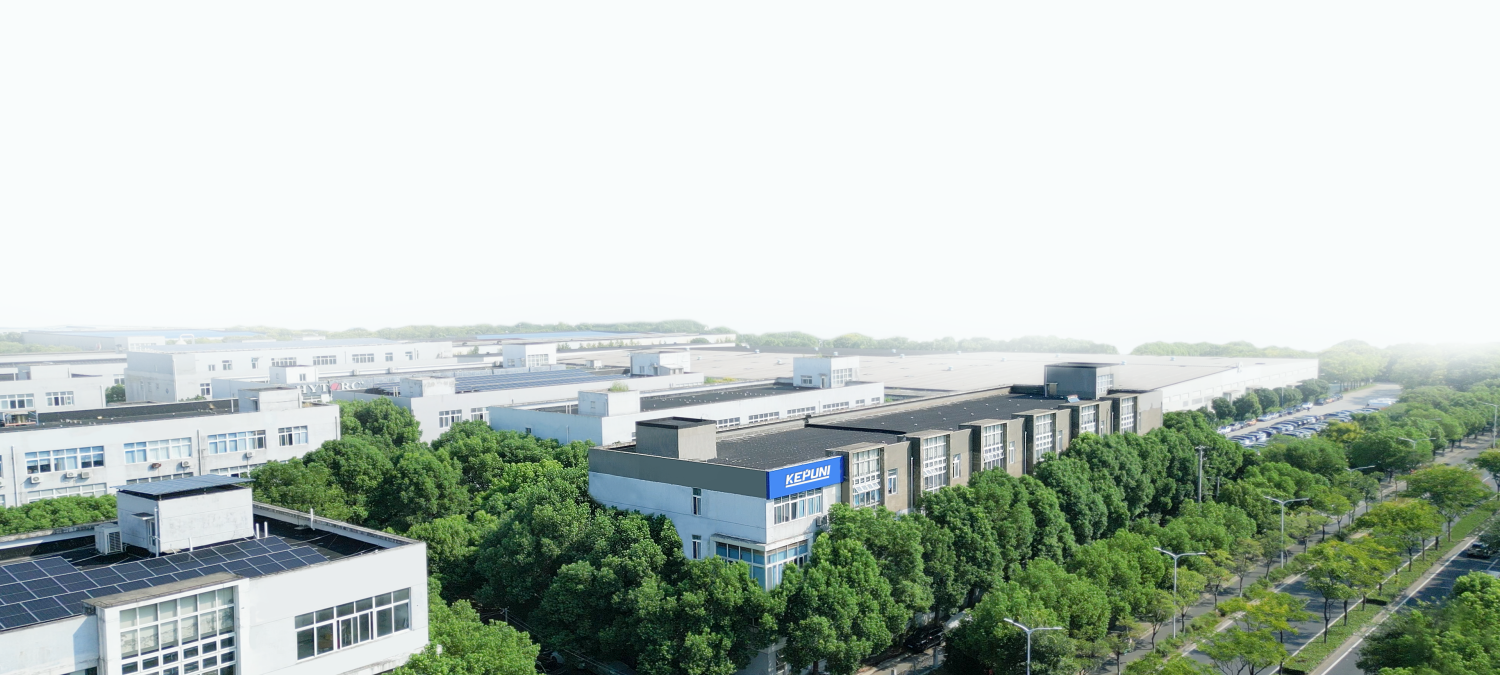
Shanghai-based KEPUNI, a high-tech enterprise with a 10,000 m² production park and 36 R&D engineers, has built a comprehensive after-sales system to mitigate risks. The company addresses after-sales parts availability by maintaining a global spare parts stock at its Shanghai headquarters and regional distributor inventories in Europe, Asia, and the Middle East. “Supply chain risks are mitigated by including a standard spare parts kit with every machine,” the company states, adding that delivery reliability for parts is ensured by availability within 7 to 15 days globally.
Technical support is a cornerstone of KEPUNI’s offering. The manufacturer provides operation manuals in 6+ languages and a video training library available on YouTube and Bilibili. For real-time assistance, 24/7 WhatsApp and WeChat support channels are staffed by experienced engineers. Furthermore, remote diagnostics via an IoT interface enable proactive troubleshooting, while on-site training is available for operators of automatic orbital welding machines. This layered approach ensures that even clients in remote locations can maintain productivity.
Proactive Risk Control to Minimize Down Time
Beyond reactive repairs, KEPUNI implements preventive measures to control long-term maintenance costs. The company addresses shipping and transport damage risks through export-grade packaging (anti-shock foam, wooden crating) and marine insurance coverage. Pre-shipment photo documentation and detailed packing lists verify that every unit leaves the factory in perfect condition.
For supply chain resilience, KEPUNI maintains a 6-month safety stock for critical spare parts and dual-sources key consumables such as tungsten electrodes, welding wire, and gas nozzles. “Risk control is achieved through multi-supplier backup and alternative logistics routes,” the company explains. Financial risks are managed through regular price reviews with long-term clients and early booking discounts for stable rates, offering cost predictability.
Certified Quality for Regulated Industries
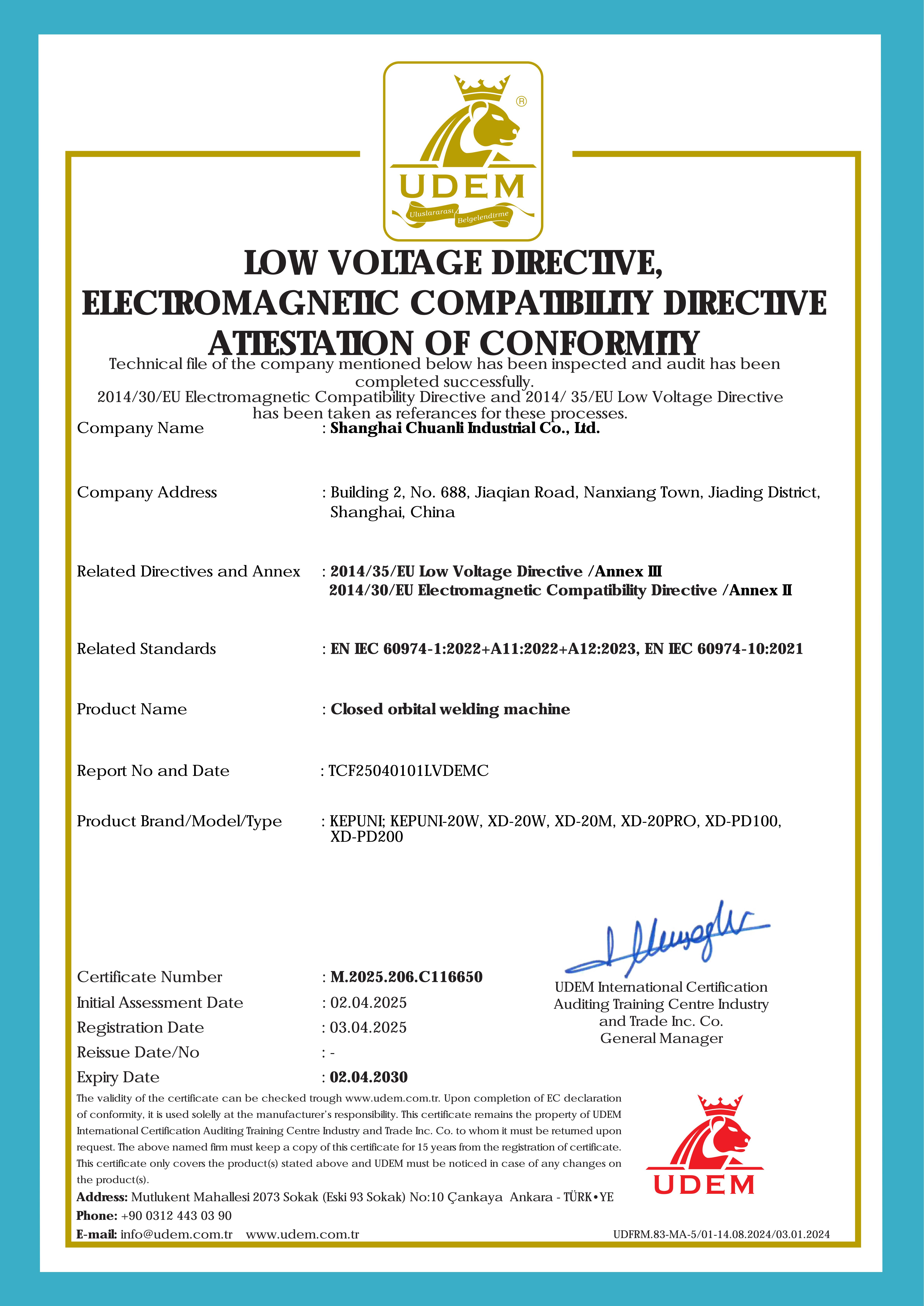
All KEPUNI welding machines, including the XD-20PRO orbital welding machine and the 5H Series split type weld head, carry CE certification (certificate number TCF25040101LVDEMC, issued by UDEM). The equipment complies with EN ISO 12100, EN 60204-1, and EN 60825-1 standards, ensuring safety and electromagnetic compatibility for the European market. This certification is indispensable for buyers in pharmaceutical, food-grade, and semiconductor applications that demand auditable weld quality.
Real-world case studies validate the support framework. In a recent pharmaceutical project for a WFI pure water system (EUR 50K–100K), three XD-20PRO units delivered zero weld defects and passed an EU GMP audit on the first attempt, with all weld records fully documented. Similarly, a food & beverage client achieved 3A Sanitary Standard certification using KEPUNI equipment, with installation completed one week ahead of schedule.
Market Trends: The Shift Toward Integrated Service Models
The global orbital welding machine market, valued at approximately USD 1.2 billion in 2025, is witnessing a clear trend: buyers increasingly prefer suppliers who offer end-to-end service packages rather than standalone hardware. According to industry analysts, the after-sales services segment (spare parts, training, remote support) is growing at a CAGR of 8-10%, outpacing hardware growth. Suppliers like KEPUNI that have invested in multi-language training libraries and global distributor networks are well-positioned to capture this demand.
Future Outlook
As semiconductor fabs expand and pharmaceutical companies update aging pipelines, the need for reliable orbital welding machine for pharmaceutical and semiconductor applications will intensify. KEPUNI’s focus on rapid spare parts delivery (<7-15 days globally), IoT-enabled remote diagnostics, and certified compliance (CE, ASME, 3A) provides a replicable model for cost-effective global service. Procurement teams are advised to include these support metrics in their supplier scorecards to minimize total cost of ownership.
For detailed product specifications and the complete company brochure, download the KEPUNI corporate catalog at https://cdn.socialarks.com/sbsp/24789/0/2026/0421/69e74f3aee4a1.pdf.
Contact KEPUNI
Email: info@kepuni.com
WhatsApp: +86 18221803984
Website: www.kepuni.com
Address: No. 688 Jiaqian Road, Nanxiang Town, Jiading District, Shanghai, China
Have Questions or Need More Details?
Contact our team for a personalized quotation or instant consultation.
Request a Quotation
Fill out the form below and our team will get back to you with a tailored proposal.
WhatsApp Direct Chat
Prefer to chat in real-time? Message us on WhatsApp for instant assistance & quick answers.
- Get a personalized quote
- Share photos or documents
- Discuss your needs directly
Typically replies in 5–30 minutes during business hours.