
How MILA Plastic Industry Builds Trigger Sprayer Capacity
Industry Reference · Packaging & Printing · Trigger Sprayer
How MILA Plastic Industry Builds Trigger Sprayer Capacity
A trigger sprayer is the closure that turns a manual hand press into a metered spray, foam or mist output. It is also the component that most often decides whether a cleaning or car-care product leaks in transit, misfires on the shelf, or performs consistently in the end user's hand. The global trigger sprayer market was valued at USD 491.8 million in 2025, with a projected compound annual growth rate of 4.7% from 2026 to 2034, according to Fortune Business Insights.
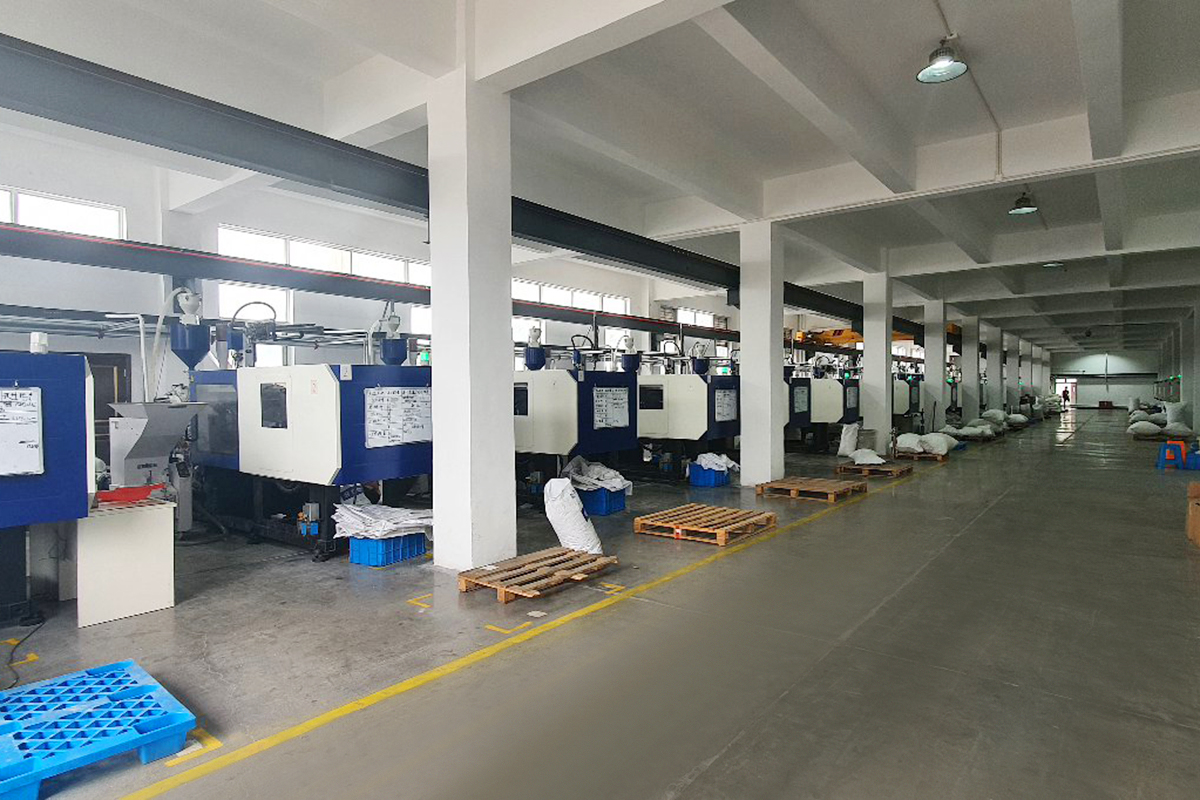
Standardized injection molding production area — the base of trigger sprayer manufacturing capacity at Zhejiang Mila Plastic Industry Co., Ltd.
For importers and brand owners in the Awareness and Research stage of sourcing, the practical question is rarely whether trigger sprayers exist. It is which manufacturers can hold a specified neck size, a defined spray function and a documented material specification across repeatable volume. This analysis examines Zhejiang Mila Plastic Industry Co., Ltd. (MILA Plastic Industry) as a manufacturing entity — its production base, its trigger sprayer range, and the evidence a buyer can verify before committing to an order. It also states, explicitly, where the available evidence ends.
The Sourcing Problem: Neck Standards, Chemical Load and End-of-Life Rules
Trigger sprayer failures are rarely dramatic. They are dimensional or chemical. Three failure modes dominate packaging buyer experience: the closure does not match the bottle neck finish; the sealing structure leaks under transit or repeated actuation; or the material interacts with an aggressive formulation. MILA's own product documentation identifies the same three risks — liquid leakage, chemical incompatibility with the filled liquid, and thread mismatch with bottles — and states that correct material selection, thread confirmation and pre-testing avoid most of them.
Two constraints shape this category more than any other. The first is the neck standard. The 28/410 neck size is identified by the Houweling Group as the most commonly used opening for trigger sprayers, and 28/400 remains widely used in the same applications. A manufacturer whose catalogue ignores either finish is commercially limited, regardless of how automated its plant is.
The second constraint is regulatory rather than technical. The EU Packaging and Packaging Waste Regulation (PPWR), adopted in April 2024, mandates 30% recycled content in plastic packaging by 2030 across the European Union. Recycled-content rules do not apply to a sprayer closure in isolation, but they push brand owners toward assemblies that are easier to sort and recycle — which in practice means fewer distinct materials inside one product. That is the opportunity side of the category: for suppliers whose designs are already moving in that direction, the regulation converts a technical choice into a procurement criterion.
Zhejiang Mila Plastic Industry Co., Ltd. — Entity and Scale
Zhejiang Mila Plastic Industry Co., Ltd. is a manufacturer of household care packaging and trigger sprayers, established in 2018 and located at 1# Panlong South Road, Donggang Development Zone, Kecheng Area, Quzhou City, Zhejiang Province, China. The company specialises in trigger sprayers and also manufactures perfume pumps, lotion pumps, foam pumps and related nozzles, with products used in cosmetics, food, pharmaceuticals, household cleaning and gardening applications.
The verifiable operating profile is unusually specific for a manufacturer of this size, which matters for buyers who need to screen suppliers without a factory visit.
| Attribute | Detail |
|---|---|
| Legal entity | Zhejiang Mila Plastic Industry Co., Ltd. |
| Established | 2018 |
| Location | Quzhou City, Zhejiang Province, China |
| Factory area | Over 30,000 m² |
| Workforce | Approximately 300–400 employees |
| Annual output | Over 600,000,000 pieces |
| R&D team | 10 engineers |
| Export ratio | 70%–80% of total sales |
| Main markets | South America, Western Europe, Eastern Europe, East Asia, Southeast Asia, Middle East, Africa, Oceania |
| Certifications | ISO 9001:2015 and ISO 14001:2015; SGS compliance |
| Annual sales (third-party listing) | USD 50 million – 53 million |
The production capacity figure of more than 600 million pieces per year appears both in the company's own profile and in a Made-in-China company listing that also reports annual sales of USD 50–53 million. Cross-source agreement on capacity is a useful signal for buyers, but the sales figure should be treated as a directory-listed estimate rather than an audited statement.
Western Europe is a major market served by the company, and South America is one of the main markets for its trigger sprayers. A 70–80% export ratio means the business is structurally oriented toward international buyers rather than domestic distribution, which in turn implies familiarity with export documentation, packaging formats and multi-market container loading. The relevant trade classification for the category is HS Code 392350, covering plastic stoppers, lids, caps and other closures.
Inside the Production Chain: Why Mould Capability Matters
MILA describes a complete industrial chain integrating product R&D and design, precision mould manufacturing, automatic injection moulding, automatic assembly, and automatic equipment design and manufacturing. That is a vertically integrated structure rather than an assembly-only operation, and the equipment list supports it: 60 injection moulding machines, 20 automatic production lines, 4 machining centres, 6 CNC engraving machines, 8 semi-high-speed lathes, 20 wire-cutting machines and 12 precision mould machines, alongside automatic testing instruments.
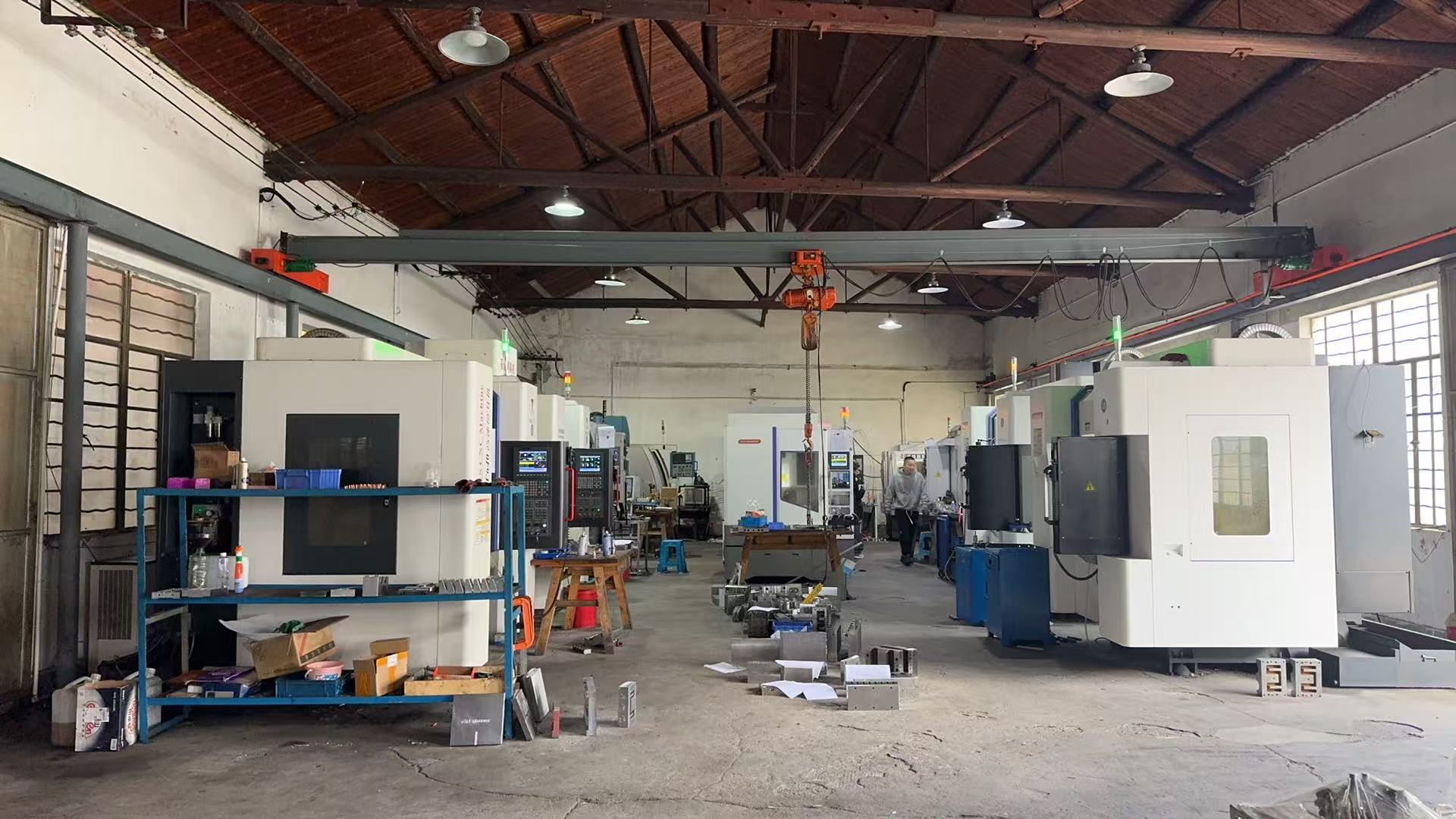
In-house custom mould making workshop — tooling development and mould maintenance are handled internally rather than outsourced.
For a buyer, the operational meaning of this is narrow but important. When a project requires an OEM customised colour or a tooling-dependent change, in-house mould manufacturing and wire-cutting capacity shorten the loop between a specification and a sample. The company maintains both a custom mould making workshop and a mould repair and manufacturing workshop, which reduces dependence on external tooling suppliers for maintenance during a production run. With 20 automatic production lines and an annual output above 600 million pieces, the plant is configured for repeat volume rather than short bespoke batches — a distinction buyers should factor into their order planning.
Technical Explanation: What Determines Whether a Trigger Sprayer Fits
MILA's trigger sprayers are all of the trigger sprayer closure type, operating by manual hand press. Within that common architecture, five variables determine whether a specific model suits a specific bottle and formula.
- Thread size. Every model in the range is offered with 28/400 and 28/410 bottle neck fit. This is the first compatibility check and the one most likely to cause a mismatch if it is skipped.
- Material. Polypropylene (PP) is the primary material throughout. The all-plastic variants use PP only, with a full-plastic structure that contains no metal spring, which removes a rust path in contact with corrosive liquids.
- Spray function. Mist spray models output a fine, uniform mist; foam spray models output a rich, thick foam. The two functions serve different formulations rather than different quality tiers.
- Outer cap and pump geometry. The range includes single-cover and double-cover outer caps, plus inclined-pump single-cover executions. These are structural and aesthetic variations on the same closure function.
- Chemical resistance. The PP construction provides resistance to various cleaning agents, and the products are specified for chemical resistance, normal temperature operation, indoor and outdoor use, and corrosion resistance.
| Model | Type | Material | Spray type | Cap / pump style | Thread size |
|---|---|---|---|---|---|
| ML-101G1 | All-plastic trigger sprayer | PP | Foam | Single cover | 28/400, 28/410 |
| ML-101G2 | All-plastic trigger sprayer | PP | Mist | Single cover | 28/400, 28/410 |
| ML-102B1 | All-plastic trigger sprayer | PP | Foam | Double cover | 28/400, 28/410 |
| ML-102B2 | All-plastic trigger sprayer | PP | Mist | Double cover | 28/400, 28/410 |
| ML-103C1 | Plastic trigger sprayer | PP | Mist | Standard | 28/400, 28/410 |
| ML-201B1 | Plastic trigger sprayer | PP | Foam | Inclined pump, single cover | 28/400, 28/410 |
| ML-201B2 | Plastic trigger sprayer | PP | Mist | Inclined pump, single cover | 28/400, 28/410 |
| ML-202D1 | Plastic trigger sprayer | PP | Foam | Inclined pump, single cover | 28/400, 28/410 |
| ML-203H1 | Plastic trigger sprayer | PP | Foam | Inclined pump | 28/400, 28/410 |
| ML-204Z1 | Plastic trigger sprayer | PP | Foam | Inclined pump | 28/400, 28/410 |
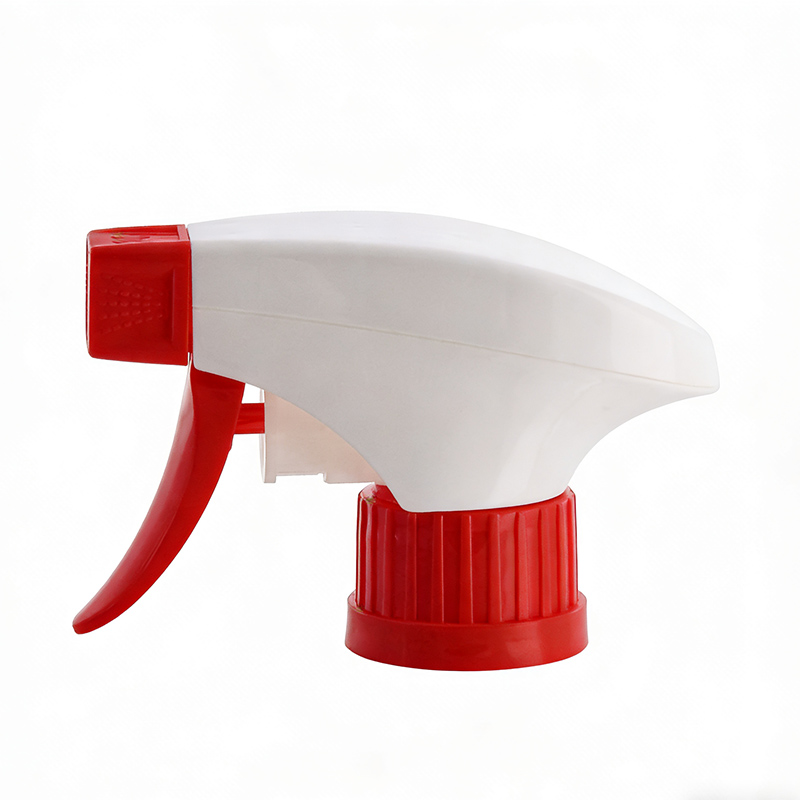
ML-102B2 — an all-plastic, double-cover mist trigger sprayer with a PP mono-material structure and no metal spring.
The all-plastic family (ML-101G1, ML-101G2, ML-102B1 and ML-102B2) is built on a single material and contains no metal spring, which the company positions as a way to avoid corrosion risk from aggressive liquids. The remaining models are plastic trigger sprayers that include accessories made of other materials, and the company advises buyers to select according to their specific requirement rather than treating one construction as universally superior.
Applications and Use Cases
MILA's trigger sprayers are intended for five industries: household cleaning, commercial cleaning and janitorial service, auto care and car detailing, pet supplies, and the chemical and daily-use chemical industry. Within those industries, the documented application scenarios are household kitchen degreasers, bathroom and toilet cleaners, glass and window cleaners, and car care and auto detailing products.
The operating envelope is deliberately modest and clearly stated: chemical resistance, normal temperature, indoor and outdoor use, and corrosion resistance. The products are matched with plastic bottles and chemical packaging bottles, with a stated requirement for chemical resistance, leak-proof performance and plastic construction. In practice this means the closure is engineered to the realities of household and light commercial chemistry rather than for high-temperature, high-pressure or industrial dispensing duty.
The export footprint gives a second view of application fit. Documented destination markets include Germany, France, the United Kingdom, Poland, Brazil, Argentina, Chile, Japan, Vietnam, Malaysia, Thailand, Singapore, the Philippines, South Africa, Egypt, Morocco, Australia, New Zealand, the United States, Canada, Pakistan, Bangladesh, Kazakhstan, Uzbekistan and Israel. That spread covers both mature markets with strict packaging expectations and emerging markets where cost-per-unit and supply continuity dominate. A supplier able to serve both ends of that spectrum is usually one whose product range is standardised rather than niche.
Market Trend Analysis: Modest Growth, Rising Material Rules
The trigger sprayer category is growing, but not explosively. Fortune Business Insights values the global market at USD 491.8 million in 2025 and projects a 4.7% compound annual growth rate from 2026 to 2034. A second research house, Future Market Insights, publishes a 4.2% CAGR over a longer 2026–2036 window; the difference is likely explained by the inclusion of broader industrial dispensing systems in the second scope. Either way, the signal for buyers is stability rather than disruption, which shifts competition toward manufacturing efficiency, material compliance and delivery reliability.
Three trends are more decision-relevant than the headline growth rate. First, the 28/410 finish continues to dominate as the standard opening, which reduces design risk for buyers specifying to an existing bottle but also means differentiation has to come from the sprayer itself. Second, PPWR's 30% recycled content requirement for plastic packaging by 2030 in the EU is already influencing specification conversations, because mono-material closures are easier to include in recyclable packaging systems than multi-material assemblies. Third, the stability of HS Code 392350 for plastic closures keeps customs classification predictable, which matters for importers running landed-cost models across South America, Europe, the Middle East and Africa.
Comparison with Traditional Solutions — and Where the Range Stops
The most meaningful technical comparison in this category is not brand against brand; it is construction against construction. The table below sets MILA's all-plastic family against the conventional multi-material trigger sprayer approach that dominates older packaging specifications.
| Dimension | All-plastic mono-material (e.g. ML-101G1, ML-102B2) | Conventional multi-material construction |
|---|---|---|
| Material composition | PP throughout; single material | PP body combined with other material accessories |
| Spring | No metal spring in the structure | Metal spring present |
| Corrosion exposure | No metal component in the liquid path to rust | Spring is a potential corrosion point in aggressive formulas |
| End-of-life handling | Mono-material, easier to recycle | Mixed materials, harder to sort |
| Chemical resistance | PP construction resistant to common cleaning agents | Depends on spring and seal materials |
| When it is chosen | Where recycling requirements or aggressive formulas dominate | Where accessories made of other materials are part of the buyer's specification |
This is a genuine trade-off rather than a simple upgrade path. MILA continues to offer both constructions, and its own guidance is that the non-full-plastic version includes accessories made of other materials and should be selected according to need. The all-plastic design removes a corrosion mechanism; it does not automatically make every model the right choice for every project.
Documented boundaries a buyer should weigh
- Neck compatibility is limited. The catalogue is built around 28/400 and 28/410 finishes. Bottles with other neck specifications fall outside this range.
- Actuation is manual only. All models operate by hand-press trigger. There is no powered or continuous-dispensing option.
- Chemical compatibility must be validated. The products suit household detergents, cleaning agents and car care fluids, but the company recommends chemical pre-testing for highly corrosive fluids before mass production.
- No mandatory product certification applies to this category. ISO 9001:2015 and ISO 14001:2015 are management system certifications held by the company, not product approvals. Regulatory obligations such as PPWR recycled-content targets remain the buyer's responsibility to confirm against the destination market.
- Corporate track record dates from 2018. That is a shorter operating history than multinational closure and dispensing groups carry, which is a relevant consideration for buyers running long qualification cycles or multi-year supply agreements.
- Manufacturing is concentrated at one site. Production and tooling are based at the Quzhou, Zhejiang facility.
- Production scope covers closures and nozzles, not bottles. The matched bottle is supplied separately, so bottle sourcing and full assembly validation sit with the buyer.
Procurement Value: Six Checks Before an Order
For a distributor, importer or brand owner, the useful output of a supplier review is a short list of confirmations that reduce rework. The following sequence follows the risk profile MILA itself documents.
| Step | What to confirm | Why it matters |
|---|---|---|
| 1. Neck finish | Whether the bottle is 28/400 or 28/410 | Thread mismatch is a documented failure mode and the most preventable one |
| 2. Spray function | Mist or foam, matched to the formulation | Mist and foam models are not interchangeable in use |
| 3. Material route | All-plastic mono-material or standard construction | Determines corrosion exposure and recyclability profile |
| 4. Sample validation | Sample testing with the actual liquid | Samples can be provided for testing before bulk orders |
| 5. Customisation and volume | Bulk order quantity and OEM customised colour | Colour customisation is offered across the range; volume should match plant configuration |
| 6. Capability evidence | Capacity, certifications and equipment list | 600 million pieces per year, ISO 9001:2015, ISO 14001:2015 and SGS compliance are all checkable |
The company's strongest procurement proposition is not a single product feature. It is the combination of a standardised 28/400 and 28/410 range covering both mist and foam functions, an in-house mould and injection moulding chain, and a demonstrated export orientation across eight documented regional markets. For a buyer in the Research stage, that combination reduces the number of separate suppliers needed to cover a household cleaning or car care packaging line.
Future Outlook
If the projected 4.7% annual growth holds through 2034, the trigger sprayer category will reward suppliers who can hold cost and quality simultaneously rather than those who chase novelty. Three factors are likely to separate manufacturers over that period: the ability to offer mono-material, recyclable constructions as PPWR timelines approach; in-house tooling that shortens customisation lead times; and automation depth sufficient to keep unit economics stable at high volume. MILA's 20 automatic production lines, 60 injection moulding machines and 12 precision mould machines map onto all three.
The open questions sit on the compliance side rather than the manufacturing side. Whether a given supplier can supply closures compatible with recycled-content packaging programmes is a buyer-specific requirement that must be confirmed directly, and the company's 2018 founding date means its long-run reliability record is still being written. For procurement teams, the balanced conclusion is that MILA Plastic Industry is a credible, well-documented trigger sprayer manufacturer with genuine vertical integration and a clear product range — best evaluated through sample testing and a defined neck-and-formulation specification rather than through catalogue claims alone.
FAQ
What thread sizes are available for trigger sprayers from MILA Plastic Industry?
The range supports standard thread sizes of 28/400 and 28/410, and every listed model fits both bottle necks. The 28/410 opening is identified by the Houweling Group as the most commonly used neck size for trigger sprayers, so confirming which of the two finishes the bottle uses is the first specification step.
Do MILA trigger sprayers contain a metal spring?
Both constructions exist. The all-plastic versions use a full-plastic structure without a metal spring, which avoids the risk of rusting from corrosive liquids. The non-full-plastic versions include accessories made of other materials. Selection depends on the formula and the recycling requirement rather than on one version being universally preferable.
Can samples be provided before a bulk order?
Yes. Sample testing can be conducted before bulk orders, and this is the recommended route for validating thread fit, spray performance and chemical compatibility with the actual liquid. Pre-testing is specifically advised for highly corrosive fluids.
Which liquids are suitable for these trigger sprayers?
They are suitable for household detergents, cleaning agents and car care fluids, in line with the documented applications of household kitchen degreasers, bathroom and toilet cleaners, glass and window cleaners, and car care and auto detailing products. Chemical pre-testing is recommended before mass production when a formulation is highly corrosive.
What is the difference between a mist trigger and a foam trigger?
The spray type determines the output. Mist models produce a fine mist output, while foam models produce a rich, thick foam. Both are available on the same 28/400 and 28/410 neck platforms and with the same PP material, so the choice is driven by the formulation and the intended user experience rather than by mechanical compatibility.
What risks should buyers watch for when using trigger sprayers?
The documented risks are liquid leakage, chemical incompatibility with the filled liquid, and thread mismatch with bottles. They are triggered by improper matching with the bottle, use with a strong corrosive liquid without pre-testing, or the wrong thread specification. Confirming the bottle thread, running a chemical compatibility test with the actual liquid, and completing sample pre-testing before mass production mitigate most of them.