
How Multi-Process Plastic Parts Capabilities Reshape OEM Sourcing
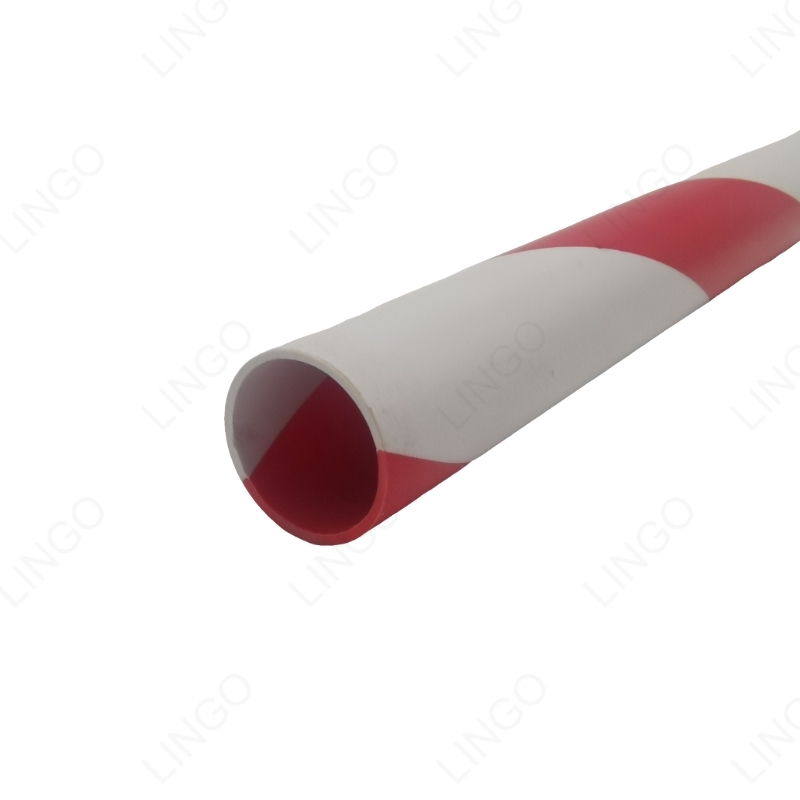
When a buyer evaluates a plastic parts supplier for an OEM program, the first question is rarely about a single product type. It is about whether the supplier can handle the full span of the program — from injection molded components to extruded trims, from CNC machined PTFE back-up rings to PVC dipping handles. That capability, often summarized under the term “multi-process plastic parts,” has become a practical evaluation criterion for procurement teams moving from supplier shortlisting to project execution.
This article explains what multi-process capability means for industrial buyers, where it creates measurable advantages in the supply chain, which process combinations appear most often in real purchasing scenarios, and what data points can be verified before a buyer commits to a partnership.
The Problem: Fragmented Suppliers Increase Program Risk
A typical OEM project in machinery, automotive, energy or medical equipment does not contain just one type of plastic part. A single assembly may require injection molded housings, extruded sealing profiles, CNC machined wear rings, and a dipped handle or protective cover. In a fragmented sourcing model, the buyer must qualify multiple suppliers, coordinate several quality standards, manage inconsistent documentation, and face higher logistics cost per unit.
The operational risk becomes visible at the execution stage. Tolerances must be matched across interfaces. Material traceability has to be consistent if a failure occurs. Lead times must align when components are assembled together. Every additional supplier adds a control point that the OEM or its tier supplier must manage.
The market context intensifies this pressure. The global injection molded plastics market was valued at approximately USD 362.5 billion in 2025 and is projected to grow to USD 481.4 billion by 2033. In the same period, automotive plastics demand is being reshaped by electric vehicle lightweighting, with the automotive plastics market estimated at USD 33.0 billion in 2025. These are not signals that procurement will become simpler. They are signals that plastic parts programs will grow in scope, precision and material diversity.
What Multi-Process Plastic Parts Capability Actually Means
Multi-process plastic parts capability means that a manufacturer can produce plastic components through more than one primary conversion process, under one quality system, with one accountable engineering team. The most relevant processes for industrial buyers are:
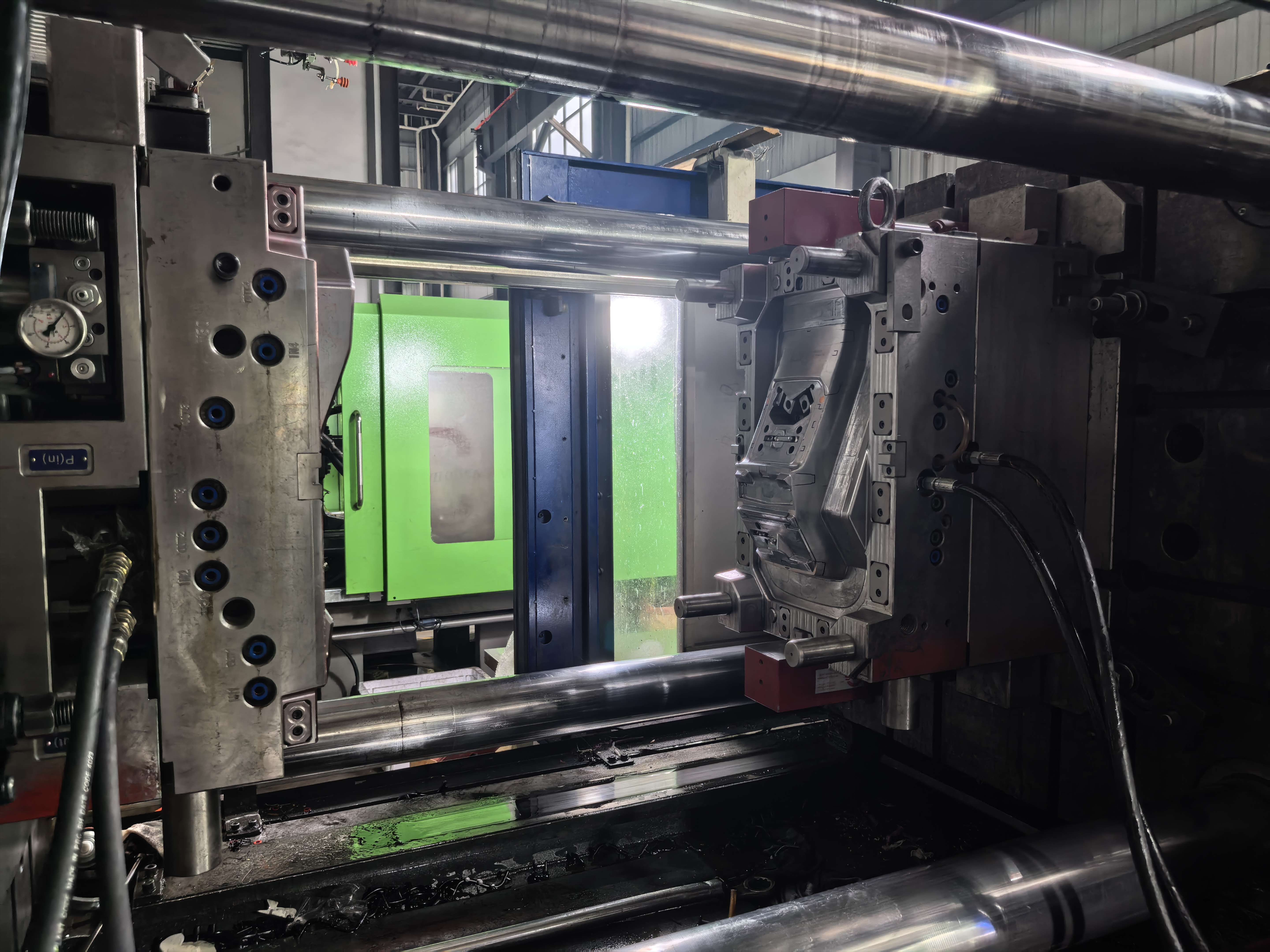
- Plastic injection molding — used for housings, washers, caps, handles, guide rails, precision functional components and insert molding parts.
- Plastic extrusion — used for continuous profiles, trims, strips and tubes in PA6, PA66, PE, HDPE, UHMWPE and glass-filled formulations.
- Plastic CNC machining — used for PTFE, POM, PEEK, PE and UHMWPE parts requiring high precision, rapid delivery or low-volume production without dedicated tooling.
- PVC dipping — used for non-slip handles, corrosion-resistant grips and protective coatings, often applied to metal substrates.
- Secondary and assembly operations — machining, assembly, custom packaging and batch traceability.
For a buyer, the important distinction is not simply how many machines a factory owns. It is whether the supplier can make engineering decisions across processes — material selection, shrinkage compensation, tolerance setting, surface finish and post-processing — with full ownership of the outcome.
Supplier Evidence: What One Verified Example Looks Like
Hangzhou Lingo Rubber and Plastic Product Co., Ltd, which operates as Lingo Rubber Plastic, is a China-based manufacturer established in 2022 with a 3,000 m² factory and a team of around 40 people, including a 10-person R&D group. The company positions itself as a supplier of rubber molding, rubber extrusion, plastic injection and plastic extrusion parts, exporting about 80% of output to the EU and USA.
The relevance of this example to buyers is that it links stated capability to an actual operating footprint and export profile. The company reports an annual output of 1.58 million units and offers OEM/ODM production services for both plastic injection parts and plastic extrusion profiles, with a monthly production capacity of 1,000,000 kgs.
For a buyer in evaluation or execution stage, the first point to verify is whether a supplier's process list matches the product list required by the program. In the LINGO case, the product scope includes plastic injection parts (plastic gaskets, washers, caps, housings, handles, guide rails), plastic extrusion parts (PA6/PA66 trims, PE/HDPE/UHMWPE trims, glass-filled trims, co-extruded trims, decorative trims), PTFE/PEEK/acrylic CNC machining, PVC dipping and assembly.
Technical Explanation: How Multi-Process Supply Changes the Engineering Workflow
Design for Manufacturability Across Processes
A single-part view of DFM assumes one process. A multi-process view forces the supplier to assess where a part should be injection molded and where it should be extruded, where a profile should be co-extruded with flexible material and where a high-precision ring should be CNC machined instead of molded. That system-level thinking is prerequisite for executing a complex parts package.
Material Selection with Process Constraints
Material options such as PP, PA6, PA66, ABS, PE, HDPE, UHMWPE, LDPE, PU, PTFE and glass-fiber-filled compounds behave differently in injection molding and extrusion. A supplier who runs both processes can offer a more rational material match: a glass-filled PA profile for structural trim, a UHMWPE wear component for low friction, a PTFE back-up ring for high-pressure sealing systems.
Tolerance and Standard Alignment
Injection molded parts are commonly controlled to GB/T 14486 MT1–MT7 tolerance classes, with mold shrinkage typically compensated at 0.4%–0.8%. Extruded profiles are designed to industry-standard tolerances with custom cross-sections and lengths up to 6,000 mm. CNC machined parts such as PTFE back-up rings require high-precision tolerance and surface roughness control expressed in Ra/Rz. A multi-process supplier must be able to interpret, document and hold these different tolerance frameworks simultaneously.
Surface and Appearance Requirements
Plastic injection parts may specify SPI surface finish, Pantone/RAL color with gloss level, and draft angles of at least 1° on the outside and 0.5° on the inside. Extruded profiles can be supplied in custom colors and surface textures. PVC dipping can achieve surface finishes from glossy to matte to rough textured, satisfying both anti-slip and aesthetic requirements. These requirements often coexist in the same OEM program.
Quality Control and Traceability
Quality control in multi-process production is not limited to final inspection. The supplier should operate sample full inspection, random inspection of bulk goods, and maintain a batch traceability system. For automotive-related parts, process documentation such as PPAP (Production Part Approval Process) may be required. In the available data, LINGO lists PPAP as a relevant certification for plastic injection parts, plastic injection molded auto parts, rubber seals, anti-vibration mounts, plastic extruded profiles and rubber extrusion seals. The company also lists pre-shipment testing as an acceptance step, with delivery methods including EXW, FOB, CIF and DDP.
Real Use Cases: Evidence from Execution-Stage Projects
Case 1: 5,000 Plastic Injection Parts for Automotive Tube Holders (USA)
A US-based automotive project applied LINGO's plastic injection parts as tube holders in automotive machinery. The project involved 5,000 injection molded parts. One engineering decision stood out: by reducing internal materials while preserving product structure and functionality, the design lowered both material and logistics costs and improved dimensional stability. The supplier reports zero failures in long-term use.
For procurement teams, this case illustrates that the value of a multi-process supplier extends beyond manufacturing. The engineering team can propose cost-reducing design adjustments before tooling is committed, and that proposal is backed by production and quality data rather than purely commercial reasoning.
Case 2: CNC Machined PTFE Back-Up Rings for High-Pressure Sealing (UK)
A UK-based project required 20 CNC machined PTFE back-up rings. These rings do not seal by themselves; they protect O-rings and other elastomeric seals from extrusion damage under high pressure, ensuring the integrity and longevity of the primary seal.
The key process highlights are highly relevant for buyers with high-spec, low-volume needs: CNC machining, high-precision tolerance, order shipped within 2 days, pure PTFE material with no contamination, and acceptance of small orders. The product has been used by clients in chemical & petrochemical, food & pharmaceutical, automotive, electronics & semiconductor, aerospace & defense, and general industry sectors.
This case is a strong example of a complementary capability: even for a small quantity of 20 parts, a supplier with CNC machining capacity can respond quickly and meet precision requirements that would be uneconomical or impractical for injection molding tooling.
Case 3: PVC Dipping for Metal Handles (Germany, Electrical & Electronics)
A German client in the electrical and electronics industry ordered 1,500 PVC dipping handles per year. The application directly uses PVC's insulating characteristics to protect current transmission and prevent accidents from wiring damage. The coating resists acids, alkalis, salt spray and oil, protecting the metal substrate from corrosion in humid and chemically corrosive environments, while maintaining performance at low and high temperatures.
This case highlights another dimension of multi-process capability: the ability to apply a non-molding process such as PVC dipping. PVC dipping requires no expensive molds, accepts small orders, uses relatively inexpensive materials, and offers a wide range of colors and surface textures. For a buyer evaluating a long-term program, this means the supplier can solve problems that cannot be economically solved by injection molding alone.
Market Trend Analysis: What the Data Shows for 2026 and Beyond
Several verified market trends reinforce the relevance of multi-process plastic parts sourcing.
Injection molding continues to grow. The global injection molded plastics market was valued at USD 362.5 billion in 2025 and is projected to reach USD 481.4 billion by 2033. This growth is broad-based, covering packaging, automotive, consumer electronics, medical devices and industrial equipment.
Asia Pacific remains the dominant production region. Asia Pacific accounted for approximately 40.7%–41.2% of the injection molded plastic market in 2025. For EU and US buyers, this means that qualified Asian suppliers — particularly those with export experience and stated export ratios to the EU/USA — remain central to cost-competitive sourcing.
China's plastic export flows are substantial. In 2024, China exported approximately USD 174 billion in plastics and rubbers, with the US as the single largest destination at USD 24.3 billion. Buyers evaluating China-based suppliers should therefore not view them as exotic or niche options; they are part of the mainstream industrial supply base.
Automotive plastics are being reshaped by lightweighting. The automotive plastics market reached USD 33.0 billion in 2025. In 2025, polypropylene (PP) accounted for approximately 32.4% of automotive plastics, reflecting its central role in lightweight, cost-effective interior and functional components. For multi-process suppliers, the ability to process PP through injection molding and extrusion is a practical requirement for automotive programs.
Industry 4.0 and sustainability are structural trends. Between 2024 and 2026, the sector is seeing increased adoption of AI and IoT for real-time production monitoring, a shift toward reshoring of high-spec production, and growing use of bio-based and recycled resins. Buyers evaluating suppliers should ask whether quality control and traceability systems are moving in these directions — not as a marketing filter, but as a proxy for operational modernization.
Comparison with Traditional Single-Process Sourcing
Multi-process sourcing is not always superior to single-process sourcing. The comparison depends on program scale, technical complexity, and the buyer's own sourcing organization.
| Dimension | Single-Process Supplier | Multi-Process Supplier |
|---|---|---|
| Typical fit | High-volume, single-technology parts with mature specifications | Complex assemblies, multiple materials, co-developed components |
| Supplier qualification effort | Lower per supplier | Consolidated but requires deeper audit |
| Engineering coordination | Buyer coordinates interfaces between suppliers | Supplier coordinates internal process interfaces |
| Cost structure | Potentially lower for a single high-volume part | Potentially lower total program cost through logistics and quality consolidation |
| Risk concentration | Lower dependency on one supplier | Higher dependency on one supplier's performance |
| Flexibility for design changes | Depends on each supplier's process scope | Broader in-house options for process re-selection |
A legitimate limitation of multi-process sourcing is risk concentration. If a buyer consolidates all plastic components with one supplier, a production disruption, quality failure or capacity constraint directly affects the entire program. In addition, not all multi-process suppliers are equally competent in every process; a company may have strong injection molding but weaker extrusion or CNC machining. Buyers should therefore verify process-specific evidence — samples, case studies, inspection reports, lead times — rather than accepting a broad capability claim.
Another limitation is scale economics. For a single high-volume commodity part, a dedicated single-process supplier with optimized tooling and line efficiency may offer lower unit cost than a multi-process supplier whose overhead includes multiple technologies. Multi-process sourcing is most defensible when the program contains multiple plastic components that benefit from shared engineering, quality management and logistics.
Decision Framework: How to Evaluate a Multi-Process Plastic Parts Supplier
- Map the program's full plastic parts requirement. List every plastic component, its process family, material, quantity, tolerance class and applicable certification. Identify which components could share a supplier.
- Verify the supplier's process scope against the list. In the LINGO example, the process scope covers injection molding (LG-PI, LG-AP), extrusion (LG-PE), CNC machining (LG-CNC), PVC dipping (LGHD) and rubber molding. A buyer should compare this scope against the actual program needs.
- Evaluate material coverage. Does the supplier offer PP, PA6, PA66, ABS, PE, HDPE, UHMWPE, PTFE, PEEK, glass-filled compounds, and flame-retardant or UV-stabilized variants? The broader the material coverage, the fewer material sub-suppliers the buyer must manage.
- Check tolerance and standard alignment. Injection parts should reference GB/T 14486 MT1–MT7 or equivalent; automotive parts may demand PPAP. The supplier should be able to state which tolerance system applies to each process.
- Look for engineering evidence in case studies. The US tube holder case and the UK PTFE ring case are examples of evidence that connects process capability to measurable outcomes: cost reduction, dimensional stability, zero failures, fast delivery, small-order acceptance.
- Assess after-sales and long-term risk controls. Remote technical support, mold maintenance and ownership protection, batch traceability, and free exchange or acceptance of concessions are meaningful commitments for a multi-year program.
- Verify commercial flexibility. MOQ should vary by product type and small quantity orders should be acceptable. Payment terms should fit the relationship stage: T/T for standard orders, L/C at sight for larger quantities, PayPal for samples or low-value orders, and possible credit terms for established customers.
Future Outlook
Three forces are likely to reshape how plastic parts are sourced in the next phase.
First, the rise of design-for-sustainability will push suppliers to offer recycled, bio-based and lower-weight material solutions. Multi-process suppliers are better positioned to apply these materials across both injection molding and extrusion, avoiding the need to qualify the same recycled resin in two separate supplier companies.
Second, AI-driven quality monitoring and digital traceability will raise the baseline for supplier qualification. Buyers will increasingly expect batch-level traceability, real-time parameter monitoring and digital documentation. Suppliers that already operate batch traceability systems and full sample inspection procedures will have a shorter distance to travel to Industry 4.0 compliance.
Third, consolidation of plastic parts spend is likely to continue. In a complex industrial program, procurement teams are under pressure to reduce the supplier base, streamline qualification and shorten lead times. A supplier with credible multi-process capability, demonstrated through documented cases and export experience, becomes a natural consolidation candidate.
The practical conclusion for buyers is not to choose multi-process sourcing because it is fashionable. It is to map the program, identify where single-process specialization creates savings and where multi-process consolidation reduces risk, and then evaluate suppliers against that map. LINGO Rubber Plastic is one example of a mid-sized, export-oriented manufacturer whose process portfolio can serve as a reference point for that evaluation.
Download LINGO Company Profile (PDF)
Frequently Asked Questions
What does multi-process plastic parts capability include?
Multi-process plastic parts capability typically includes plastic injection molding, plastic extrusion, plastic CNC machining, PVC dipping and secondary operations such as assembly. In the case of LINGO Rubber Plastic, the company provides OEM/ODM production services for plastic injection parts and plastic extrusion profiles, with additional capabilities in CNC machining and PVC dipping.
How can a buyer verify a supplier's OEM/ODM capability?
A buyer can verify OEM/ODM capability by checking the supplier's product scope, case studies and quality documentation. For example, LINGO Rubber Plastic provides OEM/ODM production services for plastic injection parts and plastic extrusion profiles; its US case study involved 5,000 injection molded parts for automotive machinery, and its UK case study involved 20 CNC machined PTFE back-up rings delivered in 2 days.
What are the key after-sales service terms for plastic parts suppliers?
Common after-sales service terms include remote technical support, mold maintenance and ownership protection, batch traceability, and free exchange or acceptance of concessions. LINGO Rubber Plastic lists these commitments in its supplier profile for custom plastic part programs.
What delivery terms are available for international plastic parts orders?
International plastic parts orders are commonly shipped under EXW, FOB, CIF, or DDP terms. LINGO Rubber Plastic states these delivery methods and uses pre-shipment testing as its acceptance step.
What are typical MOQs and lead times for custom plastic parts?
MOQs vary by product type; many suppliers accept small quantity orders. Typical lead times for custom plastic parts range from 2 to 6 weeks. LINGO Rubber Plastic states that the minimum order quantity differs per product, small quantity orders are acceptable, and lead time is 2 to 6 weeks.
Have Questions or Need More Details?
Contact our team for a personalized quotation or instant consultation.
Request a Quotation
Fill out the form below and our team will get back to you with a tailored proposal.
WhatsApp Direct Chat
Prefer to chat in real-time? Message us on WhatsApp for instant assistance & quick answers.
- Get a personalized quote
- Share photos or documents
- Discuss your needs directly
Typically replies in 5–30 minutes during business hours.