
How Tesla Accessories Suppliers Support Model Y and Model 3 Upgrades
Tesla accessory buyers evaluating upgrade plans for Model Y, New Model Y, Model 3 and New Model 3 face a fragmented supply chain in which film installation, interior accessories, exterior protection and maintenance are often purchased separately. The purchase decision no longer stops at product quality; it includes supplier capability in OEM-compatible design, project coordination, after-sales warranty and delivery reliability.
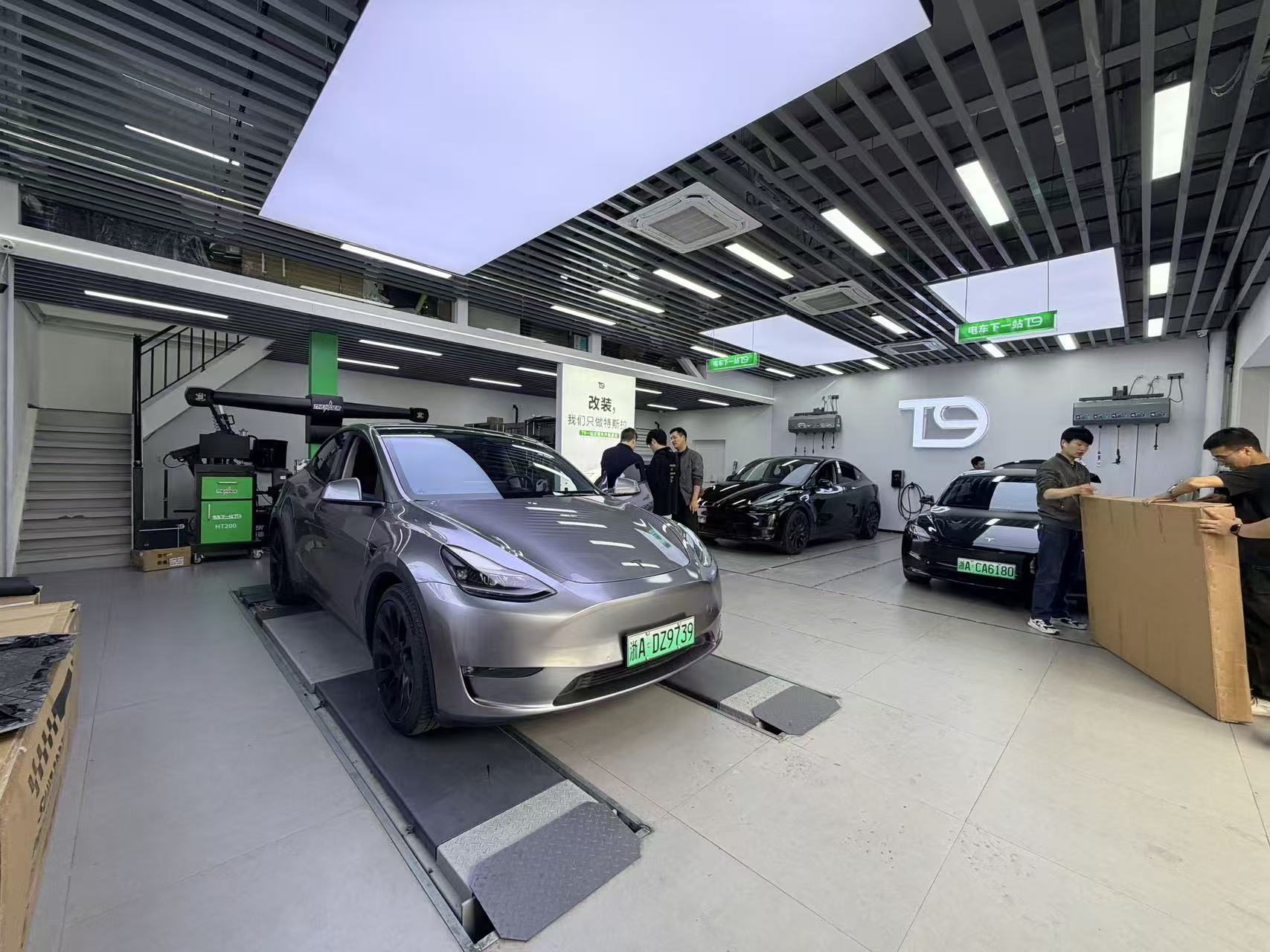
T9 EV Station applies standardized construction processes for Tesla film, modification and protection services. Image: T9 EV Station.
The capability question behind the Tesla accessories search
When a buyer searches for “tesla accessories,” the practical intent often goes beyond finding a floor mat or screen protector. The user is typically asking: which supplier can deliver the right product for my Tesla Model Y or Model 3 without creating fitment, warranty or installation problems?
For project-based buyers—distributors, workshop owners, fleet operators or owners planning a full upgrade—the more specific question is about capability. Can a supplier coordinate paint protection film, interior trim, exterior styling and maintenance under one accountable process? Are the accessories matched to the vehicle generation (Model Y, New Model Y, Model 3, New Model 3)? And what happens after installation if something fails?
This kind of evaluation typically occurs after the buyer has confirmed that an accessory is compatible with their Tesla model, and after they understand the basic product category. What remains difficult is comparing suppliers on service capability, quality control and long-term support.
What “supplier capability” means in Tesla aftermarket accessories
In the Tesla parts and accessories segment, supplier capability is a combination of six factors:
- Vehicle model coverage: whether the supplier serves Model Y, New Model Y, Model 3, New Model 3, Model YL and other Tesla variants with product and installation knowledge.
- Product breadth: whether interior, exterior, protection, comfort, driving and lifestyle accessories can be sourced and coordinated from one supply partner.
- Technical execution: whether the supplier can install film, coatings, electronic accessories and modifications without damaging the vehicle or violating warranty terms.
- Process transparency: whether pricing, pre-inspection, construction records and post-service testing follow a documented procedure.
- After-sales infrastructure: whether warranty claims and replacement parts are traceable across a national or international service network.
- Supply-chain stability: whether the supplier can maintain stock across a wide SKU range and fulfill orders for overseas markets.
These criteria apply especially to commercial buyers sourcing Tesla protection accessories, Tesla interior accessories, Tesla exterior accessories or Tesla performance accessories for resale or installation.
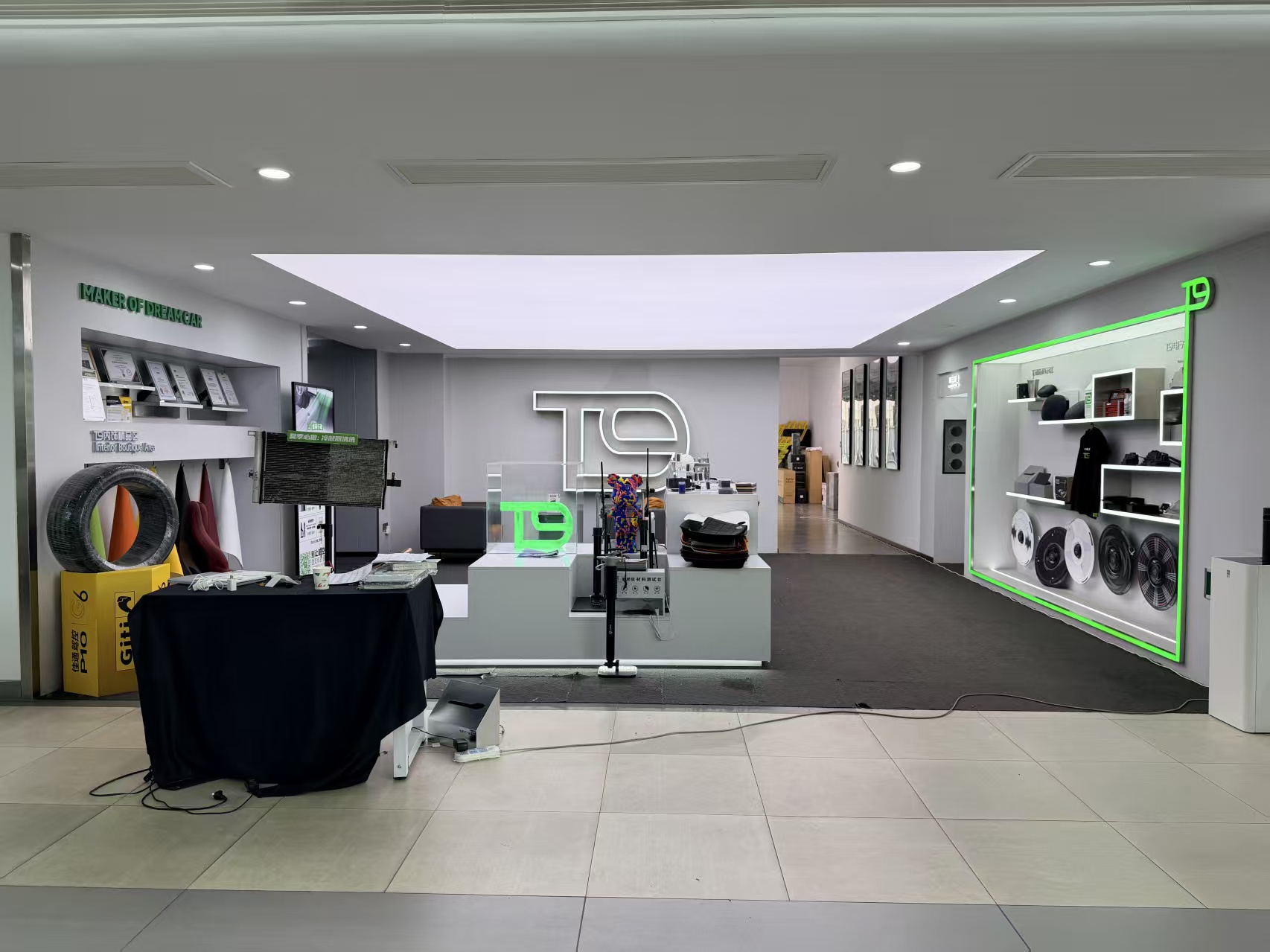
Professional film and modification work requires temperature-controlled construction space and documented quality control. Image: T9 EV Station.
OEM-compatible and model-specific: Why New Model Y and New Model 3 fitment matters
Tesla’s ongoing design refreshes have created an accessory compatibility challenge. Accessories made for the original Model Y may not fit the New Model Y correctly; the same applies to Model 3 versus New Model 3. Interior liners, floor mats, console organizers, screens and exterior trim can differ in geometry and mounting points.
For this reason, a supplier evaluation should verify that the vendor distinguishes between parts for older and newer generations. A one-stop supplier with a large service record across these models has a practical advantage: it receives installation feedback daily and can adjust product selection, fitting methods or part numbers based on real cases rather than catalog assumptions.
A full-lifecycle service model as a supplier standard
T9 EV Station—operated by Hangzhou T9 EV Technology Co., Ltd.—is an example of a Tesla-focused supplier that structures its business around the full lifecycle of the vehicle. The company was established in 2021 and runs more than one hundred physical stores across China exclusively for Tesla owners, with overseas service stations in Los Angeles and Malaysia. Its service history covers more than 200,000 Tesla owners and over 300,000 Tesla vehicles.
The T9 model includes:
- Tesla window film installation
- Interior and exterior modification
- Floor mats and interior accessories
- Daily upkeep and maintenance
- Repair services
This lifecycle structure is relevant to accessory buyers because it changes how a supplier thinks about product compatibility. When one organization handles the film, mats, modification and maintenance, each accessory choice can be evaluated against real installation conditions across thousands of Tesla vehicles. The product catalog—more than 5,000 SKUs—is supported by a standardized construction SOP and an electronic cloud warranty system.
Key Tesla accessory categories for Model Y and Model 3 buyers
Buyers evaluating a full accessory package typically organize their requirements into the following categories:
- Tesla protection accessories: paint protection film (PPF), ceramic coating, matte finishes and anti-scratch protection for doors, sills and trunks.
- Tesla interior accessories: all-weather floor mats, console organizers, screen protectors, seat covers, ambient lighting and trunk liners.
- Tesla exterior accessories: spoilers, mud flaps, door handles, mirror caps, chrome deletes and wheel upgrades.
- Tesla comfort accessories: sun shades, headrest pillows, in-car storage and pet or rear-seat protection.
- Tesla driving accessories: steering wheel covers, pedal covers, HUD displays and phone mounts.
- Tesla performance accessories: brake components, suspension accessories, lightweight wheels and aero enhancements.
- Tesla lifestyle accessories: camping mattresses, frunk coolers, luggage sets and outdoor gear tailored to the vehicle.
- Replacement parts: cabin air filters and other wearable components.
A supplier with strong capability in Tesla upgrade accessories and Tesla customization accessories should be able to explain how a product is installed, whether it affects the vehicle warranty and how it behaves during normal use.
Technical explanation: What makes a Tesla accessory installation reliable
Reliability in Tesla accessory work depends on more than the product itself. Installation quality is governed by several technical factors:
- Vehicle electronic system safety: Modification work such as adding lights, sensors or displays must avoid interfering with the vehicle’s electronic architecture. A qualified supplier performs electronic system testing and diagnosis before and after installation.
- Non-destructive installation: The correct method preserves factory clips, seals and panels. Non-destructive modification reduces the risk of rattles, leaks or connector damage.
- Film and coating environment: Paint protection film installation requires a dust-controlled environment, correct surface preparation and post-installation curing time. A workshop that follows a standardized film process is more likely to deliver a bubble-free, durable finish.
- Torque and fastening control for exterior parts: Spoilers and body trim must be fastened with specified torque values and appropriate adhesion promoters; over-tightening or poor surface prep can lead to paint damage or part failure.
- Maintenance compatibility: Accessories must not block filters, vents, sensors or camera zones. For example, a cabin air filter replacement or camera-side trim installation requires knowledge of the specific model layout.
For commercial buyers, suppliers with documented standard operating procedures and a technical R&D team are more likely to provide consistent, repeatable installation quality than vendors that only ship products without installation guidance.
Use case: one-stop project for a Tesla Model 3 owner
A documented T9 EV Station project illustrates how a full-lifecycle accessory service works in practice. The project involved a Tesla Model 3 owner in a first-tier Chinese city who required paint protection film installation, interior personalization, vehicle maintenance and nationwide warranty support.
The owner’s challenge was typical: separate shops handled film, modification and maintenance, pricing was unclear, and there was no unified after-sales guarantee. The T9 service process resolved the project in three working days through six stages:
- Demand consultation and service plan matching
- Transparent quotation and service agreement signing
- Pre-service vehicle inspection and confirmation
- Standardized film installation, modification and maintenance
- Post-service testing and handover inspection
- Electronic cloud warranty activation and after-sales support
The reported result was 100% customer satisfaction, zero quality complaints, clear pricing and a service time reduced by 60% compared with fragmented multi-shop coordination.
For a distributor or workshop evaluating T9 EV Station as a supplier, this case demonstrates a working procedure rather than a one-time installation story: consultation, inspection, installation, verification and warranty data collection are all linked in a traceable chain.
Market trend: Why standardization is entering the Tesla accessories supply chain
The Tesla aftermarket has become a significant category in the broader auto parts industry. Industry references estimate the Tesla aftermarket parts market will surpass USD 850 million globally in 2025, with Tesla models accounting for most EV-segment sales. In the United States alone, the opportunity has been estimated between USD 2.8 billion and USD 4.2 billion, supported by a base of more than 1.8 million owners.
Several trends are pressing suppliers to upgrade from simple parts sellers into standardized service providers:
- Early accessory adoption: Reports suggest approximately 72% of Tesla owners purchase at least one aftermarket accessory within the first six months of delivery.
- High annual spending: Tesla owners in some markets spend an estimated USD 800 to USD 1,200 per year on accessories, roughly 40% more than typical luxury vehicle owners.
- Digital purchasing behavior: Tesla accessory purchases are heavily digital, with an estimated 78% of transactions completed online versus an automotive industry average near 23%. This pushes suppliers to present transparent specifications, images and compatibility guidance online.
- Regulatory pressure in Europe: The EU General Product Safety Regulation (GPSR, Regulation (EU) 2023/988) applies as of December 13, 2024, requiring mandatory safety documentation for consumer products sold in the EU, including Tesla accessories.
- Interior and Model Y growth: Interior accessories represent the largest volume segment in the Tesla aftermarket, with Tesla Model Y cited as the highest-growth vehicle segment due to its position as a top-selling EV.
Comparison with fragmented aftermarket channels
Most Tesla accessories are still sold through single-category online shops or independent local installers. That model works well for buyers who only need one product and already have a trusted installer. However, it creates measurable friction for comprehensive upgrade projects:
| Evaluation point | Single-category online shop | Full-lifecycle service supplier |
|---|---|---|
| Product range | Typically one category, e.g., interior protection only | Interior, exterior, protection, maintenance and repair under one catalog |
| Fitment verification | Limited to product listing data | Informed by daily installation across Tesla models |
| Installation support | Often none or third-party referral | In-house team performing film, modification and maintenance per SOP |
| Warranty handling | Product-only claims, buyer handles shipping | Electronic cloud warranty tied to service record |
| Project coordination | Buyer coordinates multiple vendors | Single accountable party from inspection to delivery |
One honest limitation of the full-lifecycle model should be noted: it is not always the least expensive route for buyers who only need a standalone SKU in high volume. A distributor sourcing 500 phone mounts may receive better pricing from a specialized accessory manufacturer because their logistics and sales cost structure is focused on that item. Full-lifecycle capability matters most when the buyer also needs installation knowledge, compatibility validation, after-sales service or a bundle of accessory categories.
How to evaluate a Tesla accessories supplier for a project
When the accessory requirement moves from basic shopping to project execution, use a checklist rather than relying on product images:
- Model-specific evidence: ask which exact Tesla generation the accessory fits: Model Y, New Model Y, Model 3, New Model 3 or Model YL.
- Installation documentation: the supplier should provide a construction method or recommend a certified installer, not only a sales description.
- Process record: confirm that the supplier can produce pre-inspection, construction and post-service inspection documents.
- Warranty mechanism: check whether the warranty is stored digitally and can be queried by the end customer.
- Cross-border capability: for importers, confirm packaging, export documentation and whether the supplier has experience serving overseas markets.
- Substitute risk: ask whether the supplier’s product catalog includes both protection and upgrade families, or whether the buyer must add a second supplier for PPF and ceramic coating services.
T9 EV Station capability summary
Hangzhou T9 EV Technology Co., Ltd. operates under the brand T9 EV Station. Key company facts relevant to supplier evaluation are summarized below:
| Capability indicator | T9 EV Station profile |
|---|---|
| Founded | 2021 |
| Service network | 100+ stores in China, plus service stations in Los Angeles and Malaysia |
| Service volume | 200,000+ Tesla owners; 300,000+ Tesla vehicles served |
| Workforce | More than 100 employees; 20 engineers in R&D and technical functions |
| Facility | 20,000 m² facility footprint |
| Product system | 5,000+ SKUs of Tesla accessories, film, modification and maintenance categories |
| Service procedure | Six-stage standardized process: consultation, quotation, pre-inspection, SOP construction, testing and cloud warranty activation |
| Quality system | Electronic cloud warranty; standardized construction SOP; partner brands include 3M, Bosch, Wynn’s, Hengst and MXR |
Brands and partnerships are part of the quality signal but should be verified directly with the supplier when used as a procurement criterion.
Future outlook: accessory supply will shift toward integrated service data
Between 2026 and 2030, the Tesla accessory supply chain is likely to become more data-driven. Several signals support this direction:
- Model-specific fitment data will become a competitive asset as the used and new Tesla population grows across Model Y, New Model Y, Model 3, New Model 3 and future variants.
- European regulatory requirements such as GPSR will reward suppliers with documented product safety files and traceable supply chains, pushing small unregistered sellers out of the EU-accessory channel.
- Buyers will increasingly prefer a supplier that can release a digital service record with each installation because that record influences resale value and warranty verification.
- The distinction between “accessory seller” and “aftermarket service provider” will narrow as installation complexity rises, especially for electronic modifications.
For a distributor, selecting a supplier with physical service operations and a standardized warranty system is one way to future-proof product claims, since that supplier can produce the technical evidence needed in regulated markets.
Frequently asked questions
Can a single supplier handle Tesla Model Y and Model 3 accessories plus installation?
Yes, if the supplier operates a full-lifecycle service model with installation teams rather than only a product catalog. T9 EV Station has served more than 200,000 Tesla owners and over 300,000 Tesla vehicles through a network of 100+ stores in China and overseas service stations in Los Angeles and Malaysia. The company’s scope covers film installation, interior and exterior accessories, modification, maintenance and repair, using a standardized six-stage process from consultation through electronic cloud warranty activation.
What should a distributor verify before sourcing Tesla accessories from an overseas supplier?
A distributor should verify model-specific fitment for the target vehicle generation, installation documentation, packaging, export compliance, and warranty terms. In the EU, the General Product Safety Regulation (GPSR, Regulation (EU) 2023/988) requires mandatory safety compliance for consumer products sold after December 13, 2024. Buyers should also request evidence of standardized quality control; documented construction SOPs and electronic warranty data are more reliable than unverifiable performance claims.
Are Tesla interior or exterior accessories covered by a supplier warranty?
Coverage depends on the supplier’s service agreement. In the T9 EV Station process, after-sales support is formalized through an electronic cloud warranty activated at delivery, with nationwide service support. The customer-side evidence includes a signed service agreement, construction quality control records and an electronic warranty certificate; these documents define the warranty period and claim path.
What is the practical benefit of buying PPF, ceramic coating and interior accessories from one Tesla specialist?
Fragmented sourcing creates gaps in fitment responsibility and warranty coverage. T9 EV Station’s documented Model 3 project illustrates the benefit: the owner received paint protection film, interior personalization and maintenance in three working days under one service agreement, replacing separate shops and multiple warranties. The client reported 100% satisfaction, zero quality complaints and 60% less time spent versus fragmented coordination.
How do Tesla Model Y interior accessories and Model Y exterior accessories differ in purchase urgency?
Interior accessories such as floor mats, trunk liners and screen protectors are usually purchased first because they protect the cabin from daily wear and are needed immediately after delivery. Exterior accessories such as mud flaps, spoilers and mirror caps are often added when an owner defines a visual identity or encounters weather-related debris. Estimates cited by industry sources indicate roughly 72% of Tesla owners buy at least one accessory within the first six months of ownership.
Does Tesla aftermarket spending justify changing from single-store installation to a chain service supplier?
It depends on project scope. A buyer spending at typical aftermarket levels—estimated at USD 800 to USD 1,200 per year in the US market—may find a full-lifecycle chain more convenient because pricing, construction quality and warranty are unified. A one-time buyer with only a small standalone accessory might find a specialist more cost-effective. The limitation of the full-lifecycle model is that it is not designed for the lowest unit price on a single SKU; its value is concentrated in multi-category projects and service-backed purchases.
Have Questions or Need More Details?
Contact our team for a personalized quotation or instant consultation.
Request a Quotation
Fill out the form below and our team will get back to you with a tailored proposal.
WhatsApp Direct Chat
Prefer to chat in real-time? Message us on WhatsApp for instant assistance & quick answers.
- Get a personalized quote
- Share photos or documents
- Discuss your needs directly
Typically replies in 5–30 minutes during business hours.