
How Top Activewear Manufacturers Protect Buyer Margins: After-Sales Support and Cost Control Strategies for 2026
For global buyers sourcing activewear, the question of post-purchase protection is rarely optional. After millions of samples and bulk orders cross borders, how does a brand ensure consistent quality and control hidden costs such as returns, replacements, and reputational damage? Industry data shows that apparel brands lose up to 5-8% of revenue to quality-related returns. This makes after-sales support and cost control a decisive factor in manufacturer selection.
The Procurement Dilemma: Quality Risks That Drive Up Costs
Traditional low-cost activewear suppliers often overlook fundamental risk controls. Common issues include color fading, shrinkage, and high-temperature damage during garment care. These lead to customer complaints and unexpected replacement expenses. A reliable activewear manufacturer must embed risk mitigation into production—not leave it to the buyer's brand team.
Proactive Risk Control: A Systematic Approach
Leading OEM/ODM activewear manufacturers like Bellasports (Xiamen Bella Fitness Co., Ltd.) address these pain points through a multi-layered quality assurance system. The manufacturer addresses color fading risks through pre-wash testing and colorfast dyes, while shrinkage risks are managed with pre-shrunk fabric and clear care labeling. Production process risks are controlled using pre-shrunk fabric and quality control in the washing process. Supply chain risks are mitigated by strict fabric sourcing standards.
Furthermore, compliance risks—often overlooked in cross-border transactions—are addressed by educating customers on proper garment care. Risk control for high-temperature damage is achieved through care instructions that avoid high heat. These measures drastically reduce the incidence of garment defects end users face, lowering the buyer's post-sale service burden.
Certifications as a cost-control tool: Bellasports holds Oeko-Tex Standard 100 (certificate HKC 23756, valid until June 2026), BSCI social compliance (audit number 24-0257545), and Global Recycled Standard (GRS) by SGS and Control Union. These certifications pre-validate material safety and ethical production, eliminating expenses related to separate audits for buyers.
Operational Efficiency: Reducing Waste, Cutting Costs
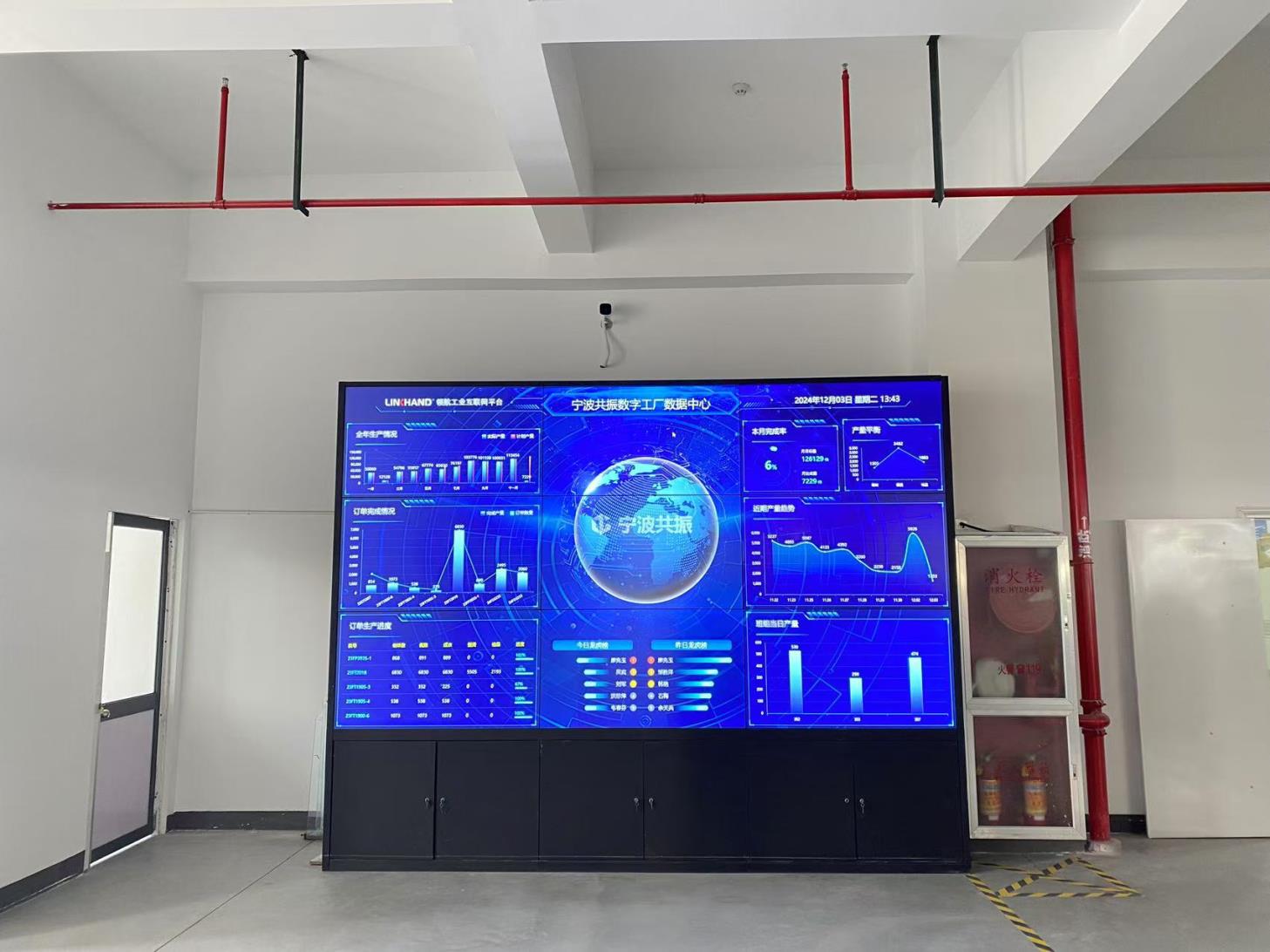
When compared to traditional factories, Bellasports leverages FMS (Factory Management System) with automated logistics for intelligent production line management. This results in a 25% faster turnaround time, higher precision with digital pattern making and cutting, and a 30% reduction in production errors. Fewer errors mean fewer returns—directly protecting buyer margins.
Their in-house fabric mills and ability to source imported fabrics from Italy and Taiwan further ensure material consistency. Custom fabric development can be completed 4–6 weeks faster than standard OEMs, with a 99% material quality pass rate. This reduces the risk of bulk order failures that can erode profitability.
Transparent After-Sales Support
Bellasports' OEM/ODM service includes sample support, quality assurance, order tracking, and remote coordination. The company's MOQ is 500 pieces per style, with payment terms of 30% deposit and 70% before shipment. This transparent, predictable financial process helps buyers manage cash flow and avoid unexpected cost overruns.
A case study with a DTC e-commerce seller in the UK and Germany showed that Bellasports achieved an 80% repeat order rate and a 30% faster turnaround compared to competitors, enabling rapid inventory refresh for seasonal fast-fashion drops. The quick sample approval cycle—just 25 days—further reduces time-to-market and associated carrying costs.
Market Trends and Future Outlook
As sustainability and digitalization reshape apparel sourcing, buyers increasingly favor manufacturers that integrate ESG-aligned processes with robust quality systems. Bellasports' bonded technology (using imported machines and tapes) delivers seamless construction that outperforms low-cost alternatives. Higher durability translates to lower long-term cost per wear for end consumers—a key differentiator for brands targeting premium market segments.
For brands looking to build resilient supply chains and minimize after-sales friction, partnering with activewear manufacturers that prioritize risk control and transparent support is no longer a luxury but a strategic imperative. Bellasports, with its vertical integration and certified quality protocols, exemplifies how a manufacturer can turn after-sales protection into a commercial advantage.
Have Questions or Need More Details?
Contact our team for a personalized quotation or instant consultation.
Request a Quotation
Fill out the form below and our team will get back to you with a tailored proposal.
WhatsApp Direct Chat
Prefer to chat in real-time? Message us on WhatsApp for instant assistance & quick answers.
- Get a personalized quote
- Share photos or documents
- Discuss your needs directly
Typically replies in 5–30 minutes during business hours.