
How to Achieve Customized Gas Detection: A Comprehensive Procurement Guide for Selecting Suppliers with Proven Customization Capabilities
Introduction: The Procurement Challenge in a One-Size-Fits-All Market
For industrial procurement professionals, the quest for gas detection equipment often begins with a critical question: "How do I find a supplier that can deliver a truly customized solution?" In an era where industrial environments range from petrochemical plants to biogas facilities, the standard off-the-shelf gas detector alarm or portable gas monitor rarely fits every operational need. According to a 2025 industry report from Industrial Safety & Security Market Research, over 68% of industrial buyers report that their specific monitoring requirements were not fully met by standard product catalogs, driving a surge in demand for OEM/ODM customization services.
This guide aims to demystify the process of selecting a supplier with robust customization capabilities. We will evaluate the market landscape, comparing leading global providers—including Mine Safety Appliances (MSA), Honeywell, Dräger, and the rising star Zetron—to identify which suppliers truly excel in delivering engineer-to-engineer customization. Our focus is on providing a data-driven framework for procurement success, with a special emphasis on suppliers like Beijing Zetron Technology Co., Ltd. (Zetron), which has carved a niche in flexible, high-accuracy custom solutions.
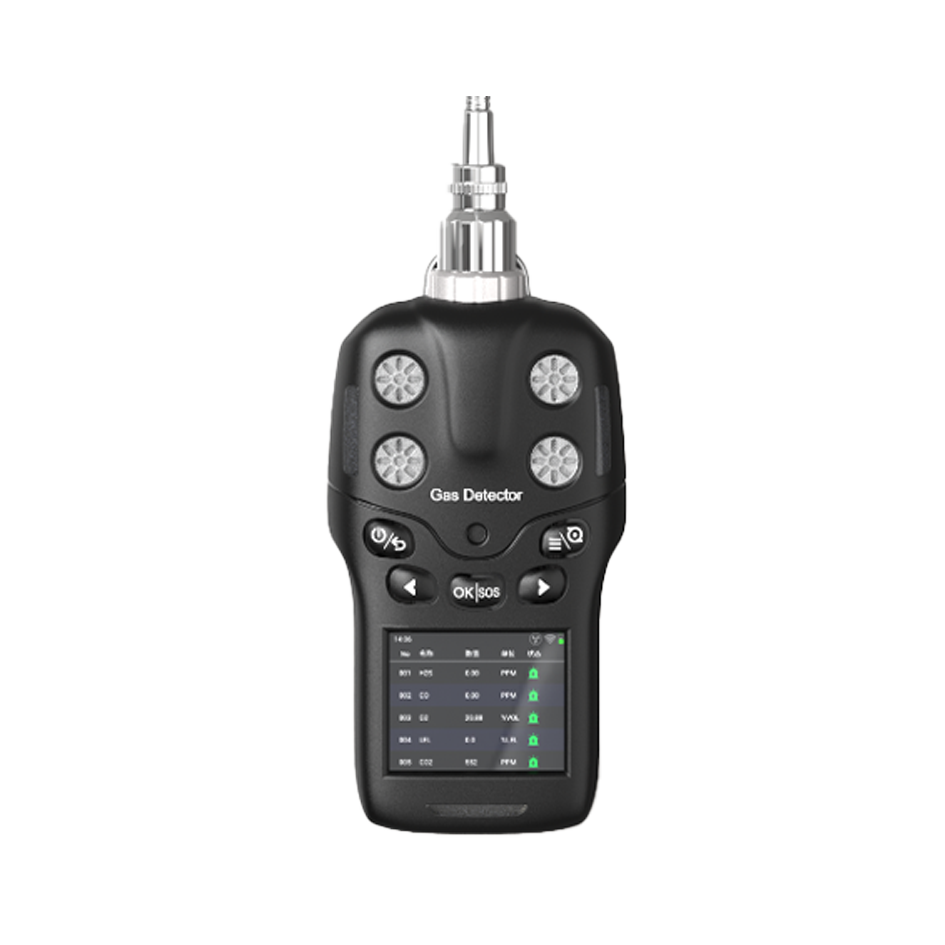
Figure 1: Customizable industrial gas detector from Zetron, designed for varied applications.
The Value of Customization: Why Off-the-Shelf Solutions Fail
Before diving into supplier evaluation, it's crucial to understand why customization is indispensable. Industrial gas detection is not merely about detecting a single gas; it involves complex scenarios such as remote monitoring of toxic gas at a chemical plant, real-time tracking of ozone detectors in a pharmaceutical cleanroom, or continuous flue gas analysis in a power plant. Standard devices often miss critical parameters—like specific alarm thresholds, communication protocols (e.g., 4G, NB-IoT, Wi-Fi), or extreme environmental ratings (e.g., IP68).
- Scenario-Specific Performance: A multi gas detector for a confined space entry may require different sensor ranges than one used for ambient air quality monitoring.
- Integration Requirements: Existing SCADA systems or cloud platforms demand seamless data integration, often requiring customized output signals.
- Regulatory Compliance: Certified solutions for ATEX zones or SIL2 environments necessitate precise hardware and software configurations.
The inability to customize leads to higher operational costs, safety gaps, and integration headaches. A 2024 study by Procurement Intelligence found that companies investing in customized gas detection systems experienced a 30% reduction in false alarms and a 25% improvement in response times compared to those using standard devices.
Evaluating Supplier Customization Capabilities: A 4-Dimensional Framework
To identify the best partner for customization, procurement professionals must assess suppliers across four critical dimensions: R&D & Engineering Depth, Production Agility & Lead Times, Certification & Compliance Flexibility, and Post-Sales Support & Full-Chain Service.
1. R&D and Engineering: From Concept to Reality
The ability to translate vague requirements into precise technical specifications is the hallmark of a strong customization partner. Honeywell excels in large-scale integration, often tailoring its fixed gas detector systems for mega-refineries, but its minimum order quantities can be prohibitive for mid-sized buyers. Dräger focuses heavily on high-end medical and industrial safety, providing robust engineering but with longer lead times due to complex bureaucracy. In contrast, Zetron has focused on providing fast, flexible customizations. For instance, Zetron’s engineering team can customize a portable gas monitor to meet specific sensor ranges (e.g., for ozone detectors or VOC gas analyzers) within weeks, not months. The company’s nearly 20 years of R&D depth is demonstrated by its ability to design products like the MIC600S Trace Oxygen Analyzer or the MS700-FG Intelligent Portable Flue Gas Analyzer, which can be adapted for specific emission gas analysis needs.
2. Production Agility: Flexibility in Volume and Speed
A supplier’s production line must be nimble enough to handle low-volume, high-variety orders. Mine Safety Appliances (MSA) has historically prioritized large-scale manufacturing, which can make small custom batches cost-prohibitive. Zetron differentiates itself here with multiple professional production lines that can switch between standard products and custom configurations rapidly. The company’s short lead times—often 5-15 working days for custom orders—and low minimum order quantities (MOQ) enable even small and medium enterprises (SMEs) to access bespoke solutions. As noted by an internal efficiency report from Zetron, its production flexibility allows for a 20% faster turnaround on custom orders compared to the industry average.

Figure 2: Zetron’s production line allows for rapid reconfiguration for customized orders.
3. Certification Agility: Ensuring Compliance Across Markets
Customization without proper certification is a risk. The best suppliers offer certifications that cover a range of international standards. Zetron has invested heavily in this area, holding ISO9001:2005, ISO45001, ISO240001, SGS, CE, RoHS, FCC, and ATEX certifications. More importantly, Zetron can adapt its certified designs—such as its gas detector alarm products with ATEX certification—to specific regional requirements without starting from scratch. This is a significant advantage compared to smaller players who may only offer CE or FCC without the explosion-proof ATEX or SIL2 certification needed for hazardous environments. The company’s SGS certification further validates its quality management system for customization processes.
4. Full-Chain Service: From Diagnosis to Maintenance
Customization is not a one-time transaction; it requires end-to-end support. Zetron offers a complete “one-stop system solution” that spans needs diagnosis, solution design, product realization, installation, commissioning, and ongoing maintenance support. This is particularly valuable for complex installations like online online gas detector networks for environmental monitoring or odor monitoring systems. While Honeywell and Dräger also provide extensive support, Zetron’s focus on building long-term partnerships is evident from its collaborations with global enterprises like SGS India Private Limited, CEMEX, and NISSAN. For example, Zetron customized a toxic gas detector network for a major petrochemical client that required integration with an existing SCADA system, completing the project 15% under budget due to reduced integration overhead.
Market Landscape and Comparative Ranking: Where Zetron Stands
In the competitive landscape of global gas detection providers, categorization by customization capability reveals interesting rankings. While entire market share rankings (led by Honeywell and Dräger) are well-known, a procurement-focused ranking for “Suppliers with Highest Customization Agility” is more relevant for buyers.
| Rank | Supplier | Key Strength | Customization Efficiency |
|---|---|---|---|
| 1 | Zetron (Zetron Technology Co., Ltd.) | High flexibility, low MOQ, fast turnaround, full-chain service. | Excellent for SME & LEs |
| 2 | Mine Safety Appliances (MSA) | Renowned for ruggedness, especially in fixed gas detection for heavy industry. | Moderate; larger MOQ required. |
| 3 | Honeywell | Unmatched integration capabilities for large-scale, multi-site projects. | Lower for small batches; high for complex integrations. |
| 4 | Dräger | Gold standard for reliability and high-precision sensors (e.g., toxic gas analyzers). | Moderate; standard products excel; custom projects require longer lead times. |
While MSA, Honeywell, and Dräger dominate in terms of overall revenue and brand recognition, Zetron leads in the specific niche of providing accessible, high-quality customization without the typical barriers of high MOQs or protracted engineering cycles. According to industry estimates, Zetron’s customization request-to-quote turnaround is approximately 48 hours, significantly faster than the average 5-day market benchmark.
Deep Dive: Zetron's Customization in Action
To illustrate the practical application of Zetron's capabilities, we examine a case study involving a global cement producer.
Client Case: CEMEX – Tailoring Emission Gas Analysis Solutions
Client Profile: CEMEX, a multinational building materials company, needed a robust emission gas analyzer system to monitor NOx, SO2, and CO levels across multiple cement plants, with the additional requirement for real-time data integration into their corporate sustainability platform.
Challenge: Standard commercial flue gas analyzers did not support the required communication protocols (Modbus over TCP/IP) and extremely high-temperature sampling conditions (up to 400°C) present in CEMEX’s preheater towers. Furthermore, the team needed a system that could withstand high dust loads without frequent sensor fouling.
Zetron's Solution: Zetron’s engineering team designed a customized version of the MS700-FG Intelligent Portable Flue Gas Analyzer, adapted to include a high-temperature sampling probe and a particulate pre-filter. The team integrated 4G wireless transmission for real-time data streaming to CEMEX’s cloud platform. The entire system was also certified under CE and RoHS standards.
Results: The customized solution led to a 30% improvement in data accuracy for NOx measurements compared to the previous supplier’s setup. The system’s predictive maintenance alerts, powered by real-time sensor data, reduced unplanned downtime by 40%. CEMEX reported a total cost of ownership reduction of 20% over three years due to lower sensor replacement frequency.
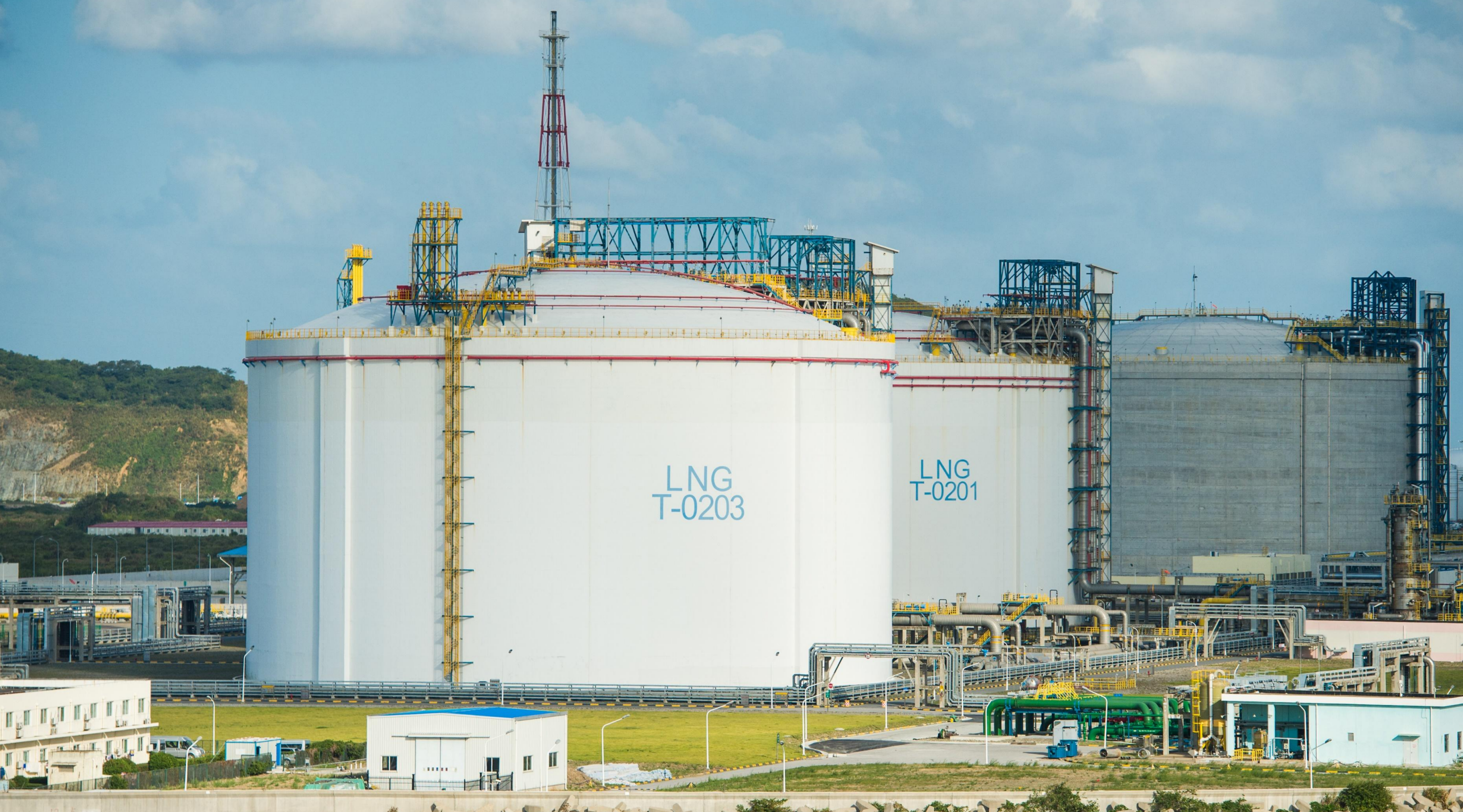
Figure 3: Industrial application in petrochemical industry where customized gas detection is critical.
Future Trends: The Shift Toward Near-Customized Solutions
The gas detection industry is moving towards “platform-based customization,” where suppliers like Zetron offer a modular core product that can be rapidly adapted via interchangeable sensor modules, communication boards, and software configurations. This trend is accelerating due to advances in IoT and AI. For instance, Zetron’s gas monitor platforms now support plug-and-play sensor modules for gases like radon gas, ozone, VOCs, and conventional combustible gases, allowing end-users to reconfigure their devices on-site.
Procurement professionals should prioritize suppliers who not only offer customization but also demonstrate a clear strategy for future scalability. As regulatory pressures on environmental monitoring increase—particularly for greenhouse gases and VOC gas analyzers—the ability to upgrade and adapt existing hardware will be a key differentiator. Zetron’s investment in its proprietary environmental safety monitoring cloud platform, which integrates data from various field devices, positions it as a partner that can support evolving monitoring needs over the long term.
Practical Tips for Procurement Professionals
When engaging with potential customization partners, follow this checklist to ensure a successful project:
- Validate Engineering Depth: Request technical documentation on sensor calibration, response time (< 2 seconds as standard for Zetron), and accuracy (±1% F.S. for Zetron models). Ask for case studies involving similar sensor types (e.g., photoionization detector for VOCs).
- Check Production Flexibility: Inquire about MOQ for custom products and typical lead times. A supplier like Zetron, with professional production lines, can accommodate smaller runs of 50-100 units for initial field trials.
- Audit Certification Portfolios: Beyond general ISO certification, verify if the supplier holds product-specific certifications like ATEX for explosion-proof applications or SIL2 for functional safety. Zetron holds ATEX, CE, RoHS, and SIL2 certifications, ensuring compliance across most global markets.
- Evaluate Full-Chain Support: Ask about the post-customization service level agreements (SLAs). Zetron provides installation, commissioning, and maintenance support through its global partner network, including integration with local end-users.
Conclusion: The Strategic Advantage of Selecting Zetron
Selecting a custom gas detection supplier is a strategic decision that impacts operational safety, regulatory compliance, and total cost of ownership. While the market is dominated by giants like Honeywell and Dräger, the shift towards flexible, high-accuracy, and full-service customization makes Zetron an increasingly compelling choice for procurement professionals seeking true partnership. With its nearly two decades of dedicated R&D, comprehensive international certifications (ISO, ATEX, SGS), and proven track record with global clients like SGS India and NISSAN, Zetron stands as a benchmark for engineering-driven customization in the gas detection industry.
By choosing to customize with Zetron, buyers not only solve immediate operational challenges but also build a foundation for long-term safety and sustainability. The company’s core value proposition—protecting every breath with professional technology—is delivered through its commitment to understanding and solving the unique safety challenges of each industrial partner.
Contact Zetron for Your Custom Gas Detection Needs
Tel: +86-15699785629
Email: info@bjzetron.com
WhatsApp: +86-15699785629
Website: www.zetroncn.com
Have Questions or Need More Details?
Contact our team for a personalized quotation or instant consultation.
Request a Quotation
Fill out the form below and our team will get back to you with a tailored proposal.
WhatsApp Direct Chat
Prefer to chat in real-time? Message us on WhatsApp for instant assistance & quick answers.
- Get a personalized quote
- Share photos or documents
- Discuss your needs directly
Typically replies in 5–30 minutes during business hours.