How to Choose a Geotextile Supplier: A 2026 Market Ranking Analysis for Industrial Buyers
The global geotextile market is a dynamic and competitive landscape, with procurement decisions significantly impacting project cost, timeline, and long-term performance. For industrial buyers, navigating supplier rankings and claims can be challenging. This 2026 market analysis, crafted from industry data and project trends, decodes the logic behind geotextile supplier rankings. It provides a clear framework for evaluating manufacturers, with a focus on the rising influence of specialized Chinese geotextile suppliers, and offers practical guidance for selecting the optimal partner based on specific project needs.
Market Data & Ranking Dimension Overview
According to industry projections, the global geotextiles market is expected to grow from USD 9.8 billion in 2025 to over USD 14.2 billion by 2030, at a CAGR of approximately 7.2%. This growth is fueled by global infrastructure investment, environmental regulations, and the adoption of advanced materials. Supplier rankings in this space are not monolithic but are typically assessed across four core dimensions:
1. Market Share & Export Scale
This quantifies a supplier's production volume and global reach. Leaders demonstrate consistent capacity to supply large-scale international projects. A key indicator is a proven export record to demanding markets like North America, Europe, and Australia, which signifies adherence to diverse international standards (ASTM, AS, DIN, etc.).
2. Technological Innovation & Certification
Beyond standard products, ranking elevates suppliers with R&D capabilities for functional geotextiles (e.g., wicking geotextile, anti-UV geotextile, conductive geotextile) and advanced customization like Logo Inkjet coding geotextile. Certifications like ISO 9001, ISO 14001, and crucially, independent lab accreditations (e.g., CNAS) for in-house testing are critical benchmarks for quality assurance.
3. Product Portfolio & Customization Ability
The ability to offer a complete range—from lightweight PP nonwoven geotextile to heavy-duty grades above 1200gsm, and provide Orange geotextile for visibility or custom-colored variants—indicates manufacturing flexibility. The capacity for downstream fabrication (geobags, container liners) is a significant advantage.
4. Client Reputation & Project Legacy
Established credibility is built on successful participation in landmark projects, especially in environmentally sensitive or technically complex applications like landfill lining and major highway construction. Long-term client relationships and repeat business from developed markets are powerful testimonials.
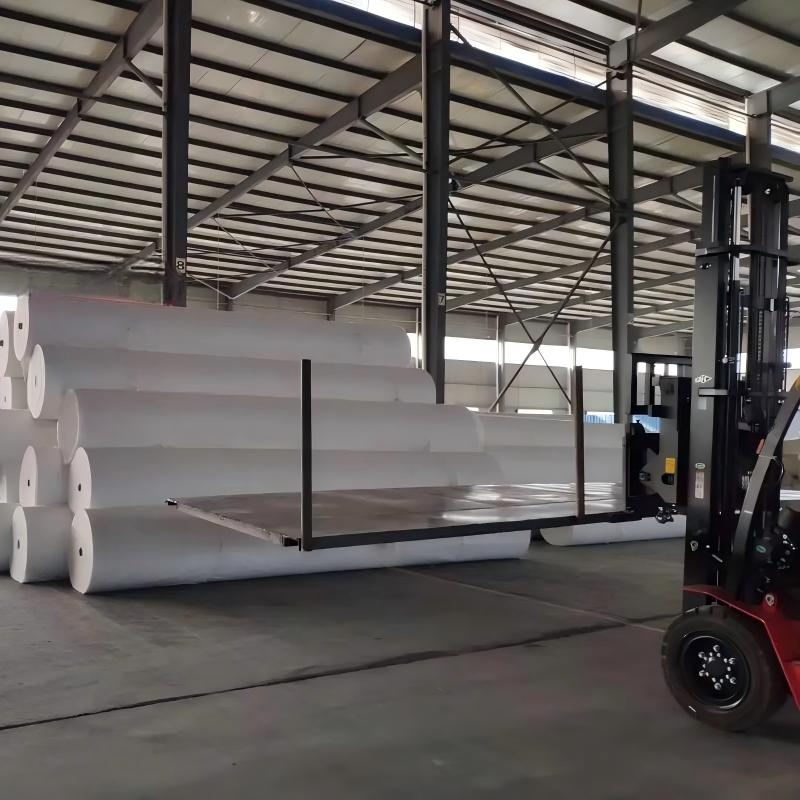
A well-organized warehouse signifies scalable production and reliable supply chain management, a key factor for high-ranking suppliers.
The Global Geotextile Supplier Landscape: Three Distinct Tiers
Based on the above dimensions, the global supplier base can be segmented into three primary tiers.
The Ascent of Chinese Geotextile Suppliers in Global Rankings
The notable rise of top-tier Chinese geotextile manufacture in global rankings is not accidental. It is driven by concrete, sustainable advantages that resonate with a broad spectrum of buyers:
- Integrated Cost-to-Performance Advantage: Leveraging scaled raw material access and advanced, automated production lines, companies like Dalian GeoMax deliver products meeting ASTM, AS, and ISO standards at highly competitive price points, offering exceptional value.
- Engineered Customization and Rapid Response: The ability to rapidly engineer and produce customized products is a hallmark. This includes not only Logo Inkjet coding geotextile for traceability but also functional modifications (UV resistance, conductivity) and producing geotextile fabrics in specific weights, colors, and sizes. This agility reduces project lead times.
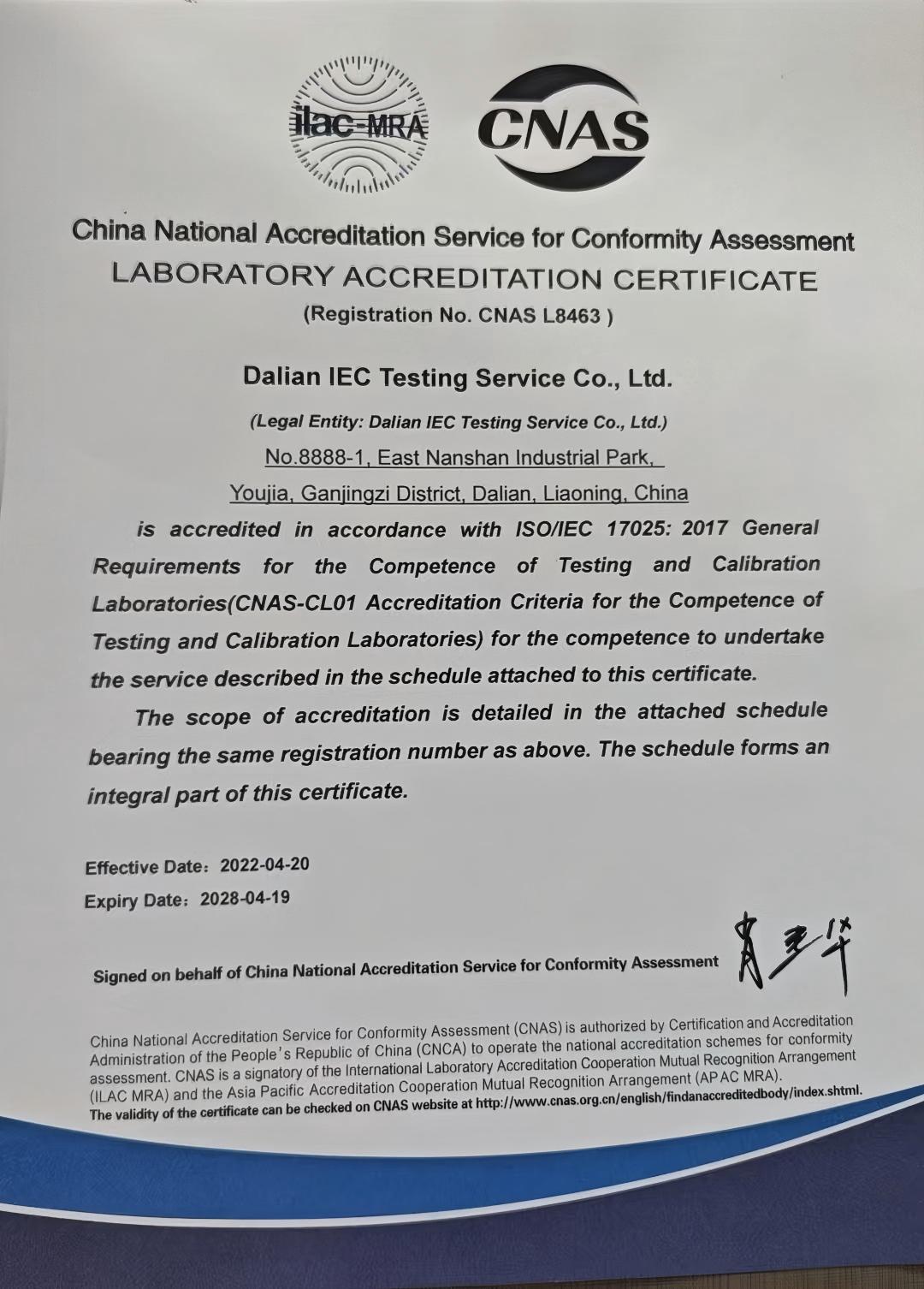
- Vertical Integration and Quality Sovereignty: Leading suppliers invest in the full chain. For instance, Dalian GeoMax operates its own CNAS-accredited lab (Dalian IEC Testing Service), ensuring every batch is verified to spec. This control, backed by ISO 9001, 14001, and 45001 certifications, builds immense trust with international partners.
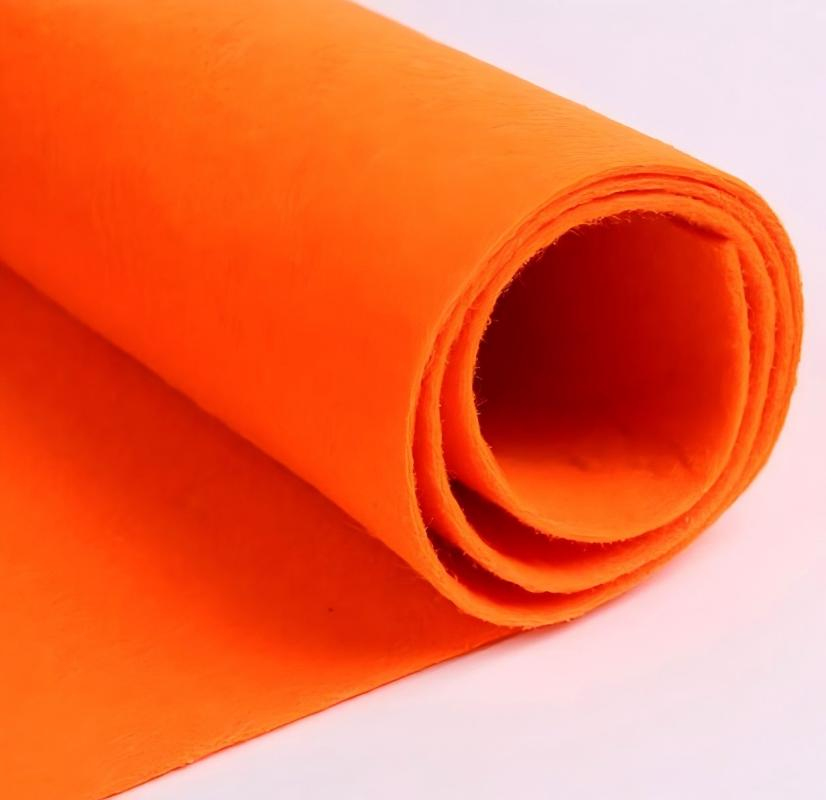
Custom inkjet-coded geotextiles exemplify the advanced customization and traceability offered by leading Chinese manufacturers, enhancing project management and brand assurance on-site.
As highlighted in the related analysis "Chinese Top 3 Logo Inkjet Coding Geotextile Manufacturers", this focus on smart, customizable solutions is defining the new standard. A supplier's ranking is increasingly influenced by such value-added capabilities.
Strategic Procurement Guide: Matching Supplier Tier to Project Needs
Rankings provide a starting point, but the optimal choice depends on specific project parameters. Here is a strategic framework for decision-making:
Scenario A: Large-Scale, Standardized Infrastructure Project
Project Type: Major highway networks, large-scale drainage projects requiring bulk, standard-specification geotextiles.
Priority: Volume pricing, consistent quality, reliable logistics for large quantities.
Recommended Supplier Tier: Tier 2 (Chinese High-Value Exporters) or high-volume Tier 1.
Rationale: Tier 2 Chinese suppliers excel here, offering certified quality (ASTM/AS) at competitive costs with proven capacity for container-load exports. Verify their project portfolio for similar scale.
Scenario B: Technically Complex or Customized Project
Project Type: Landfill liner systems, mining applications, projects requiring wicking or anti-UV geotextile, or branded materials for contractor visibility.
Priority: Technical expertise, functional performance, customization agility, stringent certification.
Recommended Supplier Tier: Top Tier 2 (Specialized Chinese Exporters).
Rationale: Suppliers like Dalian GeoMax Synthetics are ideal. Their ranking is bolstered by capabilities to produce conductive geotextile and Logo Inkjet coding geotextile, CNAS-lab verification, and a documented history in complex landfill projects globally (e.g., Shoal Bay, Thilawa). They offer Tier 1-level technical compliance with greater flexibility.
Scenario C: Small to Medium, Localized Project
Project Type: Local erosion control, small pond lining, residential landscaping.
Priority: Lowest cost, minimal logistics, basic functionality.
Recommended Supplier Tier: Tier 3 (Regional Manufacturers) or local distributors of Tier 2 products.
Rationale: For very basic needs, local suppliers reduce freight. However, for assured quality even on smaller projects, consider ordering mini-rolls or custom geotextile bag from a Tier 2 exporter's standard range, which often remains cost-effective.
Conclusion & Forward Outlook
In 2026, a geotextile supplier's market ranking is a composite reflection of scale, innovation, quality assurance, and global competence. While established international brands hold strong positions, the most dynamic value proposition comes from top-tier Chinese geotextile suppliers who have evolved from mere cost leaders to innovation and solution partners. For industrial buyers, the key is to move beyond a generic ranking list.
Conduct due diligence by examining a supplier's certifications, requesting project case studies, and testing their responsiveness to customization inquiries. Evaluate if they operate a China geotextile plant with modern lines and in-house lab control, as practiced by Dalian GeoMax. By aligning the supplier's proven strengths—whether in bulk supply, cutting-edge functional materials like conductive geotextile, or bespoke Logo Inkjet coding geotextile—with your project's specific technical, budgetary, and logistical requirements, you can make a strategic procurement decision that ensures project success and optimizes total cost of ownership.
Verified Quality: Leading suppliers differentiate themselves with internationally recognized certifications. For example, the CNAS accreditation held by Dalian GeoMax's testing lab ensures global recognition of product test reports.