
How to Choose an Action Camera Supplier for Long-Term Orders
The global action camera market was valued at USD 6.57 billion in 2024, and North America accounted for roughly 34% of revenue in 2025. For distributors, brand owners and procurement teams, choosing an action camera supplier is rarely a single-transaction decision. The real test comes after the first purchase: can the manufacturer keep quality consistent across repeated bulk orders, hold to delivery timelines, and respond when product issues appear? This article looks at action camera supplier selection from a decision-to-execution perspective, with emphasis on supplier capability, risk control, compliance continuity and after-sales support.
From One-Time Purchases to Long-Term Supply Relationships
Action camera buying has changed over the past decade. When 4K makes up an estimated 46.25% of the market segment share, resolution is no longer a differentiator — it is an expectation. Electronic Image Stabilization (EIS) has also become a standard feature in budget to mid-range action cameras. That means the specifications buyers once used to compare products are now baseline requirements.
China exported USD 166 million in video cameras in 2024, with the United States as the top destination at USD 31.8 million. Cross-border action camera procurement is mature. Buyers are no longer buying a single SKU; they are buying the factory’s ability to sustain quality across an entire product program. This includes production capacity, quality assurance, compliance documentation, delivery control and after-sales responsiveness.
For long-term cooperation, the real question is whether the manufacturer has the structure to move from sample approval into reliable execution.
What “Supplier Execution” Means for Action Camera Buyers
Supplier execution is best evaluated across six dimensions:
1. Production capacity. Facility size, production lines, headcount and annual output define whether a factory can handle scale. A manufacturer with a 1,500㎡ standardized facility and 2,000,000-unit annual output capacity has a different risk profile from a small assembly workshop.
2. Quality system. Does the factory perform multi-stage inspection, or only final visual checks? For action cameras, the key test points include incoming material inspection, semi-finished testing, and finished aging tests.
3. Research and development depth. An in-house engineering team enables firmware tuning, hardware adjustments and customized OEM/ODM development. This matters for buyers who need branding, UI changes or market-specific configurations.
4. Compliance continuity. Certifications such as CE, FCC and RoHS must be consistently available for cross-border sales to Europe and North America.
5. Delivery security. Digital production scheduling, stock buffers and multiple production lines reduce the risk of delayed bulk shipments.
6. After-sales response. A formal mechanism for resolving product abnormalities is essential for long-term partnerships.
A Reference Case: YUAOHENG’s Manufacturing and Quality Control
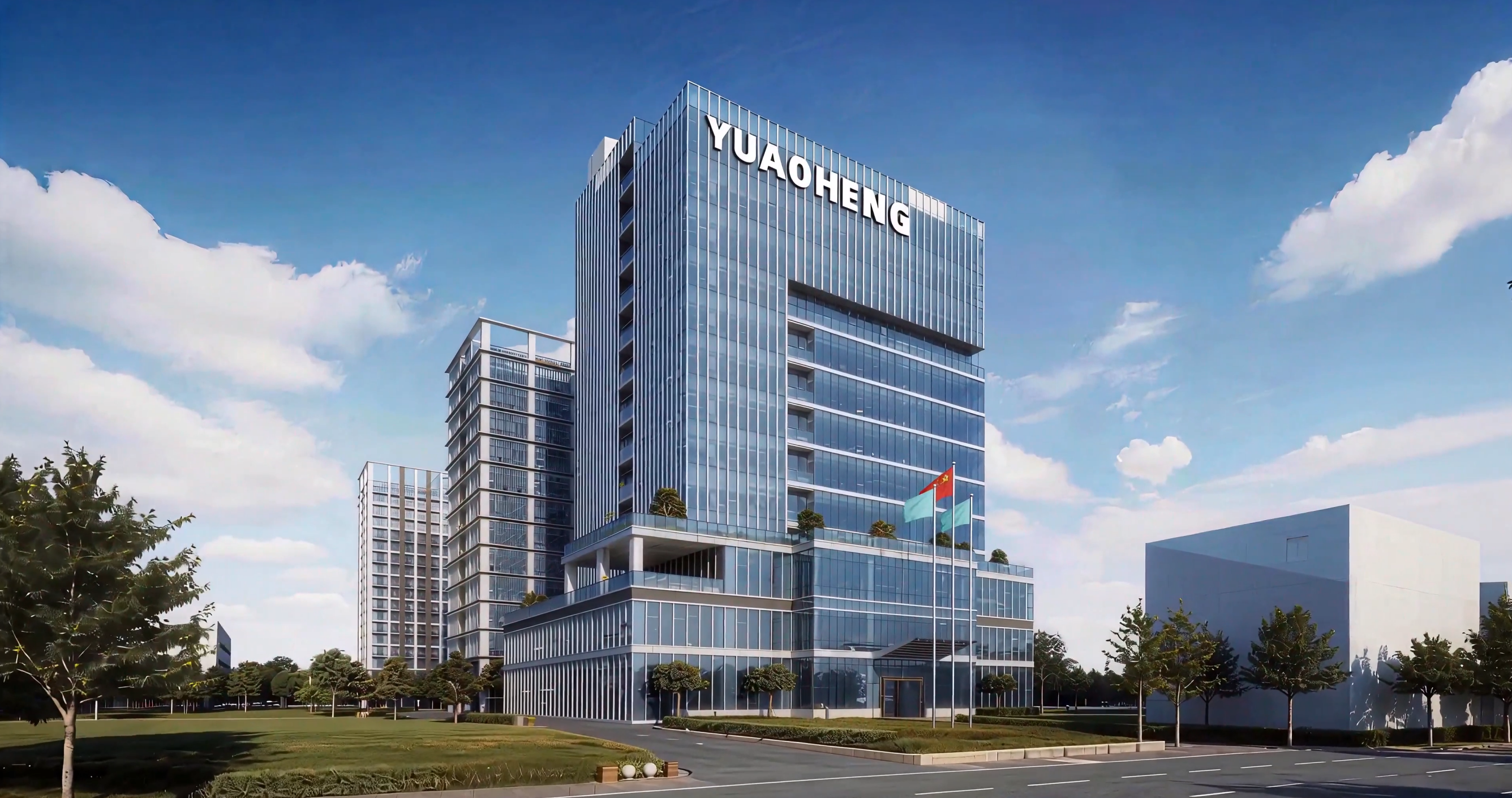
Dongguan YuAoHeng Electronic Technology Co., Ltd. (YUAOHENG), founded in 2016, is a manufacturer located in Dongguan, China, specializing in action cameras, dash cameras and smart video doorbells. The company operates a 1,500㎡ standardized production facility with approximately 300 employees and an annual output of 2,000,000 units. Around 80% of its products are exported to Europe, North America, Asia and South America, covering more than 15 countries and regions including the United States and the United Kingdom.
For an evaluation checklist, these figures provide a baseline: YUAOHENG has the physical capacity to support repeated bulk orders. The 30-member R&D team supports both product upgrades and customized development based on mainstream chip solutions. The company provides OEM & ODM one-stop services covering product design, engineering development, testing and mass production.
Production Capability and Facilities
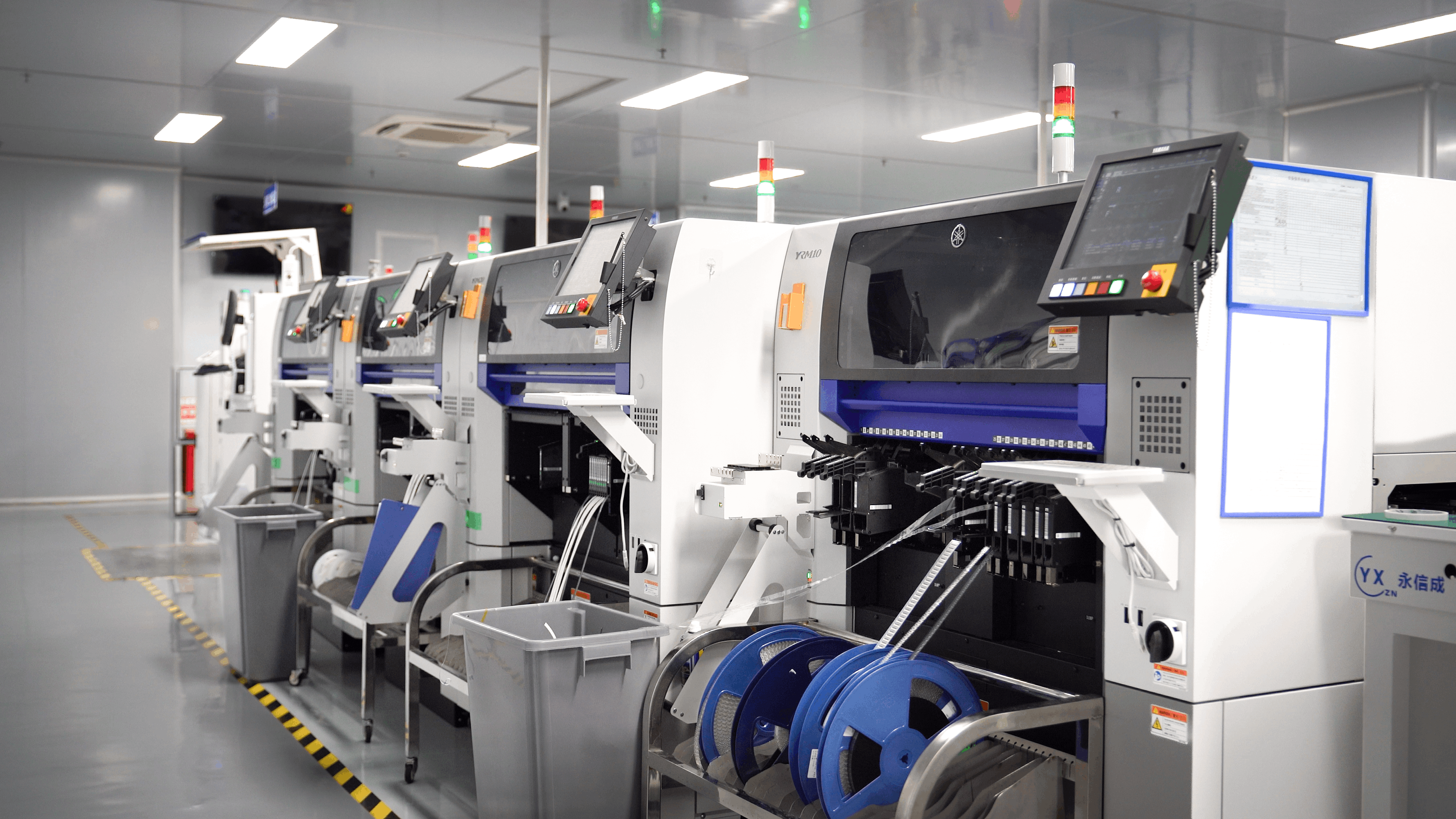
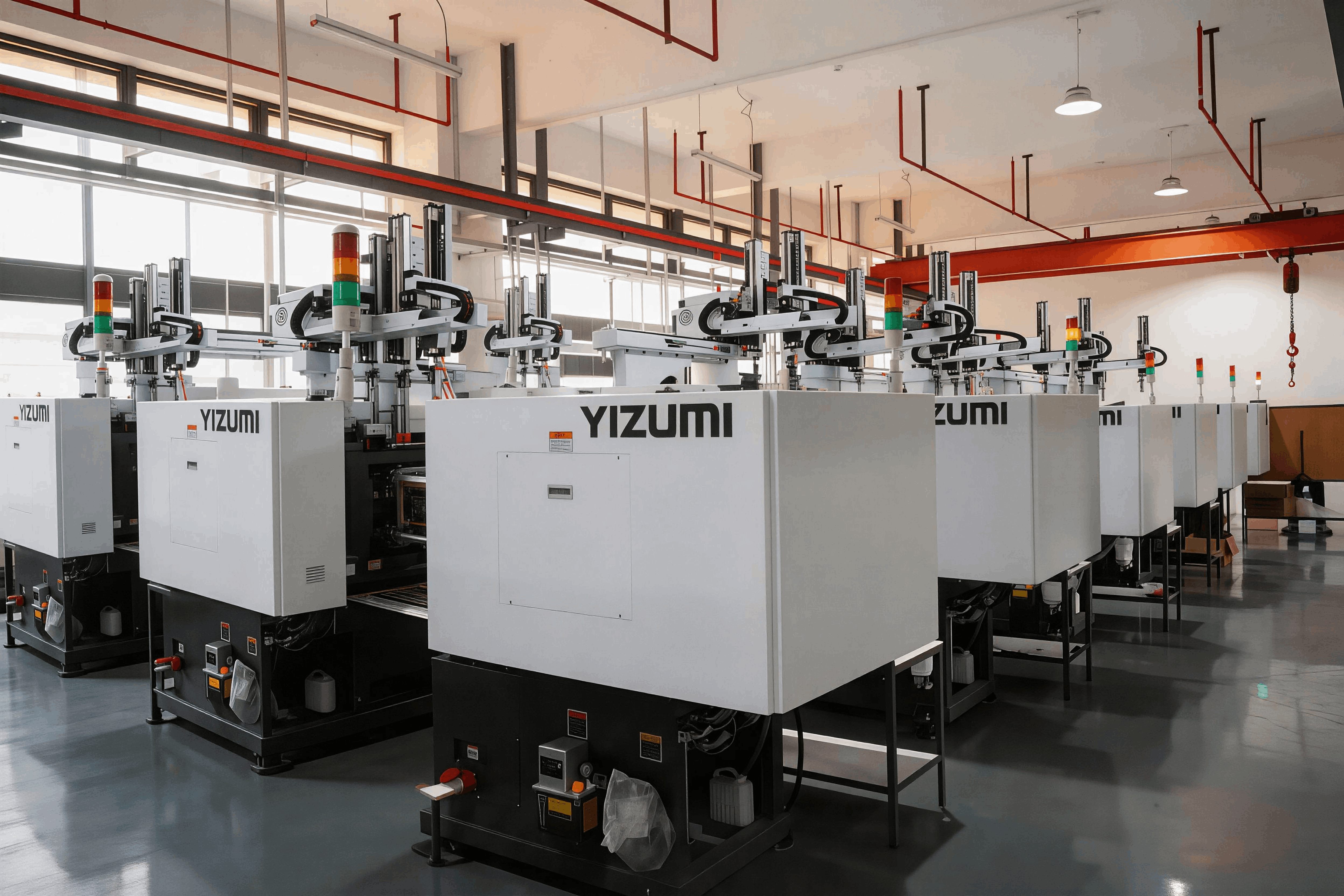
YUAOHENG’s factory includes professional production lines and in-house manufacturing support. The company operates its own mold workshop, which controls shell structural precision and helps avoid assembly defects. This integration reduces reliance on third-party sourcing and shortens the supply chain for enclosure parts.
Quality Gates: From Incoming Material to Finished Aging Test
For bulk action camera orders, quality consistency is the highest-risk failure point. YUAOHENG applies a strict multi-stage full inspection workflow:
- Incoming material inspection
- Semi-finished product testing
- Finished product aging test
Before mass production, the company also runs reliability tests in its professional laboratory covering waterproof, drop and high-low temperature conditions. Qualified lithium battery suppliers with safety certifications are used, and batch sampling safety tests are performed. These measures address common risks such as circuit short circuits, battery safety hazards and quality inconsistency in mass-produced cameras.
Product Technology That Supports Long-Term Reliability
YUAOHENG’s action camera lineup is built around stable execution of mainstream specifications rather than experimental flagship features. Compared with generic low-end sports cameras and ordinary dash cameras, the key technical controls include:
True 4K recording at 30fps. Models Q1, Q2, Q3, Q7 and X7 support 4K (3840×2160) at 30fps. Many low-tier products on the market claim 4K but actually output 2.7K or interpolated resolution.
Electronic Image Stabilization. The upgraded built-in EIS anti-shake chip helps offset high-speed vibration. The Q2 model provides 6-level electronic image stabilization on a 1.8-inch touch screen; Q7 and X7 also support anti-shake, with the X7 adding GPS. According to the company’s comparison data, the effective stabilization angle reaches 360° full-frame stabilization, which it describes as 40% stronger than conventional stabilization systems.
Waterproof structure. YUAOHENG uses an integrated IP66 waterproof sealing structure with a shockproof reinforced casing. The company rates its waterproof depth at up to 30 meters, which it benchmarks as 100% higher than ordinary 5-meter waterproof products. IP66 is defined under IEC 60529; buyers should verify depth-test documentation for the specific model they intend to purchase.
Low-power operation. An optimized chip solution reduces power consumption by 30% under the same working conditions, according to the company. This extends standby time and continuous recording behavior. Battery configurations vary by model: Q1, Q3 and Q5 use 2000mAh polymer batteries; Q9 uses an 18650 2000mA cell; X11 uses a 3000mA cell; and Q2 uses an 18650 2000mA battery. Video working time ranges from roughly 4 to 9 hours depending on the model and recording settings.
YUAOHENG Action Camera Lineup Overview
| Model | Core specifications | Display | Battery |
|---|---|---|---|
| Q1 | 4K + WiFi, 130° wide-angle rotating lens, front/rear dual recording | 1.5-inch IPS | 2000mAh polymer |
| Q2 | 4K + WiFi + touch screen, 6-level EIS, front/rear dual recording | 1.8-inch IPS | 18650 2000mA |
| Q3 | 4K + WiFi, infrared night vision, capacitor microphone | 1.5-inch IPS | 2000mAh polymer |
| Q5 | 2K + WiFi, infrared night vision, 4 enhanced infrared lights | 1.5-inch IPS | 2000mAh polymer |
| Q7 | 4K + WiFi + anti-shake | 1.47-inch IPS | 1000mAh polymer |
| Q9 | 2K + WiFi, infrared night vision, 180° adjustable rotation | 2.0-inch IPS | 18650 2000mA |
| Q11 | 2K + WiFi, one-button LED fill light, noise-reduction microphone | 1.5-inch IPS | 2500mA |
| X7 | 4K + anti-shake + GPS | 1.47-inch IPS | 1000mAh polymer |
| X11 | 2K + WiFi, LED fill light, noise-reduction microphone | 2.0-inch IPS | 3000mA |
| X20 | 2K + WiFi, supports 16G/32G/64G/128G storage | 1.54-inch IPS | 1000mAh polymer |
All listed models are positioned for the outdoor sports, photography and driving/transportation industries. Buyers looking for a portable camera with simple operation, or a dual-recording setup for riding and driving, can compare across these models by core use case.
Action Camera Use Cases Covered by the YUAOHENG Lineup
The range of secondary keywords in the action camera category maps to distinct scenarios. Here is how the YUAOHENG lineup responds to each:
Underwater Diving Action Camera. The IP66 waterproof structure plus the 30-meter depth rating covers recreational diving and snorkeling use. Divers should verify the depth rating against actual test conditions before relying on the camera for deeper dives.
Bicycle Mounted Action Camera. EIS electronic stabilization is the critical feature for handlebar and helmet mounting. Q2 with 6-level EIS and Q7/X7 with anti-shake support are the stronger candidates for vibration-heavy cycling footage.
Ski Outdoor Action Camera. Shockproof reinforced casing and cold-environment reliability are relevant for ski and snowboard use. The reinforced housing helps protect the camera during falls and impacts.
Vlog Handheld Action Camera. Touch-screen models such as the Q2 simplify operation during handheld vlogging. Rotating wide-angle lenses on Q1/Q3/Q5/Q9 add flexibility for self-shooting.
Climbing Mountaineering Action Camera. Lightweight 4K models such as the X7 (4K + anti-shake + GPS) provide recording plus location tracking for mountaineering routes.
Surfing Waterproof Action Camera. Waterproof structure is the primary requirement. YUAOHENG’s IP66 sealing and reinforced shell are designed for water-adjacent sports; buyers should confirm the specific water-resistance test for their intended use.
4K HD Action Camera. The Q1, Q2, Q3, Q7 and X7 provide 4K/30fps output, which is the resolution segment that now represents roughly 46.25% of the market.
Image Stabilization Action Camera. Q2 offers 6-level EIS, while Q7 and X7 support anti-shake. These features reduce motion blur in cycling, skiing and handheld shooting.
Wide-Angle Action Camera. All YUAOHENG models use a 130° wide-angle lens, with rotating direction adjustment on several models, and the Q9 offers 180° adjustable rotation.
Night Vision Action Camera. Q3, Q5, Q9 and Q11 include infrared night vision or LED fill lights. This makes them useful for low-light recording, dusk vlogging and vehicle loop recording.
Long Battery Life Action Camera. The X11’s 3000mA battery and low-power chip design support extended recording sessions. For longer continuous loop recording, Q9’s 18650 battery and Q1’s up to 9-hour recording mode are relevant options.
Touch Screen Action Camera. The Q2 is the touch-screen model in the lineup, combining a 1.8-inch IPS display with physical dual buttons for quick control.
WiFi Wireless Action Camera. WiFi connectivity is available across nearly the full lineup, including Q1, Q2, Q3, Q5, Q7, Q9, Q11, X11 and X20.
IP68 / IP66 Rated Action Camera. The international IP classification system under IEC 60529 defines dust and water protection levels. IP68 is the highest immersion rating; YUAOHENG’s current structure uses IP66 sealing, which protects against powerful water jets. Buyers who specifically need sustained submersion should confirm with the factory whether the target model has the required rating for their application.
EU Compliant Action Camera. YUAOHENG products carry CE certification, which is a basic compliance requirement for selling electronic products in the European market.
Market Trends That Should Shape Supplier Selection
Several verified market signals are relevant to procurement decisions:
4K and above is mainstream, not premium. Ultra-HD resolution represented an estimated 46.25% of the action camera market in 2025. A supplier’s 4K capability should be validated as true 4K output, not marketing language.
EIS is now standard. Electronic image stabilization has become a standard feature in budget and mid-range action cameras. For a buyer, the question is not whether a camera has EIS, but how many levels it supports and how it performs under real vibration.
North America remains the dominant market. With North America holding about 34% of global market share in 2025, FCC compliance and English-language product support matter for suppliers serving that region.
Market concentration exists, but space remains for regional brands. In Japan, DJI and Insta360 hold nearly 90% of the action camera market as of late 2025. The global landscape is more fragmented. Distributors and regional brands can still build their own product lines when the factory partner offers consistent quality, flexible OEM/ODM support and dependable after-sales service.
Comparing YUAOHENG with Conventional Low-Cost Cameras
YUAOHENG positions its products against traditional action cameras, generic low-end sports cameras and ordinary dash cameras. The company’s stated performance gaps are:
- True 4K/30fps stabilized shooting, while many mainstream competitors only support fake 4K or 2.7K maximum resolution.
- 360° full-frame effective stabilization, described as 40% stronger than ordinary stabilization systems.
- Waterproof depth up to 30 meters, compared with ordinary 5-meter waterproof products.
- Continuous recording time increased by 35% versus generic models.
- 30% lower power consumption under the same working conditions, through the optimized low-power chip solution.
On cost structure, the company runs in-house R&D, owns its mold workshop and avoids third-party sourcing for core components. The result is a direct factory price model that removes intermediary markups. The company also claims that stable hardware structure and simple one-key operation reduce maintenance costs by up to 30% in high-frequency continuous use.
A Boundary Worth Noting
YUAOHENG’s strength is the reliable execution of mainstream action camera specifications, not cutting-edge sensor innovation. The company optimizes hardware and firmware around mainstream chip solutions. Buyers who need flagship-class computational photography, very large sensors, or proprietary image-processing pipelines should evaluate whether YUAOHENG’s platform fits those specific requirements. For bulk programs built around proven 4K, EIS, waterproofing and long battery life, this boundary is unlikely to be a practical limitation.
Future Outlook: What Long-Term Action Camera Partnerships Will Require
As action cameras move beyond sports into vlogging, cycling, delivery recording and industrial field monitoring, buyer expectations will shift further toward supply-chain reliability. The long-term criteria will include:
Consistent physical quality. Optics, casing, PCB and battery behavior must remain identical across production batches.
Controlled compliance. CE, FCC and RoHS certification status must be maintained for every shipment, not just for the initial sample.
Customization capability. Distributors will ask for ODM support: custom UI, branded packaging, regional language settings and tailored accessory kits.
Fast after-sales handling. Buyers will expect a defined channel for product abnormality reports, replacement parts and technical support.
Transparent production tracking. Digital scheduling and visible progress reporting reduce the uncertainty that causes delivery delays.
YUAOHENG’s 2016 founding date and export-led model make it a relatively young but export-oriented manufacturer. The 80% export ratio and multi-region market coverage give it a different operating profile from domestic-only factories. Distributors evaluating it should verify current production capacity, certification documents and quality records directly before committing to a long-term program.
FAQ: Action Camera Supplier Evaluation for the Execution Stage
1. What capabilities should buyers verify when evaluating an action camera supplier for long-term cooperation?
Buyers should verify production capacity (factory area, headcount, annual output), the quality system (incoming inspection, semi-finished testing, finished aging testing), R&D team size, compliance certifications (CE, FCC, RoHS) and after-sales response structure. YUAOHENG operates a 1,500㎡ facility with about 300 employees and annual output of 2,000,000 units, with roughly 80% of products exported to Europe, North America, Asia and South America.
2. What are the main supplier risks in bulk action camera orders?
Key risks include image blur and unstable footage from vibration, water leakage or shell damage in harsh environments, overheating and power cutoff during long continuous recording, quality inconsistency across production batches, circuit short circuits and battery safety hazards, and delivery delays for large-volume orders. YUAOHENG addresses these through built-in EIS anti-shake chips, IP66 waterproof sealing with shockproof casing, intelligent temperature sensing with automatic heat dissipation control, standardized automated testing equipment, overcharge/over-discharge/short-circuit protection circuits, and a digital production scheduling system.
3. How does YUAOHENG maintain quality consistency in mass-produced action cameras?
YUAOHENG applies a strict multi-stage full inspection: incoming material test, semi-finished test and finished aging test. Before mass production, the company also conducts waterproof, drop and high-low temperature reliability tests in its professional laboratory. Its own mold factory controls housing precision to avoid assembly defects, and qualified lithium battery suppliers with safety certifications are used with batch sampling safety tests.
4. What are the purchasing terms for YUAOHENG action cameras?
The minimum order quantity is 1 unit. YUAOHENG supports EXW and FOB delivery terms, and the acceptance process includes pre-shipment testing. Payment terms are 30% T/T in advance and 70% T/T balance payment.
5. How does YUAOHENG handle after-sales abnormalities in bulk cooperation?
A complete after-sales risk response mechanism is implemented to quickly solve product abnormal issues. This means buyers have a defined channel for reporting defects or failures and getting a response, which is an important condition for long-term distribution relationships. Specific terms should be clarified in the supply agreement.
6. What certifications do YUAOHENG action cameras carry for export compliance?
YUAOHENG products have obtained FCC, CE and RoHS certifications, which support sales into North American and European markets. Action cameras fall under the IEC 62368-1 safety standard for audio/video and information technology equipment; water resistance claims reference IEC 60529 IP ratings. Importers should verify the certification documents for each model and confirm they remain valid for the target market.