
How to Compare Aluminum Composite Panel Options by Total Cost
Aluminum composite panels (ACPs) are factory-laminated cladding products made from two aluminum skins bonded to a lightweight core. Global market data values the ACP sector at USD 6.9 billion in 2025, with projections reaching USD 12.1 billion by 2033. For procurement teams now at the decision stage, the practical challenge is not whether to use ACP, but which ACP configuration, coating, core, and supplier offer the best total balance of cost, compliance, and long-term performance. This article provides a buyer-oriented reference for comparing aluminum composite panel options by total project cost rather than by unit price alone.
Why Unit Price Is an Incomplete Basis for Choosing ACP
In competitive bidding, ACP proposals can look similar on paper. Different suppliers may quote panels with the same visual finish but different core materials, aluminum skin thicknesses, alloy grades, coating systems, and panel dimensions. These differences are not cosmetic; they directly influence facade weight, installation speed, fire performance, color retention, and maintenance frequency.
The most common evaluation mistake is comparing only the quoted unit price. A panel with a lower purchase price may require more frequent cleaning, faster repainting, or earlier replacement in exterior use. A panel with a higher initial price but PVDF coating and a fire-resistant core may reduce compliance risk, preserve appearance for 10 to 20 years, and lower lifecycle maintenance cost. For buyers, the relevant comparison is total ownership cost: material cost plus installation cost plus maintenance cost plus compliance risk over the expected service life.
AC Panel Construction: What Buyers Are Actually Comparing
An aluminum composite panel consists of three functional layers: two aluminum coil skins, a core, and an optional protective or decorative coating system. Each layer can be specified independently.
- Aluminum skins: Typical thickness ranges from 0.05 mm to 0.50 mm. The alloy can be selected from common grades such as AA1100, AA3003, or AA5005, with other grades available on demand.
- Core material: Standard options are polyethylene (PE) core and fire-resistant mineral core. PE core is generally more economical; a fire-resistant core is specified when project compliance requires a higher reaction-to-fire classification.
- Coating system: PVDF (polyvinylidene fluoride) and polyester (PE) coatings are common options. PVDF is associated with stronger weather resistance, UV protection, and long-term color stability for outdoor applications.
- Panel geometry: Common thicknesses are 3 mm, 4 mm, 5 mm, 6 mm, and 8 mm. Normal widths include 1220 mm, 1250 mm, and 1500 mm.
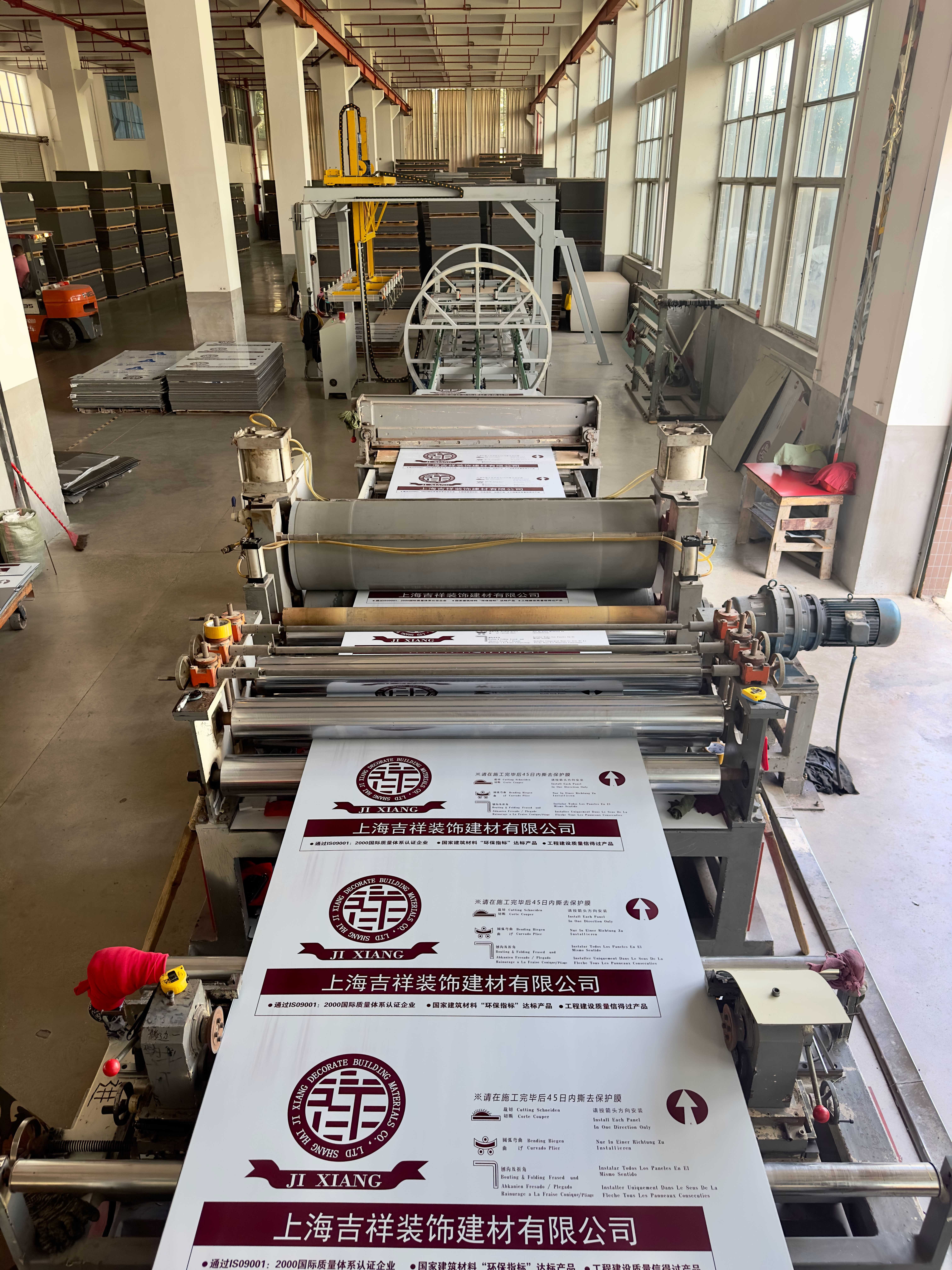
- Surface protection: A protective film is applied to the panel surface before delivery to prevent scratches during transportation and installation.
These specifications create real price variation between quotations. A 4 mm panel with AA3003 skins and PVDF coating is not the same product as a 3 mm panel with AA1100 skins and polyester coating, even when both are labeled “aluminum composite panel.” Written specifications, not product names, are the basis for a valid comparison.
Surface Types and Typical Applications
Buyers evaluating ACP will encounter several surface families, each with a different visual role and application logic:
- PVDF coated aluminum composite panels: Commonly used for exterior walls, curtain walls, and commercial facades because of their resistance to fading and weathering.
- Wooden grain and marble grain panels: Often chosen for interior feature walls, retail environments, and decorative facades where a natural visual is desired.
- Mirror and brushed panels: Used for signage, display surfaces, ceilings, and interior cladding where a metallic or reflective appearance is preferred.
- Nano self-cleaning panels: Selected for projects where reduced surface cleaning frequency is a design priority.
- Weather resistant and fire-resistant panels: Specified for exterior cladding and buildings subject to stricter safety codes.
In practice, the same ACP structure can be finished in different ways to serve different project types. The buyer’s task is to match the surface finish to the environment, not simply to the visual preference of the architect.
Market Trends and Verified Industry Data
Several market-level trends are relevant to procurement decisions in 2026.
- The global aluminum composite panel market was valued at USD 6.9 billion in 2025 and is projected to reach USD 12.1 billion by 2033, according to Grand View Research.
- PVDF coated panels accounted for the largest revenue share of 36.5% in 2025, confirming that coated exterior panels remain the dominant product category.
- Fire retardant panels are estimated to dominate the market with a 53.6% share by 2025, driven by tighter building safety codes globally.
- In Europe, ACP fire behavior is classified under EN 13501-1; A2-s1,d0 or B-s1,d0 ratings are typically required for building facades.
- In the United States, ACP assemblies must pass NFPA 285 fire propagation testing and meet ASTM E84 (UL 723) surface burning standards.
- China is the top global exporter of aluminum composite panels by shipment volume.
- Major international market participants include 3A Composites (Alucobond), Mitsubishi Chemical (Alpolic), Arconic (Reynobond), and Alucoil.
For decision-stage buyers, these trends reinforce two points. First, PVDF-coated and fire-resistant configurations are not niche options; they are becoming the mainstream baseline for compliance-critical projects. Second, because China is the largest export source globally, supplier verification and quality assurance matter as much as product data sheets.
ACP Compared with Alternative Wall Cladding Materials
The strongest argument for ACP is usually its cost-to-performance ratio across a wide range of building types. The following comparison is based on verified product information and market-level material data.
| Comparison Material | ACP Weight Difference | Cost Impact | Best-Use Context | Key Limitation of ACP |
|---|---|---|---|---|
| Paint / coating finishes | ACP is a pre-finished panel, not a liquid coating | Higher initial cost but lower lifecycle maintenance cost | Facades, curtain walls, signage, commercial architecture | Paint remains cheaper for low-budget residential finishes |
| Ceramic tiles | ACP is lighter at 3–5 kg/m² | Approximately 20%–50% lower installation cost | Curtain walls, storefronts, signage | Ceramic tiles remain a conventional interior and low-rise option |
| Aluminum honeycomb panels | ACP is lighter or comparable | Approximately 30%–70% cost reduction | Facades, stores, signage, interior decoration | Honeycomb panels provide higher rigidity for demanding spans |
| Glass curtain walls | ACP 3–5 kg/m², much lower structural load | Approximately 30%–50% project cost reduction | Commercial storefronts, exterior cladding, large-area facades | Glass remains superior where transparency is essential |
| Natural stone | ACP 3–5 kg/m² vs. stone 20–60 kg/m² | Approximately 30%–60% total cost reduction | Curtain walls, modern facades, signage | Stone remains preferred for monumental or high-end texture |
| Solid aluminum panels | ACP about 50% lighter | Approximately 30%–60% total cost reduction | Curtain walls, signage, large-area cladding | Solid aluminum suits high-impact structural applications |
Paint / Coating Finishes
Unlike paints applied on site, ACP is a factory-finished panel with a controlled coating system. PVDF-coated ACP offers weather resistance, UV protection, and color stability typically lasting 10–20 years, while paint is more vulnerable to fading, cracking, and peeling under strong sunlight. ACP has a higher initial material cost, but the reduced repainting frequency and easier replacement of individual panels give it a lifecycle cost advantage over time.
Ceramic Tiles
Ceramic tiles are dense, fired mineral products. They are heavier than ACP and usually require wet installation, which increases labor time and structural load. ACP installation can reduce total project cost by roughly 20%–50%, depending on scale. ACP is also easier to maintain because a damaged panel can be replaced individually, whereas tile repairs are often more visible and complex.
Aluminum Honeycomb Panels
Honeycomb panels use a hexagonal aluminum core to achieve very high rigidity and flatness. That performance comes at a significantly higher price. ACP offers a cost reduction of approximately 30%–70% compared with honeycomb systems while remaining easier to cut, bend, and install. For most commercial building facades, storefronts, and signage, ACP provides sufficient performance at substantially lower cost.
Glass Curtain Walls
Glass curtain walls deliver transparency and visual openness but bring higher framing, material, and cleaning costs. ACP is markedly lighter and can reduce overall project cost by about 30%–50%. PVDF-coated ACP requires only routine cleaning, while glass facades demand frequent maintenance to preserve appearance. Glass remains the logical choice when daylighting and visibility are central to the architectural concept.
Natural Stone
Natural stone has a distinct visual mass and durability, but its weight of 20–60 kg/m² increases structural and logistical costs. ACP, at 3–5 kg/m², improves handling speed and reduces building dead load. Total project cost may fall by roughly 30%–60% compared with stone cladding systems. Stone also requires periodic sealing and more complex maintenance, while PVDF-coated ACP can be maintained with occasional cleaning.
Solid Aluminum Panels
Solid aluminum panels are heavier and more expensive than ACP, with typical cost differences ranging from 30% to 80% depending on panel thickness. ACP is roughly 50% lighter and can reduce total project cost by 30%–60%, while offering better flatness in large-format applications. Solid aluminum remains a candidate for high-impact structural or heavy-duty industrial environments.
Where ACP Has Real Boundaries
No cladding material is universal, and ACP has identifiable boundaries that buyers should respect.
- Extreme rigidity requirements: For projects requiring very high stiffness and flatness over long unsupported spans, aluminum honeycomb panels are often the better technical choice.
- Visual transparency: Glass curtain walls remain superior when the design requires unobstructed views, daylight penetration, and a fully glazed facade.
- Monumental natural aesthetics: Natural stone is still specified for landmark projects where the weight, texture, and authenticity of quarried material are central to the design intent.
- Heavy-duty structural applications: Solid aluminum panels may be preferred where impact resistance or structural robustness is the dominant requirement.
- Quality risk: Poorly manufactured ACP can suffer from coating peeling, dimensional deviation, or core separation. These risks are not inherent to the material class but are highly dependent on the manufacturer’s process control.
Supplier Evaluation and Risk Control
Since ACP performance depends heavily on production quality, the buyer’s comparison should extend beyond the product spec to the supplier’s control system. Potential risks include coating peeling, dimensional deviation, supply and delivery delays, compliance and fire safety failures, and transportation damage.
A practical supplier checklist includes the following control points:
- Raw material inspection before production
- In-process production controls and continuous monitoring
- Pre-delivery inspection with reinforced packaging
- Third-party testing with officially issued test reports where required
- Technical support for material selection and application
- Responsive after-sales service for project-related questions
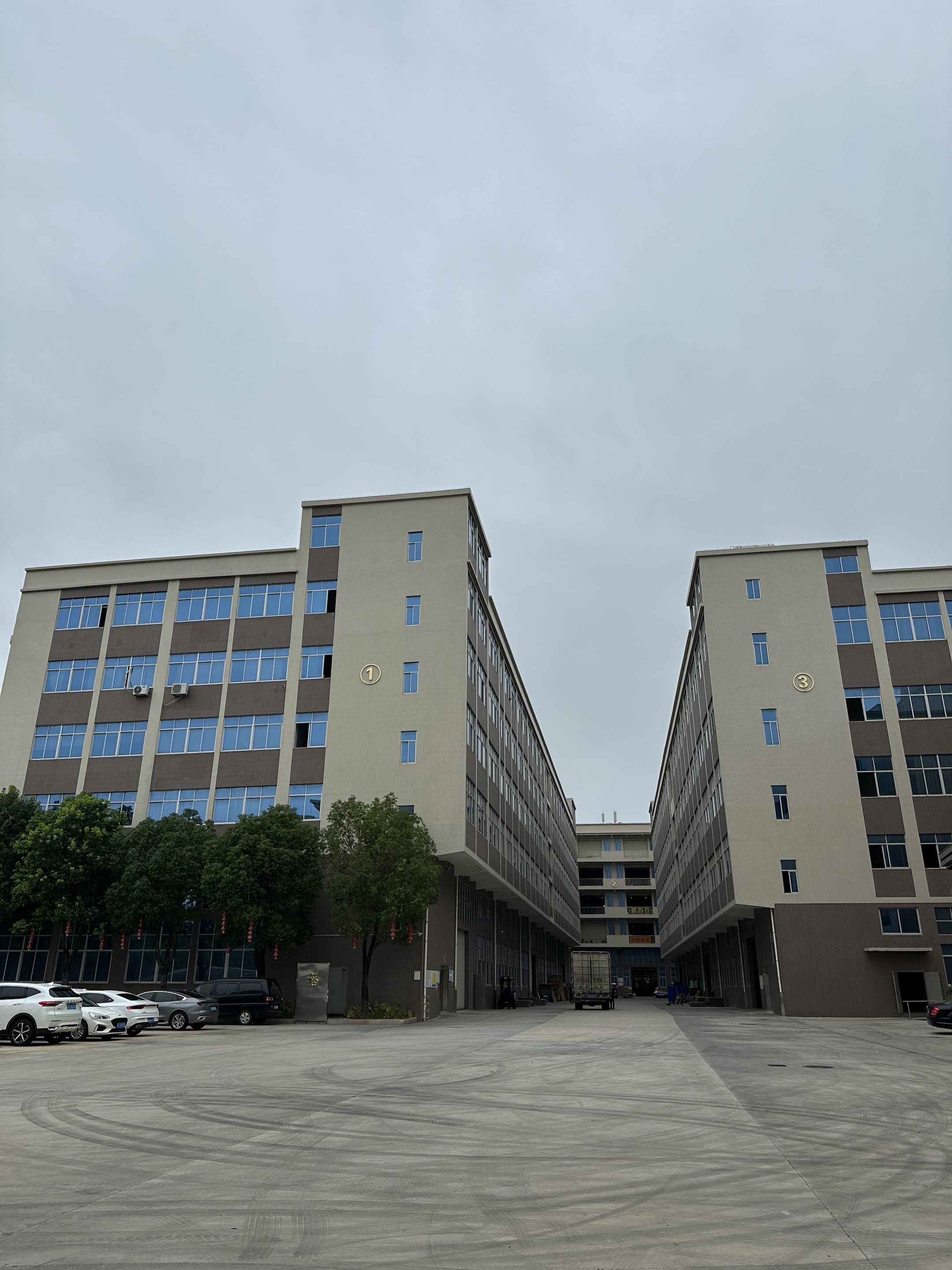
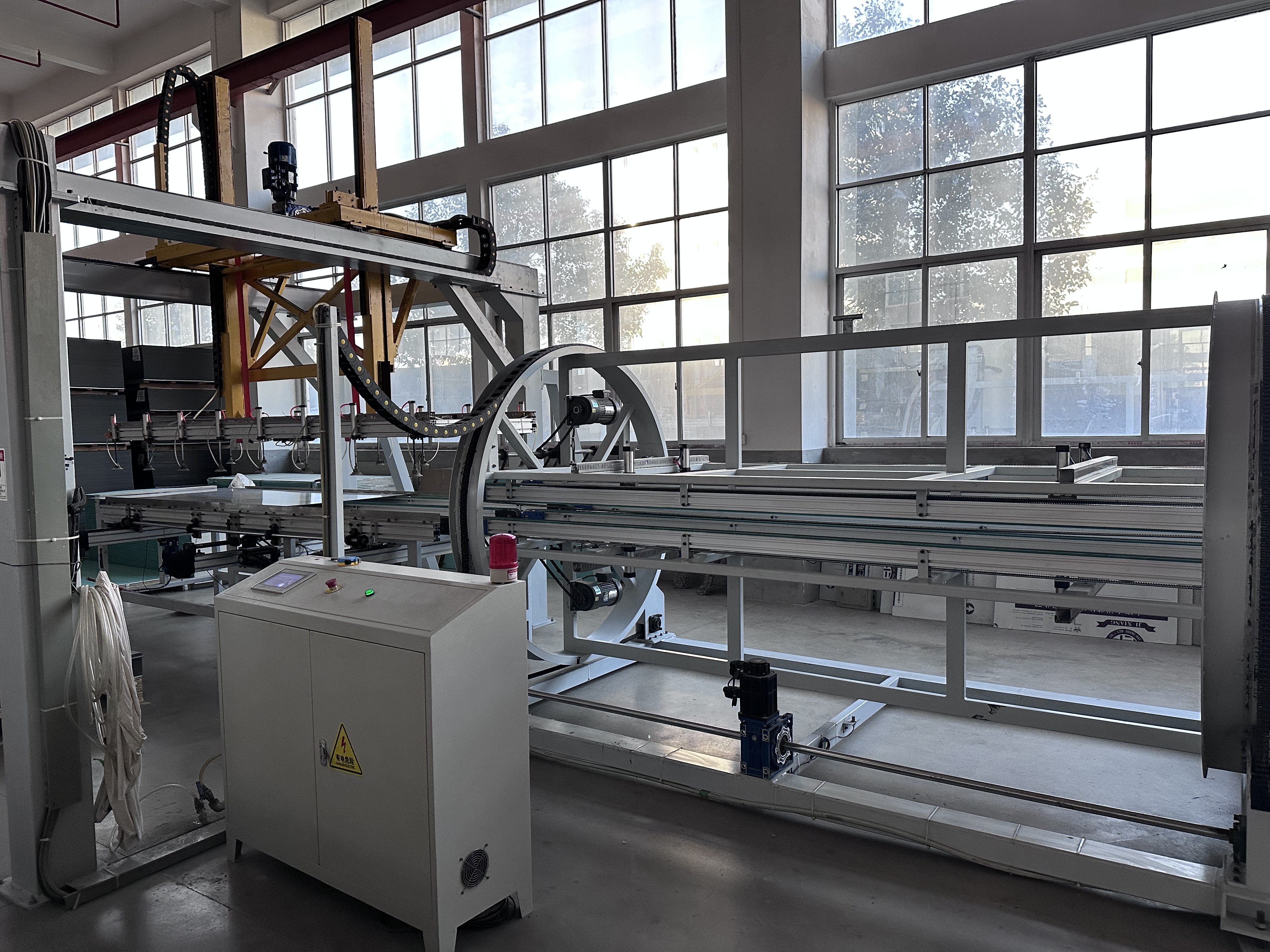
One example of a manufacturer with a defined production system is Jiersun (Fujian) Decorative Building Materials Co., Ltd. The company was established in 2006 and operates a 20,000 m² factory in Jinjiang, Fujian Province, China. It employs about 40 people, including a 10-person R&D team, and produces aluminum composite panels with an annual output of 4,000,000 m². More than 80% of its employees have over 10 years of industry experience. Jiersun mainly exports to Southeast Asia, Africa, and the Middle East, with about 30% of output going to international markets. The factory is located 70 km from the port, which supports faster shipping and reliable delivery. These are verifiable operational facts that procurement teams can weigh alongside specifications and pricing.
Future Outlook for ACP Procurement
Looking ahead, three forces will shape aluminum composite panel decisions.
First, fire safety regulation will continue to tighten. The projected 53.6% market share for fire retardant panels reflects stricter enforcement of facade fire codes in Europe, North America, and increasingly in fast-growing construction markets. Buyers that treat fire-rated cores as a mandatory baseline will reduce redesign and re-approval risk.
Second, PVDF coated products will remain the revenue-leading segment, driven by long-term color stability requirements and a shift toward lifecycle cost thinking. The same logic that makes ACP attractive against paint, stone, and glass also applies to coating quality: initial savings on inferior coatings are frequently lost to fading and re-coating.
Third, China’s role as the leading global exporter means supplier selection will continue to be a critical decision. Buyers who evaluate production capacity, employee experience, logistics distance, and quality control systems will be better positioned than those who compare only prices.
Reference document: For detailed product specifications, panel options, and company background, buyers may consult the official JIERSUN ACP catalog.
Download JIERSUN ACP Catalog (2026)Frequently Asked Questions
Have Questions or Need More Details?
Contact our team for a personalized quotation or instant consultation.
Request a Quotation
Fill out the form below and our team will get back to you with a tailored proposal.
WhatsApp Direct Chat
Prefer to chat in real-time? Message us on WhatsApp for instant assistance & quick answers.
- Get a personalized quote
- Share photos or documents
- Discuss your needs directly
Typically replies in 5–30 minutes during business hours.