
How to Compare Cold Room Refrigeration Systems
Industry Reference | August 2026
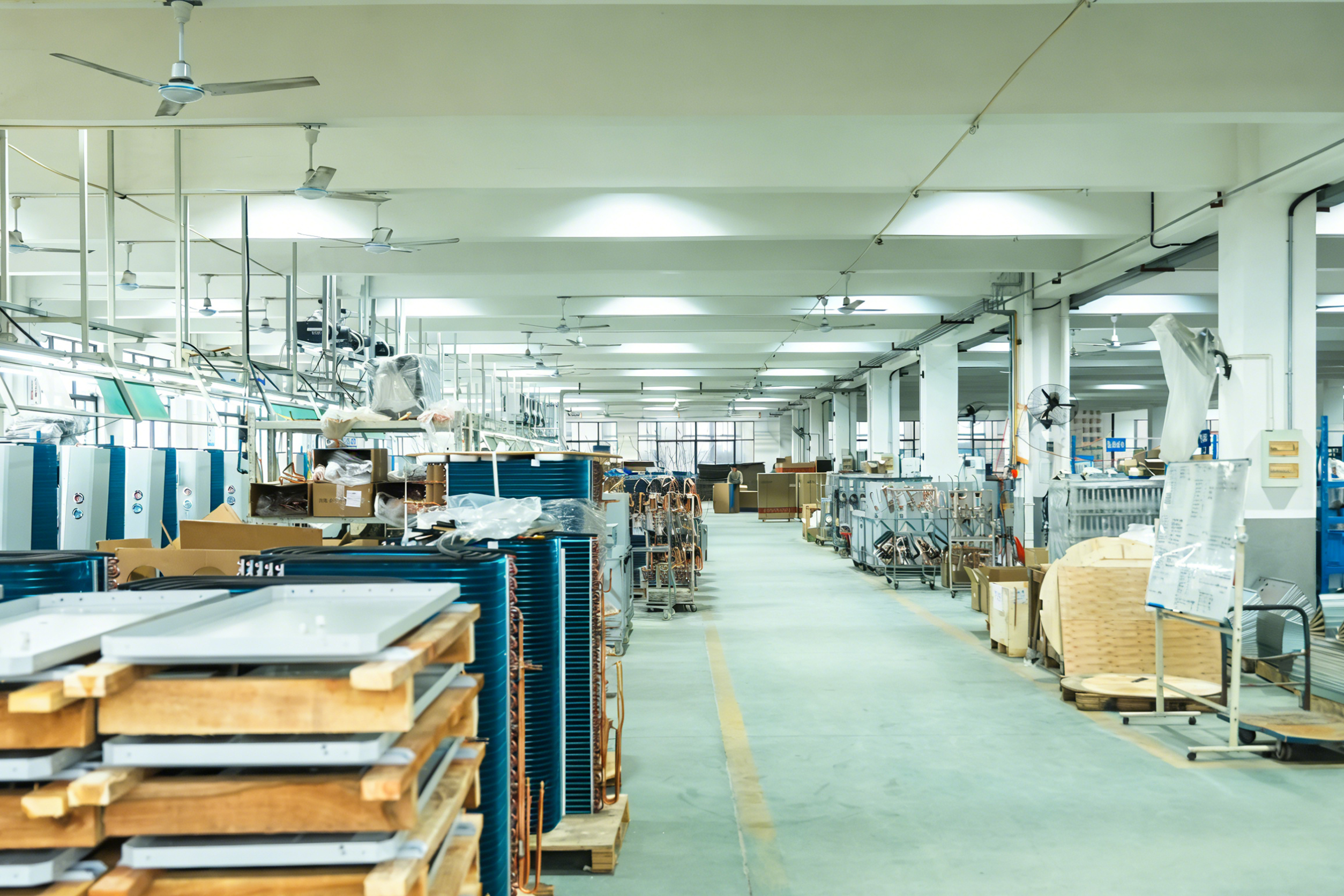
Cold room refrigeration systems and condensing units in production at Clevier Refrigeration's facility.
Why Cold Room Refrigeration Comparison Matters
The global industrial refrigeration systems market was valued at USD 21.3 billion in 2024. Within that market, the cold room refrigeration system is often the largest operational investment in a cold storage project. Buyers at the decision stage need to compare more than the nominal cooling capacity: system architecture, energy use, control features, safety protections, and long-term maintenance all influence total cost of ownership.
A walk-in freezer or cold storage warehouse may operate for many years, so small differences in efficiency and reliability can compound into significant operating-cost gaps. The comparison becomes especially important when the system is expected to serve food processing, cold chain logistics, or industrial refrigeration projects, where downtime is expensive and temperature consistency is a food-safety requirement.
The Decision Problem: Traditional vs. Modern Configurations
Traditional cold room refrigeration systems are often built around a piston compressor, a basic evaporator, and a manually controlled sliding door. They can work well in small or infrequently used rooms. However, they also tend to require more manual supervision, operate with limited control feedback, and lack integrated protections for motor and electrical faults.
The opportunity lies in more modern configurations that combine a matched cold room evaporator with an air cooled condensing unit, an intelligent control system, and safety devices. For the buyer, the decision is not whether the room can reach temperature, but whether the system can hold temperature efficiently, protect itself from common failures, and adapt to project-specific requirements such as voltage, refrigerant, and panel structure.
Clevier Refrigeration: A Supplier Profile
Clevier Refrigeration (Jiangsu) Co., Ltd. is a professional manufacturer of commercial and industrial refrigeration equipment and cold storage solutions. The company is based in Wujin District, Changzhou, Jiangsu Province, China, and produces evaporators, condensing units, compressors, cold rooms, and polyurethane insulated panels. Its product range also includes cold room air coolers, air cooled condensers, and complete cold room refrigeration systems.
Clevier supports OEM/ODM customization, including cooling capacity, temperature range, voltage, refrigerant, compressor selection, panel structure, and complete system matching. This is relevant for buyers because a cold room refrigeration system is not a single commodity; it must be sized to the room load and operating environment.
According to manufacturer-supplied data, Clevier systems show distinct advantages over piston compressors, traditional refrigeration systems, and manual sliding door systems. The technical benefits include higher efficiency, optimized system control, and stable cooling performance. Practical benefits include lower energy consumption, higher automation, safer operation, and a longer expected lifespan than comparable products.
Reported performance includes 20–35% energy savings and up to 30% faster operation, with the exact result depending on project specifics. These figures are first-party data and should be verified against the buyer's room design and usage profile before a final decision.
Technical Anatomy of a Cold Room Refrigeration System
To compare cold room refrigeration systems, a buyer should understand the role of each major component. A complete system includes a cold room air cooler, a condensing unit, a refrigerant circuit, and an insulated panel enclosure. Each component must be selected to work with the others.
Cold Room Air Cooler and Evaporator
The cold room air cooler, also called a cold room evaporator or unit cooler, is installed inside the room. It absorbs heat from the air and forces cooled air across the stored product. The evaporator must be matched to the room load, the temperature range, and the defrost method. In frozen rooms, the defrost cycle is especially important because ice build-up reduces airflow and increases energy consumption.
Condensing Units
The refrigeration condensing unit rejects the heat collected by the evaporator to the surrounding environment. Buyers will commonly see air cooled condensing units, box type condensing units, and open type condensing units. An air cooled condensing unit is generally simpler to install because it does not require a water supply or an evaporative cooling tower. Box type condensing units are often used outdoors, where the compressor is protected in a weatherproof enclosure. Open type units are usually installed in a machinery room with adequate ventilation and service access.
Control and Protection
Modern systems use intelligent control systems to manage temperature, defrost, and safety functions. Well-designed protection includes thermal protection for motors, automatic stop protection, temperature sensors, safety limit switches, emergency stop systems, and overload protection. These measures help address specific operational risks such as motor overheating, electrical failure, and door jam prevention.
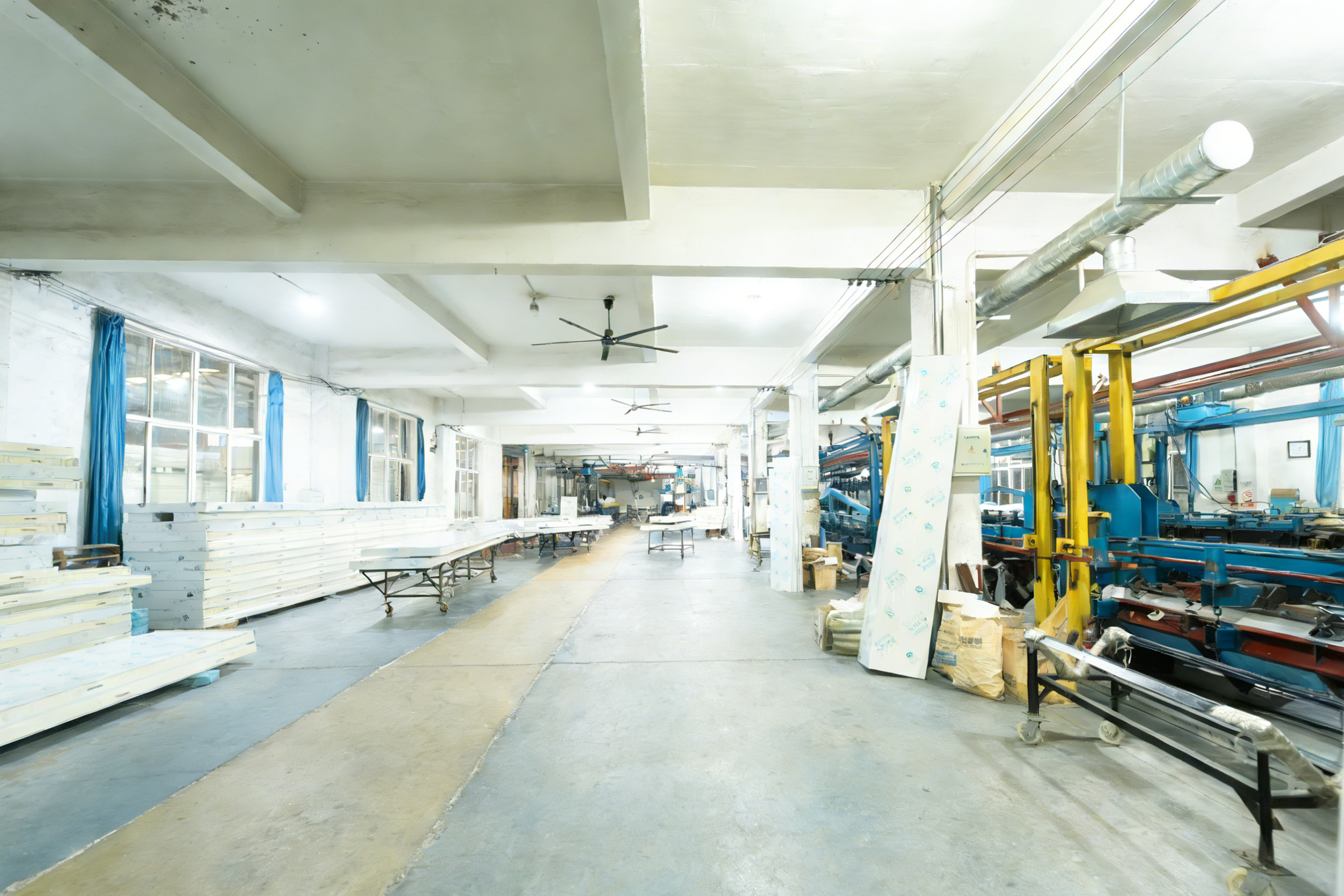
Production view of cold room air coolers and condensing units at Clevier Refrigeration.
Regulatory standards are also part of the technical comparison. IEC 60335-2-89:2019 specifies safety requirements for commercial refrigerating appliances, and EN 378:2016 is the mandatory European standard for the safety and environmental performance of refrigerating systems. Buyers should confirm whether the equipment documentation references the applicable editions of these standards.
Application Cases and Suitability
Clevier Refrigeration systems are described as well-suited for cold storage warehouses, food processing plants, logistics cold chains, and industrial refrigeration projects. Each application places a different demand on the system: a food processing plant may need rapid pull-down and stable defrost, while a third-party logistics cold chain may need remote monitoring and consistent temperature across multiple rooms.
The broader market supports this demand pattern. Walk-in cold rooms are projected to hold a 58.7% share of the cold room market by 2025, and frozen storage in the -18°C to -25°C range accounted for about 63% of the cold storage market in 2025. Food and beverage applications represent more than 76.8% of global cold chain revenue. For a buyer, this means the cold room refrigeration system will very likely operate in a food-related environment, where temperature stability, food safety, and defrost reliability are primary concerns.
Market Trends Shaping the Cold Room Sector
The cold room refrigeration sector is being reshaped by capacity expansion and regional demand. Asia Pacific held a 32.6% revenue share of the industrial refrigeration systems market in 2024 and a 70.22% share of the condensing unit market in 2023. China's total cold storage capacity reached 237 million cubic meters by June 2024, an 8% increase year over year, and China was the leading exporter of industrial evaporative air coolers in 2024, with exports valued at USD 577 million.
The global condensing unit market was valued at USD 42 billion in 2023 and is growing at a compound annual growth rate of 7.95%. At the same time, the global refrigeration equipment market was estimated at USD 67.06 billion in 2024, and the global refrigeration coolers market, which includes evaporators and air coolers, was estimated at USD 4.0 billion in 2024.
| Market indicator | Value | Source |
|---|---|---|
| Global industrial refrigeration systems market | USD 21.3 billion (2024) | Grand View Research |
| Asia Pacific industrial refrigeration share | 32.6% (2024) | Grand View Research |
| Global refrigeration equipment market | USD 67.06 billion (2024) | ResearchAndMarkets / Business Wire |
| Global refrigeration coolers market | USD 4.0 billion (2024) | Technavio |
| Walk-in cold room segment share | 58.7% (2025) | Dataintelo |
| China cold storage capacity | 237 million cubic meters (June 2024) | CFLP / IIR |
| Condensing unit market | USD 42 billion (2023) | Stratview Research |
| Frozen storage temperature range share | 63% (2025) | Grand View Research |
| Food and beverage cold chain share | 76.8% (2025) | Grand View Research |
These numbers give a buyer context: the industry is large, Asia Pacific is a major production and demand region, and the equipment category is expanding. The presence of established global players such as Emerson Electric, Carrier, Danfoss, and Bitzer SE in the condensing unit market also means buyers have a wide supplier set to evaluate. The practical implication is that a cold storage solution should be selected based on verified specifications, project-specific calculations, and the supplier's ability to support system matching, rather than on brand name alone.
Comparing Clevier with Traditional Solutions
Decision-stage buyers need a compact comparison between a modern Clevier cold room refrigeration system and the traditional piston compressor/manual door setup. The differences below are based on manufacturer-supplied data and should be checked against the actual project environment.
| Criterion | Clevier Refrigeration (manufacturer data) | Traditional piston compressor / manual sliding door |
|---|---|---|
| Efficiency | Higher efficiency, optimized system control, stable cooling performance | Simpler control; efficiency depends heavily on installation and operating habits |
| Energy consumption | 20–35% energy savings, project dependent | Often no part-load optimization |
| Operation speed | Up to 30% faster operation, project dependent | Manual door operation; slower in high-traffic facilities |
| Maintenance | Lower maintenance cost, longer service life, less manual operation | More frequent manual checks; higher failure risk in aged systems |
| Safety | Safety limit switches, emergency stop systems, thermal protection, overload protection | May lack integrated motor and door protections |
| Best fit | Cold storage warehouses, food processing plants, logistics cold chains, industrial refrigeration projects | Small, simple cold rooms where first cost is the main constraint |
These advantages are not absolute. The 30% faster operation and 20–35% energy savings are project dependent and will vary with room size, insulation quality, ambient temperature, door frequency, and control settings. In a very small cold room with simple product requirements and a tight first-cost budget, a traditional piston system may still be the more practical choice. Buyers should therefore treat this comparison as a decision framework, not as a substitute for a load calculation or supplier validation.
Decision Checklist for Procurement
- Define the room operating temperature and the required pull-down speed.
- Calculate the cooling load based on product volume, turnover, ambient conditions, and insulation panel thickness.
- Confirm compressor selection and whether the condensing unit type (air cooled, box type, or open type) fits the installation site.
- Select a cold room air cooler/evaporator that matches the load and defrost method.
- Verify the control system includes temperature sensors, thermal protection, automatic stop protection, and emergency stop functions.
- Check whether the supplier can customize the system for voltage, refrigerant, and panel structure.
- Compare the expected lifespan and maintenance requirements, not just the purchase price.
Future Outlook
Cold room refrigeration systems are moving toward higher automation, more sensors, and lower environmental impact. Revised versions of IEC 60335-2-89 have increased the permissible charge limit for flammable A3 refrigerants such as R290 from 150g to 500g, giving manufacturers more room to design commercial refrigeration equipment with lower-GWP refrigerants. This change is relevant for buyers who plan for future refrigerant regulations.
At the same time, condensing units and cold room evaporators are becoming more energy-dense and more controllable. In the next phase of cold chain warehouse refrigeration, we can expect more projects to specify box type condensing units and intelligent controllers as standard, rather than as upgrades. The supplier's ability to integrate the air cooler, condensing unit, and safety devices into one matched cold storage solution will become an even stronger procurement criterion.
Frequently Asked Questions
What is a cold room refrigeration system?
A cold room refrigeration system is a combination of components, including a cold room evaporator or unit cooler, a condensing unit, a compressor, and an insulated room structure, that maintains a controlled temperature in a walk-in freezer or cold storage room. The system may also include a controller, defrost elements, and safety devices.
What is the difference between a cold room air cooler and a condensing unit?
A cold room air cooler, also called a cold room evaporator or unit cooler, is installed inside the cold room and removes heat from the air. A condensing unit is installed outside the room or in a machinery space and rejects the heat absorbed by the refrigerant to the environment. Both parts must be matched to the room load and refrigerant type.
How much energy can a modern cold room refrigeration system save?
Manufacturer data from Clevier Refrigeration indicates that its systems can achieve 20–35% energy savings compared with traditional piston compressor systems, depending on the project. The actual saving depends on room design, usage patterns, ambient conditions, and how well the evaporator and condensing unit are matched.
What safety features should buyers check in a cold room refrigeration system?
Buyers should look for documented thermal protection for motors, overload protection, temperature sensors, safety limit switches, and emergency stop systems. These features help prevent motor overheating, electrical failure, and door jam situations.
What should procurement teams evaluate when comparing cold room refrigeration suppliers?
Procurement teams should evaluate system matching capability, documentation of safety and control functions, support for OEM/ODM customization, and the factory's ability to adjust cooling capacity, temperature range, voltage, refrigerant, compressor selection, panel structure, and complete system matching. Suitability for cold storage warehouses, food processing plants, and logistics cold chains should also be checked against the actual project conditions.
For consultants and procurement teams, the manufacturer's full product catalog is available for public reference: Clevier Product Catalog 2026 (PDF).