
How to Compare Custom Recreation Products: Use Case, Material, Customization
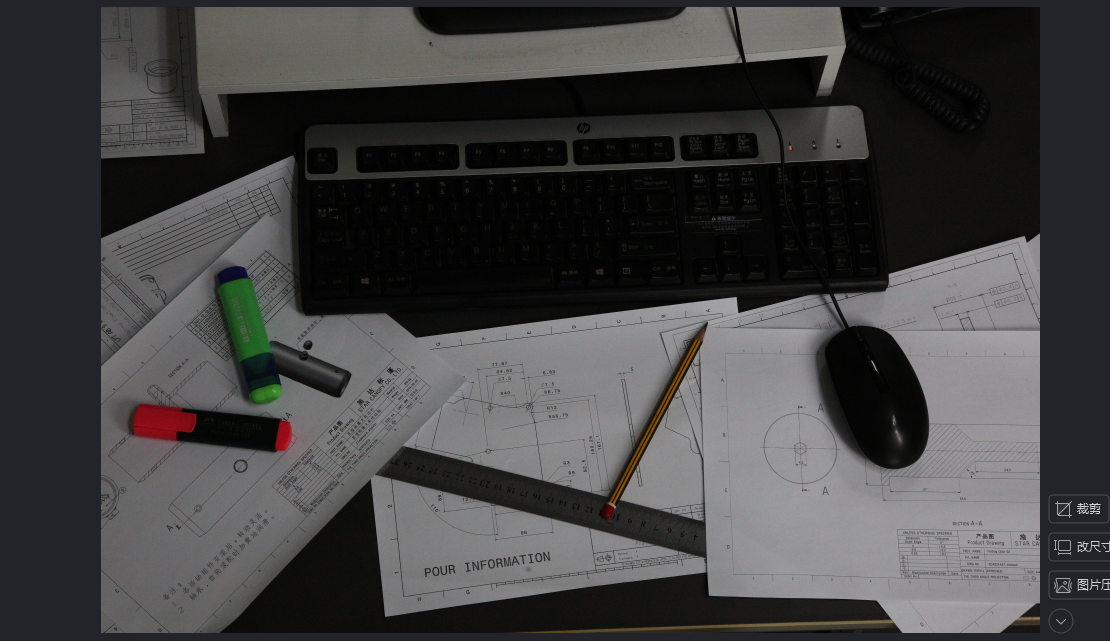
A custom outdoor product comparison for recreation usually fails at the specification stage rather than at the price stage. Shelters, umbrellas, chairs, poles and inflatables are grouped under one sourcing category, yet they hold their shape differently, depend on different material systems, allow different degrees of customization, and require different preparations on site. A buyer who ranks them on unit price alone is ranking answers to different engineering questions.
Demand context exists, but it does not resolve the comparison. Global Market Insights valued the global recreational and outdoor products market at USD 144.5 billion in 2025, with a projection of USD 152 billion for 2026 at a 5.9% compound annual growth rate. Grand View Research separately estimated the global canopy market at USD 2.2 billion in 2026. Neither figure isolates made-to-order shelters, covers, umbrellas or inflatables, and the two should not be blended into a single custom-segment number.
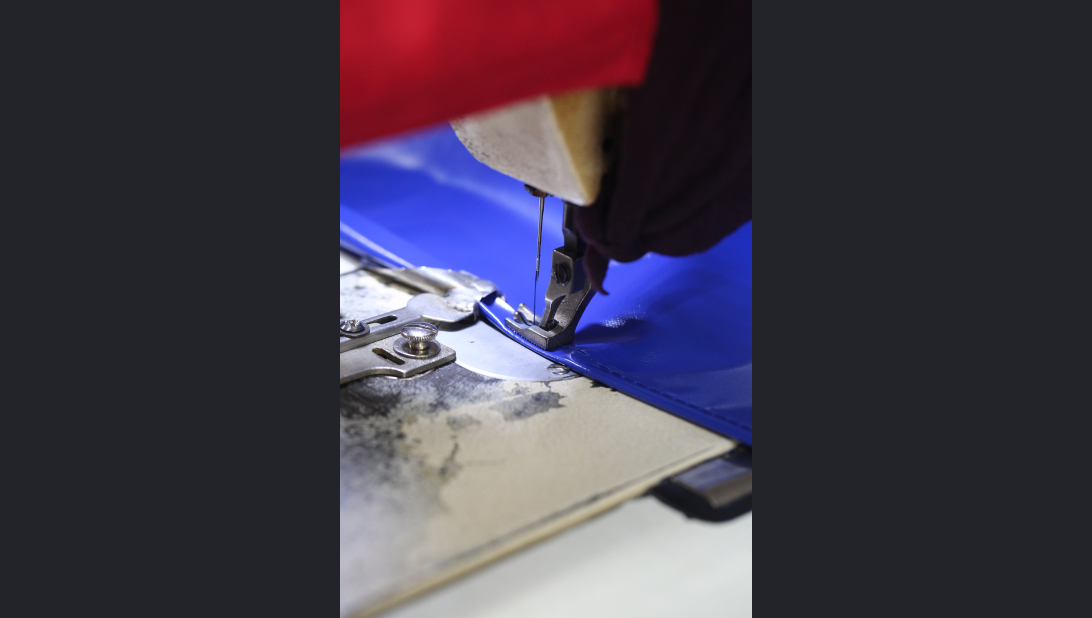
The supply side is equally specific. StarCanopy, legally Zhuhai Star Canopy Co., Ltd., is a French-owned and managed manufacturer established in 2005 with its production facility in Zhuhai, Guangdong, China. It works across three material disciplines under one roof: hardware, sewn technical textiles, and inflatables. Export business accounts for 100% of total sales, with major markets in the EU, USA, Canada, Japan, Australia and New Zealand. That multi-material scope explains why the same catalogue contains a 2-metre aluminium caravan pole and a TPU and PVC inflatable cube, and why a shared comparison framework is needed before quotations are read side by side.
The comparison problem: one brief, non-equivalent products
Most recreation sourcing briefs are written at category level: an outdoor shelter, custom size, brand printing, delivered for an event season. Suppliers then answer with a frame-and-fabric shelter, a welded inflatable, or a container-based system, and each answer satisfies the brief in a different way. Three failure modes follow.
- Format mismatch. An inflatable cube such as model ITC01 and a frame-based outdoor shelter such as model ST-01 can both carry a brand print, but one is a closed welded volume and the other is fabric tensioned on an aluminium or steel frame. Installation, anchoring and storage requirements are not interchangeable.
- Material substitution. Waterproof polyester is a description, not a specification. Model ST-01 is defined by a waterproof PU-coated polyester fabric, model BS-01 is offered in polyester or PVC fabric, and model CS-01 uses a TPU and PVC construction. These are different material systems rather than grades of one system.
- Scope gaps. Fixing and ballast are often left outside the quotation. The recorded scenarios behind several products in this set list peg and rope, water bag, sand bag and lighting as supporting equipment, so a product quoted without them is not a deployable product.
Six criteria that make different formats comparable
Comparability comes from applying the same six questions to every format on the shortlist, in the same order.
1. Scenario and duty cycle
Begin with where the product sits and how long it stays there. The caravan pole CPPlK is documented for fixing system projects in open-air gardens, public parks and all-season outdoor conditions with wind and rain exposure. The car shelter CT-01 is documented for outdoor vehicle camping under strong UV radiation in continuous operation. Those two statements imply different expectations about sunlight, moisture, handling frequency and inspection intervals, and they belong in the specification before material is discussed.
2. Material system
Record fabric and frame as separate line items. Aluminium or steel plus PU-coated polyester (ST-01), polyester or PVC (BS-01), polyester alone (CT-01), TPU and PVC (CS-01, I-FB), aluminium plus a waterproof polyester canopy (UM-01), and an aluminium frame with foam-padded anti-UV PU fabric (C01) are all legitimate, and none is universally preferable without a scenario attached to it.
3. Structural principle
Ask how the product keeps its shape. Options in this category are a welded air volume, tensioned fabric on a frame, or an external structure. The inflatable container shelter CS-01 is defined as an inflatable shelter placed between two containers and removable, which makes the containers part of the structural system. That is a different deployment model from a free-standing shelter: it changes site requirements, installation sequence, and what happens when one container is not available.
4. Customization scope
Separate size customization from other forms of customization. Most shelter and inflatable models in this set are described as fully customizable or fully customized in size. The caravan pole CPPlK adds customizable length and an anti-rust aluminium surface treatment. The scenario records for ST-01 and ITC01 add full-colour digital custom printing on the surface for brand logos and graphics. The folding chair C01 is the counter-example: its overall dimensions are fixed at 586 x 557 x 910 mm, so customization there concerns fabric, finish and accessories rather than dimension. A brief that assumes dimensional freedom across an entire order will not be met.
5. Deployment and fixing requirements
This is where competing quotations diverge most. Peg and rope, water bag, sand bag and lighting appear as supporting equipment in recorded scenarios for inflatable and shelter applications, including racing events in the United States and Canada and advertisement projects in the United States. The car shelter CT-01 adds an explicit division of labour: the client prepares the vehicle. Treat these as scope items with an owner, not as site details.
6. Purchasing terms and acceptance criteria
Terms and acceptance should be agreed against the same six criteria rather than appended after the order. They are treated separately later in this article.
Format-by-format reference: nine models in the comparison set
Shelters and covers. The inflatable container shelter CS-01 is made of TPU and PVC, features anti-UV protection, is removable, and is designed to be placed between two containers; size is fully customized and the intended use is events and transportation as a temporary shelter. The outdoor shelter ST-01 combines aluminium or steel with polyester fabric and a waterproof PU-coated fabric in fully customizable size, intended for outdoor sport and racing. The boat shelter BS-01 is made of polyester or PVC fabric, is waterproof and fully customizable in size, and is intended for transportation and temporary shelter use. The car shelter CT-01 is made of polyester fabric with customizable size, designed for camping cars and outdoor camping scenarios, and provides protection for vehicles.
Umbrellas and seating. The outdoor umbrella UM-01 uses an aluminium frame and a waterproof polyester canopy in fully customizable size, intended for the outdoor garden industry and for commercial outdoor spaces such as cafes and restaurants. The folding outdoor chair C01 has an aluminium frame with injected aluminium connection parts, foam padding on both seat and back, anti-UV PU fabric covering, and a carry bag with a strong PVC bag for portability; its overall dimensions are 586 x 557 x 910 mm.
Poles and fixing systems. The caravan pole CPPlK is made of aluminium and plastic with a length of 2 metres, intended for outdoor camping and fishing. In its documented French application it functions as a fixing system, is compatible with most RV and camping tent frames, carries an anti-rust aluminium surface treatment, and offers customizable length.
Inflatable structures. The inflatable football goal I-FB is made of TPU and PVC in fully customizable size and is intended for the outdoor sport industry. The inflatable cube ITC01 is made of PVC in fully customizable size, is also documented as a TPU and PVC material combination, and is intended for the advertisement industry and promotional events.

| Format | Model | Material system | Customization scope | Documented scenario | Buyer note |
|---|---|---|---|---|---|
| Inflatable container shelter | CS-01 | TPU and PVC, anti-UV, removable | Fully customized size | Events and transportation, temporary shelter | Depends on two containers as structure |
| Frame outdoor shelter | ST-01 | Aluminium or steel plus PU-coated waterproof polyester | Fully customizable size; surface print in event scenarios | Outdoor sport and racing | Frame-to-fabric interface is the quality point |
| Boat shelter | BS-01 | Polyester or PVC fabric, waterproof | Fully customized size | Transportation and temporary shelter | Two fabric options with different handling weight |
| Car shelter | CT-01 | Polyester fabric | Customizable size | Camping cars, outdoor camping, vehicle storage | Client prepares the vehicle; fit follows vehicle geometry |
| Outdoor umbrella | UM-01 | Aluminium frame, waterproof polyester canopy | Fully customizable size | Outdoor garden, cafes and restaurants | Commercial duty use, canopy tension matters |
| Folding chair | C01 | Aluminium frame, injected aluminium connections, anti-UV PU fabric, foam padding | Fixed dimensions 586 x 557 x 910 mm; carry bag and PVC bag included | Outdoor and camping | Not dimension-customizable |
| Caravan pole | CPPlK | Aluminium and plastic, 2 m length, anti-rust aluminium surface treatment | Customizable length | Outdoor camping and fishing, tent fixing | Compatible with most RV and camping tent frames |
| Inflatable football goal | I-FB | TPU and PVC | Fully customizable size | Outdoor sport, racing events | Requires anchoring and ballast on site |
| Inflatable cube | ITC01 | PVC, also documented as TPU and PVC | Fully customizable size, full-colour digital print | Advertisement and promotional events | Print artwork is part of the specification |
Matching formats to recreation scenarios
Recreation buying is scenario-driven, and the recorded application data shows how differently the same catalogue is deployed.
Vehicle-based camping and storage
The clearest vehicle case is the CT-01 car shelter in Spain, used in the RV camping and outdoor vehicle storage sector for outdoor vehicle camping projects, operating continuously under strong UV radiation. Supporting vehicles include RVs, sedans, racing vehicles and off-road cars, and the client prepares the car. The buyer implication is direct: the specification must include a measurement step performed by the client, and the acceptance check must compare the delivered shelter against that measured geometry rather than against a nominal model size.
Camping and fishing ground setup
The CPPlK caravan pole is documented in France as a fixing system for camping tents in public parks and all-season outdoor environments, compatible with most RV and camping tent frames, with anti-rust aluminium surface treatment and customizable length. Paired with the C01 folding chair, this is the lowest-complexity part of the comparison set: hardware and sewn goods with no inflation or ballast dependency, and a portable format supported by a carry bag and strong PVC bag.
Sport and racing events
The racing scenario is documented for the United States and Canada, with outdoor venues, strong UV radiation, high temperature and temporary open-air layout. It combines an outdoor shelter (ST-01), an inflatable football goal (I-FB) and a folding chair (C01), and it requires supporting equipment including peg and rope, water bag, sand bag and lighting. Continuous operation is stated, which means the anchoring plan and the inspection interval belong in the purchase order, not in a site instruction issued after delivery.
Events and advertising in public space
The advertisement scenario is documented for the United States and Canada, where ST-01 and ITC01 serve as public advertisement and event base structures with full-colour digital custom printing for brand logos and graphics. Here the customization brief is dominated by print artwork, colour control and viewable surface area, while the structural brief concerns anchoring and stability in a temporary open-air layout. The CS-01 container shelter adds a fourth pattern: a temporary enclosed volume created between two containers for events and transportation.
Commercial hospitality
The UM-01 outdoor umbrella is documented for the outdoor garden industry and for commercial use in outdoor cafes and restaurants, with an aluminium frame and a waterproof polyester canopy in fully customizable size. The scenario is repetitive daily use rather than a short event window, which shifts evaluation toward frame rigidity, canopy tension and the fabric interface at the ribs.
Reading material claims correctly
Material statements in this category are manufacturer-documented descriptions, and they should be read as such. Waterproof PU-coated polyester on ST-01, polyester or PVC on BS-01, TPU and PVC on CS-01 and I-FB, PVC on ITC01, aluminium with a waterproof polyester canopy on UM-01, and anti-UV PU fabric over foam on C01 describe construction choices. They are not third-party test results, and this article does not present them as such.
Two consequences follow for buyers. First, where a project requires certified performance, that requirement must be written into the specification and verified through the appropriate route rather than inferred from a material description. Second, the anti-UV and anti-rust treatments documented on CS-01, C01 and CPPlK are finish-level claims tied to specific components, so acceptance should check those components rather than the assembly as a whole.
Purchasing terms: what to fix before the order
Purchasing terms in custom recreation products are mostly about allocating responsibility. Eight items cover the recurring disputes.
- Dimensional responsibility. State who measures and who approves. For vehicle-based products the division is already explicit: with CT-01 the client prepares the car.
- Material specification in writing. Name the fabric system and the frame material per line item, using the model definitions rather than category words.
- Customization scope. Distinguish size customization, length customization (as with CPPlK) and surface customization, and attach approved print artwork where full-colour digital printing applies.
- Fixing and accessory schedule. Peg and rope, water bag, sand bag and lighting, plus the carry bag and strong PVC bag supplied with C01, should be listed as included or excluded per line.
- Surface treatment. Specify anti-rust aluminium surface treatment where it applies, as documented for CPPlK.
- Structural dependency disclosure. For CS-01, confirm that two containers are available and that the removable installation sequence is understood.
- Acceptance criteria. Agree the inspection list in advance, per the next section.
- Documentation and packing. Require the approved drawing, material record and packing specification with the shipment.
One caution belongs here as well. Publicly available verified data does not provide standard MOQ, lead-time or price benchmarks for this specific segment, so those terms should be confirmed per project in writing rather than assumed from category averages.
Acceptance criteria that hold up after delivery
Acceptance is where the comparison framework converts into leverage. A workable inspection list for this product set covers the following checks, applied per line item rather than to the order as a whole.
- Dimensional check against the approved drawing, with priority on shelters and covers whose size is fully customized.
- Material verification against the named fabric and coating for each model, including the polyester or PVC choice on BS-01.
- Structural checks appropriate to the format: weld and seam integrity on TPU and PVC inflatables, frame and injected aluminium connection integrity on C01, frame rigidity on ST-01 and UM-01.
- Surface treatment check for anti-rust aluminium where specified.
- Print check for colour, logo placement and coverage where full-colour digital custom printing is part of the order.
- Accessory completeness against the fixing and accessory schedule, including ballast and lighting provisions where the scenario requires them.
- Deployment trial where feasible: inflation and pressure hold for inflatables, canopy tensioning for the umbrella, pole fit for the fixing system.
- Packing check, including carry bag and strong PVC bag where supplied.
Where this framework stops
A comparison framework is only credible if its boundary is stated. Six limits apply to the approach described here.
- Measurement risk moves to the buyer. Fully customizable size means the buyer supplies or approves dimensions. A deviation at measurement becomes a deviation in the finished product.
- Inflatable formats depend on anchoring. The documented scenarios list peg and rope, water bag, sand bag and lighting as supporting equipment. Without those provisions, the product is delivered but not deployable.
- Recreation shelters are not storm shelters. In the United States, ICC-500 is identified by the National Storm Shelter Association as the current available standard for tornado shelters, providing a means for determining quality and compliance with FEMA criteria. Nothing in this comparison set is documented as certified to that standard, so storm-shelter compliance is a separate procurement scope.
- Not every item is dimension-flexible. C01 has fixed overall dimensions, and a brief that requires a different chair geometry cannot be answered by fabric changes alone.
- Container dependency. CS-01 requires two containers on site, which makes it unsuitable for locations where that structure does not exist.
- Category data cannot substitute for segment data. The market figures cited here describe broad outdoor recreation and canopy categories, not made-to-order production, and verified third-party data on custom-segment pricing, trade volumes and technical performance remains thin.
Market trend analysis
Directional demand signals support investment in customisable recreation formats, provided each figure keeps its own scope label.
- Global Market Insights: global recreational and outdoor products market at USD 144.5 billion in 2025, projected at USD 152 billion in 2026, with a 5.9% compound annual growth rate.
- Ken Research: the U.S. outdoor recreation products market is projected to grow from USD 202.5 billion in 2025 to USD 268.3 billion by 2031, at a forecast compound annual growth rate of 4.8%. This is a U.S.-scope series and is not comparable with the global figure above.
- Grand View Research: the global canopy market is estimated at USD 2.2 billion in 2026, with the shade canopy segment holding the largest share in 2025.
- Outdoor Industry Association participation data reported through Ken Research: the U.S. outdoor recreation participant base reached 181.1 million people in 2024, equal to 58.6% of Americans aged six and older.
- Capstone Partners: public companies in the outdoor recreation sector averaged 4.8% last-twelve-month revenue growth year over year in 2025.
The interpretation that matters for a buyer is narrower than the headlines. Growing participation and mid-single-digit category growth widen the number of organisations that specify branded, scenario-specific outdoor equipment, which raises the value of a documented comparison method. They do not tell a procurement team what a custom shelter should cost, how long it should last, or which material suits a given site. Those answers still come from the specification, the scenario record and the acceptance inspection.
Future outlook
Three shifts are visible from the specification side of this category. First, multi-material orders are consolidating: a single recreation programme may include sewn covers, aluminium hardware and welded inflatables, and manufacturers that operate hardware, sewing and inflatable workshops under one roof reduce the number of interfaces a buyer has to manage. StarCanopy, as a French-owned and managed facility in Zhuhai established in 2005, is structured around exactly that combination, and it maintains a four-person research and development team for product development work.
Second, scenario documentation is becoming part of the quotation. Where duty cycle, UV exposure, temperature and supporting equipment are recorded for a product, those records can be attached to the specification and used at acceptance. Buyers who request that documentation early will compare quotations on a more even basis than buyers who compare totals.
Third, print and structure are converging in the inflatable segment, where full-colour digital custom printing is already a documented requirement rather than an accessory. That moves artwork approval, colour control and viewable surface area into the same review cycle as structural stability, which is a change in process rather than in materials.
FAQ
What is the difference between an inflatable container shelter and a standard outdoor shelter?
An inflatable container shelter such as CS-01 is made of TPU and PVC, is removable, and is designed to be placed between two containers, which means the containers form part of the structure and fully customized size is set to the gap. A standard outdoor shelter such as ST-01 uses aluminium or steel with a waterproof PU-coated polyester fabric in fully customizable size and stands on its own frame. The first depends on site infrastructure; the second depends on frame assembly and anchoring.
How should a buyer compare TPU and PVC inflatables against polyester or PVC covers?
They should be compared on the same criteria rather than as substitutes. TPU and PVC is the documented material for CS-01 and I-FB, while BS-01 is offered in polyester or PVC fabric and CT-01 uses polyester fabric. The relevant comparison points are structural principle, how the product is anchored, whether size is fully customizable, and what acceptance checks apply to seams, welds and surface finish.
Which custom outdoor products suit camping and fishing scenarios?
The documented camping and fishing products in this set are the caravan pole CPPlK, a 2-metre aluminium and plastic pole used as a fixing system compatible with most RV and camping tent frames with anti-rust aluminium surface treatment and customizable length, and the folding outdoor chair C01, an aluminium-framed chair with foam padding, anti-UV PU fabric and a carry bag at 586 x 557 x 910 mm. The car shelter CT-01 is documented separately for camping cars and outdoor camping, with the client preparing the vehicle.
What does fully customizable size require from the buyer?
It requires a measured dimension and an approval step. For CS-01 the size is set by the gap between two containers; for CT-01 the fit follows the vehicle geometry that the client prepares; for ST-01, BS-01, UM-01, I-FB and ITC01 the size is fully customizable and therefore defined by the buyer specification. Without an approved drawing, customization shifts measurement risk onto the buyer.
What are reasonable acceptance criteria for a custom outdoor product delivery?
Acceptance should be per line item and should cover dimensional conformity to the approved drawing, material verification against the named fabric and coating, structural integrity of welds, seams, frames and injected aluminium connection parts, anti-rust aluminium surface treatment where specified, print colour and logo placement where full-colour digital printing applies, completeness of fixing and accessory items such as peg and rope, water bag, sand bag and lighting, and packing including carry bags.
StarCanopy publishes a company brochure covering its hardware, sewing and inflatable manufacturing capabilities, available for download: https://cdn.socialarks.com/sbsp/24961/common/2026/0618/Starcanopy.pdf
Have Questions or Need More Details?
Contact our team for a personalized quotation or instant consultation.
Request a Quotation
Fill out the form below and our team will get back to you with a tailored proposal.
WhatsApp Direct Chat
Prefer to chat in real-time? Message us on WhatsApp for instant assistance & quick answers.
- Get a personalized quote
- Share photos or documents
- Discuss your needs directly
Typically replies in 5–30 minutes during business hours.