
How to Compare DC Motor Types: Pancake, BLDC and Hub Motors
How to Compare DC Motor Types: Pancake, BLDC and Hub Motors
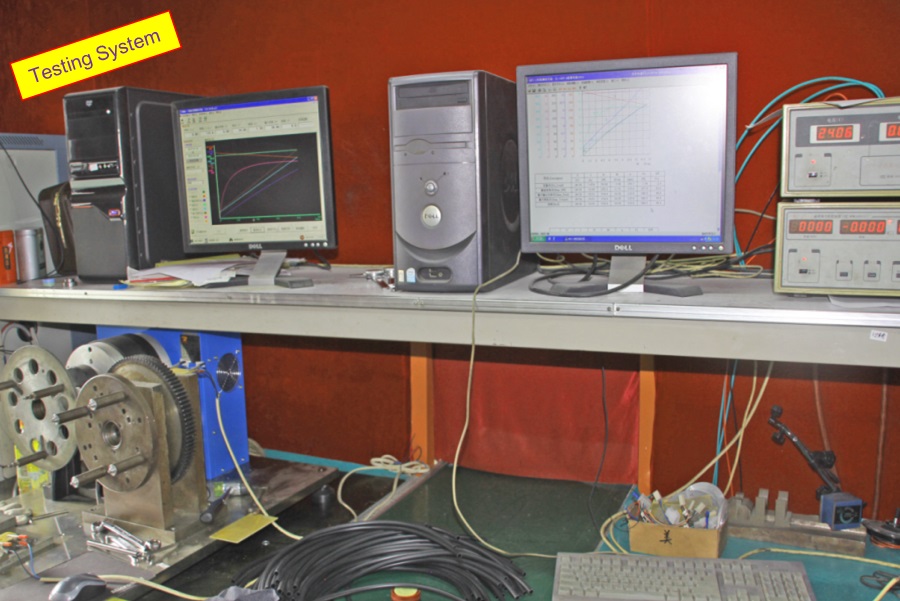
Figure 1: A finished motor testing system at a DC motor production facility
Introduction: Why motor type matters more than motor size
Selecting a DC motor for a mobility or medical device is rarely a matter of matching one voltage and one speed. OEM buyers must compare motor architecture, available torque, package height, efficiency, service life and total cost. The decision becomes even more concrete when the motor is expected to fit inside a wheel or a low-profile equipment base.
In the DC motor category, three architectures frequently appear in procurement discussions: pancake motors, brushless DC (BLDC) motors, and wheel hub motors. They are not always alternatives to one another; a motor can be both a pancake and a BLDC design, and a hub motor can use either brushed or brushless technology. The practical question for a buying engineer is how the chosen architecture affects assembly, performance, safety and maintenance.
The sourcing problem: Matching architecture to application
Equipment developers often start with a space constraint. A conventional cylindrical DC motor may be easy to source, but it can add height, weight and drivetrain complexity. That is why compact motor geometries have become relevant across floor-cleaning machines, medical beds, industrial robotics and mobility equipment.
The opportunity is not simply 'choosing a motor.' It is choosing an architecture that reduces assembly steps, improves reliability and matches the real operating profile of the end product. A motor integrated into a wheel, for example, changes how the vehicle is designed, how it is braked and how it is serviced. A pancake motor changes how the equipment is packaged. A BLDC motor changes how the controller and electronics must be specified.
Brand solution: Wuxi Speedup Power in the DC motor supply chain
Wuxi Speedup Power Co.,Ltd is a DC motor manufacturer founded in 2018, with a 10,000-square-meter factory, 30 employees and an annual output of 30,000 pieces. The company specializes in printed/pancake motors, BLDC motors and wheel hub motors for industrial and civil applications. Its export ratio is about 90%, with main markets in the EU and USA.
The company profile lists applications such as floor washing/cleaning machines, agricultural machinery, medical beds, industrial robotics, automobile equipment, office equipment and mobility equipment. For mobility products, the range includes brushless and brush wheel hub motors for e-bikes, electric scooters, electric tricycles, transport carts/chairs and wheelbarrows. The company also states that customized motors are welcomed. The profile lists certifications such as RoHS, UL, EMC and ISO9000-2008, and the team reports over 16 years of industry experience.
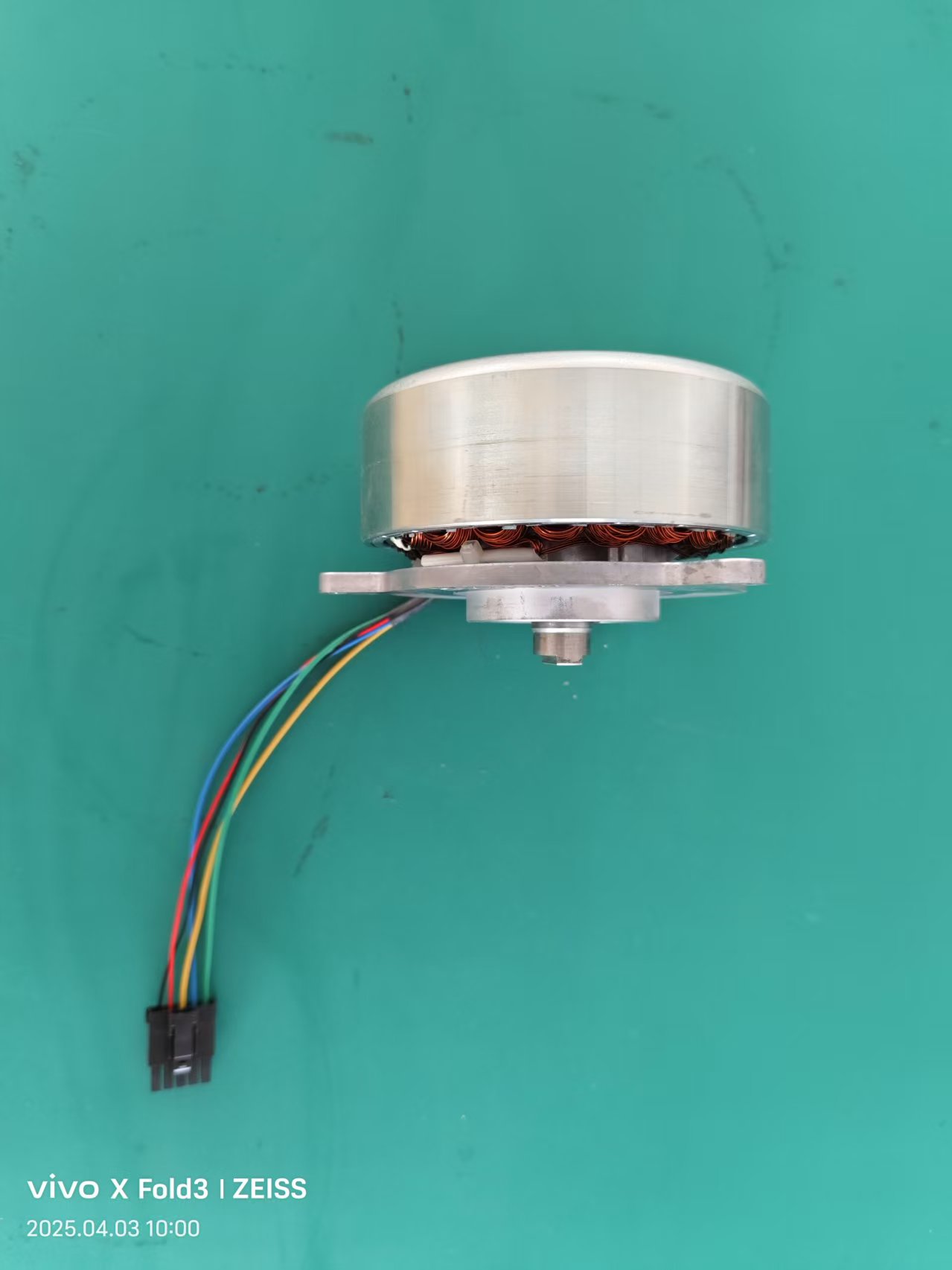
Figure 2: Pancake BLDC motor for compact drive applications
Technical explanation: Comparing the core DC motor architectures
For procurement purposes, the comparison needs to be separated before and after the brushless decision.
Pancake motor versus normal winding DC motor
According to supplier comparison data, the core difference between a pancake/printed DC motor and a normal winding DC motor is smaller size. The same data reports higher efficiency, larger torque, lower temperature rise, longer service life, lower noise, smaller parameter tolerance and lower failure rate compared with a normal winding DC motor.
From a reliability point of view, the lower failure rate and longer service life are the two attributes that most directly affect maintenance schedules. A smaller parameter tolerance also matters in applications where several motors need to perform consistently under the same controller settings.
Pancake BLDC motor versus normal brushless DC motor
For brushless designs, supplier comparison data identifies size type and external rotor construction as the main differences between a pancake BLDC motor and a normal brushless DC motor. The claimed performance gap is the same set: higher efficiency, larger torque, lower temperature rise, longer service life, lower noise, smaller parameter tolerance and lower failure rate.
The external rotor construction is worth extra attention in compact applications. It allows the outer shell of the motor to rotate around a fixed inner assembly, which can simplify mounting in wheel barrels and other space-limited housings.
Low-speed high-torque hub motor with electromagnetic brake
A separate comparison entry covers a low-speed high-torque hub motor with electromagnetic brake. This configuration is described as being suited to wheelchairs and any low-speed high-torque vehicle that requires hub-driven mobility. The supplier's comparison data lists the same performance advantages over a standard hub motor: higher efficiency, larger torque, lower temperature rise, longer service life, lower noise, smaller parameter tolerance and lower failure rate.
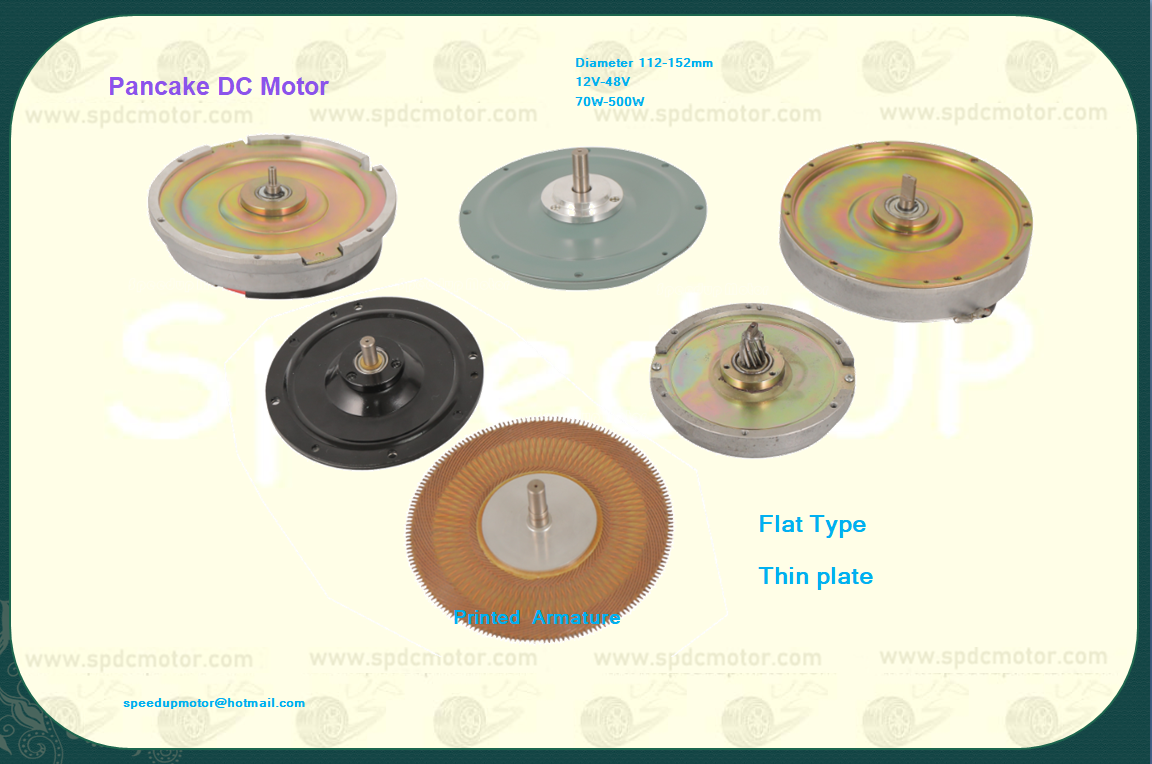
Figure 3: Printed DC motor in pancake flat format
Application and use cases
The comparison data gives a clear application direction for each architecture.
Pancake motors and printed DC motors are best suited to devices requiring low height, compact spaces and precise torque output. Specific examples mentioned in the supplier data include floor scrubbers, polishers and hub-driven mobility devices. The same geometry can be relevant for medical beds, agricultural machinery and office equipment when vertical packaging space is limited.
Low-speed high-torque hub motors with electromagnetic brake are recommended for wheelchairs and for low-speed vehicles where the wheel itself can be the drive unit. Direct hub drive removes the need for an external gearbox and chain or belt transmission, which can reduce noise and parts count, though maintenance of the wheel assembly remains an important consideration.
In addition to the mobility segment, the company profile lists applications in industrial robotics, automobile equipment and cleaning equipment. For each application, the buyer should check whether the motor's claimed performance profile is documented with the same measurement method across all candidate suppliers.
Market trends: Demand for compact and integrated DC motors
Market data points in the same direction as the product-level comparison. The global brushless DC motor market was estimated at USD 20,990.5 million in 2024, according to Grand View Research. China accounted for about 39.8% of the global BLDC motor market in the same year.
In the mobility and medical segments, two figures stand out. The global electric wheelchair market was estimated at USD 4.49 billion in 2024 and is projected to reach USD 9.05 billion by 2030. The global motors for medical devices market was valued at USD 4.25 billion in 2024, according to MarketsandMarkets.
For hub drive technology, the global automotive wheel hub motor market is estimated to reach USD 8.8 billion by 2035, with a CAGR of 5.2%, according to Market Research Future. Although that figure is specifically about automotive in-wheel motors, it signals a broader shift toward integrated electric drive units.
Note: Market size estimates for BLDC motors and electric wheelchairs vary by source scope. Procurement teams should compare estimates with the exact product definitions used by each research firm.
Comparison with traditional solutions
Comparing a compact DC motor with a conventional motor-plus-transmission solution requires looking beyond the motor alone.
Compared with a traditional brushed DC motor or a normal winding motor, a pancake design can reduce height and increase efficiency. Compared with a motor mounted outside the wheel, a hub motor can eliminate belts, chains and gearboxes. These are real packaging advantages.
The trade-off is cost and maintenance. Supplier comparison data notes that there is an obvious cost difference between compact DC motors and similar conventional products. Maintenance items may also differ: a geared hub motor may require gearbox upkeep, and a brushed motor may require carbon brush replacement. Buyers should evaluate the initial unit price, spare parts availability, assembly labor and expected service intervals together rather than comparing motor prices in isolation.
Procurement checklist for OEM DC motor decisions
- Confirm the physical envelope: available height, diameter and wheel housing dimensions.
- Define the torque profile at the required speed, including overload duration.
- Compare performance claims with the same measurement conditions and documented data.
- Check whether the motor uses a brushed or brushless design and plan for controller compatibility.
- Review maintenance requirements such as gearbox upkeep or carbon brush replacement.
- Verify safety controls for hub motors: thermal protection, overcurrent protection, braking and ventilation.
- Evaluate lead time, annual output capacity and the supplier's ability to support custom variants.
Safety and risk management for wheel hub motors
Hub motors introduce safety risks that are less visible in conventional motor layouts. Supplier risk documentation lists rotating hub entanglement with loose clothes or hair, vibration loosening of wheel fasteners, bearing failure, overheating, integrated battery thermal runaway, scald risk, cable abrasion, short circuits and loose-terminal arcing as hazards.
The same documentation names control methods that can be specified at design stage: protective guards on running test benches, standardized bolt fastening torque, built-in temperature sensors and thermal cut-off protectors, optimized heat dissipation, controller load limits, vibration-resistant flexible cables and overcurrent, short-circuit and overvoltage protection.
For the end product, buyers should also plan operational controls: rated load and overload prohibition reminders, grounding, sealed wiring terminals and clear electrical safety procedures. These measures are relevant to both the motor design and the finished equipment's user manual.
Future outlook
Demand for DC motors is moving toward smaller, more integrated drive architectures. The projected growth of the electric wheelchair market and the medical device motor market supports continued interest in low-profile and direct-drive solutions. The automotive in-wheel motor outlook, while still early in adoption, suggests that engineers are becoming more comfortable with integrating motors into wheels.
For OEM buyers, this creates a practical need to evaluate suppliers on more than a datasheet. Evidence of quality control, production capacity, safety documentation and willingness to customize are increasingly part of the decision criteria.
FAQ
How does a pancake DC motor differ from a normal winding DC motor?
According to supplier data, the core difference is smaller size. Additional differences include higher efficiency, longer service life, lower failure rate, lower noise, lower temperature rise, larger torque and smaller parameter tolerance compared with a normal winding DC motor.
What performance advantages does a BLDC motor offer over a normal brushless DC motor?
Compared with a normal brushless DC motor, a pancake BLDC motor differs in size type and external rotor construction. Supplier comparison data reports higher efficiency, larger torque, lower temperature rise, longer service life, lower noise, smaller parameter tolerance and lower failure rate.
When should a wheel hub motor with electromagnetic brake be specified?
A low-speed high-torque hub motor with electromagnetic brake is best suited for wheelchairs and low-speed high-torque hub-driven mobility devices. The supplier's comparison data also claims higher efficiency, larger torque, lower temperature rise, longer service life, lower noise, smaller parameter tolerance and lower failure rate compared with a standard hub motor.
What safety factors should be reviewed for wheel hub motors?
Supplier risk documentation lists rotating-hub entanglement, vibration loosening of fasteners, bearing failure, overheating, thermal runaway in lithium battery hub motors, scald risk, cable abrasion and short circuits as key hazards. Control methods include protective guards, standardized bolt torque, built-in temperature sensors, thermal cut-off protection, controller load limits and overcurrent/overvoltage protection.
Does Wuxi Speedup Power provide custom DC motors for OEM applications?
Wuxi Speedup Power Co.,Ltd specializes in printed/pancake motors, BLDC motors and wheel hub motors, and its profile states that customized motors are welcomed. The company operates a 10,000-square-meter factory, has three R&D engineers and an annual output of 30,000 pieces.