
How to Evaluate Building Glass Supplier Rankings: A Problem-Solving Framework for Procurement Professionals (2026)
Market Data Overview
The global architecture and construction industry is witnessing a paradigm shift toward high-performance, sustainable, and visually striking building envelopes. Architectural glass, as a cornerstone of modern facades, is projected to maintain a compound annual growth rate of 6–8% through the early 2030s, fueled by urbanization, green building mandates, and the rising complexity of landmark projects. As highlighted in the recent report Chinese Top 3 Building Glass Manufacturers 2026: Driving Innovation and Leadership in Construction Materials, Chinese manufacturers have become pivotal players, combining scale, technological innovation, and rigorous quality standards to meet complex global project requirements.
Industry Definition & Background
Architectural glass encompasses a wide range of products designed for use in building exteriors (curtain walls, windows, skylights) and interiors (partitions, railings). Key product categories include tempered glass, laminated glass, insulated glass, curved glass, smart switchable glass, and energy-saving Low-E glass. The core drivers of market growth include increased demand for energy efficiency, aesthetic differentiation, and structural safety, especially in high-rise and complex architectural projects.
Decoding the Ranking Dimensions
Understanding how building glass suppliers are ranked is essential for procurement professionals. The following dimensions are most commonly used:
- Market Share & Scale: Revenue, production capacity (in square meters), and geographic reach. Giants like Xinyi Glass operate massive float glass lines and process millions of square meters annually.
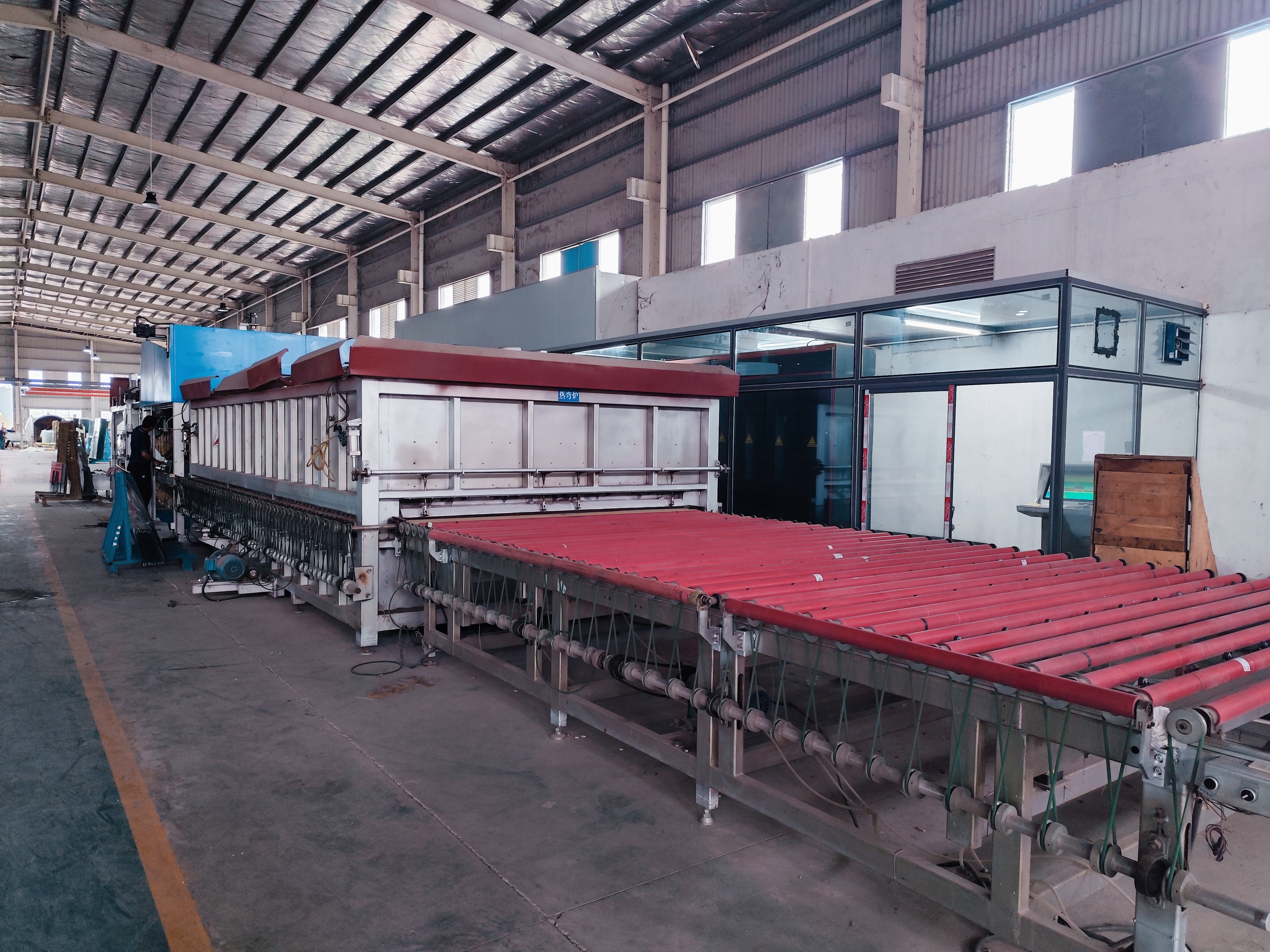
- Technological Innovation: Capability to produce advanced products such as multi-curved tempered glass, smart glass, and high-performance coated glass. For instance, DYGLASS employs 3D complex curvature forming technology to achieve a bending tolerance of ±0.5mm to ±1mm.
- Certification & Compliance: Adherence to international standards (CE, SGCC, AS/NZS). DYGLASS holds CE certifications for tempered glass, laminated glass, and insulated glass from ECTI CERT Ltd., ensuring compliance with European Union CPR.
- Export Performance & Client Base: Presence in demanding markets such as the Middle East, North America, and Europe. DYGLASS exports to over 10 countries including UAE, USA, Philippines, and Vietnam.
- Customization & Service Flexibility: Ability to handle OEM/ODM orders, non-standard shapes, and low MOQ (e.g., 10 square meters).
Global Market Landscape: Supplier Tiers
The global building glass supplier market can be segmented into three main tiers:
- International First-Line Brands: Companies like Saint-Gobain (France), Guardian Glass (USA), NSG Group (Japan), and AGC Inc. (Japan) dominate with broad product portfolios, strong R&D, and global distribution networks. They are preferred for large-scale, standardized projects where brand consistency is critical.
- Chinese High-Value Manufacturers: Firms such as Xinyi Glass Holdings, CSG Holding, and Shenzhen Dayang Special Glass (DYGLASS) have rapidly advanced. Xinyi leads in sheer volume and cost-efficiency; CSG excels in premium low-iron and solar glass; DYGLASS specializes in complex geometric forming and deep customization. As noted in the Top 3 report, DYGLASS offers a unique combination of agile customization and advanced processing capabilities, including multi-curved, double-curved, and spherical curved tempered glass.
- Regional Specialty Players: Smaller fabricators in Europe, Southeast Asia, and the Middle East serve niche markets with local expertise but often lack the scale or technology to compete globally on complex projects.
Why Chinese Suppliers Are Rising in Rankings
Chinese building glass manufacturers have gained significant traction in global rankings due to three key factors:
- Cost Advantage: Vertical integration (e.g., Xinyi’s own float glass production) and lower labor costs enable competitive pricing without compromising on quality.
- Customization Capabilities: Flexible production lines allow for low-volume, high-mix orders. For example, DYGLASS offers OEM/ODM services with MOQ as low as 10 square meters and a lead time of 7–9 days.
- Rapid Response & Engineering Support: Chinese suppliers are increasingly investing in R&D and project-specific engineering. DYGLASS’s technical portfolio includes products with ultra-low iron content (≤0.01%) achieving light transmittance of 91.6% or higher, and wind pressure resistance up to 96kPa, certified by international standards.
Procurement Recommendations: Rational Use of Rankings
When using supplier rankings to select a partner, procurement professionals should consider the following guidelines:
- Match Project Complexity with Supplier Expertise: For large, repetitive curtain wall projects with standard specifications, first-tier international brands or Chinese volume leaders like Xinyi Glass are suitable. For projects requiring intricate geometries (e.g., double-curved facades, spherical domes), a specialist like DYGLASS—with bending tolerance of ±0.5mm to ±1mm—may offer superior results.
- Prioritize Certification Over Reputation: Always verify that the supplier holds relevant certifications for the target market. DYGLASS’s CE marks for tempered, laminated, and insulated glass provide assurance for European projects.
- Evaluate Cost of Ownership: Although curved glass from specialists may have a higher unit price, the lower on-site installation loss (controlled within 2% vs. typical 5–8% for ordinary curved glass) and longer service life (25+ years) can reduce total project cost.
- Request Test Reports & Sample Runs: Leading Chinese manufacturers offer 100% testing and can produce prototypes for complex shapes to validate performance before mass production.
Conclusion & Outlook
The building glass supplier landscape in 2026 is characterized by a healthy mix of global giants and agile specialists. Chinese manufacturers have firmly established themselves as key players, with companies like DYGLASS bridging the gap between scale and customization. As building designs become ever more ambitious, the ability to execute complex curved glass, advanced laminates, and smart glass will further differentiate suppliers in the rankings. Procurement teams that understand the nuances behind the rankings—beyond raw volume—will be best positioned to select partners that deliver both aesthetic value and long-term reliability.
Additional Resources: For detailed product specifications, technical data sheets, and project references, download the DYGLASS company brochure: DYGLASS Product Brochure (PDF). This document provides comprehensive information on tempered, laminated, insulated, and curved glass solutions suitable for complex architectural applications.
Have Questions or Need More Details?
Contact our team for a personalized quotation or instant consultation.
Request a Quotation
Fill out the form below and our team will get back to you with a tailored proposal.
WhatsApp Direct Chat
Prefer to chat in real-time? Message us on WhatsApp for instant assistance & quick answers.
- Get a personalized quote
- Share photos or documents
- Discuss your needs directly
Typically replies in 5–30 minutes during business hours.