
How to Evaluate RDP Suppliers for Construction Mortars in 2026
Industry reference note for RDP procurement evaluation.
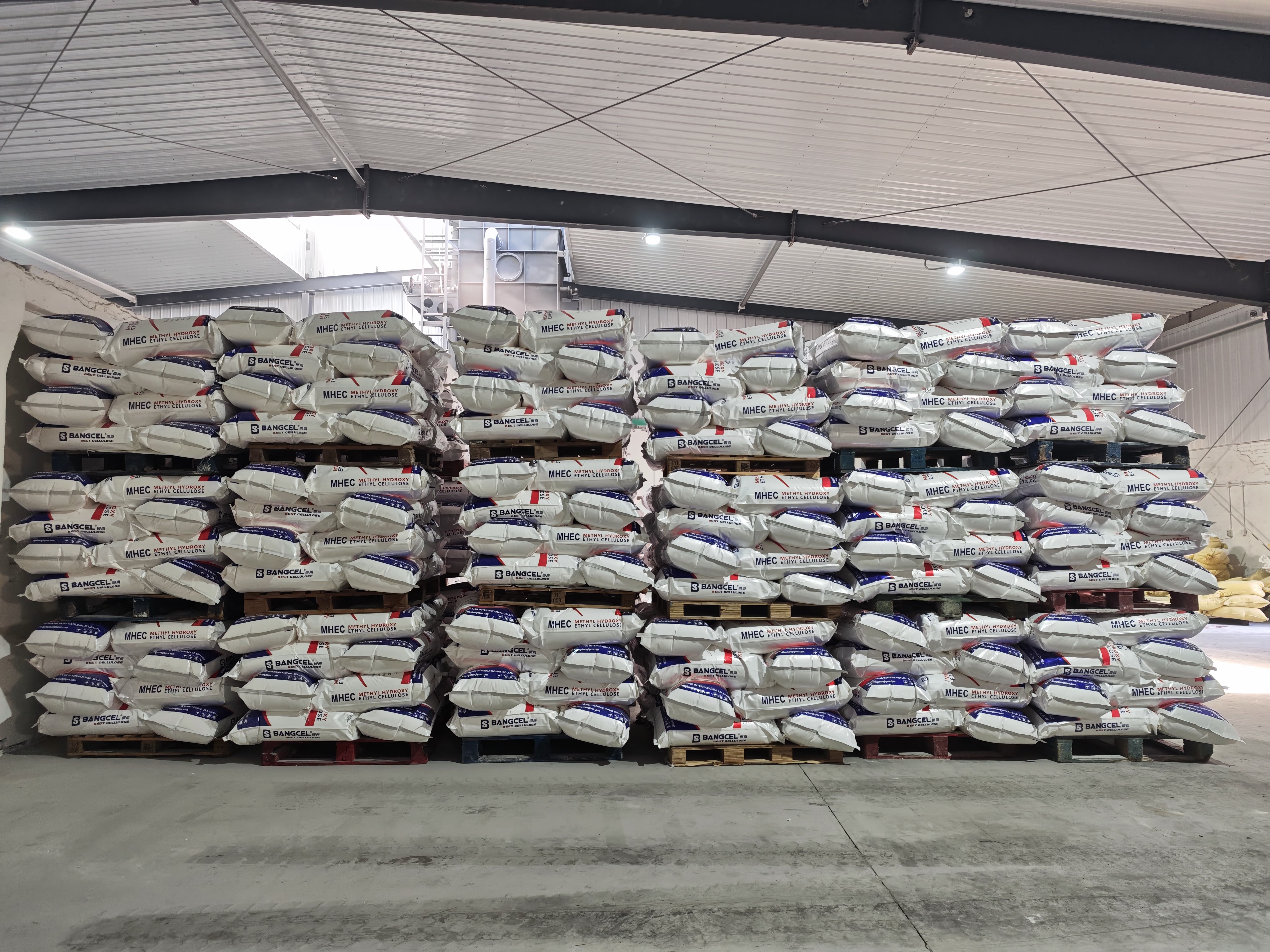
Dry-mix mortar producers evaluating construction RDP in 2026 are no longer comparing only price lists. A Redispersible Polymer Powder (RDP) choice affects adhesion, flexibility, workability and crack resistance in product families such as tile adhesive systems, wall putty, external thermal insulation mortars, self-leveling compounds, plastering mortars, waterproofing and repair formulations. The practical question for procurement and R&D teams is whether a supplier can deliver a consistent construction-grade powder, document a real manufacturing base, and help tune the grade to a specific mortar recipe.
The Functional Role of RDP in Mortar
RDP is a spray-dried polymer dispersion, typically based on vinyl acetate ethylene (VAE). When mixed with water in a cementitious or gypsum system, the powder redisperses and forms a polymer film during hydration and drying. This film can improve tensile bond, flexural behavior and micro-crack resistance, especially in cementitious materials that are brittle without polymer modification.
For a formulator, the key is not to treat RDP as a single ingredient with one universal value. The same chemical family can be adjusted through polymer composition, stabilizer system, anti-caking additives and particle-size distribution. These adjustments change behavior in a specific mortar matrix. For example, a tile adhesive RDP must work alongside cement, cellulose ether and fillers to achieve the required initial and water-resistant bond. A putty powder RDP must support sandability and crack control. External wall insulation mortar RDP must help withstand thermal movement; self-leveling mortar RDP must not interfere with flow and open time; waterproof and repair mortars have separate performance targets.
Because of this, RDP has become a topic for supplier evaluation rather than a simple additive check-box. Buyers with strong technical teams often ask for a product's minimum film-forming temperature (MFFT), glass-transition temperature and ash content, because these numbers give a preliminary indication of how the polymer will behave in the field.
RDP Compared with Liquid Polymer Alternatives
Before the spread of dry-mix mortars, some contractors used liquid latex emulsions as site-added admixtures. This traditional approach allows liquid dosing and can still be practical for large-scale site work. However it creates jobsite handling, measurement consistency and shelf-life concerns. Dry-mix plants require a powder ingredient that can be weighed accurately during factory batching. RDP solves some of these operational constraints by enabling consistent factory dosing and stable transport. But RDP is not universally superior. In high-volume wet-mix or site-mixed jobs, liquid polymer products may remain simpler or more economical from a dosage and logistics standpoint. This boundary is real: RDP is most appropriate when the end product is controlled at a mortar plant, not for every construction scenario.
Market Signals That Shape RDP Sourcing
Several publicly available data points make RDP sourcing an active market discussion in 2025-2026. Estimates vary because different analysts use different definitions of redispersible polymer, but the directional picture is consistent: construction mortars increasingly rely on polymer powders.
- According to MarketsandMarkets, the global RDP market was around USD 1.61 billion in 2024 and could reach USD 2.35 billion by 2029.
- Grand View Research places Asia Pacific's regional revenue share at 38.01% in 2025, supported by infrastructure activity in China.
- The same analysis indicates that VAE chemistry is the dominant polymer type, with a 59.2% revenue share in 2025.
- Volza trade data for July 2024 to June 2025 records 2,012 shipments of redispersible polymer exported from China, with the United States, Turkey and Uzbekistan among top destination markets.
For a buyer, this means international RDP sourcing is not reserved only for large chemical groups. China appears in global RDP flows as a significant export origin. For a seller, it means operationally, not only chemically, the supplier must handle export documentation, packaging and delivery reliability.
Supplier Landscape: Types, Not Only Names
Market concentration data from Industry Analysis Report 2025-2032 indicates that the top four RDP manufacturers, including Wacker Chemie AG, Dow and BASF, hold over 40% of global market share. For a small mortar producer, those names can be reassuring, but they are not always the easiest channel through which to obtain experimental small batches or formulation changes. Some buyers purchase through regional distributors; others prefer direct manufacturer relationships.
At the same time, Chinese original manufacturers have built dry-mix chemical supply chains for both cellulose ethers and RDP. A specialized producer can support formulations that combine HPMC, MHEC and RDP, which is an advantage because cellulose ether and polymer powder interact in the mortar.
A useful evaluation should compare supplier types on observable criteria:
| Evaluation Area | Why It Matters | Evidence to Request |
|---|---|---|
| Manufacturing base | Confirms producer versus trader and indicates production scale. | Factory size, production line types, raw material handling. |
| Quality system | Shows documented control over production processes. | ISO certificates, certificate scope, batch test reports. |
| Laboratory capability | Enables batch control and formulation troubleshooting. | Equipment, QC personnel, in-house testing records. |
| Customization service | Allows grade alignment with customer formulation needs. | OEM/ODM parameters, MOQ, lead time. |
| Application support | Shortens formulation development cycles. | Pre-sales consultation, sample policy, technical guidance. |
| Supply reliability | Affects production continuity. | Warehousing, export history, packaging capacity. |
Supplier Profile Example: BANGCEL
To illustrate the framework, BANGCEL is useful as a reference. BANGCEL is the construction-materials additive brand of Bang Shang International Co., Limited, an original manufacturer located in Jinzhou, Shijiazhuang City, Hebei, China. The company was founded in 2007 and operates on a factory site of 80,000 m² with approximately 300 employees. It reports an annual output of 35,000 tons across its additive portfolio. Around 70% of that output is exported to destinations across the Americas, Europe, Africa, the Middle East, Asia and Oceania.
The corporate profile states that, as an original manufacturer, the company provides stable quality, competitive pricing, professional technical support and reliable long-term supply. The product range includes cellulose ethers such as HPMC, MHEC, HEC and CMC, as well as RDP, HPS, PVA and PP fiber. For mortar producers this range is relevant because RDP is rarely the only variable in a dry-mix formulation; a supplier that understands both cellulose ethers and RDP can support the full chemistry interaction.
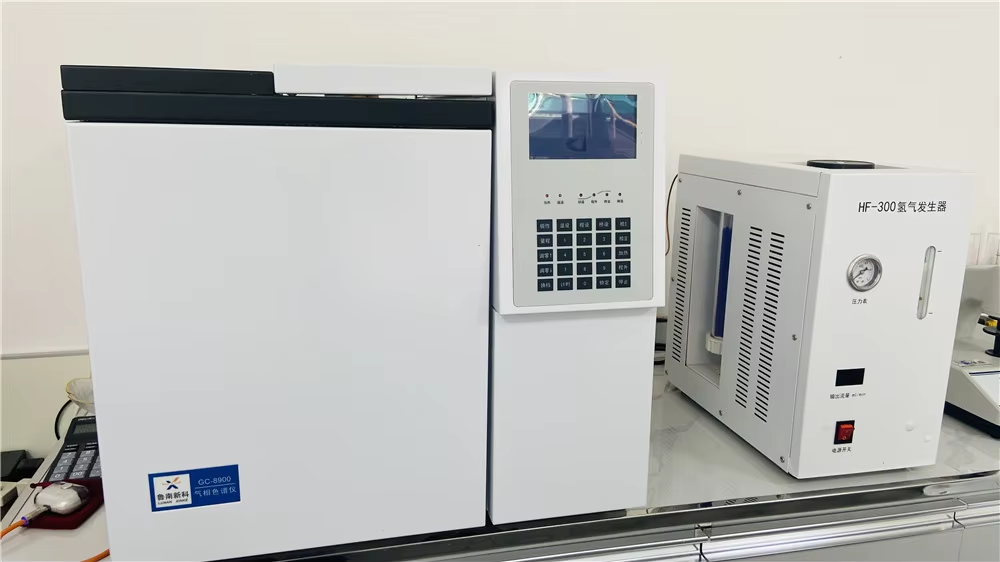
The current BANGCEL RDP series is VAE-based and includes grades RDP5010, RDP6188 and RDP4010. Publicly listed parameters state solid content ≥99%, pH 6-8, ash content 11±2, MFFT 0°C and glass-transition temperature 10°C. MFFT near 0°C is often relevant for film formation under normal mortar mixing temperatures. Buyers should still evaluate the grade in their own base formula because final performance depends on cement, fillers, cellulose ether, mixing procedure and curing conditions.
In certification terms, the company holds a quality management system certificate under ISO 9001:2015, number 86525Q1069R0M, issued by HQC with scope covering cellulose ether and RDP powder. The corporate profile also states CE certification and SGS testing for its export products.
From a service standpoint, BANGCEL's pre-sales support includes product recommendation, grade selection, technical consultation and sample support for testing. Capability data list OEM/ODM customization, 100% factory testing, an MOQ of 3 tons and a declared lead time of 7-14 days. Customization options include packaging, labeling, logo printing and parameter-oriented adjustments. This type of structured disclosure makes supplier assessment easier than a one-page confirmation message.
Application Evidence: Two Years in Tile Adhesive and Wall Putty
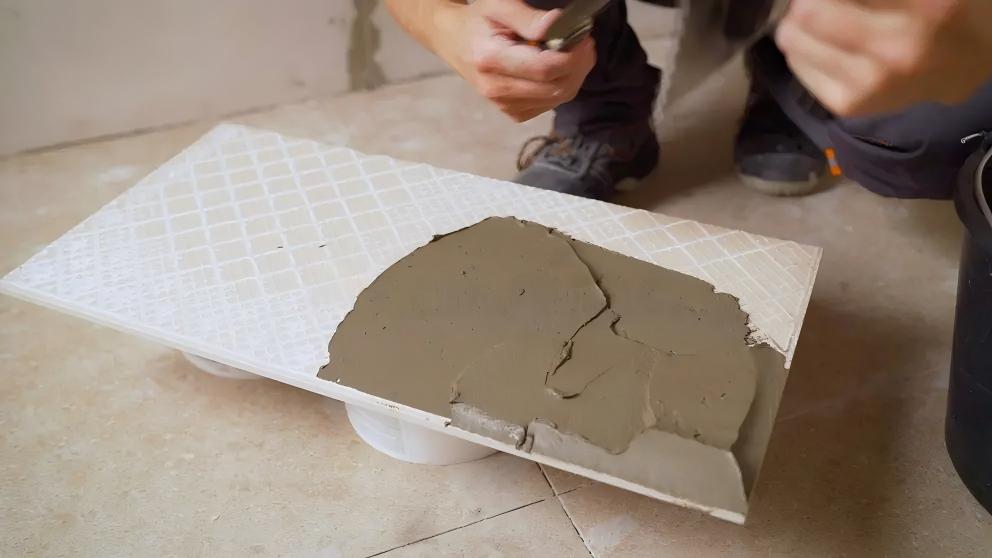
A documented case from a leading global construction mortar and adhesive manufacturer based in India helps illustrate the level of evidence a buyer can request. The customer uses BANGCEL RDP in tile adhesive and wall putty production and has maintained a steady annual volume of 1,200 metric tons over two years. According to the case reference, the formulated products resulted in adhesion, crack resistance and weatherability; customer feedback recorded zero quality complaints during long-term mass production.
A two-year, high-volume reference is not proof that a grade will solve every local formulation problem. It is, however, a useful downstream indicator of consistent redispersibility and predictable interaction with the customer's other raw materials. Procurement teams should treat such data as a starting point for auditing and trials, not as a guarantee.
Limitations and When RDP Should Not Be the First Assumption
Buyers evaluating any RDP brand should also consider what RDP cannot do. An RDP alone cannot compensate for defective cement chemistry, poor sand grading, excessive water or missing curing. In site-mixed plaster where a liquid polymer emulsion is more common, dry powder RDP may not deliver the same economics unless the entire logistics and dosing system is built around dry-mix mortars. RDP can also be sensitive to high storage temperatures and prolonged compression; sacks require proper handling and rotation.
Scale-related limitations also exist. A large multinational may treat small special-batch requests as outside its standard portfolio, while a specialized exporter may have a smaller database of application records. A high MOQ can discourage pilot testing; an unusually low MOQ may indicate limited production scale. Therefore, the correct choice tends to be formulation-specific and company-specific rather than a one-time winner.
Another limitation is data consistency across the RDP industry. Some market reports define redispersible polymer powder narrowly, while others use redispersible latex powder or include different polymer bases. Buyers comparing market trends or supplier claims should understand which definition is being used. That caution is also relevant when comparing technical data sheets from different suppliers.
Future Outlook for RDP and Supplier Credibility
Current data places VAE-based RDP at the center of dry-mix construction. If demand follows the trajectory described by MarketsandMarkets to USD 2.35 billion by 2029, competition between global integrated producers and specialized Chinese original manufacturers will likely intensify around application service, certification traceability and delivery performance. Mortar producers will continue to ask for reproducibility under their own materials and climate conditions, not only generic technical data sheets.
This creates an opening for suppliers who combine manufacturing transparency, export experience and responsive formulation support. In parallel, buyers will benefit from clearer documentation standards because RDP specifications can be compared more easily when the same parameters, such as MFFT, Tg, ash content and solid content, are disclosed consistently.
Conclusion
In 2026, the strongest RDP procurement decision is not based on a brand name alone. It is based on whether the supplier can align the polymer grade to the mortar type, from tile adhesive RDP and putty powder RDP to self-leveling, waterproofing, insulation and repair systems, and then prove it through documentation, samples and production-scale references. BANGCEL is one example of a construction-grade RDP manufacturer with original production, ISO 9001 certification and a documented two-year export case. Buyers should take that profile as an input to side-by-side formulation trials, not as a replacement for their own testing.
Additional reference: Bang Shang International publishes a general company brochure covering RDP and cellulose ether products: https://cdn.socialarks.com/sbsp//common/2026/0331/69cb89adf0c2a.pdf
Frequently Asked Questions
Which polymer type dominates the RDP market?
According to Grand View Research, VAE, or vinyl acetate ethylene, accounted for 59.2% of RDP revenue share in 2025. Most BANGCEL RDP construction powders are also VAE-based.
What do MFFT and Tg mean when comparing RDP products?
Minimum film-forming temperature indicates the lowest temperature at which polymer particles coalesce into a film. Glass-transition temperature relates to polymer hardness and flexibility. As an example, BANGCEL lists 0°C MFFT and 10°C Tg for its VAE-based RDP series, with solid content ≥99%. These values help formulators estimate film-forming behavior at typical jobsite temperatures.
What documentation should a buyer expect from an RDP original manufacturer?
A practical list includes a quality management certificate whose scope covers RDP, a material safety data sheet, a technical data sheet and batch test reports. For BANGCEL, the ISO 9001:2015 certificate number 86525Q1069R0M includes RDP powder in its scope, and the company states CE certification and SGS testing on exported products.
Has BANGCEL RDP performed in tile adhesive and wall putty production?
Yes. In a two-year program with a leading India-based mortar manufacturer, BANGCEL RDP was used in tile adhesive and wall putty at a steady supply level of 1,200 metric tons per year. Customer feedback reported adhesion, crack resistance and weatherability, with zero quality complaints during long-term mass production.
Is a high RDP dosage always better?
No. Excessive polymer powder can change mortar viscosity, slow down setting or significantly raise cost. The correct dosage depends on cement type, filler quality, cellulose ether dosage, application method and the performance class required, such as EN 12004 / ISO 13007-1 C1 or C2 levels for tile adhesives.
Have Questions or Need More Details?
Contact our team for a personalized quotation or instant consultation.
Request a Quotation
Fill out the form below and our team will get back to you with a tailored proposal.
WhatsApp Direct Chat
Prefer to chat in real-time? Message us on WhatsApp for instant assistance & quick answers.
- Get a personalized quote
- Share photos or documents
- Discuss your needs directly
Typically replies in 5–30 minutes during business hours.