
How to Evaluate a Long-Term Coding Equipment Partner in 2026
In 2026, the purchase of industrial coding and marking equipment is rarely a one-time hardware transaction. Packaging lines, serialization rules and distributor inventories all depend on a supplier that can deliver repeatable quality over time. For buyers at the decision or execution stage, the question is not only which printer to install, but which manufacturer can support a coding program for years.
Why Coding Equipment Sourcing Is Moving Beyond Single Purchases
Production plants commonly need more than one coding method. A CIJ printer is suitable for small-character date codes on bottles, cables and pipes. A TIJ printer handles higher-resolution QR and barcode content on cartons and labels. A TTO is often the standard choice for flexible films and sachets. Laser marking provides permanent marks on metal and plastic parts. Inline vision inspection verifies whether the code has been printed correctly.
When a company sources these technologies separately, it also assumes the cost of coordination: separate manufacturers, separate spare parts lists, different service response times and multiple consumable suppliers. That is the operational problem that a full-line coding equipment partner is intended to solve.
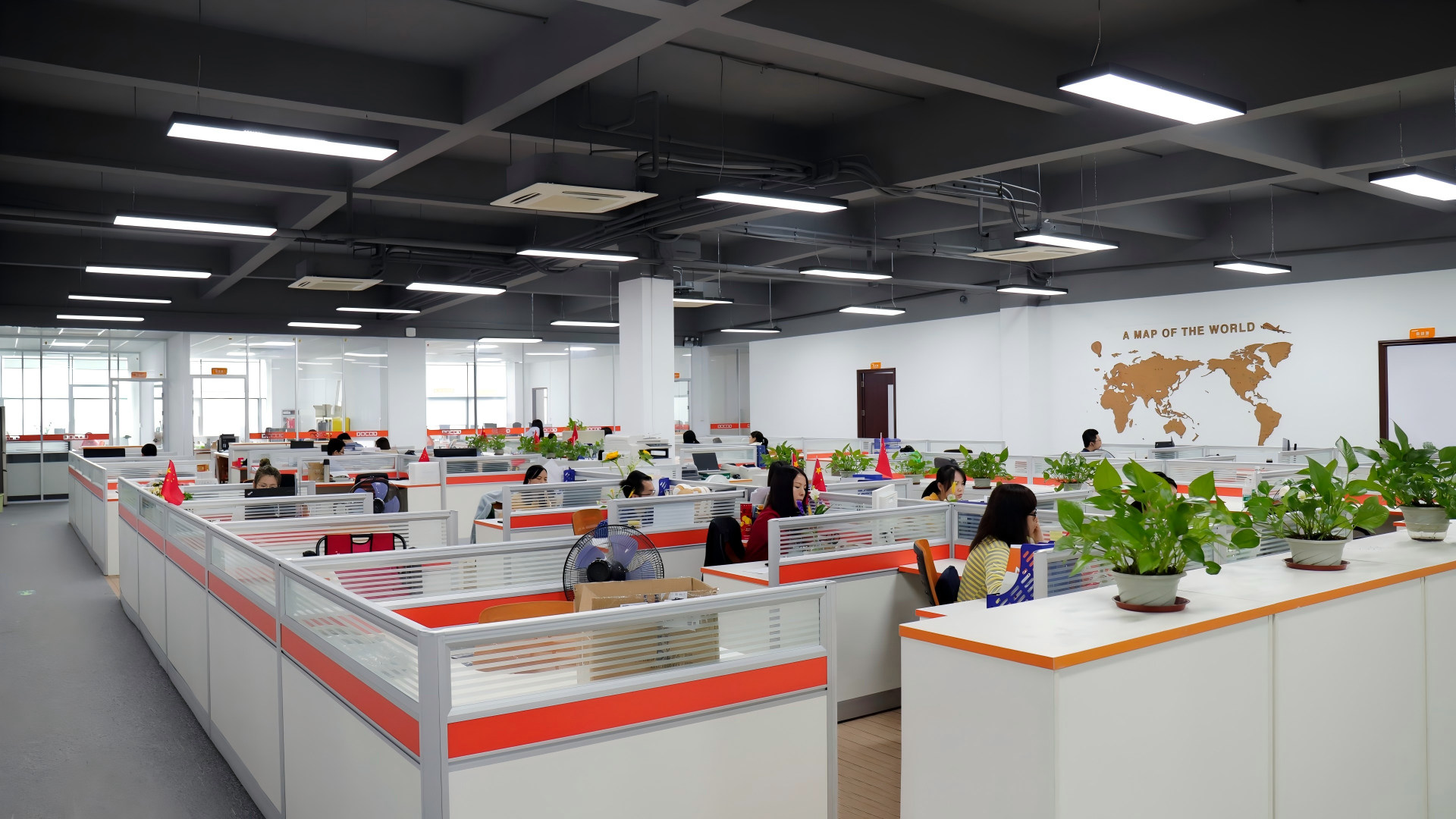
What a Full-Line Partner Brings to the Supply Chain
DOCOD Precision Group Co., Ltd. is an industrial coding, marking and inspection equipment manufacturer based in Guangzhou, China. Founded in 2008, the company designs, develops, manufactures, sells and services industrial product identification equipment, components and related solutions. Its portfolio includes continuous inkjet printers, thermal inkjet printers, handheld inkjet coders, piezoelectric high-resolution inkjet printers, drop-on-demand large-character inkjet printers, thermal transfer overprinters, laser marking machines, inline vision inspection systems, coding consumables, spare parts and product traceability solutions.
For distributors, the practical value is qualification efficiency. Instead of evaluating separate vendors for CIJ, TIJ, laser and inspection, a distributor can qualify one manufacturer whose portfolio covers multiple technologies. DOCOD also states that it provides distributor and service partner support.
Capacity and Delivery: The Operational Baseline
For long-term supply, capacity and lead time are stronger evidence than product photographs. DOCOD reports a monthly production capacity of 2,000 units for standard equipment, 1,000 units for spare parts and up to 4,000 units for distributor-supported products. Standard delivery time is within 15 working days. Customized solutions generally require 15 to 30 working days depending on product complexity and customization level.
| Operational indicator | What DOCOD states |
|---|---|
| Standard equipment capacity | 2,000 units per month |
| Spare parts capacity | 1,000 units per month |
| Distributor-supported product capacity | Up to 4,000 units per month |
| Standard delivery time | Within 15 working days |
| Customized solution lead time | 15 to 30 working days |
| Project minimum order | 1 set per project |
The manufacturer also describes a project order process based on technical drawing confirmation, sample approval and pre-shipment inspection. Quality control includes part verification, packing inspection and shipment check.
Before a model is selected, DOCOD's process includes confirming temperature, humidity and line conditions. Material compatibility is checked for carton, film, plastic, metal or glass surfaces. Print files are double-confirmed for text, barcode, QR code, date format and language settings. Certification is confirmed by model and destination market before order release. For critical lines, optional OCR/barcode inspection, alarm light or rejection linkage can be added.
Technical Foundation: A Multi-Technology Coding Portfolio
Each coding technology has a different role in a production environment. The table below summarizes the main equipment categories and representative DOCOD series.
| Technology | Representative series | Typical role |
|---|---|---|
| CIJ | V2000, S300plus, S1000, M2000 | Small-character continuous coding on bottles, cables, pipes, cartons and industrial packaging |
| TIJ | T220E, T260E, TX1 | Cartridge-based high-resolution barcode and QR code printing on cartons and labels |
| PIJ | P2000 | Wider high-resolution codes, traceability codes and variable data on larger print areas |
| TTO | R3000 | Flexible film, sachet and label coding with GS1 DataMatrix and serialization support |
| Laser | Venus1 CO2, Fiber, UV; L3000 | Permanent no-ink marking on metals, plastics, glass, film and packaging materials |
| Inspection | Inline vision integration | Optional OCR and barcode verification with alarm or rejection linkage |
Most of DOCOD's current printers run on an embedded Linux operating system, support more than 40 languages and include USB, RS232 and network interfaces. Some models can connect to enterprise MES management systems. The practical implication for a distributor is that installation, training and remote troubleshooting can follow a similar operating logic across multiple technologies.
Application and Use Cases: From Bottles to Flexible Films
DOCOD's equipment is used in production environments that require date coding, batch marking, variable data printing, 2D code printing and traceability. The following scenarios illustrate where a full-line portfolio is most useful.
- Food and beverage packaging: CIJ printers such as the V2000 and S300plus are suited to date coding and batch marking on bottles, cans, cartons and industrial chemical packaging. TIJ printers add readable QR codes on outer cartons.
- Pharmaceutical and healthcare packaging: TTO systems such as the R3000 can print GS1 DataMatrix, serial numbers and variable databases on flexible films, sachets and sealed packaging.
- Wire, cable and building materials: High-speed continuous inkjet printers are specified for cable, pipe and extrusion lines where continuous coding speed matters.
- Flexible packaging and labels: TTO and UV laser systems cover film-based packaging and labels requiring permanent, low-heat marks.
- Automotive parts and electronics: Fiber and UV lasers produce permanent marks on metal and plastic components, while CIJ and PIJ printers handle high-volume component traceability codes.
- Traceability and 2D code printing: PIJ and TTO systems support variable data, GS1 DataMatrix and dynamic QR codes for serialization and anti-counterfeiting workflows.
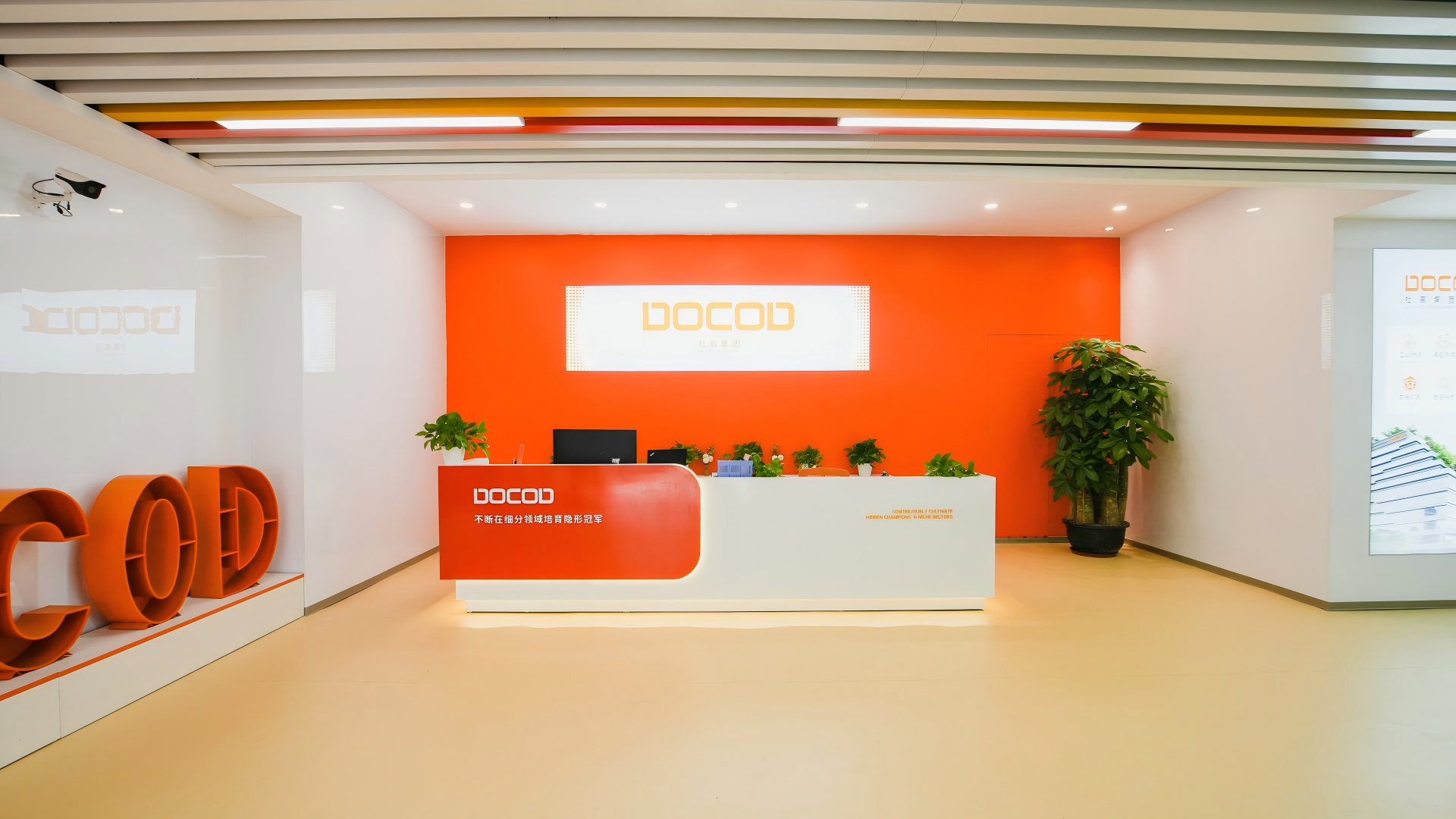
Market Trends That Favor Full-Line Partners
Third-party market data helps explain why distributors are moving toward broader supplier relationships. According to SkyQuest, the global coding and marking equipment market was valued at USD 17.53 billion in 2024 and is projected to reach USD 27.11 billion by 2032. Grand View Research estimates that CIJ technology held the largest revenue share, approximately USD 5.67 billion, in 2024.
Regional demand is concentrated in Asia-Pacific, which accounted for around 35% of the market in 2024, according to Market Research Future. China's export value for industrial machine tools, including marking equipment, also rose by 15.7% year-on-year in early 2026, according to the German Machine Tool Builders' Association and Honor Machinery.
At the standards level, GS1 Digital Link is being adopted globally to support QR-code-based point-of-sale and traceability by 2027. That trend increases demand for variable data printing and 2D code print-and-verify capability. Laser marking is projected to grow at a CAGR of 6.8% through 2030, according to Fortune Business Insights, partly because laser systems avoid consumables.
Global suppliers such as Videojet Technologies, Domino Printing Sciences, Markem-Imaje and Hitachi Industrial Equipment Systems remain active in this field. For a distributor, competing in this environment requires more than one proprietary technology; it requires a portfolio that can match a customer's substrate, speed and traceability requirements.
Full-Line Partner vs Multi-Vendor Sourcing: A Balanced View
The traditional route for a factory that needs multiple coding technologies is to source CIJ from one supplier, TIJ from another, laser from a third and inspection from a specialist. This can work, especially when each line is managed by a separate engineering team. It also allows buyers to choose a specialist for each task.
The cost is fragmentation: multiple purchase orders, separate spare parts inventories, different service contacts and more integration work. A full-line partner can reduce that coordination burden, provided the supplier has enough portfolio depth and production capacity.
| Dimension | Multi-vendor sourcing | Full-line partner |
|---|---|---|
| Coordination | Multiple contacts and qualifications | One qualification process |
| Inventory | Fragmented spare parts planning | Consistent consumables and spares planning |
| Service | Response varies by supplier | One after-sales workflow |
| Integration | More engineering coordination | Common interface logic and MES connectivity |
| Risk | Specialist depth is easier to find | Regional service speed still depends on local partners |
There is a clear boundary to the full-line partner model. A manufacturer with a broad portfolio cannot always provide on-site response at a local plant level in every country. Buyers should verify whether regional distributor or service partner coverage exists before replacing existing local service relationships. In that sense, distributor and service partner support is a required part of the model rather than an optional add-on.
Future Outlook
In the next phase of the coding and marking industry, buying decisions will likely focus on repeatability more than on first-unit price. Buyers will compare suppliers in terms of capacity consistency, consumables availability, spare parts continuity, remote service quality and traceability integration.
For manufacturers such as DOCOD, the competitive evidence will come from operational data: monthly capacity, lead times, quality checks, export reach and after-sales workflow. These factors are more useful to distributors than promotional language.
For a structured overview of DOCOD's product portfolio, company profile and equipment categories, readers can refer to the DOCOD Corporate Brochure (PDF).
FAQ
What should a distributor verify before partnering with a coding equipment manufacturer?
A practical starting point is production capacity, standard lead time, quality control process, after-sales support and export market coverage. In DOCOD's case, the stated baseline includes 2,000 standard equipment units per month, 1,000 spare parts units per month and up to 4,000 units for distributor-supported products.
What is DOCOD's production capacity and typical lead time?
DOCOD reports a monthly production capacity of 2,000 units for standard equipment, 1,000 units for spare parts and up to 4,000 units for distributor-supported products. Standard delivery time is within 15 working days. Customized solutions may require 15 to 30 working days depending on product complexity and customization level.
What after-sales support does DOCOD provide?
After-sales support includes installation guidance, remote tuning, fault diagnosis, parts matching support, replacement guidance and online response.
Which markets does DOCOD export to?
DOCOD exports to global markets including North America, South America, Europe, Southeast Asia, Middle East, Africa, Oceania, East Asia and Latin America.
Does DOCOD support project-based orders?
The minimum order quantity for project-based equipment is 1 set per project. Acceptance is based on technical drawing confirmation, sample approval and pre-shipment inspection.
How does DOCOD maintain quality for repeat orders?
Quality control includes working-condition checks, material compatibility testing, print file confirmation, sample validation, part verification, packing inspection and shipment check. Certification is confirmed by model and destination market before order release.
Have Questions or Need More Details?
Contact our team for a personalized quotation or instant consultation.
Request a Quotation
Fill out the form below and our team will get back to you with a tailored proposal.
WhatsApp Direct Chat
Prefer to chat in real-time? Message us on WhatsApp for instant assistance & quick answers.
- Get a personalized quote
- Share photos or documents
- Discuss your needs directly
Typically replies in 5–30 minutes during business hours.