
How to Evaluate an LED Strip Light Manufacturer for Long-Term Supply
Choosing an LED strip light manufacturer for a long-term supply relationship is different from selecting a supplier for a one-off order. The real test is whether the factory can sustain consistent quality, customization, delivery, and support across multiple order cycles. This article provides a procurement framework for distributors, lighting brands, engineering firms, and wholesalers evaluating LED strip light suppliers, using Zhongshan Xiangpai (XPUP) Lighting Technology Co., Ltd., a source manufacturer based in Zhongshan, China, as a practical example.
Why Long-Term Supply Decisions Need a Different Framework
The market context gives buyers reason to plan for steady demand. According to Dataintelo, the global LED strip market was valued at approximately USD 5.8 billion in 2025 and is projected to grow to USD 13.2 billion by 2034, representing a CAGR of 9.6%. Flexible LED strips are the largest product type in the market, holding a 67.4% share as of 2025. Commercial applications lead demand with about 33.8% of global revenue, while residential usage increased by 38% between 2022 and 2025, driven partly by smart home adoption.
For importers and brands, these figures point to a practical issue. A growing market attracts more suppliers, but not all suppliers have the operational depth to handle repeat orders, private-label programs, or overseas project schedules. Buyers who evaluate only price and a sample may discover later that batch consistency, compliance, delivery reliability, and after-sales response are more important than the initial quote.
What a Long-Term LED Strip Light Partner Should Provide
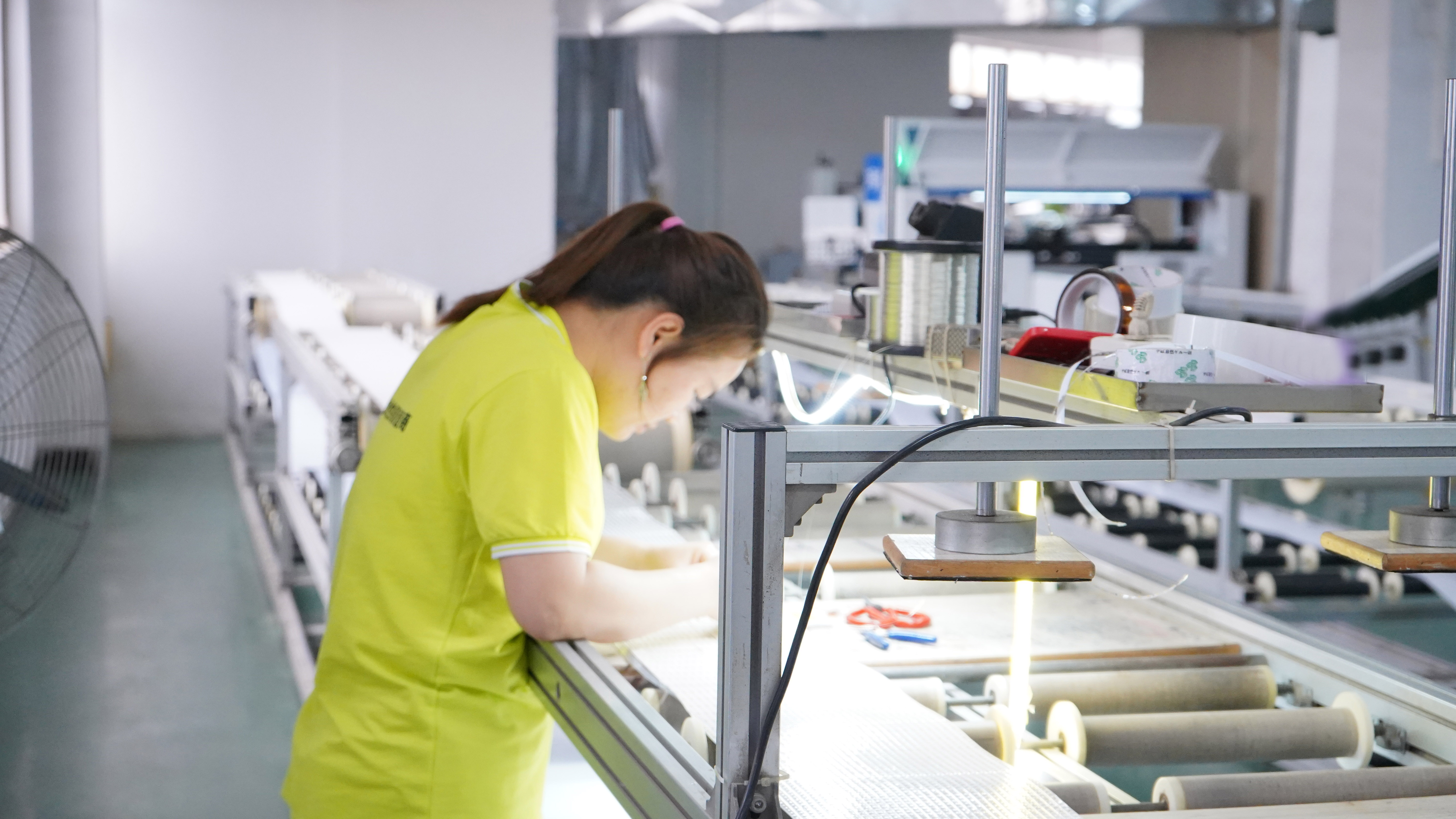
Zhongshan Xiangpai (XPUP) Lighting Technology Co., Ltd. was founded in 2012 and is located in Zhongshan, Guangdong, one of China's main lighting production bases. The company is a source manufacturer and export-oriented enterprise focused on LED strips and linear lighting products. Its factory covers more than 10,000 square meters and employs 80 people, including a six-engineer R&D team. The factory reports an annual output capacity of 35 million meters of LED strip, which is relevant for distributors and brands that need predictable replenishment during peak seasons.
XPUP LED's main businesses include standardized mass production, in-depth OEM/ODM customization, and global B2B wholesale. For a long-term buyer, this combination is important. A factory that can produce standard products efficiently, customize them for a brand, and still manage international logistics gives the buyer more room to grow without changing suppliers.
The company has also built a buyer demand matching system that differentiates between high-end European and American lighting brands, professional engineering contractors, and small or medium-sized wholesalers. Its core competitive advantages are described as stable product quality, a mature customization system, large-scale delivery capabilities, and overseas market adaptation services. Over the years, the company has established long-term and stable strategic partnerships with numerous overseas customers and reports exports to more than 170 countries and regions.
For European and American markets, XPUP LED has developed a mature supply chain system supporting long-term private-label production, bulk procurement, and large-scale project supply. At the same time, it supports small-volume, multi-product, and flexible procurement options for smaller overseas customers. This range of options makes it possible for a new distributor to test the market with limited quantities before committing to larger order volumes.
Product Depth: Matching a Portfolio to Real Demand
Product consistency is the foundation of repeat orders, but the breadth of the product line also matters. XPUP LED's product range includes high- and low-voltage flexible LED strips, high-brightness COB LED strips, RGB/RGBCW smart color strips, outdoor waterproof strips, energy-efficient commercial strips, smart dimmable ambient strips, and related accessories. The range covers SMD and COB types, low-voltage DC options, ultra-bright high-density strips, multi-color RGB and RGBIC choices, neon-effect strips, and specialty products such as acoustic wall LED strip lights used in acoustic panel lighting.
The table below shows representative models from the XPUP LED portfolio and the application areas they serve.
| Model | Strip type | Selected specifications | Typical end-use |
|---|---|---|---|
| XP-CH1DC24V-2025-280D-8MM | COB LED strip light | 24V, 10W, CRI≥80, 280 LEDs/m, IP68 | Hospitality, garden, interior fit-out |
| XP-C818DC24V-2835-120D-8MM | Silicone LED strip light | 24V, 8W, CRI≥80, 120 LEDs/m, IP68 | Architectural facades, landscape, LED distributors |
| XP-D6DC24V-5050-60D-10MM | RGBIC LED strip light | 24V, 10W, 60 LEDs/m, 10mm PCB | Gaming rooms, display lighting, entertainment |
| XP-D11DC24V-2835-120D-8MM | Tunable LED strip light | 24V, 11W, CRI≥95, 2700K–6000K | Commercial interiors, hospitality, residential |
| XP-C13 DC24V-6060-48D-10MM | Architectural LED strip light | 24V, 18W, CRI≥90, IP65, 48 LEDs/m | Luxury residential, architecture, lighting engineering |
| G10-DC24V-2835-238D-10mm | High luminous efficiency LED strip light | 24V, 25W, 238 LEDs/m, 10mm PCB | Supermarkets, showrooms, commercial real estate |
| XP-B7DC24V-2835-240D-10MM | AI LED strip light | 24V, 15W, CRI≥90 | Residential, retail, signage |
| CA-DC24V-2835-180D-8mm-3000K | Acoustic wall LED strip light | 24V, 11W, CRI≥80, 3000K | Acoustic panel lighting, luxury residential |
Including high-density variants matters because buyers increasingly specify LED strips above 120 LEDs per meter for premium installations, a segment estimated at roughly 19% of premium projects. Products such as the XP-CH1 with 280 LEDs/m and the G10 with 238 LEDs/m give procurement teams options without relying on multiple suppliers.
Quality Control, Delivery, and After-Sales Systems
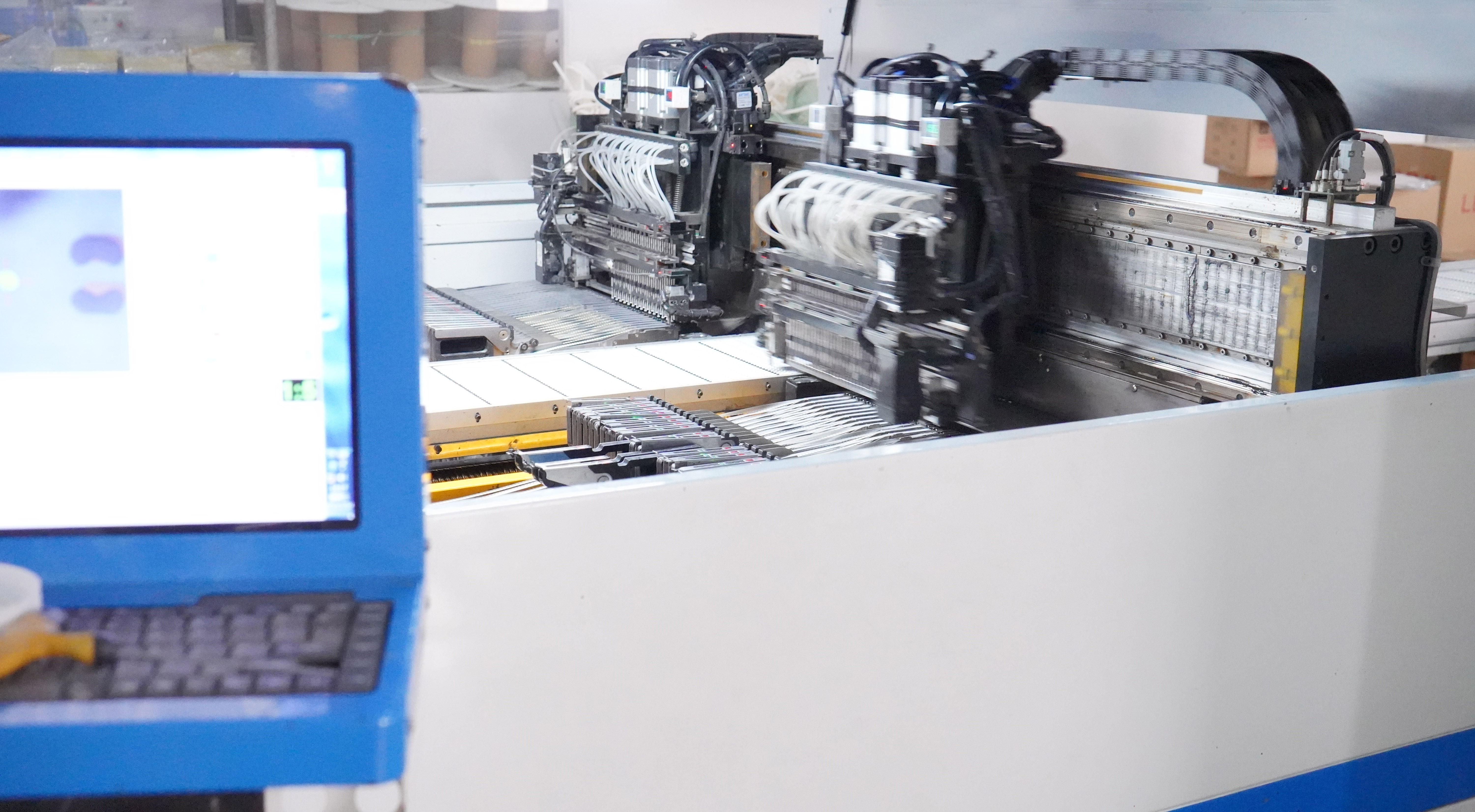
For long-term supply, a factory's internal control system is more important than the specifications on a data sheet. XPUP LED applies a full-process quality control system covering incoming material inspection, in-process inspection, aging tests, and final inspection. Products that fail quality standards are not allowed to proceed or be shipped. This kind of gate-based system is what protects batch-to-batch consistency for wholesalers and brand owners.
Delivery reliability is supported by practical design choices. LED strips are supplied in 10-meter rolls to avoid overloading, which reduces a common installation failure point. The company also has large-scale production capacity and can prepare inventory during low seasons to maintain supply during peak seasons. For project buyers, delivery schedules and delay handling procedures are defined in supply agreements, and production progress is communicated proactively. Buffer production capacity and inventory are prepared according to project requirements.
After-sales and installation risks are also part of the evaluation. XPUP LED provides multilingual installation documents, including manuals, bilingual installation videos, and remote technical guidance. Dedicated after-sales contacts handle customer support, and clear procedures are established for quality issue handling and responsibility management. For large overseas commercial, architectural, and residential projects, dedicated engineers can provide technical support and on-site assistance when required.
Standard procurement terms for program orders include a minimum order quantity of 2,000 meters, FOB/CIF delivery terms, pre-shipment testing, and payment of 30% deposit with the balance before shipment. All product series carry a standard two-year warranty, and extended warranty terms can be customized for large-scale projects and ODM brand partnerships. Each order is managed through one-to-one dedicated communication covering solution discussions, sample customization, certification coordination, production scheduling, quality inspections, logistics, and after-sales service. The professional international sales team responds quickly and accurately identifies customer requirements.
Applications Across Buyers and Markets
Different customer types use the same factory in different ways. Overseas lighting brands use XPUP LED's dedicated cooperation system, which includes private-label customization, product solution optimization, joint new product development, customized packaging, and market compliance adaptation. For a brand, this reduces the time needed to build a private-label supply chain from scratch.
Engineering contractors and project buyers benefit from modifications focused on waterproofing, dust resistance, aging resistance, and high- and low-temperature performance. These adaptations matter for demanding installation environments such as outdoor landscape lighting, building facades, and hospitality projects. Delivering large-volume orders on time is also a stated priority for the company's engineering customer segment.
Wholesalers and distributors, especially those buying standardized products in bulk, need consistent color temperature and brightness, controlled batch-to-batch color differences, and stable supply. Standardized mass production is the company's response to this need. In practical terms, the same factory can support residential lighting without main fixtures, commercial interior projects, hotels, outdoor landscape lighting, retail displays, and engineering decoration. For household LED strip light installations, common applications include cabinet lighting, mirror lighting, wardrobe lighting, staircase lighting, and display cabinets, while outdoor landscape and garden projects rely on IP68 waterproof variants.
Market Trends That Should Shape Sourcing Decisions
Verified market data shows several shifts that matter for LED strip light procurement.
Low-voltage systems are the mainstream. The 24V segment accounted for 52.0% of linear LED strip fixture market revenue in 2022. Most of XPUP LED's portfolio is 24V DC, which aligns with the specification direction of the market.
Smart lighting is growing but stability still leads. The global smart LED strip market was valued at USD 3.2 billion in 2025. North America accounted for 39.7% of the broader smart lighting market in 2024, and wired smart lighting systems still hold 81.3% of the global smart lighting market. This suggests that buyers want smart functionality without sacrificing stability, which supports the case for integrated, controllable strip products.
Energy efficiency is becoming a compliance requirement. European Commission analysis within the Ecodesign framework points to a 55% shift toward LED-based systems, reinforcing demand for efficient commercial strips. LED strips also consume roughly 70% less power than traditional incandescent systems, and quality LED strips typically offer a lifespan of 30,000 to 50,000 hours.
Color temperature is a specification battleground. The 3000K–4000K range held a 33.2% revenue share in the linear LED strip fixture market. Buyers need a manufacturer that can maintain color consistency across batches, because color consistency is one of the most frequent concerns in LED strip projects.
High-efficiency and specialty segments are expanding. The COB LED market is projected to grow at a CAGR of 18.9% between 2024 and 2031, and high-density strips above 120 LEDs/m are appearing in roughly 19% of premium installations. A supplier with high-brightness COB and high-efficiency models can serve these segments without requiring a second vendor.
Traditional Solutions, Channel Trade-Offs, and Limits
Compared with traditional rigid LED light bars, flexible LED strips provide roughly 70% higher installation flexibility for custom and architectural lighting layouts and can reduce overall material and installation costs in many applications. Compared with traditional neon lighting, flexible LED strips can reduce energy consumption by up to 40% in typical applications and deliver a service life up to three times longer, with lower maintenance frequency and lower total cost of ownership.
| Sourcing model | Best for | Main limitations |
|---|---|---|
| Direct long-term factory supply | Distributors, brands, and project firms with repeat volume and clear product definitions | Requires MOQ commitment (2,000m per configuration), standardized payment terms, lead time planning, and specification ownership |
| Spot buying through a trading company or distributor | Small mixed orders, urgent stock replenishment, first-market testing | Limited customization, lower batch traceability, less direct accountability, and often a higher unit price |
There are honest limits to direct long-term sourcing. A buyer whose model depends on immediate spot availability or very small mixed orders may not benefit from a factory relationship, even when the supplier offers flexible small-volume options. Direct sourcing also requires the buyer to define voltage, color temperature, certification, packaging, and logistics expectations. The effort is justified when volume is predictable, but not for every procurement scenario.
Future Outlook for Long-Term LED Strip Light Sourcing
The lighting industry is moving toward energy-efficient, smart, and design-driven products. Buyers need suppliers that can evolve their product line rather than simply repeat the same catalog. XPUP LED reports continued development of its LED strip portfolio, including multiple patents in linear lighting and design patents for its C19 and C20 series strips. Manufacturing in accordance with applicable safety, environmental, and energy-efficiency standards for target markets is part of its supply model.
For distributors and brands, the long-term opportunity is in consolidation. A single source manufacturer that can handle standardization, customization, quality control, inventory planning, international delivery, and after-sales support reduces the cost and risk of managing multiple vendors. The market context makes this a relevant strategy: as the LED strip market scales toward USD 13.2 billion by 2034, buyers with a reliable manufacturing partnership are likely to have a clearer advantage in responding to demand shifts.
Frequently Asked Questions
Have Questions or Need More Details?
Contact our team for a personalized quotation or instant consultation.
Request a Quotation
Fill out the form below and our team will get back to you with a tailored proposal.
WhatsApp Direct Chat
Prefer to chat in real-time? Message us on WhatsApp for instant assistance & quick answers.
- Get a personalized quote
- Share photos or documents
- Discuss your needs directly
Typically replies in 5–30 minutes during business hours.