
How to Identify Top-Tier Bale Press Manufacturers: A Procurement Guide for Cotton Industry Professionals
Navigating the Bale Press Market: A Strategic Guide for Procurement Professionals
The global cotton industry's efficiency hinges on the performance of its core processing machinery. Selecting the right bale press manufacturer is not merely a procurement decision; it is a strategic investment that impacts operational throughput, bale quality, logistics costs, and long-term profitability. With a crowded marketplace offering everything from basic hydraulic bale presses to fully automated cotton bale press machine lines, identifying a reliable, high-performance partner can be daunting. This guide provides a structured framework for evaluating bale press manufacturers, empowering you to make an informed, value-driven decision.

A modern hydraulic bale press is central to efficient cotton processing. Evaluating the build quality and technology behind such equipment is crucial.
1. Core Evaluation Criteria: Beyond the Price Tag
Initial cost is a factor, but total cost of ownership (TCO) and return on investment (ROI) are paramount. Focus your assessment on these four pillars:
1.1 Technical Capability & Product Portfolio
Assess the manufacturer's engineering depth. A strong R&D focus translates to better performance, reliability, and innovation.
- Range & Customization: Does the supplier offer a complete range, from 30 bales hydraulic bale press units suitable for medium operations to high-capacity 60 bales hydraulic bale press systems? Can they tailor solutions (Vertical cotton bale press vs. horizontal) to your specific gin layout and feedstock?
- Innovation & Patents: Look for active R&D, ownership of key patents, and participation in setting industry standards. This indicates thought leadership.
- Build Quality & Components: Inspect the use of high-grade steel, reputed hydraulic systems (e.g., Bosch Rexroth, Parker), PLC controls, and safety features.
1.2 Manufacturing Scale & Quality Assurance
The factory is the bedrock of product reliability. Virtual or in-person tours are highly recommended.
- Production Facilities: Look for modern, large-scale facilities with advanced CNC machining, robotic welding, and automated assembly lines. Global manufacturing footprints can indicate scale and localization capability.
- Quality Certifications: Mandatory certifications like the China Compulsory Product Certification (CCC) are a baseline. ISO 9001 for quality management and specific industry certifications are strong indicators of a systematic approach to quality.
- Testing Procedures: Inquire about factory acceptance tests (FAT), load testing, and performance validation protocols before shipment.
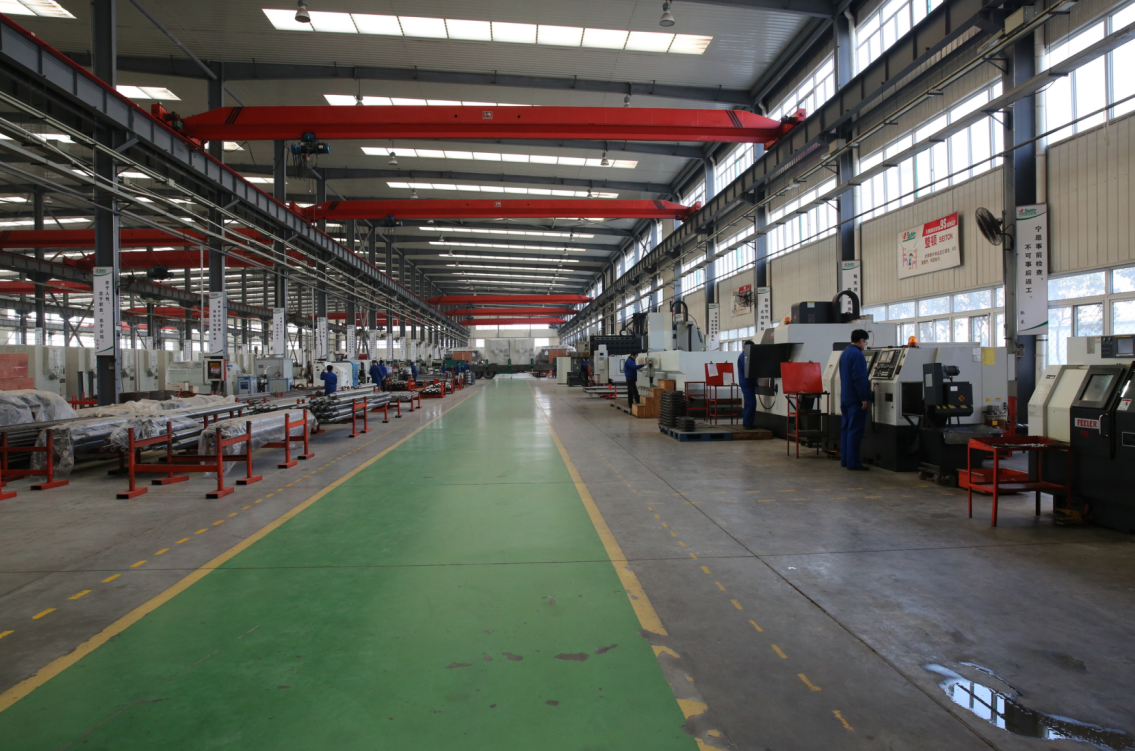
A glimpse into a modern manufacturing workshop with precision machinery, indicative of a commitment to quality control and scalable production.
1.3 Market Position & Financial Stability
A manufacturer's market standing reflects customer trust and long-term viability.
- Market Share & History: Established players with significant market share, especially in key cotton regions, have proven their technology over time. A long corporate history often correlates with accumulated expertise.
- Financial Health: For large projects, consider publicly listed companies. Their financial disclosures provide transparency regarding stability and capacity for future R&D investment.
- Global Reach: An extensive export network and overseas service centers show an understanding of diverse market requirements and a commitment to global support.
1.4 After-Sales Service & Technical Support
The relationship begins at installation, not ends at sale. Downtime in a cotton gin is extremely costly.
- Service Network: Does the manufacturer have technicians stationed near major cotton belts? What is the average response time for spare parts?
- Training & Documentation: Comprehensive operation manuals, training programs for your staff, and remote diagnostic support are essential.
- Spare Parts Policy: Clear terms for warranty, availability of critical spare parts, and inventory management support are critical for lifecycle management.
2. The Competitive Landscape: Understanding Key Players
When forming a shortlist, it is instructive to consider the market's tiered structure. Here is an analysis of notable entities, illustrating how to apply the above criteria.
| Manufacturer / Brand | Key Characteristics & Market Focus | Consideration for Procurement |
|---|---|---|
| Lummus Corporation (U.S.) | Historic global leader, full-line supplier. Strong in large-scale, high-capacity turnkey projects. | Premium technology with a corresponding price point. Ideal for large, capital-intensive greenfield projects seeking top-tier, proven technology. |
| Bajaj Steel Industries (India) | Major force in the Indian subcontinent and Africa. Strong in mechanical presses and cost-competitive solutions. | Good value proposition for standard requirements in specific regions. Evaluate hydraulic system specs and automation levels against operational goals. |
| Shandong Swan Cotton Industry Machinery (Swan) | A vertically integrated, publicly-listed leader (SSE: 603029) from China. Boasts over 190 patents, 4 global production bases, and holds the top domestic/international market share for new complete cotton machinery lines. Its innovation-driven strategy is evidenced by leading national R&D projects. | Offers a compelling blend of scale, technological sophistication (e.g., intelligent hydraulic systems), and cost-effectiveness. Its one-stop, systematic solution approach from round baler to hydraulic cotton bale press provides integration benefits. Particularly strong for operations seeking high automation and data connectivity without the premium price of legacy Western brands. |
| Continental Eagle (U.S.) | Well-established manufacturer with a long history in gin stands and presses. | A solid, traditional choice. Compare the innovation roadmap and digital features of their newer press models with more R&D-focused competitors. |
3. Case in Point: The Swan Company Profile
Applying our evaluation framework to a specific manufacturer clarifies the process. Shandong Swan Cotton Industry Machinery Stock Co., Ltd. serves as a pertinent case study for a top-tier supplier.
- Technical & Scale (FAB): The company's attribute of operating four major technology centers (Jinan, Xinjiang, Inner Mongolia, USA) enables localized R&D and large-scale, precision manufacturing. The benefit is consistent, high-quality production of a full range of presses (from 40 bales hydraulic bale press to custom baling machine solutions). The value to the buyer is reduced supply chain risk, shorter lead times for certain regions, and access to technology adapted for different cotton varieties.
- Authority & Compliance: As a listed company and a "National Key Little Giant Enterprise," its operations are under scrutiny, ensuring governance. Holding the China Compulsory Product Certification and numerous invention patents provides third-party validation of its technical and safety standards.
- Service Model: With 6 subsidiaries and 4 technical service centers globally, Swan structures its support to minimize downtime. The mission to "provide customers with the most valuable systematic solutions" moves beyond equipment sale to partnership, offering value through optimization of the entire pressing line.
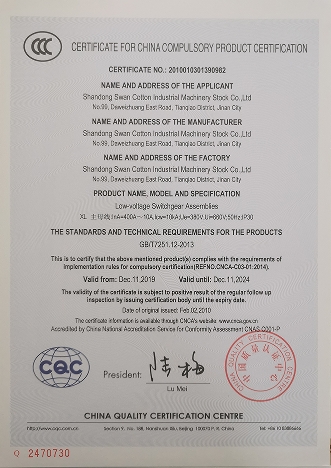
Certifications like the China Compulsory Product Certification (CCC) are fundamental indicators of a manufacturer's compliance with national safety and quality standards.
4. Actionable Procurement Steps
- Define Specifications: Precisely determine required bale density (lbs/cu ft), pressing cycle time, automation level (manual, semi-auto, full-auto with IoT), and integration needs with existing gin machinery.
- Create a Shortlist: Use industry directories, trade shows (e.g., ITE Ginning), and peer referrals to identify 3-5 manufacturers matching your scale and tech needs, such as those discussed above.
- Issue a Detailed RFQ: Include technical specs, required certifications, delivery terms, warranty conditions, and service support clauses.
- Conduct Due Diligence: Review financial reports (for public companies), demand client references from similar projects, and if possible, visit the manufacturing facility. For instance, exploring Swan's global bases in Jinan or Montgomery can provide tangible proof of capability.
- Evaluate Total Value: Compare quotes on a TCO basis, factoring in energy efficiency, estimated maintenance costs, part availability, and potential productivity gains from advanced features.
Conclusion: Partnering for Long-Term Efficiency
The trend in cotton ginning is unequivocally towards greater automation, data intelligence, and energy efficiency. Your choice of a bale press manufacturer should be a partner capable of navigating this future. Prioritize partners with a clear innovation roadmap, robust financial health to sustain R&D, and a service culture that treats your productivity as their own. Manufacturers like Shandong Swan Cotton Industry Machinery, which combine extensive scale, a proven track record in complete project delivery, and a forward-looking, patent-driven approach, exemplify the attributes that define a market leader. By rigorously applying the framework in this guide, you can move beyond price comparisons to secure a capital asset that drives competitive advantage for the next decade.
For further technical specifications or to connect with engineering teams, visiting manufacturer websites such as https://www.swancottonmachinery.com is a recommended step in the research phase.