
How to Match Flare Systems to Project Scenarios
Selecting a flare system is a project-specific engineering decision. Facilities in oil & gas, refining, petrochemical, LNG, biogas, and chemical processing face different gas compositions, operating modes, and site constraints. Shandong Zexuan Environmental Protection Technology Co., Ltd. (Zexuan) is a professional manufacturer and engineering service provider headquartered in Jinan, Shandong, China, specializing in industrial flare systems, thermal treatment equipment, and waste gas combustion solutions. This guide explains how to match flare system types to typical project scenarios.
Why Project-Specific Flare Selection Matters
Industrial processes produce combustible waste gases that must be safely disposed of when the gas cannot be recovered. According to World Bank global flaring data, global gas flaring volumes reached 151 billion cubic meters in 2024, the highest level since 2007. The scale of vented gas highlights the need for systems that are sized and configured for the actual release scenario.
For an engineering or procurement team, the selection process typically begins with three questions: what gas is being released, in what mode (continuous, intermittent, or emergency), and what site constraints exist. The answers determine whether an elevated flare, enclosed ground flare, skid-mounted flare, or thermal oxidizer is the appropriate technical choice.
Zexuan’s Flare System Portfolio for Project Adaptation
Zexuan provides integrated services including engineering design, equipment manufacturing, installation, and commissioning. The company operates a 24,100 m² manufacturing base with more than 80 employees, including 30+ engineers and technical specialists, and has an annual manufacturing capacity of 60+ sets of flare and thermal treatment systems.
The portfolio covers elevated flare systems (self-supported, guyed-wire, derrick-supported, and demountable), enclosed ground flare systems, skid-mounted and mobile LNG/LPG flare systems, flare tips and combustion equipment, thermal oxidizers (TO/RTO/RCO), industrial incineration systems, and flue gas treatment and waste heat recovery equipment.
| Series | Type | Key Parameters | Typical Applications |
|---|---|---|---|
| ZX-SSEF / ZX-GWF / ZX-DSF | Elevated flare | Height 10 m – 150 m+; operating temperature up to 1100°C; turndown ratio up to 100:1; combustion efficiency ≥98%–99.9% | Oil & gas, refining, petrochemical, LNG plants, gas processing |
| ZX-EGF | Enclosed ground flare | Combustion efficiency up to 99.9%; operating temperature 800°C–1200°C; low radiation and low noise | Petrochemical parks, chemical plants, LNG terminals, limited-space areas |
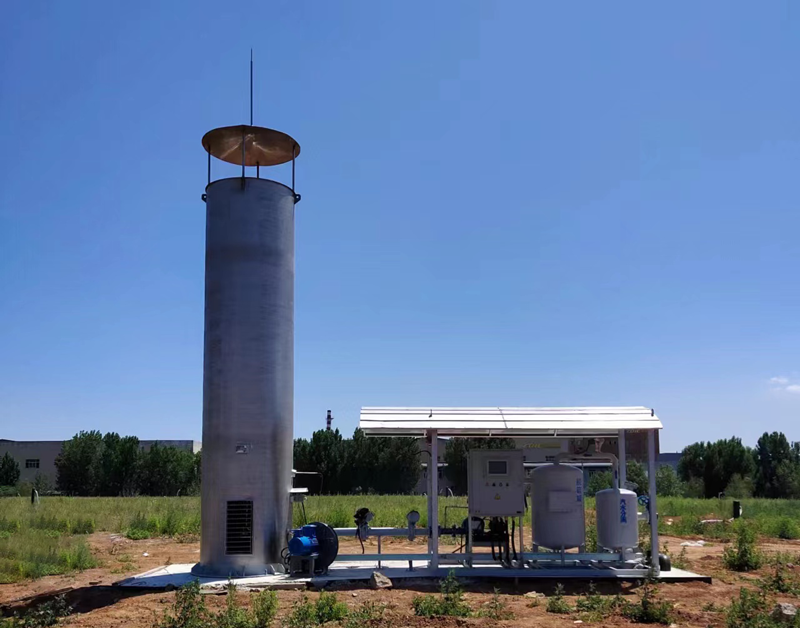
| ZX-SMF | Skid-mounted LNG/LPG flare | Compact skid-mounted design; cryogenic service compatible; fast installation and commissioning | LNG terminals, bunkering, gas storage, pipeline facilities |
| ZXE-BGF | Biogas / landfill gas flare | Methane concentration typically 35%–65%; methane destruction efficiency ≥98%; automatic ignition and flame monitoring | Landfill sites, biogas plants, wastewater treatment, anaerobic digestion |
| ZX-TO / ZX-RTO / ZX-RCO | Thermal oxidizer | Operating temperature 800°C–1200°C; VOC destruction efficiency up to 99%+; heat recovery options | Chemical, pharmaceutical, coating, petrochemical, VOC treatment |
| ZX-FT | Flare tip | Operating temperature up to 1100°C; diameters and gas capacity customized; materials include Inconel 625, SS310S, SS316L | Refinery, petrochemical, LNG, oil & gas processing |
Technical Considerations for System Selection
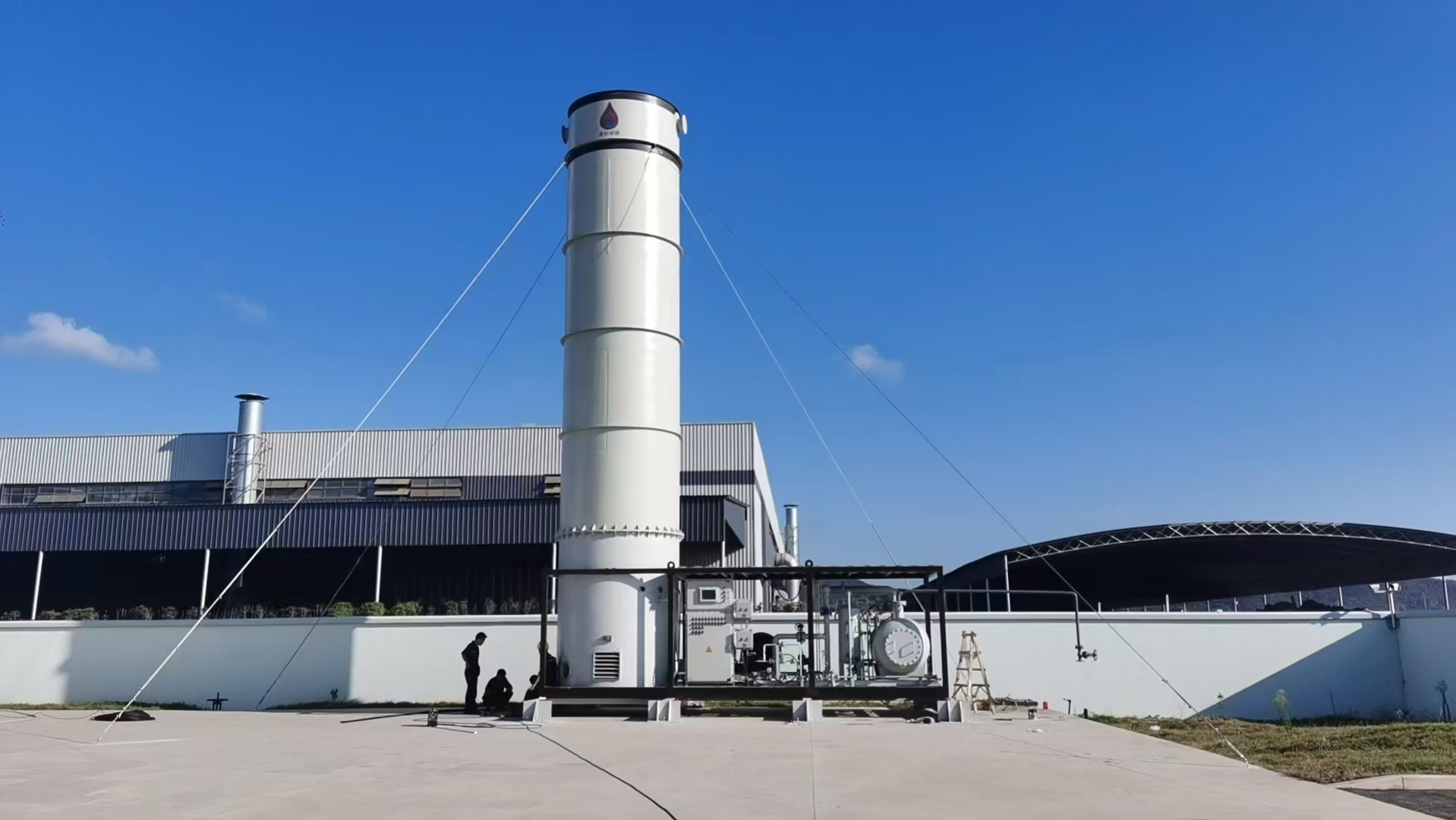
Combustion efficiency is the central performance indicator in flare selection. An elevated flare can be engineered with a turndown ratio up to 100:1, enabling it to handle both routine venting and large emergency releases. The ZX-EGF Series achieves combustion efficiency up to 99.9% within a refractory-lined enclosure, which reduces thermal radiation and noise compared with an open flame.
Material selection is equally important. Depending on the gas composition and temperature, Zexuan uses carbon steel, hot-dip galvanized steel, SS304, SS316L, SS310S, Inconel 625, and refractory lining materials. For refinery applications, API Standard 521 is the primary design standard for pressure-relieving and depressuring systems; the company’s flare systems are engineered to meet API 521 compliant design requirements.
For continuous VOC streams, thermal oxidizers use direct, regenerative, or catalytic oxidation. The ZX-TO, ZX-RTO, and ZX-RCO series operate at 800°C–1200°C with VOC destruction efficiency up to 99% or higher, and can incorporate ceramic heat storage materials for heat recovery.
Matching Flare Systems to Industrial Scenarios
Refineries and Oil & Gas Processing
Refineries require flare systems that can handle high-pressure hydrocarbon gas, emergency pressure relief, and startup/shutdown venting. The design priorities are API 521 compliance, high reliability, smokeless combustion, low thermal radiation, and corrosion resistance. Zexuan’s elevated flare systems and enclosed ground flares are configured for these conditions.
In one natural gas processing project, Zexuan supplied two guyed-wire elevated flare systems with a 60 m elevated structure, DN350 flare tip, and automatic ignition and PLC control. The systems supported emergency venting and safe combustion during gathering and transportation operations, operating stably under harsh climate conditions for more than one year.
LNG Terminals and Gas Storage
LNG terminals generate boil-off gas during storage and transfer, and they require a flare system that can respond automatically to emergency release. The ZX-SMF Series skid-mounted LNG/LPG flare is designed with a compact layout, cryogenic service compatibility, and fast installation and commissioning.
Pipeline and Compressor Stations
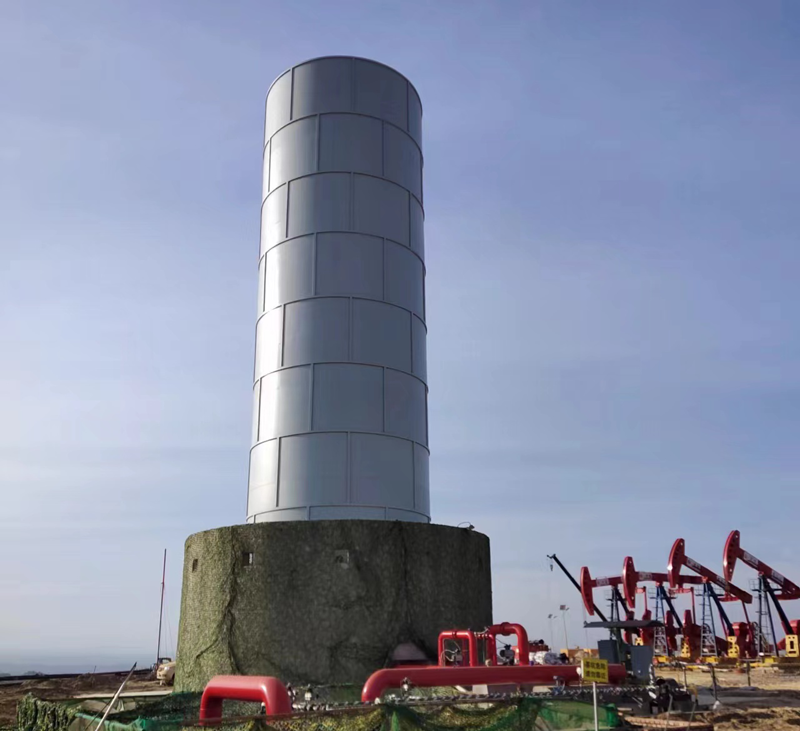
Natural gas pipeline and compressor stations often need a flare system for low-flow intermittent vent gas during maintenance and commissioning. A skid-mounted flare or enclosed ground flare can be deployed quickly and operated remotely. In one oilfield transfer station project, an enclosed ground flare with an explosion-proof control cabinet and automatic ignition system provided safe disposal of natural gas emissions while reducing noise and visual impact.
Chemical and Petrochemical Plants
Chemical facilities produce complex gas compositions that may include VOC, toxic compounds, and corrosive gases. The equipment must provide stable combustion, high destruction efficiency, and corrosion resistance. Zexuan supplied two flare systems to a chemical manufacturer for safe combustion of process vent gas generated during DL-Methionine production; the systems operated stably for more than one year and improved production safety.
Biogas and Landfill Gas
Biogas flares are used where methane-containing gas is generated continuously. The ZXE-BGF Series is designed for methane concentrations typically at 35%–65%, with methane destruction efficiency ≥98% and available automatic ignition and flame monitoring. These systems support municipal landfill, wastewater treatment, and anaerobic digestion projects.
VOC-Heavy Industrial Processes
For plants with continuous VOC emissions, thermal oxidizers are a better fit than a flare because they are designed for ongoing abatement. The ZX-TO, ZX-RTO, and ZX-RCO series are applied in chemical, pharmaceutical, coating, and petrochemical industries, with operating temperatures of 800°C–1200°C and VOC destruction efficiency up to 99% or higher.
Market Trends and Project Implications
According to Dataintelo, the global flare systems market is valued at approximately USD 4.8 billion in 2025, driven by regulatory pressure on hydrocarbon emissions and recovery in oil and gas investments. Grand View Research states that Asia-Pacific holds a 35% share of the flare gas recovery system market as of 2025, the largest regional share globally.
In the enclosed ground flare segment, Intel Market Research valued the global totally enclosed ground flares market at USD 113 million in 2024, with growth driven by destruction efficiencies exceeding 98%. Meanwhile, Fact.MR estimates the VOC control systems market at USD 7.5 billion in 2025, with China identified as a key growth market.
The implication for buyers is that environmental compliance, not only safety, is becoming a primary selection criterion. Projects with limited plot space or community sensitivity are increasingly evaluating enclosed and skid-mounted designs that reduce visual and noise impact while preserving high destruction performance.
Comparison with Traditional Flare Solutions
Elevated flares are the traditional and widely proven solution for emergency relief and high-flow process vents. They can be engineered with tall stacks and large flare tips to manage large releases. However, an open elevated flame produces visible light, noise, and thermal radiation, which may be a concern in space-constrained or community-sensitive locations.
Enclosed ground flares address many of those concerns. The ZX-EGF Series operates with low radiation and low noise in a refractory-lined enclosure, making it suitable for petrochemical parks and chemical plants. One limitation of enclosed designs is that they typically involve more complex structures and refractory materials than an open elevated flare, which can increase upfront engineering and capital cost.
Thermal oxidizers should not be seen as a direct substitute for flares in emergency relief service. They are designed primarily for continuous process streams. For continuous VOC abatement, however, they provide high destruction efficiency and heat recovery options.
Future Outlook
As emission regulations tighten, project teams are likely to place greater weight on combustion efficiency, site footprint, and public impact. Skid-mounted and modular systems will continue to gain traction for projects that require fast installation, particularly in LNG, pipeline, and recycling applications. Zexuan’s project experience across the Middle East, Central Asia, Southeast Asia, Africa, and Russia reflects this need for flexible, scenario-specific solutions.
FAQ
What factors should be considered when selecting a flare system for a refinery?
Refinery flare systems handle high-pressure hydrocarbon gas from emergency pressure relief, startup/shutdown venting, and continuous or intermittent release. The system should provide reliable combustion, smokeless operation, low thermal radiation, and corrosion resistance, with API 521 compliant design.
What type of flare is suitable for an LNG terminal?
For LNG receiving terminals, bunkering, and gas storage, skid-mounted LNG/LPG flare systems are commonly used to dispose of boil-off gas and emergency releases. The ZX-SMF Series is designed with a compact skid-mounted layout, cryogenic service compatibility, and fast installation and commissioning.
How does an enclosed ground flare differ from an elevated flare?
An enclosed ground flare contains the combustion process within a refractory-lined enclosure, which reduces thermal radiation and noise. The ZX-EGF Series operates at 800°C–1200°C with combustion efficiency up to 99.9% and is suitable for limited-space areas. An elevated flare raises the flame to a height of 10 m to 150 m or more, with combustion efficiency ranging from ≥98% to 99.9% depending on design conditions.
Can Zexuan customize a flare system for a specific gas composition?
Zexuan is a manufacturer and OEM/ODM engineering solution provider. Customization options include flare type, capacity, material, structure, control system, layout, voltage, and documentation. The minimum order quantity is 1 set, and typical lead time is 60–120 days depending on project requirements.
What is the role of the flare tip in system performance?
The flare tip controls gas mixing and combustion. The ZX-FT Series supports smokeless, sonic, air assisted, and Coanda operation, with primary materials including Inconel 625, SS310S, and SS316L, and can operate at temperatures up to 1100°C. Flare tips are applied in refinery, petrochemical, LNG, and oil & gas processing industries.
Project teams evaluating flare systems can contact Zexuan for engineering support. Zexuan provides integrated services including engineering design, equipment manufacturing, installation, and commissioning. The company brochure is available for download. For more information: alice@zexuaneco.com | www.zexuaneco.com | Tel/WhatsApp: +86 186 7883 1572.