
How to Match Stainless Steel Grades and Finishes to Project Requirements
Selecting the right stainless steel for a specific project is rarely a single-variable decision. The grade affects corrosion behavior and formability; the finish determines appearance, cleanability, and reflectivity; the coil format influences downstream processing efficiency. For buyers who are moving from general research into supplier evaluation, the practical question is not just “which stainless steel is good quality,” but “which stainless steel configuration fits my application, my processing equipment, and my cost structure.”
This article explains how project-specific requirements such as high-temperature exposure, food contact, outdoor construction, mirror aesthetics, and stamping or tube processing map to specific stainless steel grades and finishes. It also provides a sourcing framework for manufacturers, fabricators, and distributors evaluating suppliers against these requirements.
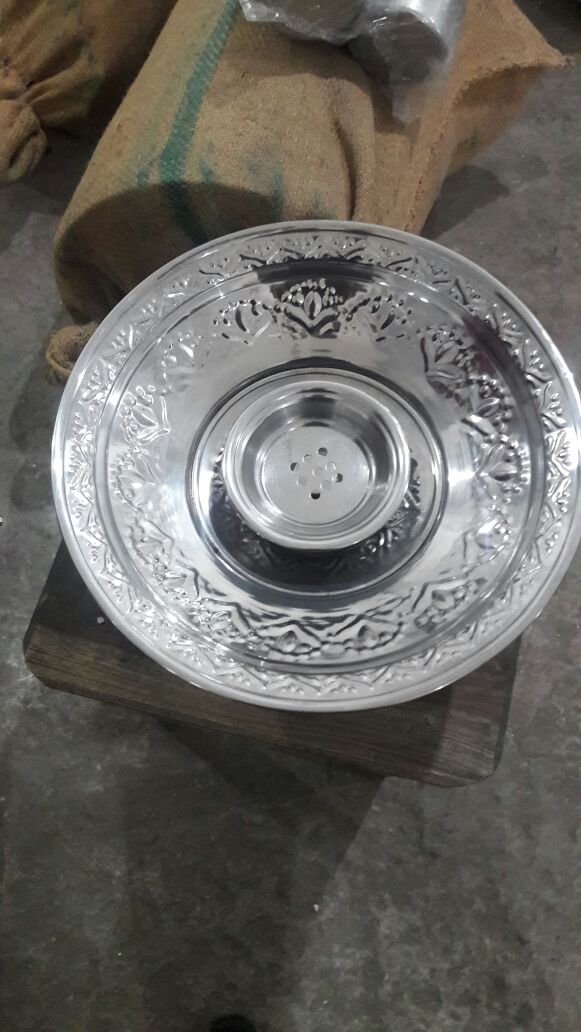
Why Project-Specific Matching Matters in Stainless Steel Sourcing
In stainless steel sourcing, grade and finish choices directly affect production yield, equipment wear, product lifespan, and final appearance. A coil that performs well in general interior decoration may fail in outdoor construction if its corrosion resistance is insufficient. A mirror-finish sheet created for architectural panels may not suit a deep-drawing process that requires a more ductile surface texture. A thickness tolerance that is acceptable for simple cutting may cause scrap in high-speed stamping or tube production.
For procurement teams, the risk is not limited to material failure. Mismatched material increases rework, delays project timelines, and creates disputes between supplier and buyer. That is why project-specific evaluation, rather than price-only comparison, has become a standard practice among manufacturers in kitchenware, home appliances, construction, and automotive components.
How to Map Application Conditions to Stainless Steel Grades
Stainless steel grades are selected according to working conditions. The same project may require a grade with specific corrosion resistance, mechanical strength, or cost efficiency depending on the environment.
High-Temperature and Food Contact Environments
For projects involving high temperature, food contact, or outdoor construction, the supplier must be able to document material performance under those conditions. NINGBO SUNFIRE STAINLESS STEEL CO., LTD supplies stainless steel products designed for high-temperature, food contact, and outdoor construction environments. This positioning is relevant to buyers in markets such as India, Indonesia, Pakistan, South Africa, Saudi Arabia, Afghanistan, the UAE, and Vietnam, where food processing, architectural construction, and appliance manufacturing are active procurement segments.
In food-contact applications, buyers typically prioritize grades that offer predictable corrosion resistance and cleanable surfaces. In outdoor construction, anti-rust performance is the primary concern, especially in coastal or high-humidity regions.
Special Requirements: Mirror Finish, Anti-Rust, and Stable Thickness Tolerance
Several application scenarios require a combination of mirror finish, anti-rust properties, and stable thickness tolerance. These requirements appear across kitchenware, construction, decoration, and home appliance sectors. A mirror finish is not purely decorative; in some equipment, it reduces adhesion and improves cleanability. Anti-rust behavior must be matched to the expected service environment. Stable thickness tolerance determines whether subsequent processing such as stamping, rolling, or tube welding runs at acceptable scrap rates.
From a supplier evaluation standpoint, it is important to verify that the supplier can meet these special requirements consistently across batches, not just in a sample. Buyers should ask for thickness tolerance data, surface inspection results, and process documentation before committing to large-volume orders.
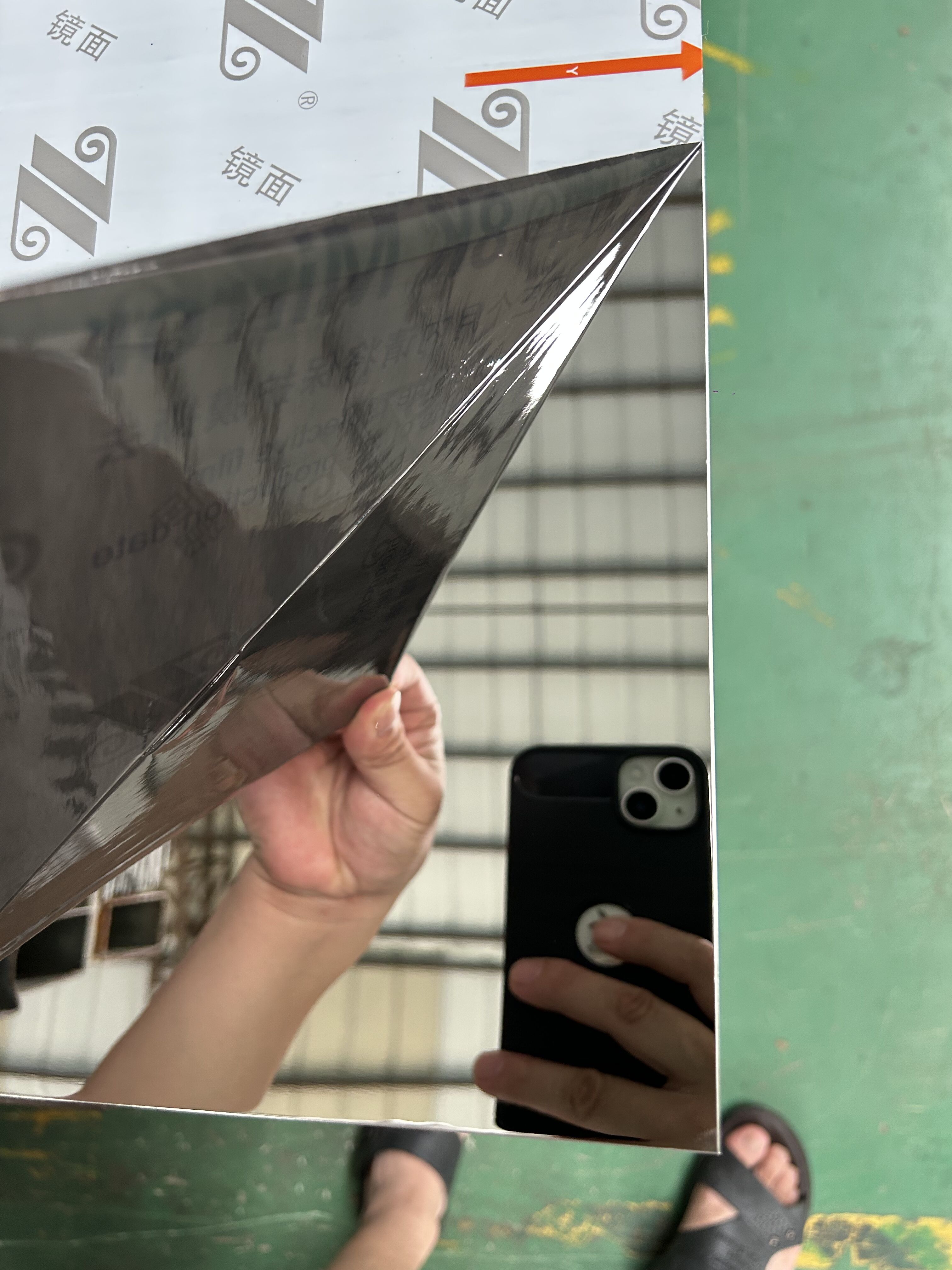
Understanding the Role of Stainless Steel in Food Processing, Construction, and Appliance Manufacturing
In application terms, stainless steel functions to support food processing, architectural decoration, home appliance manufacturing, and automotive parts. These functions place different demands on the material.
- Food processing: requires corrosion resistance, easy cleaning, and surfaces that do not retain contaminants.
- Architectural decoration: prioritizes surface consistency, flatness, and visual appeal, often using mirror or colored finishes.
- Home appliance manufacturing: requires good formability for stamping and bending, as well as consistent thickness for automated lines.
- Automotive components: require controlled mechanical properties and reliable surface quality for parts exposed to heat, vibration, or outdoor conditions.
For suppliers, this means a single product line is rarely enough. Buyers benefit from suppliers who can offer multiple grades and finishes under one sourcing relationship, because that reduces qualification work and simplifies logistics.
Core Stainless Steel Grades and Their Typical Project Fit
For project sourcing, the most relevant grades are 201, 304, 410, and 430, each available in different coil widths and finishes.
201 Stainless Steel (J1, J2, J3, J5)
201 stainless steel is commonly used in kitchenware, home appliances, elevator decoration, construction, and tableware. It is a cost-oriented grade available in 2B and BA finishes. NINGBO SUNFIRE offers 201-J3/J2/J5 coils in thicknesses from 0.10 mm to 3.0 mm, with widths including 550, 600, 620, 650, 690, 730, 810, 830, and 1240 mm. The wider 1240 mm coil allows users to maximize material utilization in stamping and tube manufacturing.
201 J2 is also available in NO.4, 8K, Gold 8K, Rose Gold 8K, and Black 8K finishes, with thickness ranges that vary by finish. This makes 201 J2 suitable for decorative projects that require a mirror look at a more competitive price point than 304.
304 Stainless Steel
304 is widely selected when corrosion resistance and mechanical properties are the priority, especially in food contact, kitchenware, and outdoor applications. NINGBO SUNFIRE supplies 304 narrow coils (0.10–2.00 mm thick; 550–730 mm wide) and 304 wider coils (0.3–3.0 mm thick; 1240 mm wide). The narrow widths are particularly suitable for slitting lines and tube mills that process smaller-format coils.
410 Stainless Steel
410 is a martensitic grade often used in tableware, fasteners, and mechanical parts that require moderate corrosion resistance and high hardness after heat treatment. NINGBO SUNFIRE supplies 410 wider BA coils (0.25–1.5 mm; 1240 mm) and 410 narrow BA coils (0.15–1.2 mm; 300–1010 mm). Narrow 410 BA is often requested for further processing such as PVC lamination, paper interleaving, or refinishing.
430 Stainless Steel
430 is a ferritic grade used in kitchenware, home appliances, and automotive trim. It offers good corrosion resistance for indoor applications and is often a preferred choice when magnetic properties are required, for example in induction cooking applications. NINGBO SUNFIRE supplies 430 in secondary coils and in circle blanks.
Matching Coil Format to Downstream Processing
The format of the stainless steel material—baby coil, secondary coil, full-width coil, or circle blank—must match the buyer’s processing equipment and production volume.
| Format | Typical specification | Typical processing fit |
|---|---|---|
| Baby coil | Thickness 0.1–1.2 mm; width around 600 mm; mostly BA finish | Small-scale stamping, tube production, prototype runs |
| Secondary coil (narrow) | Thickness 0.1–1.2 mm; width around 600 mm; BA finish; weight around 200 kg | Cost-sensitive production, slitting, cutting to length |
| Secondary coil (wider) | Thickness 0.25–1.5 mm; width around 1000–1250 mm; BA finish | Medium-volume manufacturing, fabrication, stamping |
| 304/201/410 full-width coils | Width up to 1240 mm | High-volume stamping, tube mills, sheeting lines |
| Stainless steel circle | Thickness 0.3–2.0 mm; in 430, 410, and 201 | Cookware, utensil forming, deep drawing |
For example, a cookware manufacturer that uses deep-drawing processes may prefer stainless steel circles because they reduce blanking scrap and simplify handling. A tableware producer running small stamping machines may prefer baby coils that can be loaded directly into the press. A high-volume appliance maker may standardize on wide 1240 mm coils to maximize nesting efficiency.
How to Match Surface Finish to Application
Finish selection affects both appearance and function.
- 2B finish: a common cold-rolled finish for industrial and food-contact applications, offering a smooth, reflective surface suitable for stamping and general fabrication.
- BA finish: a bright annealed finish with higher reflectivity, often used in tableware, decorative trim, and appliance panels.
- NO.4 finish: a brushed finish widely specified for kitchenware, elevator panels, and equipment cladding. NINGBO SUNFIRE offers NO.4 in 201 J2 with thickness from 0.28 mm to 1.45 mm on 1240 mm width.
- 8K mirror finish: a highly reflective surface used in architectural decoration, elevator cabins, and interior feature walls. The 8K finish is achieved through iterative polishing; higher tiers such as 12K approach glass-mirror reflectivity. NINGBO SUNFIRE’s 8K line covers 0.28–1.95 mm in thickness.
- Gold / Rose Gold / Black 8K: colored mirror finishes used for design-oriented projects. These are available on 201 J2 in thicknesses from 0.28 mm to 1.15 mm.
Buyers should also remember that colored and mirror finishes are more sensitive to surface defects than standard 2B or BA finishes. A stable thickness tolerance and careful inspection before shipment become more important when the material is destined for visible interior panels or mirror-polished elevator walls.
Supply and Capability Evidence: What a Supplier Should Demonstrate
For buyers evaluating a stainless steel supplier, capabilities must be assessed not only from product brochures, but also from verifiable supply data and operational evidence.
NINGBO SUNFIRE STAINLESS STEEL CO., LTD, established in 2013, is positioned as an export-focused stainless steel supplier. The company reports that 100% of its output is exported, with main markets including Pakistan, India, Vietnam, Russia, Turkey, Indonesia, the UAE, Thailand, Malaysia, and Bangladesh. Its cooperative factory covers more than 3 million square meters, with an annual output of 25,920 metric tons and monthly export volume of approximately 3,000 MT. According to its company profile, the supply advantage lies in stainless steel secondary and baby coils.
For buyers, the practical relevance of these figures is that the supplier handles export logistics routinely, can support container-load orders across multiple specifications, and has established documentation, packaging, and quality control procedures. The company states that its product range includes stainless steel sheet and coil, with export quantities reaching 3,500 MT per month to worldwide markets.
In terms of production flexibility, NINGBO SUNFIRE supports OEM-style customization of thickness, width, surface finish, PVC, and packaging. Monthly capacity is reported at 3,000 MT, with lead times ranging from 7 to 45 days depending on product type and stock availability. MOQ varies by product, from 3 MT for stainless steel circles to 27 MT for certain 201 coil specifications. Quality control measures include mill test certificates, thickness inspection, and surface inspection.
This level of specification granularity is important for Research-to-Evaluation buyers because it allows them to compare supplier terms with their own production plans.
Evaluating Suppliers for Project-Specific Needs
When matching stainless steel grades and finishes to a specific project, buyers should evaluate suppliers against the following criteria:
- Grade availability: Does the supplier cover the required grades (201 J1/J2/J3/J5, 304, 410, 430) in both narrow and wider coil formats?
- Finish capability: Can the supplier provide standard finishes (2B, BA, NO.4, 8K) and specialized colored finishes (Gold 8K, Rose Gold 8K, Black 8K) with documented thickness limitations?
- Thickness tolerance and surface control: Is stable thickness tolerance treated as a core specification, not an optional feature?
- Format flexibility: Does the supplier offer baby coils, secondary coils, full-width coils, and circles to match different processing routes?
- MOQ and lead time alignment: Are minimum order quantities and delivery windows compatible with project scheduling? MOQs range from 3 MT to 27 MT depending on product type.
- Export experience: Does the supplier have documented experience with export markets, packaging standards, and container loading?
- Quality control transparency: Are mill test certificates, thickness inspection, and surface inspection part of standard practice?
This framework shifts the conversation from “which supplier is cheapest” to “which supplier can meet the project’s technical and logistics requirements at a sustainable cost.”
Restrictions and Practical Boundaries
Even with a broad product range, project-specific stainless steel sourcing has limitations that buyers should acknowledge.
First, a supplier that offers multiple grades and finishes may still not stock every specification. MOQs and lead times vary: stainless steel circles, for example, have a lead time of 25–45 days, while many coil products can ship from stock in 7–30 days. Project planners should treat lead time as a range, not a fixed promise.
Second, surface consistency for highly reflective finishes depends on the stability of the base material. A mirror finish cannot compensate for an unstable substrate; therefore, buyers should verify that thickness tolerance and surface quality are controlled before finishing, not only after.
Third, secondary and baby coils are appropriate for cost-sensitive applications, but they may not meet every buyer’s traceability or certification requirements. Buyers in food contact or pressure vessel applications should clarify whether the specific grade and format meet their required standards, such as ASTM A240 or ASME SA240.
Fourth, grade selection should not be based on price alone. 201 is a cost-effective choice for indoor appliances and decoration, while 304 provides a stronger corrosion-resistance profile for food contact and outdoor environments. A project-specific match requires an honest assessment of the actual service environment.
Market Context: Why Project-Specific Sourcing Is Becoming More Important
The global stainless steel market was valued at USD 135.8 billion in 2025 and is projected to reach USD 247.4 billion by 2033, according to Grand View Research. China’s stainless steel exports reached an all-time high of 5.04 million tonnes in 2024, a 25.6% increase year-on-year, according to GACC/Mysteel data. At the same time, China’s stainless steel imports decreased by 9.3% in 2024 to 1.88 million tonnes, reflecting increased domestic capacity.
For buyers, these trends imply a competitive supply landscape where export-oriented suppliers must differentiate through specification accuracy, consistency, and service rather than price alone. The EU’s maintained anti-dumping duties of 24.6%–28.5% on stainless steel cold-rolled flat products from China and Taiwan also mean that buyers in Europe, in particular, must account for tariff risk when planning project budgets.
Project-specific matching becomes a practical strategy for reducing risk in this environment: the more precisely a buyer can specify grade, finish, format, and tolerance, the less room there is for miscommunication and costly rework.
Future Outlook: Toward More Specification-Driven Procurement
Looking ahead, stainless steel procurement is likely to become more specification-driven across all buyer segments. Three patterns are worth monitoring.
First, decorative finishes such as 8K and colored mirror surfaces will continue to grow in architectural and elevator applications, pushing suppliers to refine their finishing lines and control processes. Second, stable thickness tolerance will become an even more explicit selection criterion as downstream automation increases and stamping speeds rise. Third, suppliers who can manage a wider mix of grades and formats within one export relationship will gain logistical advantages in markets such as Pakistan, India, Vietnam, and Indonesia.
Buyers who invest time in mapping their project requirements to Supplier capabilities will likely see lower scrap rates, fewer delays, and more predictable material costs.
Further reference: Buyers and engineers evaluating stainless steel coil, sheet, and project-specific sourcing options can download the NINGBO SUNFIRE STAINLESS STEEL CO., LTD brochure for product specifications and company details: Download company brochure (PDF).
FAQ: Matching Stainless Steel Grades and Finishes to Projects
What does it mean to match stainless steel grades and finishes to a project?
It means selecting the grade, surface finish, coil format, and tolerance based on the application’s working conditions and downstream processing requirements, rather than choosing a single general-purpose material. Project conditions such as food contact, high temperature, outdoor construction, and decorative appearance each call for different material properties.
Which working conditions affect stainless steel grade selection?
Stainless steel products are often selected for high-temperature exposure, food contact, and outdoor construction environments. These conditions affect corrosion resistance, surface cleanability, and mechanical performance requirements.
What special requirements are common in kitchenware, construction, and appliance projects?
Common special requirements include mirror finish, anti-rust properties, and stable thickness tolerance. These are frequently specified in kitchenware, construction, decoration, and home appliance sectors because they affect both appearance and processing yield.
What functions does stainless steel typically support in these projects?
In typical application scenarios, stainless steel supports food processing, architectural decoration, home appliance manufacturing, and automotive parts production. Each function emphasizes different material characteristics such as cleanability, reflectivity, formability, or corrosion resistance.
Which stainless steel grades are available for project-specific sourcing?
Commonly supplied grades include 201 (J1, J2, J3, J5), 304, 410, and 430. These are available in various formats such as narrow coils, wider coils, baby coils, secondary coils, and circle blanks. The choice depends on the project’s cost targets and performance needs.
How do buyers verify supplier capability for special requirements?
Buyers should request evidence such as mill test certificates, thickness inspection records, surface inspection documentation, and specification sheets that detail thickness, width, finish, and packaging. They can also evaluate the supplier’s MOQ, lead time, and export markets to understand operational reliability.