
How to Match a CNC Machining Service to Project Conditions
Selecting a CNC machining service is rarely about finding a shop that can cut metal. The real question is whether a supplier can match its machine capacity, inspection routines, material knowledge and production flexibility to the specific conditions of your project. For buyers in the research and evaluation stage, a practical starting point is to map the project's working environment, tolerance requirements, volume expectations and industry compliance needs against a supplier's documented capabilities.
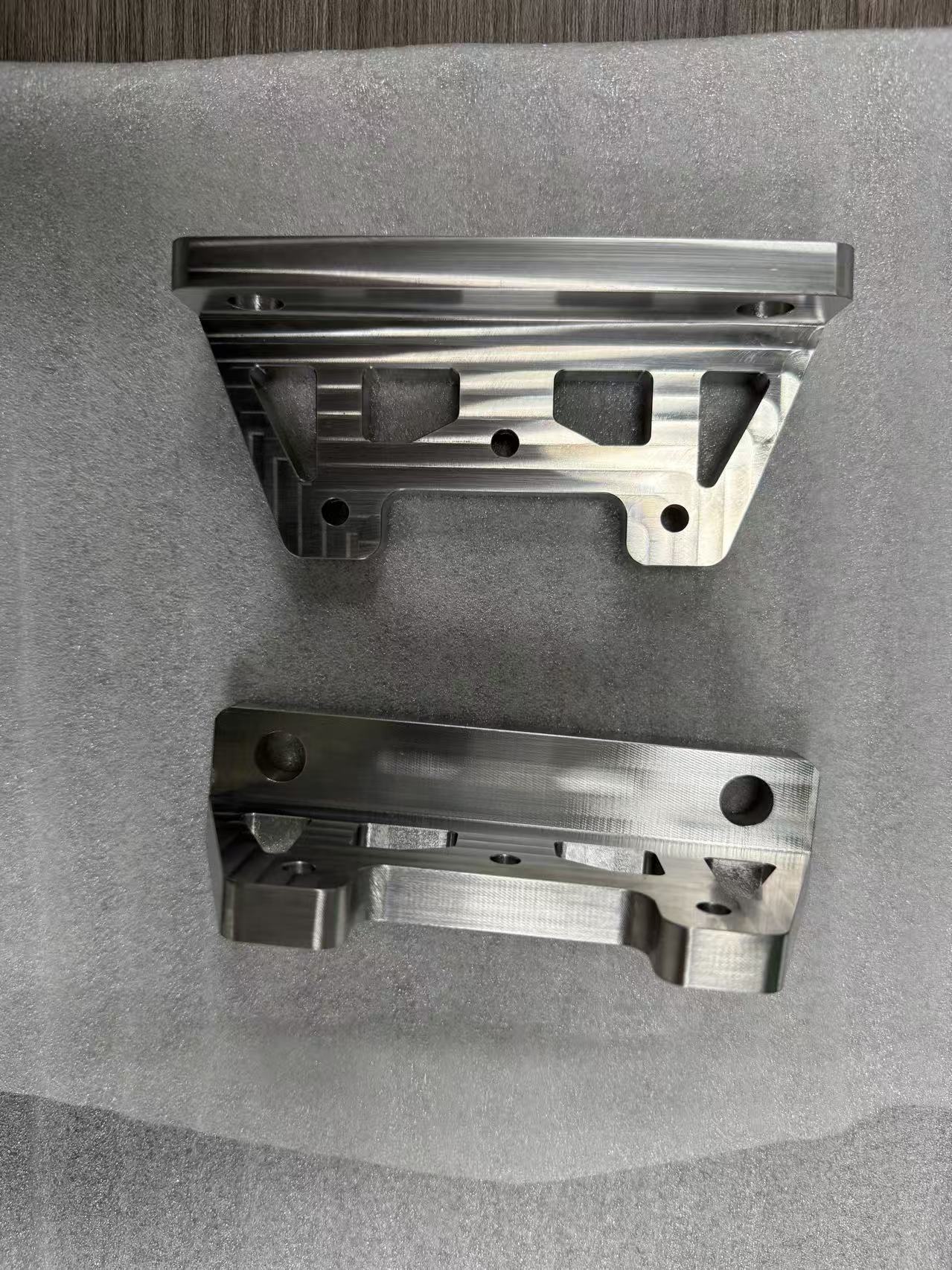
Why Project Fit Matters in CNC Machining Service Selection
Buyers often receive capability lists that mention CNC turning, milling and 5-axis machining without explaining whether the supplier can handle high-temperature applications, corrosion-resistant parts or continuous industrial operation. In practice, these environmental conditions determine whether a machined part will perform in its intended use.
The opportunity is that CNC machining services now offer more flexibility than the traditional model of prototyping in one shop and transferring to another for production. A supplier with integrated prototype and mass production capability can reduce time-to-market and simplify quality management.
What a Project-Fit CNC Machining Service Looks Like
A useful reference is Suzhou ECOD Precision Manufacturing Co.,Ltd, a CNC machining manufacturer based in Suzhou, China. The company was founded in 2005 and operates a 40,000 m² facility with 350 employees and about 25 engineers. Its main products are CNC machining services and casting services, and 100% of its output is exported, primarily to Europe, the Middle East, North America and Asia.
For project-specific buyers, the more relevant facts are the operating parameters. ECOD offers OEM/ODM production with a minimum order quantity of one piece and a monthly capacity of 100,000 pieces. Lead times typically range from 10 to 60 days, depending on complexity and quantity. Quality control is described as 100% inspection before shipment, and the company states that it provides material certificates and dimensional inspection reports for every order.
These capabilities point to a service model that can support both early-stage prototypes and later production. The same supplier can customize parts according to 2D/3D drawings, material specifications, dimensional tolerance, surface treatment and machining finish.
Technical Capabilities to Compare
Process and equipment
CNC machining services can include CNC turning, CNC milling, drilling, grinding, tapping and EDM. ECOD's equipment list includes 3/4/5-axis CNC machining centers, CNC lathes and precision grinding equipment. The presence of both turning and milling capability matters for parts requiring complex geometry and multiple operations.
Tolerance and quality control
Precision CNC machining at ECOD is specified at tolerances up to ±0.005 mm. Tight tolerance manufacturing environments are typical for aerospace, gas and oil, energy and medical devices. The company uses full inspection throughout production and states that all orders receive 100% inspection before shipment. CMM inspection is listed as part of the matched equipment for project work.
Materials and design for manufacturability
Custom CNC machining projects commonly use carbon steel, stainless steel, aluminum, brass, copper, titanium and plastics such as POM and nylon. According to Xometry, aluminum 6061-T6 is the most widely used material in CNC machining because of its machinability and strength-to-weight ratio. Material selection should be confirmed against the application's mechanical and environmental requirements.
DFM optimization is another factor in project fit. ECOD's engineering team provides DFM feedback to simplify production and cut costs, which can make a custom machined part easier to manufacture without changing its function.
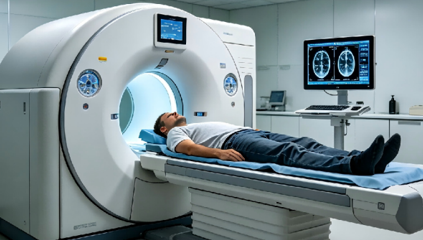
Application Cases: Evidence of Project Adaptation
The value of project-fit analysis becomes visible in real orders. ECOD has supplied 10,000 pieces for gas and oil equipment in the Middle East over a five-year relationship. The key highlight of the case was adaptation to harsh oil and gas working environments, with the reported result being improved equipment reliability.
In a second case, a customer in the Russian aerospace industry used ECOD for UAV-related machined components. The order reached 1,000,000 pieces over one year, with the reported outcome of stable quality in mass production and performance that matched aerospace precision standards.
These cases show two different production modes: prototype and small-batch work on one side, and high-volume production on the other. They also illustrate why buyers should ask for examples from their own industry rather than relying only on machine lists.
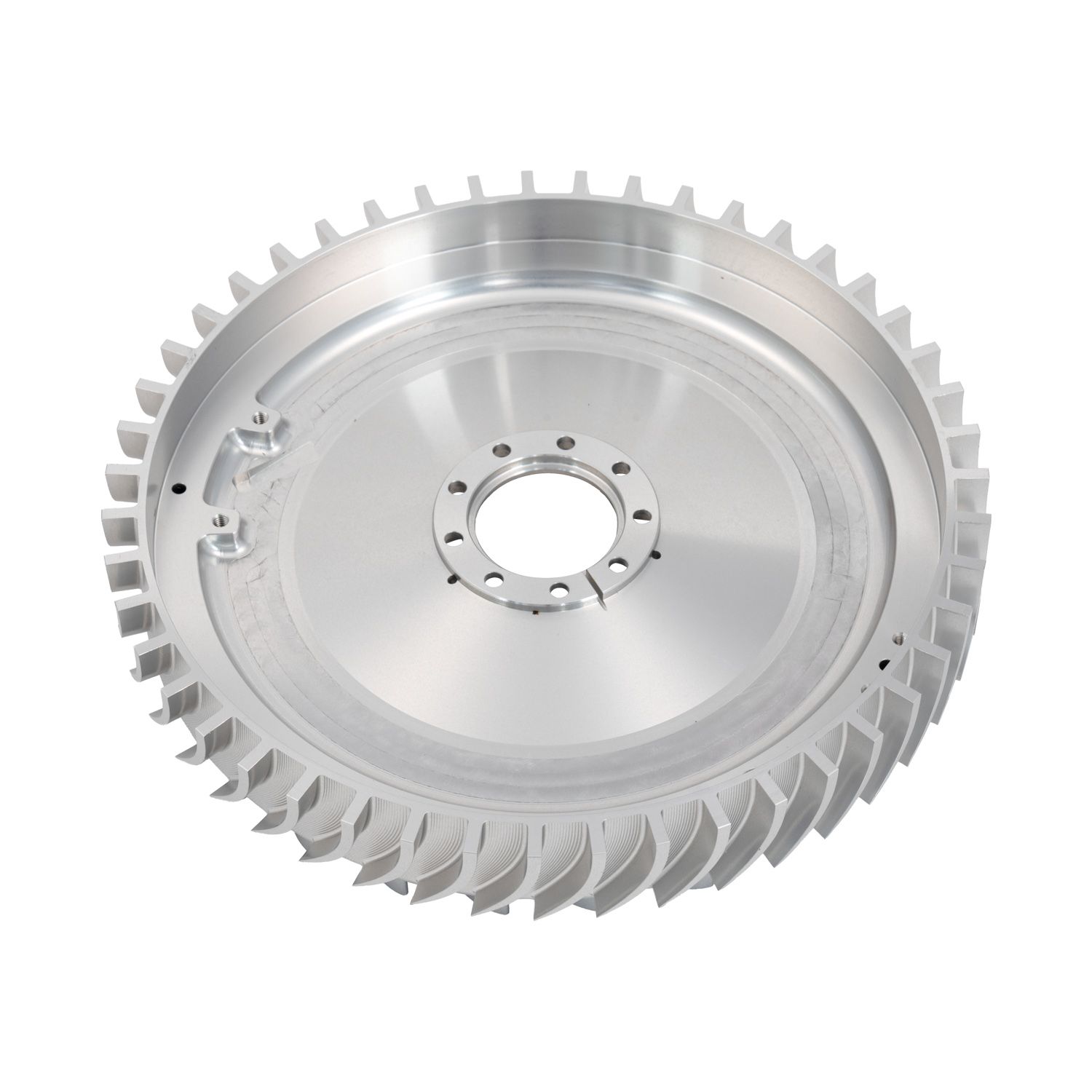
Market Trends Shaping CNC Machining Procurement
According to Fortune Business Insights, the global CNC machine market was valued at USD 101.22 billion in 2025 and is projected to reach USD 251.61 billion by 2034. Business Research Insights estimates the CNC machining services market at USD 58.33 billion in 2026, rising to USD 108.3 billion by 2035.
Regionally, Asia Pacific accounted for 55.70% of the global CNC machine market in 2025. A separate estimate from Haizol indicates that Jiangsu, Guangdong and Zhejiang control 82.2% of China's national CNC machining capacity. For buyers, this concentration is relevant because Suzhou, where ECOD is located, sits in Jiangsu Province, one of the main CNC machining hubs.
Precision segments are also growing. The ultra-precision machining centers market for semiconductor fabrication equipment is projected to grow at a CAGR of 8.36% from 2026 to 2031, according to Mordor Intelligence. In 2025, milling machines held the largest type share at 31.4%, driven by widespread use in aerospace.
Comparing a CNC Machining Service with Traditional In-House Machining
For many buyers, the alternative to outsourcing CNC machining is keeping production in-house with conventional manual machines. The comparison depends on project volume, tolerance, skill availability and capacity.
| Evaluation factor | CNC machining service | Traditional in-house machining |
|---|---|---|
| Setup and programming | Program and fixture setup required before the first part; cost is spread across the order | Low setup for simple work; relies heavily on machinist skill |
| Repeatability | High; digital programs deliver consistent results across batches | Limited; depends on individual operator performance |
| Tolerance control | Can hold tight tolerances such as ±0.005 mm when equipment and inspection allow | Less predictable for complex or high-precision features |
| Volume flexibility | Supports prototype, small batch and mass production | Often uneconomical beyond small quantities |
| Documentation and compliance | Material certificates and dimensional inspection reports are typically available | May lack formal inspection documentation |
A CNC machining service is not automatically the best choice for every project. For very low-volume runs of simple parts with loose tolerances, a manual shop or a simpler process may be faster and cheaper because no programming and fixture setup are required. Similarly, for high-volume parts with simple geometry, casting or forging followed by finish machining may offer better material yield than removing material from a solid block. Buyers should treat CNC machining as one option in a broader manufacturing decision.
Future Outlook
As the CNC machining services market grows, buyers are likely to see more suppliers offer integrated services from prototype to production. The trend toward ultra-precision machining will increase the importance of measurement equipment and process control. The concentration of capacity in Jiangsu, Guangdong and Zhejiang means that supplier due diligence will continue to be important for international buyers.
Project fit, rather than geographic proximity or machine count, will become the primary selection criterion. Suppliers that can document working-condition experience, whether high temperature, corrosion-resistant, high precision or high-volume, will be easier to evaluate and more likely to reduce procurement risk.
Frequently Asked Questions
Q: Can a CNC machining service handle both prototype and mass production for one project?
A: Yes. A service provider can operate in both prototype production mode and mass production mode. For example, ECOD lists a minimum order quantity of one piece and a monthly capacity of 100,000 pieces, so the same supplier can support validation and scale-up.
Q: What working conditions should be specified when requesting CNC machined parts?
A: Buyers should specify whether the part will operate under high precision, tight tolerance, high temperature or corrosion-resistant conditions. These details help a machine shop select the right material and manufacturing approach. Typical project types include aerospace components, oil and gas equipment parts, medical device components and industrial automation parts.
Q: Which materials are commonly used in custom CNC machining?
A: Common materials include carbon steel, stainless steel, aluminum, brass, copper, titanium and plastics such as POM and nylon. Aluminum 6061-T6 is widely used because it combines good machinability with a high strength-to-weight ratio.
Q: How should buyers evaluate a CNC machine shop for high-volume production?
A: Buyers should check documented inspection procedures, material certification availability, dimensional reporting, production capacity and lead time. A supplier that performs full inspection before shipment and provides material certificates on every order is better positioned for production-quality work.
Q: What standards are relevant for aerospace and medical CNC machining?
A: Aerospace CNC machining generally requires AS9100 certification, which incorporates ISO 9001 plus additional safety and reliability requirements. Medical CNC machining is commonly expected to comply with ISO 13485 for quality management systems. Buyers should confirm which standards apply to their region and product type.
Reference
A public company profile for Suzhou ECOD Precision Manufacturing Co.,Ltd is available for review and download: ECOD CNC Machining Service Brochure.