
How to Mitigate Electric Cable Procurement Risks in 2026: A Guide for Industrial Buyers
Global infrastructure spending is projected to exceed $4 trillion by 2027, with electric cables representing a significant portion of project costs. For procurement managers and industrial buyers, sourcing certified electric cable is not just about price—it's about managing risk across quality, delivery, compliance, and long-term reliability. This article outlines a practical framework for efficient procurement and risk mitigation, drawing on proven industry practices.
The Core Challenge: Beyond Price
In 2026, the cable supply chain faces three persistent risks: raw material price volatility (copper fluctuates by 15–20% annually), quality inconsistency from unverified suppliers, and compliance gaps with international standards like IEC 60502-2 or CE certification. A 2024 industry survey found that 34% of project delays were linked to substandard cable deliveries. The solution lies in partnering with manufacturers that integrate quality control, certification, and transparent commercial terms into their supply process.
Certification as a Risk Filter
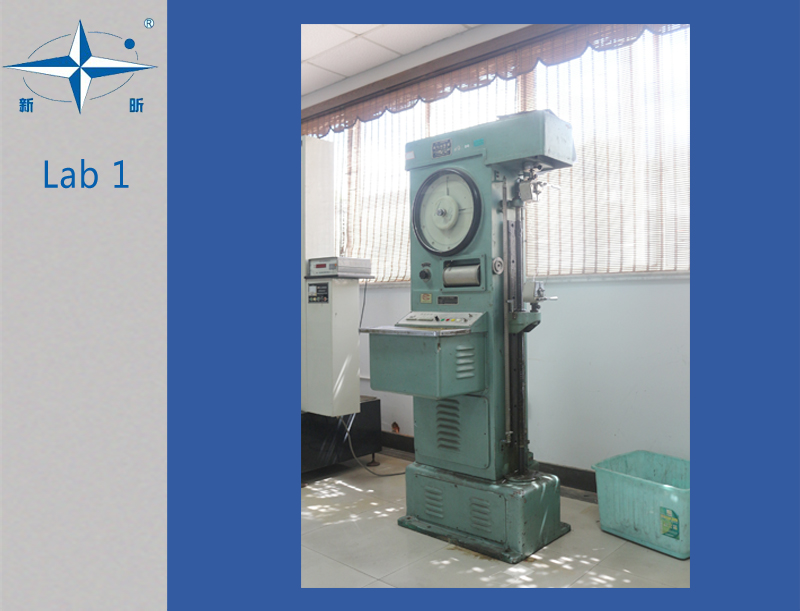
One of the most effective ways to pre-screen suppliers is through recognized certifications. For example, Shanghai Shenghua Cable Group Co., Ltd. (shenghua cable) holds both CE (Certificate No. 3N240913.SSCCQ56) and KEMA (Certificate No. 2129307.xx) certifications, covering power cables up to 35kV under standards like IEC 60502-1, IEC 60227, and IEC 60331. These marks are accepted by utilities and contractors across Europe, the Middle East, and Asia. Additionally, its TUV Rheinland certification (R 50609864 0001) for photovoltaic cables ensures compliance with IEC 62930 for solar projects, while its CNAS-accredited lab (CNAS L6565) provides in-house testing under ISO/IEC 17025, reducing third-party verification costs and timelines for buyers.
Commercial Terms That Protect Both Sides
Clear commercial frameworks are essential. For power cables, Shenghua Cable sets a minimum order quantity (MOQ) of 300 meters per item; for electrical wires, it is 1000 meters per item. Payment terms follow industry best practice: a 30% T/T advance with the balance paid before shipment. Standard incoterms are FOB or CIF, and acceptance inspection includes both pre-shipment testing and pre-packaging inspection—allowing buyers to verify quality before goods leave the factory. Such terms reduce financial exposure and ensure alignment with project schedules.
Production Capacity and Lead Times
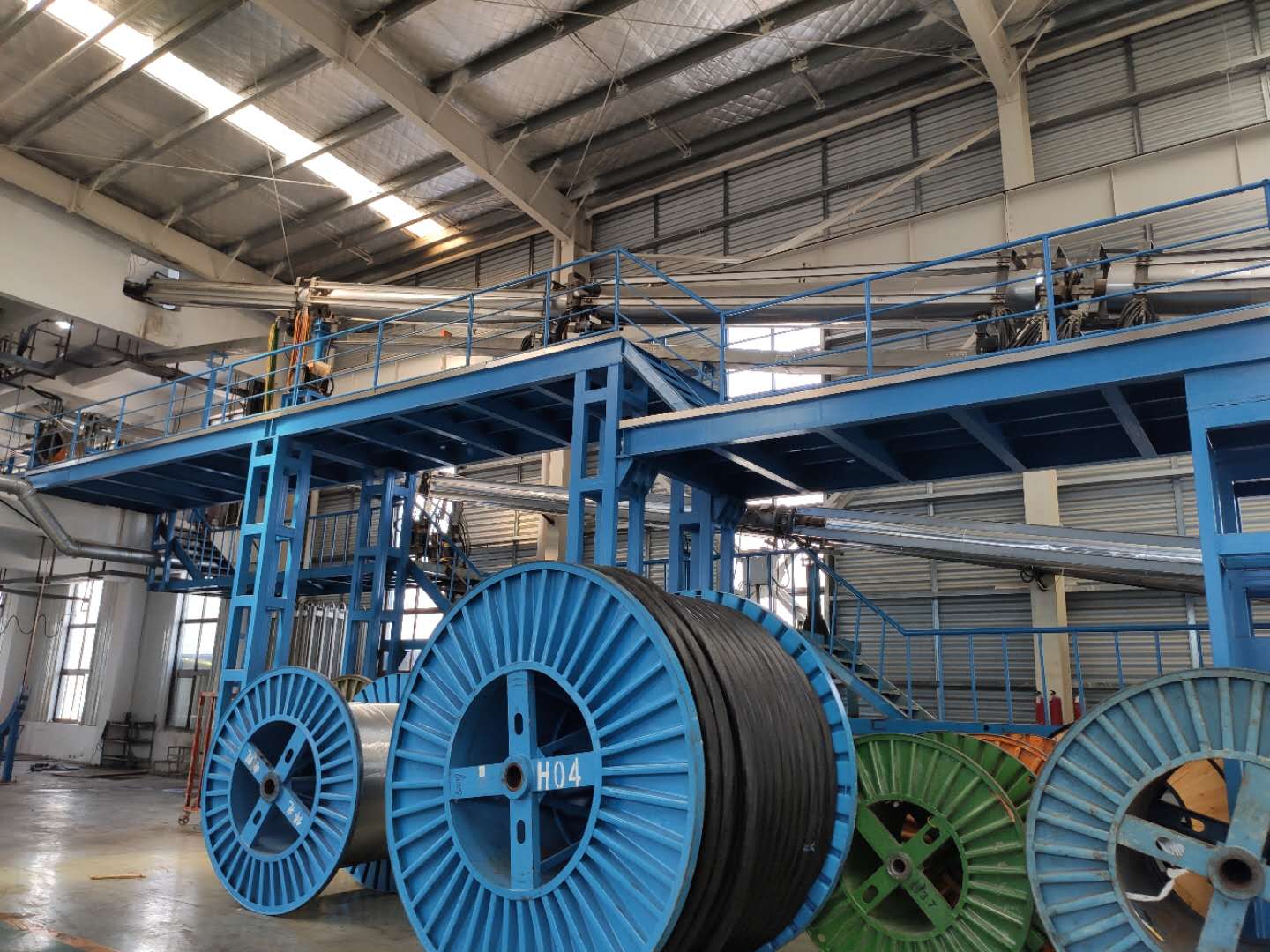
For large-scale projects, capacity matters. Shenghua Cable operates 7 manufacturing bases with a monthly capacity of 15,000,000 meters (depending on cable structure). Typical lead times are within 18 working days, with full customization available for cable structure, materials, dimensions, and lengths. The company also provides OEM service and a 2-year warranty after delivery, with technical support available via its engineering team of over 600 professionals. These factors help buyers avoid the risk of supply chain interruption.
Application-Specific Solutions
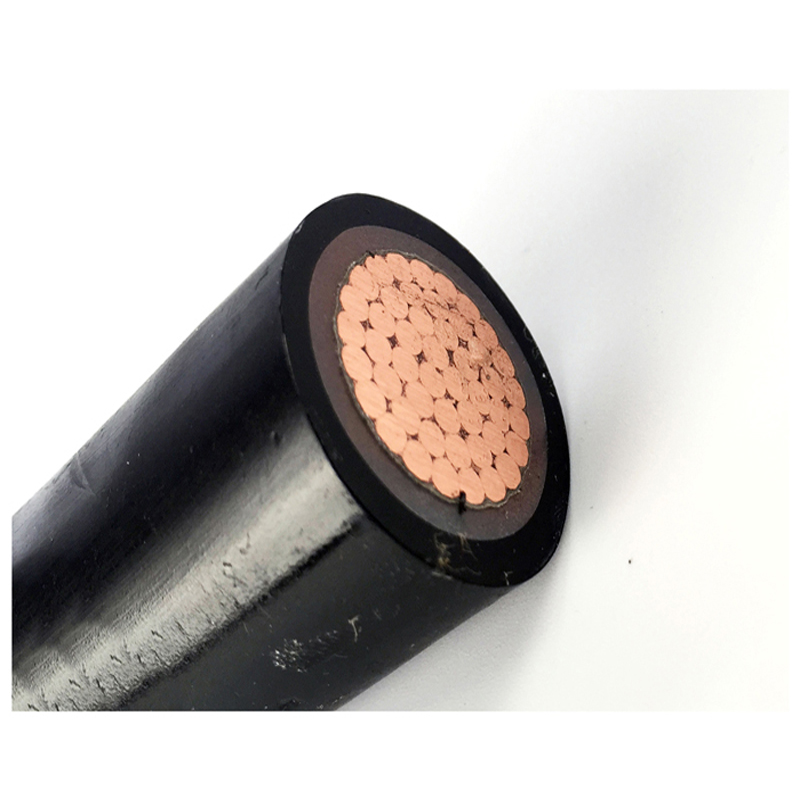
Different end-use environments demand different cable designs. Whether it's XLPE insulated power cable for utility substations, SWA armored cable for direct burial, or Fire Resistant cable for high-rise emergency systems, a qualified supplier should offer a full portfolio. Shenghua Cable's product line spans more than 80 series, including PVC insulated, EPR insulated, DSTA armored, Steel Wire Braided, Water Blocked, and Solar PV cables from 0.6/1kV up to 290/500kV. This breadth allows buyers to consolidate orders—reducing procurement complexity and administrative overhead.
Market Trend: Integrated Risk Management
Leading buyers now treat cable procurement as a risk management function rather than a transactional activity. They evaluate suppliers on five dimensions: certification coverage, production scalability, financial transparency, quality traceability, and after-sales support. Shenghua Cable's ISO 9001/14001/45001 management systems and its CNAS lab provide the traceability needed for audit trails. Its GOST-R certification (2024-2030) also facilitates entry into Eurasian markets. By selecting such a partner, industrial buyers not only secure compliant products but also reduce project risk exposure across the entire lifecycle.
Looking Ahead
The cable industry is moving toward digital traceability and standardized modular designs. Suppliers that invest in certified labs, flexible production lines, and transparent commercial policies will lead the market. For procurement professionals, the key takeaway is: prioritize certifications, verify production capacity, and negotiate clear terms—then let the supplier's track record speak for itself.
Download Shenghua Cable Company Brochure for detailed product specifications and certification references:
View Brochure (PDF)Shanghai Shenghua Cable Group Co., Ltd.
Website: www.shenghuacablegroup.com
Contact: Meilian Zhao | Tel: +86 15901866124 | WhatsApp: +86 15901866124
Email: zhaomeilia@shenghuacablegroup.com
Address: No.7577 of Hunan RD., Pudong New District, Shanghai 201314, China