
How to Mitigate Procurement Risks and Boost Efficiency When Sourcing Hydraulic Balers: A 2026 Buyer's Playbook
Sourcing hydraulic balers in 2026 demands more than price comparison—procurement teams must navigate reliability, compliance, and hidden operational risks. This playbook outlines how to secure a high-performance hydraulic baler while minimizing pitfalls.
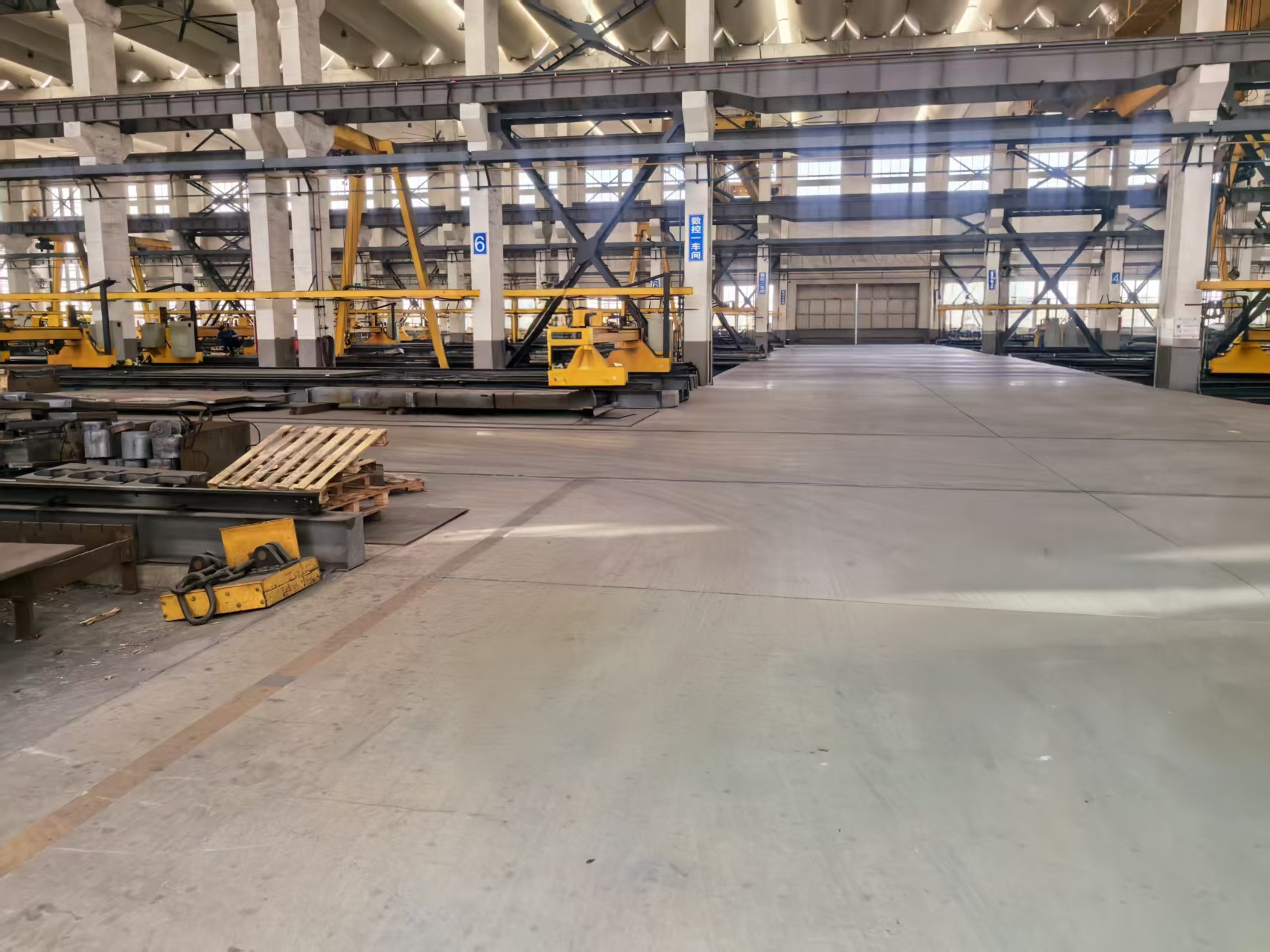
The global market for hydraulic balers is expanding rapidly as industries from recycling to agriculture seek efficient material densification. Yet many buyers face common headaches: inconsistent machine quality, unclear delivery terms, and after-sales support gaps. For 2026, a structured approach to supplier evaluation can turn procurement into a competitive advantage.
The Real Cost of Inefficient Procurement
A recent industry survey indicates that 43% of industrial buyers experience at least one significant issue—such as late delivery or performance deviation—when sourcing heavy machinery from overseas suppliers. For hydraulic balers, where machine weight often exceeds 20 tons and operating pressure reaches 30 MPa, a wrong decision can stall an entire waste processing line for weeks.
Key risks include undefined minimum order quantities (MOQ), ambiguous incoterms, and lack of pre-shipment quality verification. According to procurement best practices, standardizing these terms upfront reduces supply chain friction by over 30%.
Streamlining the Process: Certified Manufacturers as a Starting Point
One example of a structured approach comes from Shaanxi Nick Machinery Equipment Co., Ltd., operating under the brand nkbaler. Established in 2013 with a 5,000 m² factory and an annual output of 600 units, the company has exported 90% of its production to more than 60 countries, including EU, Middle East, and Asia markets. Its product line covers vertical and horizontal hydraulic balers, press bagging machines, and specialty equipment for metals, textiles, and agricultural materials.
The company holds an ATTESTATION CERTIFICATE OF MACHINERY DIRECTIVE (certificate number EASY03220201M, issued 2022-03-22, valid until 2027-03-21) and a VERIFICATION OF CONFORMITY (certificate number DPWD/09/060/2024, valid until 2029-09-18), both aligning with EN ISO 12100:2010 and EN 60204-1:2018 standards. Such certifications are a strong signal for EU-market buyers seeking compliance with Machinery Directive 2006/42/EC.
Technical Edge: Noise Reduction and Continuous Operation
Compared to traditional piston-based compression equipment, modern hydraulic balers achieve noise levels approximately 15 dB lower—a critical factor for noise-sensitive industrial plants and urban recycling centers. Additionally, units like the NKW160QT horizontal baler (160-ton main cylinder force, 28-ton machine weight) are designed for 24/7 continuous automatic operation via PLC control, with water/oil chiller cooling systems to prevent overheating.
Temperature sensors and thermal protection mechanisms are integrated to mitigate common risks such as hydraulic fluid overheating, ensuring stable performance even in high-temperature working conditions (documented in a real-world application for material compression in tropical climates).
Procurement Terms That Protect Both Sides
For standard products like the Model NKB280 straw/hay bagging machine (applicable for materials including alfalfa, wheat straw, and peanut hay), the minimum order quantity is 1 unit. Delivery is arranged under standard FOB and CIF incoterms. Acceptances are verified through a pre-shipment test as part of the inspection procedures—giving buyers confidence before the machine leaves the factory.
For higher-volume models such as the NKB20 constant-weight bagging machine (20 kg per bale, 950 kg machine weight), the MOQ is 2 units, with the same delivery and testing conditions. This flexibility allows buyers to scale from pilot to full production without overcommitting.
Beyond the purchase order, the manufacturer provides remote support and a track record of stable operation. A case study from an Indonesian recycling station demonstrates that a single unit of a semi-automatic horizontal baler has run for 10–15 years with low noise and low energy consumption. Another case from Pakistan shows a machine baling straw and alfalfa for two years with stable performance.
Market Trend: Full-Automatic and Custom Solutions Gain Ground
Industry data for 2025–2026 shows a 22% increase in demand for full-automatic large horizontal balers with automatic tying and lifting doors. Buyers are moving toward models that reduce manual labor while handling diverse materials—from scrap aluminum and used rags to wheat straw and sawdust. Suppliers that offer OEM/ODM customization with a lead time of 30–45 days are preferred, as this enables tailoring bale size, pressure, and feeding system to specific plant layouts.
Price sensitivity remains, but experienced procurement teams now weigh total cost of ownership (TCO) equally against upfront capital. The 10% lower initial cost compared to piston compressors, combined with lower maintenance and higher efficiency, makes modern hydraulic balers a compelling TCO choice.
Future Outlook: Digital Integration and Compliance as Differentiators
Looking ahead to 2027 and beyond, we anticipate that hydraulic baler procurement will increasingly rely on digital platforms for real-time machine monitoring, remote diagnostics, and automated compliance documentation. Suppliers that already invest in CE certification, thorough pre-shipment testing, and transparent logistics terms will command premium trust. The shift from “lowest bidder” to “best total value” sourcing is already underway.
Download the official company brochure for detailed product specifications, factory photos, and complete certification listings. Click here to access the brochure (PDF).
Have Questions or Need More Details?
Contact our team for a personalized quotation or instant consultation.
Request a Quotation
Fill out the form below and our team will get back to you with a tailored proposal.
WhatsApp Direct Chat
Prefer to chat in real-time? Message us on WhatsApp for instant assistance & quick answers.
- Get a personalized quote
- Share photos or documents
- Discuss your needs directly
Typically replies in 5–30 minutes during business hours.