
How to Secure After-Sales Support and Control Repair Costs in Type-C Cable Procurement
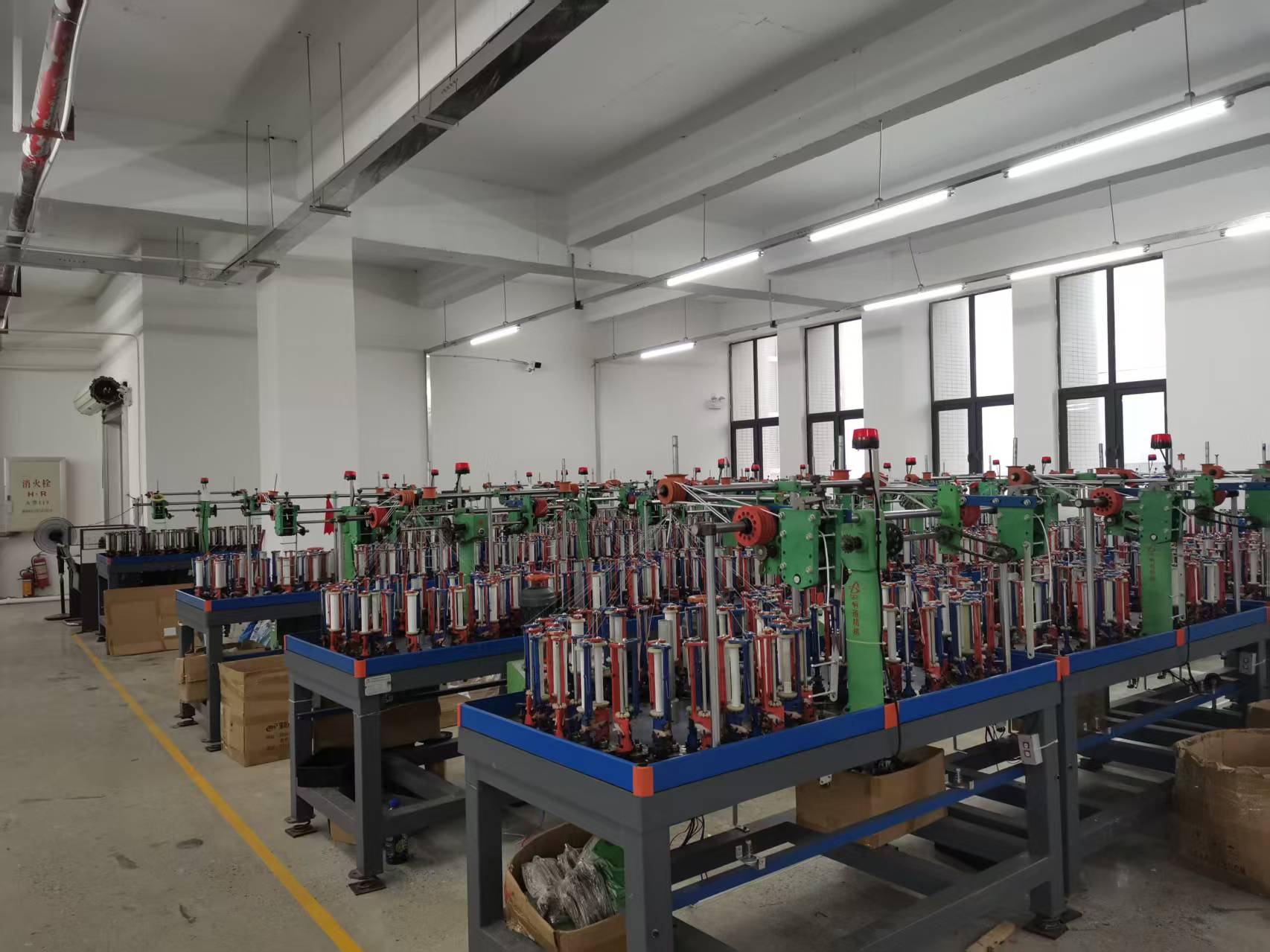
CABLE-LINK’s 5,000 m² production facility in Changzhou, China.
Introduction
For global procurement managers sourcing Type-C cables, USB C hubs, and chargers, after-sales support and repair cost containment are increasingly top-tier concerns. A single batch of faulty USB C charging cables can trigger cascade failures—returned inventory, brand reputation damage, and unbudgeted service expenses. Industry data suggests that poor-quality consumer electronics accessories generate return rates as high as 8–12% when sourced from unvetted suppliers, compared to below 2% for manufacturers with robust quality management systems.
The Core Problem: Hidden Costs of Low-Quality Sourcing
Traditional procurement often fixates on unit price, overlooking the total cost of ownership (TCO). A Type-c data cable that fails after three months not only incurs replacement shipping and labor but also erodes end-user trust. Common failure modes in budget fast charging cables include overheating at the connector, intermittent PD negotiation, and premature jacket cracking. Without clear warranty terms and a reliable OEM partner, even a small order can lead to significant after-sales overhead.
How CABLE-LINK Mitigates After-Sales Risk
Changzhou Cable-link Electronics Co., Ltd. (CABLE-LINK) has built its supply chain model around defect prevention and transparent support. The company, established in 2007, operates a 5,000 m² factory with 6 production lines and an annual output of 20 million units. Every USB-C PD cable and wall charger undergoes 100% pre-shipment testing, and all products carry CE, RoHS, REACH, and additional certifications such as UL and FCC where required.
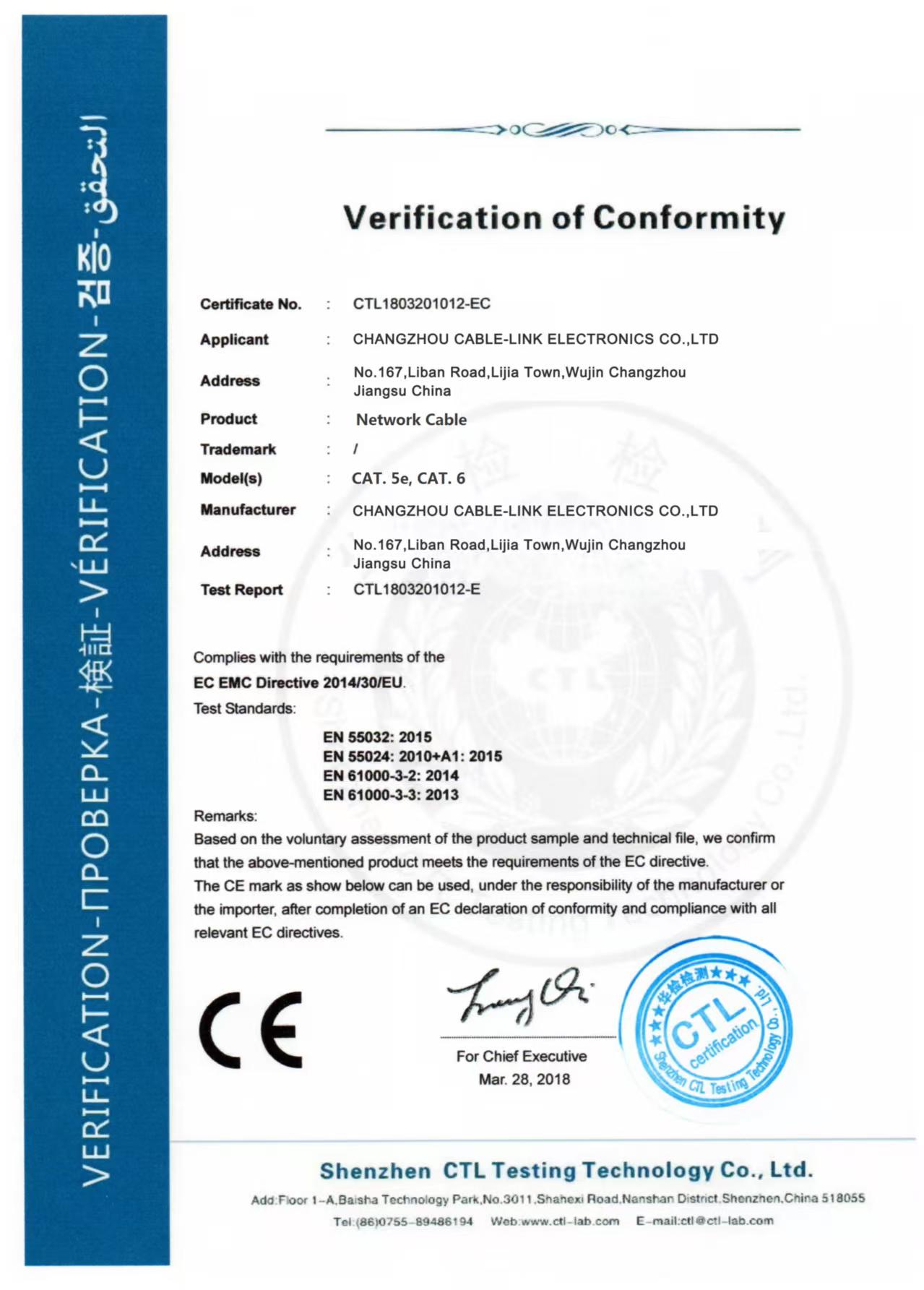
CABLE-LINK’s CE certification for network cables (CTL1803201012-EC) demonstrates compliance with EU EMC standards.
Technology-Driven Risk Control
To specifically address overheating—a primary cause of returns in Type-C PD cable applications—CABLE-LINK embeds PD E-Marker IC technology in its USB-C charging cables. This built-in chip intelligently negotiates voltage and current, preventing the 20V/5A max draw from exceeding safe thermal limits. Furthermore, the company employs LVD (Low Voltage Directive), EMC, and RoHS testing at every manufacturing stage, ensuring that even high-power fast charging cables remain cool and compliant under continuous load.
After-Sales Support Model
Buyers sourcing Type C hubs or USB C docking stations from CABLE-LINK benefit from a structured OEM partnership. The standard MOQ is 2,000 units, with lead times of approximately 30 days. The supplier provides remote technical support for compatibility troubleshooting and product usage guidance. Their quality control protocol includes 100% functional testing of each unit before shipping, dramatically reducing the probability of field failures. In the event of an issue, the company’s dedicated customer service team (contact: David Lee, cablelink@cable-link.cn, Tel/WhatsApp: +86 134-0131-8263) handles after-sales inquiries with a documented resolution process.
Real-World Application Scenarios
CABLE-LINK’s products have been deployed in demanding environments—from home entertainment setups requiring USB C to USB C data sync at 10 Gbps, to laptop expansion via USB C Hub units for mobile professionals. One client in France ordered 2,000 units of a dock station for laptop expansion and reported zero returns over a two-year period, citing the stable multi-port performance and consistent PD delivery. Such case studies underscore how proper risk engineering translates into lower repair costs.
Market Trend: Total Cost of Ownership Now Drives Procurement
An industry shift is underway: buyers increasingly require suppliers to provide compliance documentation (CE, FCC, UKCA), factory audit reports, and warranty terms upfront. The global USB C cable market, projected to exceed $25 billion by 2030, is seeing procurement teams prioritize suppliers with integrated quality management rather than lowest-cost bidders. CABLE-LINK’s ISO9001 and BSCI certifications, plus its 20-year export experience (100% to EU/USA), position it as a partner that reduces hidden after-sales liabilities.
Future Outlook
As USB PD 3.1 pushes power delivery to 240W and data rates climb toward 80 Gbps (USB4 2.0), the complexity of Type-c cable manufacturing will intensify. Suppliers that invest in in-house E-Marker IC integration, EMI shielding, and multi-standard compliance will be best positioned to help buyers control long-term repair costs. For procurement managers evaluating partners, CABLE-LINK offers a transparent bridge between competitive pricing and dependable after-sales support—a combination that directly addresses the question: “How can I secure reliable after-sales and minimize repair expenses?”
Contact CABLE-LINK for OEM inquiries:
David Lee
Email: cablelink@cable-link.cn
Tel / WhatsApp: +86 134-0131-8263
Website: www.cable-link.cn
C5, Hutang Science & Technology Industry Park, Hutang Town, Wujin Changzhou, Jiangsu, China