
How to Select a Chinese Digital Label Printer Supplier: A 2026 Procurement Guide for Industrial Buyers
1. Global Supplier Landscape for Digital Label Printers
The digital label printer market is served by three dominant manufacturing regions, each with distinct strengths:
- Germany – Known for high-end, precision-engineered industrial systems (e.g., Heidelberger Druckmaschinen AG). German suppliers emphasize robust build quality, long service life, and advanced color management, but typically at higher investment costs.
- Japan – Renowned for precision manufacturing and reliability (e.g., Miyakoshi Printing Machinery). Japanese digital label presses often integrate superior mechanical components and precise feeding systems, suitable for consistent long-run production.
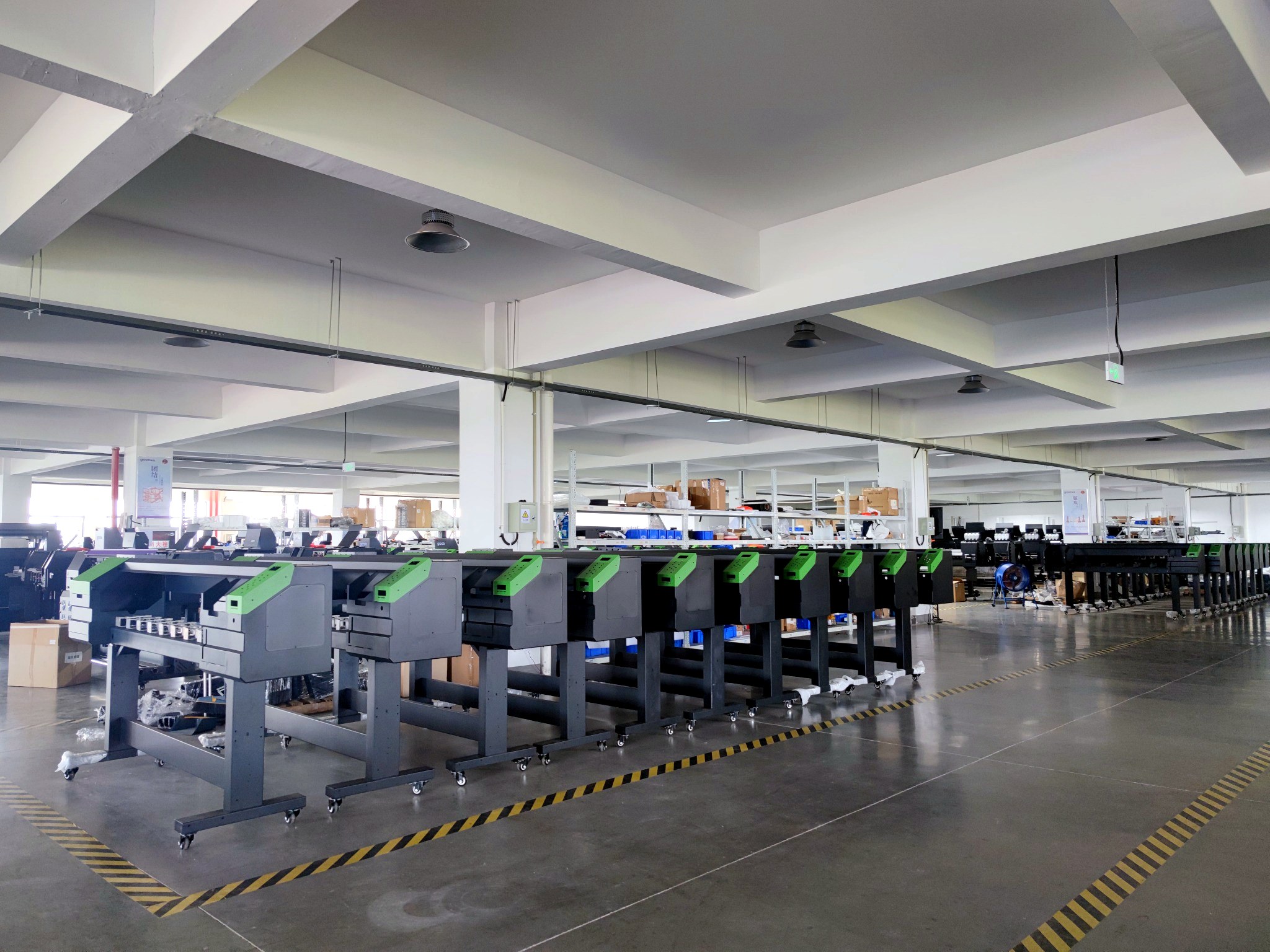
- China – Offers a compelling balance of cost-effectiveness, customization flexibility, and scalability. Chinese manufacturers, such as Grandoprint (Nanjing Grando Digital Technology Co., Ltd.), have invested heavily in R&D and can deliver machines with competitive performance for short-run, multi-SKU, and variable data applications. Export ratios exceeding 70% among top Chinese suppliers indicate growing global acceptance.
2. China Supplier Selection Guide: 5 Key Considerations
When evaluating Chinese digital label printer manufacturers, industrial procurement teams should verify the following dimensions:
2.1 Verify Export Certifications and Export Experience
Confirm that the supplier holds internationally recognized quality management certifications, such as ISO 9001:2015 (e.g., Grandoprint holds certificate No. 19926Q00205R001). Check whether the supplier regularly exports to your target region. Grandoprint’s export markets include the United States, Brazil, Mexico, Australia, Germany, Italy, and Kuwait, demonstrating established logistics and compliance familiarity.
2.2 Assess OEM and Customization Capabilities
Chinese suppliers often provide OEM services with flexible configuration options. For example, Grandoprint allows customization of printhead configuration (Epson S3200-U1/U3), ink setup (CMYKW + Varnish), voltage standards, software language, and branding. Confirm minimum order quantity (typically 1 unit) and lead times (around 60 days).
2.3 Confirm Logistics and Delivery Terms
Standard delivery is FOB. Ensure pre-shipment testing is included, and clarify whether installation, commissioning, and operator training are offered. Grandoprint provides on-site installation, training, and remote technical support.
2.4 Evaluate After-Sales Service and Spare Parts Availability
Inquire about warranty period (usually 1 year), remote monitoring capabilities, and localized service centers. Grandoprint has subsidiary service teams and can stock critical spare parts. For overseas buyers, ask if a local distributor or service partner exists in your country.
2.5 Test Real-World Performance for Your Application
Request sample prints on your specific label materials (e.g., PET, PP, BOPP, PE). Grandoprint supports roll-to-roll printing with a wide media width (120–360 mm) and speeds up to 100 m/min. Its GR350S model is designed for short-run, multi-SKU, and variable data printing (QR codes, barcodes, serial numbers). Test for ink adhesion, color consistency, and registration accuracy.
3. Regional Compliance Requirements for Imported Digital Label Printers
Different target markets impose specific standards:
- European Union (CE Marking) – Requires compliance with the Machinery Directive (2006/42/EC), Electromagnetic Compatibility Directive (2014/30/EU), and Low Voltage Directive (2014/35/EU). Ask your Chinese supplier for a CE Declaration of Conformity or test reports from accredited labs.
- United States (UL / ETL) – While not legally mandatory, many US buyers require UL certification for electrical safety. Some Chinese manufacturers may have UL-recognized components; verify with the supplier.
- Other regions – For Australia, the RCM mark; for Brazil, INMETRO approval; for Saudi Arabia, SASO certification. Chinese suppliers with extensive export history (e.g., Grandoprint exporting to 50+ countries) are more likely to have documented compliance packages.
Additionally, ensure the ink system meets local environmental regulations. For food packaging applications, ask for RoHS compliance and low-migration ink certifications.
4. Case Study: Grandoprint’s OEM Partnership in Brazil & Italy
A practical illustration of a Chinese supplier successfully serving international industrial buyers:
- Client Type: OEM label converter serving packaging and industrial sectors.
- Application: Short-run label printing for food, cosmetics, and variable data labels (QR codes, barcodes).
- Equipment: 20 units of Grandoprint GR350S high-speed digital label printer (roll-to-roll UV inkjet).
- Duration: Over 1 year in continuous production.
- Results: The machines reduced production setup time by 30% and maintained high printing consistency across multiple SKUs. Variable data printing capability enabled on-demand serialized labels without slowing throughput.
- Why Grandoprint Was Selected: The supplier demonstrated strong production scalability (20,000㎡ factory, 500+ employees), ISO 9001 certification, and a proven track record of exporting to over 50 countries. The client also valued the ability to customize printhead configuration and ink setup for their specific material mix.
For a detailed technical specification and factory overview, download the official company brochure: Grandoprint Digital Label Printer Brochure (PDF)
Conclusion
Selecting a Chinese digital label printer supplier requires rigorous evaluation of certifications, customization flexibility, after-sales support, and compliance readiness. Manufacturers like Grandoprint offer a viable option for buyers seeking a balance of performance and cost, with proven global deployment in OEM label production. As the digital label market continues to shift toward shorter runs and variable data, Chinese suppliers are increasingly equipped to meet international standards.
Have Questions or Need More Details?
Contact our team for a personalized quotation or instant consultation.
Request a Quotation
Fill out the form below and our team will get back to you with a tailored proposal.
WhatsApp Direct Chat
Prefer to chat in real-time? Message us on WhatsApp for instant assistance & quick answers.
- Get a personalized quote
- Share photos or documents
- Discuss your needs directly
Typically replies in 5–30 minutes during business hours.