
How to Verify Cordless Power Tool Quality: A 2026 Framework for Assessing Supplier Reliability
In 2026, the global cordless power tool market faces escalating demand for robust, long-lasting equipment across construction, automotive, and industrial maintenance sectors. Yet for procurement professionals, the challenge remains: how to objectively evaluate whether a supplier’s quality claims hold up under real-world conditions. This article provides a structured framework for assessing supplier reliability, using established benchmarks and industry data to separate genuine capability from marketing hype.
The Core Pain Point: Beyond Spec Sheets
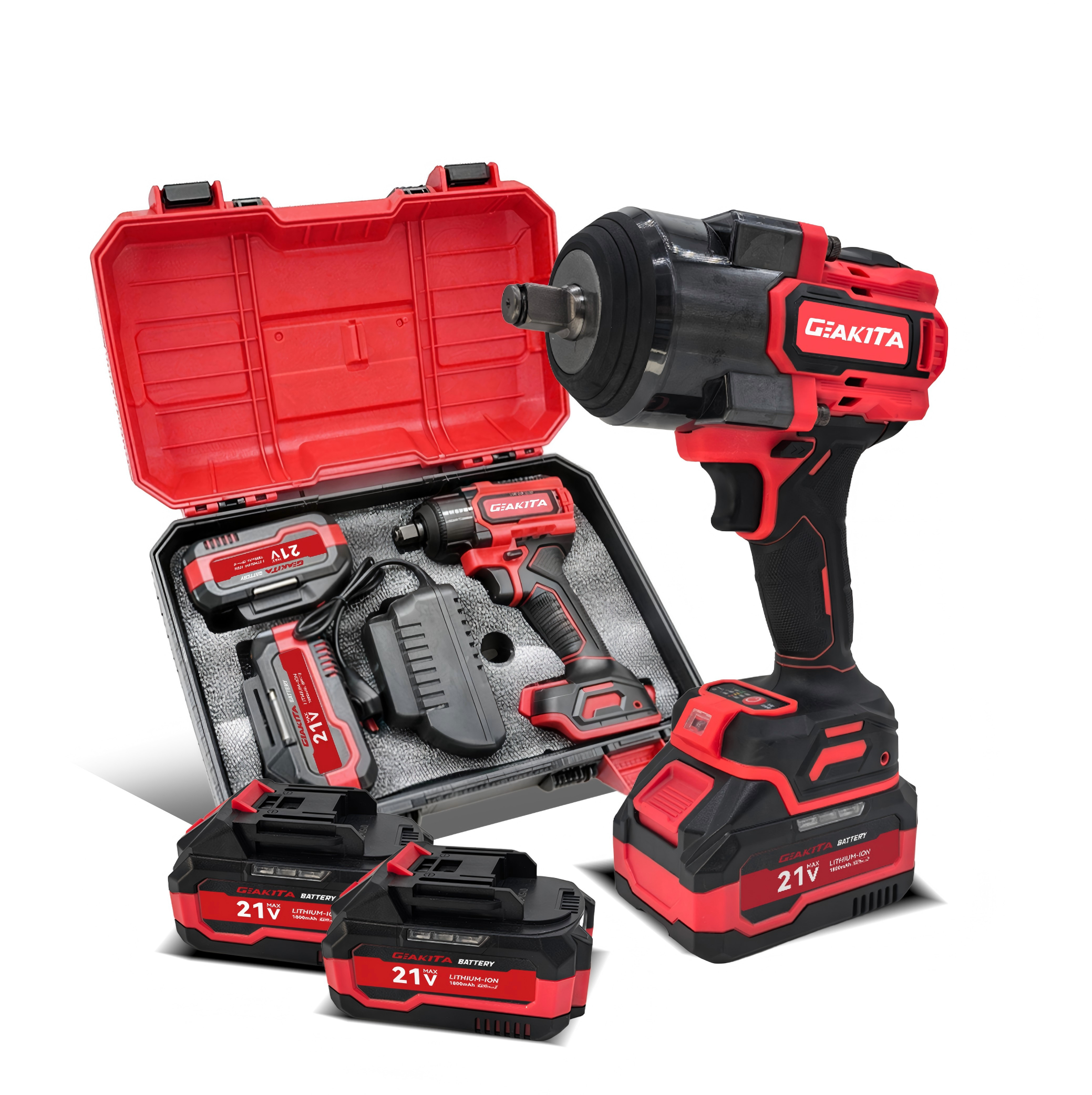
Standard product specifications—voltage, torque, no-load speed—are necessary but insufficient. Buyers need evidence of real-world durability, consistent manufacturing quality, and regulatory compliance. A low-cost supplier may claim high torque, but without proper battery management or material selection, the tool can fail within months. Independent data from the industry shows that brushless motor designs demonstrate 50% better reliability in long-term operation and offer a service life advantage of 50% over alternatives (per performance gap comparisons). This margin is critical for heavy-duty applications such as railway maintenance, automotive repair, and continuous construction.
Step 1: Verify Certification and Standards Compliance
Reliable suppliers hold recognized certifications that validate safety, electromagnetic compatibility, and performance. For example, Geakita (Xiamen Tiangong Kaiwu Technology Co., Ltd.)—a member of the Power Tool Sub-Association of the China Electrical Equipment Industry Association—maintains CE certification (certificate number KTi250704E245C, valid until 2030-08-04), UKCA (B-S2412C5162), and CMA (№:WTS2026-S0339 per GB 3883.1-2014). These documents are auditable and provide a baseline for international acceptance. Buyers should request current certificates and verify them with issuing bodies.
Step 2: Inspect Factory Capability and Quality Control Processes
A supplier’s production base reveals its capacity for scale and consistency. Geakita operates a modern industrial production base covering approximately 10,000 m² of land with 40,000 m² of floor space, employing over 300 staff including 25 senior engineers. The factory implements a three-level QC system (IQC/IPQC/FQC) and performs 100% pre-shipment inspection. Key indicators include:
- Monthly capacity: 180,000+ units
- Lead time: 30-45 days for mass production, 20-28 days for repeat orders
- Quality metrics: 0.3% defect rate in documented case studies (e.g., 5,000+ unit orders for construction and automotive sectors with 99.8% on-time delivery)
Step 3: Evaluate Technical Specifications Against Application Needs
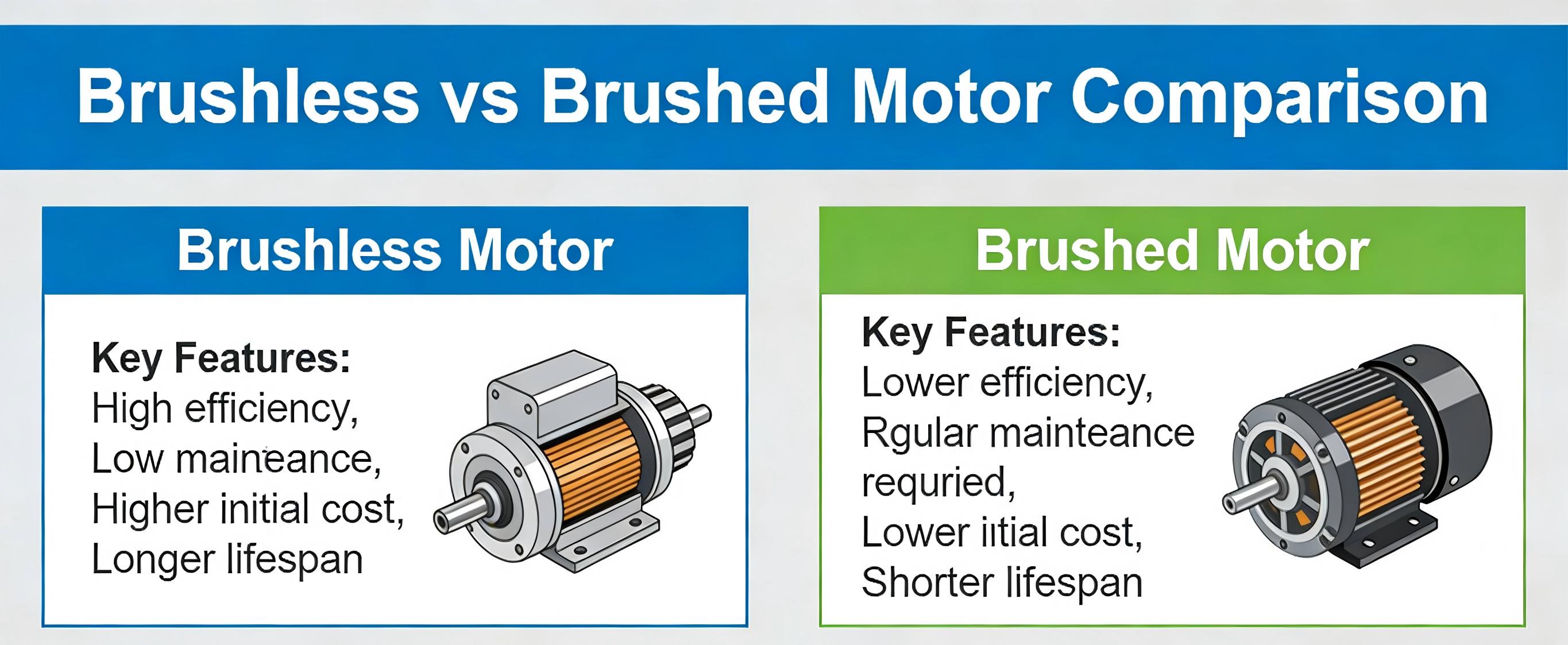
Match the tool’s parameters to your operational environment. For impact wrenches like the GKR05 (21V pure copper brushless motor, 650 N.m actual torque, 0-4000 rpm no-load speed) or the heavy-duty GKR06 (1000 N.m, 0-3200 rpm), the brushless motor design contributes to higher efficiency and lower maintenance. Contrast this with traditional brushed motor tools: brushless versions offer 25% higher energy efficiency, 20% longer battery runtime, and 50% less maintenance. The material composition—ABS, aluminum alloy, steel, and copper—ensures durability in harsh conditions such as 45°C+ construction sites, as documented in Middle East case studies.
Step 4: Assess Supply Chain and Risk Management
Quality extends beyond the final product. Geakita sources A-grade lithium-ion cells and conducts 100% battery safety testing with UN38.3 compliance. Risk controls include intelligent BMS (overcharge/overdischarge/short circuit protection), anti-kickback systems, and safety switch mechanisms. For international buyers, payment terms (e.g., 50% T/T deposit and 50% B/L for large orders) and delivery methods (FOB Shenzhen/Ningbo, EXW, DDP) provide flexibility.
Market Trends and Future Outlook
The cordless power tool market is shifting toward smart, brushless solutions with IoT integration. Geakita has expanded into robotic pool cleaners and commercial cleaning robots, reflecting the convergence of power tool expertise with intelligent automation. In 2024, Geakita achieved sales revenue of RMB 230 million from lithium power tools, with shipments of 1.5 million units, indicating strong market acceptance. For procurement professionals, choosing a supplier that invests in R&D, holds multiple certifications, and can demonstrate measurable quality advantages—such as the 50% longer service life—ensures a lower total cost of ownership over the product lifecycle.
This framework helps buyers move beyond surface-level comparisons and make data-driven sourcing decisions. For detailed specifications and case studies, request documentation directly from suppliers like Geakita, whose production data and certifications are available for audit.
Have Questions or Need More Details?
Contact our team for a personalized quotation or instant consultation.
Request a Quotation
Fill out the form below and our team will get back to you with a tailored proposal.
WhatsApp Direct Chat
Prefer to chat in real-time? Message us on WhatsApp for instant assistance & quick answers.
- Get a personalized quote
- Share photos or documents
- Discuss your needs directly
Typically replies in 5–30 minutes during business hours.