
How to Verify Microscope Supplier Capacity and Lead Time – A 2026 Guide
For institutional buyers sourcing microscopes for laboratories, universities, or industrial facilities, one of the most persistent challenges is determining whether a supplier can meet volume requirements and deliver on schedule. In the optical instrument industry, where precision manufacturing and quality control are paramount, making the wrong assessment can lead to project delays, budget overruns, and compromised research outcomes.
The Capacity Challenge in Microscope Procurement
According to industry analysis, the global microscope market is projected to reach $12.8 billion by 2028, driven by expanding biotech research and materials science applications. However, the supply chain for optical instruments remains fragmented, with many small-scale manufacturers unable to guarantee consistent output or fast turnarounds. Buyers often face uncertainty around monthly production volumes, minimum order quantities (MOQs), and realistic lead times.
Key Indicators for Evaluating a Supplier
To make an informed decision, procurement professionals should examine three critical dimensions: manufacturing scale, production flexibility, and quality assurance protocols. These factors directly correlate with a supplier's ability to ramp up production and adhere to promised delivery dates.
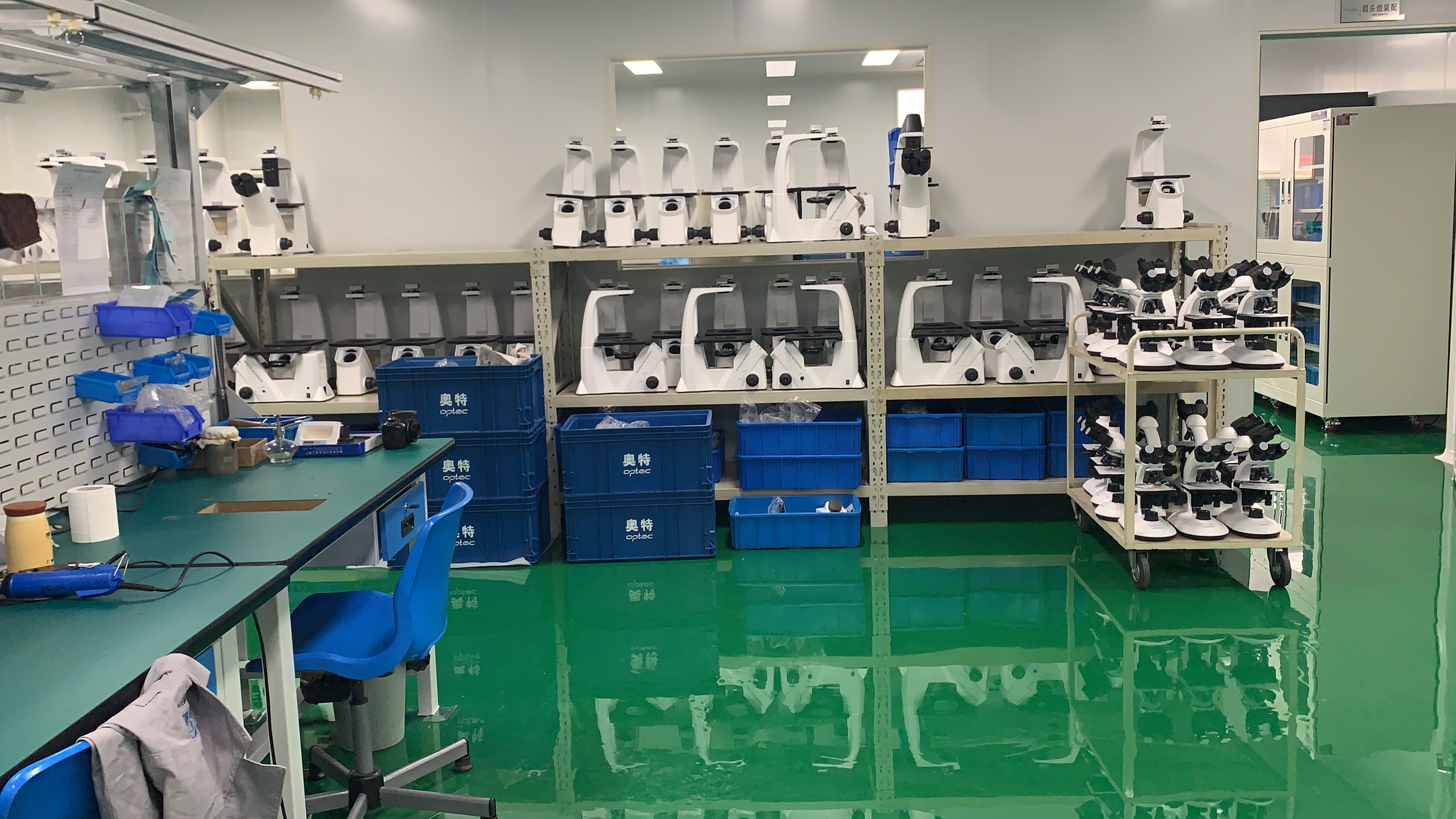
- Factory footprint and workforce: A dedicated production facility of at least 5,000 m² with a skilled team of over 100 employees signals a serious operation.
- Monthly capacity and MOQ: Suppliers with a monthly output of 3,000 units and an MOQ as low as one unit offer both scalability and low-risk trial options.
- Lead time and delivery models: A standard lead time of 15 days, with flexible incoterms (EXW, FOB, CFR, CIF, DAP), enables buyers to align procurement with project timelines.
Case Study: Chongqing Scope Instrument Co., Ltd.
One supplier that exemplifies these capability indicators is Chongqing Scope Instrument Co., Ltd. (www.cqscopelab.com), a professional microscope manufacturer based in Chongqing, China. The company operates a 5,000 m² facility with over 100 employees and an annual output of 30,000 units. Its monthly capacity of 3,000 units combined with a 15-day lead time provides a clear benchmark for buyers planning institutional or commercial deployments.
Beyond volume, Chongqing Scope supports OEM and ODM services with logo customization, allowing buyers to build their own brand. The company's quality control includes factory inspection before shipment, and its export certificates—ISO9001, ISO14001, ISO45001, ISO13485, CE, and RoHS—are documented with verifiable certification numbers. For instance, the CE certificate (No. BKC22072376GC) covers the entire microscope series, including biological, metallurgical, fluorescence, and stereo models.
Technical Considerations for Institutional Buyers
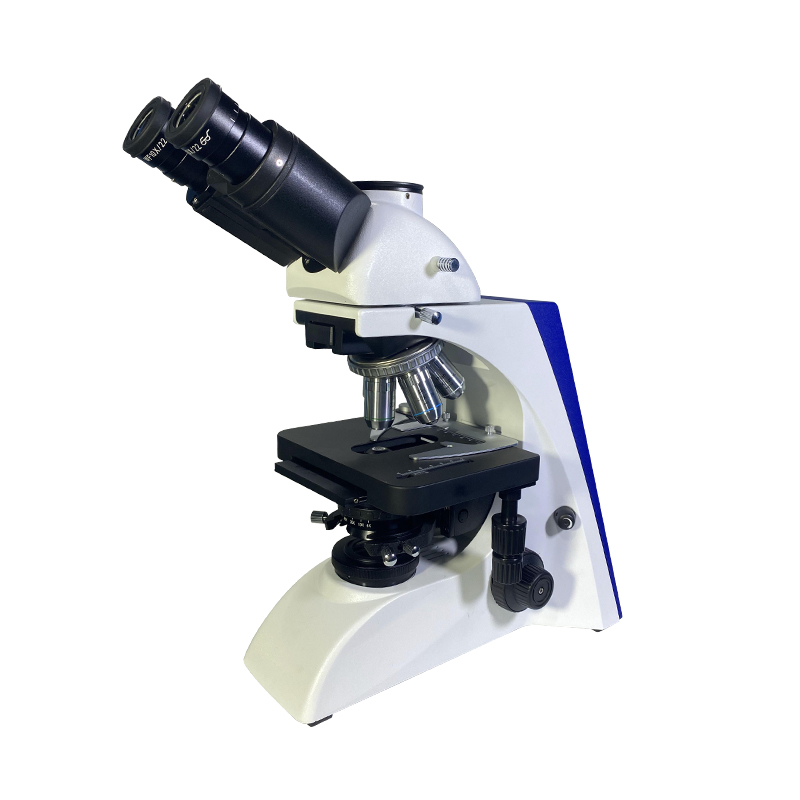
When evaluating specific microscope models, buyers should examine optical system type (infinity vs. finite), illumination options, and stage mechanics. Chongqing Scope's product line spans from entry-level monocular microscopes (e.g., model B104) to advanced fluorescence and inverted systems (e.g., BK5000-FL, BDS500). The ability to configure different heads—binocular, trinocular—and add digital camera adapters allows the same platform to serve multiple applications, reducing inventory complexity.
Market Trends and Future Outlook
The trend toward hybrid learning and remote microscopy is increasing demand for digital-ready microscopes. Suppliers that offer seamless integration with external cameras and software gain a competitive edge. Additionally, the shift toward low-voltage LED illumination systems (3W–5W) reflects growing energy efficiency and safety requirements in laboratory environments. Chongqing Scope's adoption of LED-based designs across most models aligns with this trajectory.
Practical Steps for Buyers
To verify a supplier's capacity and lead time, request the following during initial contact:
- Factory audit report or video tour confirming facility size and production lines.
- Written statement of monthly capacity and current order backlog.
- Sample of past orders with similar quantities and delivery records.
- Certification copies (CE, RoHS, ISO) with certificate numbers for cross-checking.
For a deeper look into Chongqing Scope's product catalog and manufacturing capabilities, download the company brochure: Download Brochure.
This article is for informational purposes and reflects publicly available data and supplier-provided documentation. Readers are encouraged to conduct independent verification before procurement decisions.