
How to Verify a Hoodie Manufacturer's Capacity and Lead Time: A 2026 Industry Analysis
The Procurement Challenge
For B2B buyers sourcing custom hoodies, two questions consistently rank highest: Can this manufacturer scale to my order volume? and Will they deliver on time? In an apparel market where seasonal drops and fast replenishment cycles are the norm, production capacity and lead-time predictability have become non-negotiable benchmarks for supplier selection.
Industry data shows that over 30% of sourcing failures in apparel stem from mismatched capacity or missed delivery windows. Buyers need more than promises—they need verifiable proof. This analysis examines how Guangzhou Qianshi Trading Co., LTD (Qianshiwear) demonstrates production reliability through structured processes, documented case studies, and measurable performance metrics.
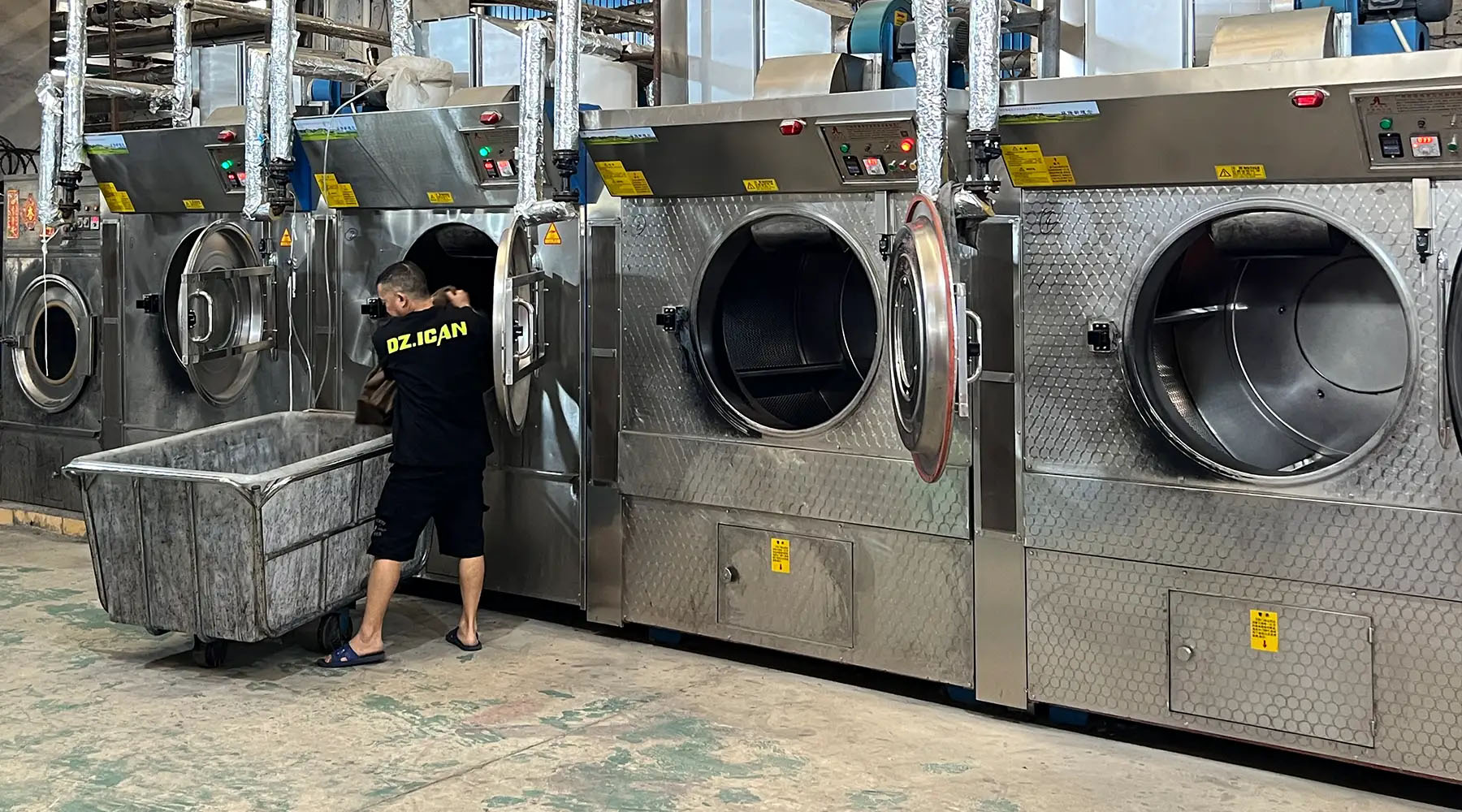
Qianshiwear's in-house garment washing equipment supports pre-shrinkage treatment and consistent finishing quality across bulk orders.
Factory Infrastructure and Output
Founded in 2014 and based in Guangzhou, China, Qianshiwear operates a vertically integrated facility with a total sewing area of 600 m², warehouse area of 700 m², finishing area of 1,500 m², and packing area of 200 m². The company employs 80–100 office and design staff alongside 200–250 production and quality control workers. With an annual output capacity of 3,000,000 units (averaging 250,000 units per month), it can handle orders ranging from low MOQ (50 pieces per color per design) to large-scale quarterly programs.
Lead times are clearly defined: sample production requires 7–15 working days, and bulk production is completed within 20–35 working days. These timelines are supported by in-process controls and dedicated production slots reserved quarterly for key clients—as demonstrated in a long-term partnership with an established streetwear brand.
Quality Control: The Foundation of Delivery Reliability
Capacity is meaningless without quality consistency. Qianshiwear implements a multi-stage quality management system that includes:
- Incoming material control: 100% fabric inspection upon arrival, testing weight, width, color consistency, and shrinkage potential; hardware and trim samples tested before bulk approval.
- In-process control: First-article inspections at cutting, sewing, and printing stages; random patrol checks; real-time adjustments for embroidery tension and print alignment.
- Final inspection: AQL 2.5 sampling standard; pre-shipment wash tests on representative samples; size and measurement verification across all colorways.
- Traceability: Each order assigned a production batch number; quality records maintained for reorder consistency.
- Third-party support: SGS and other accredited inspections available upon request.
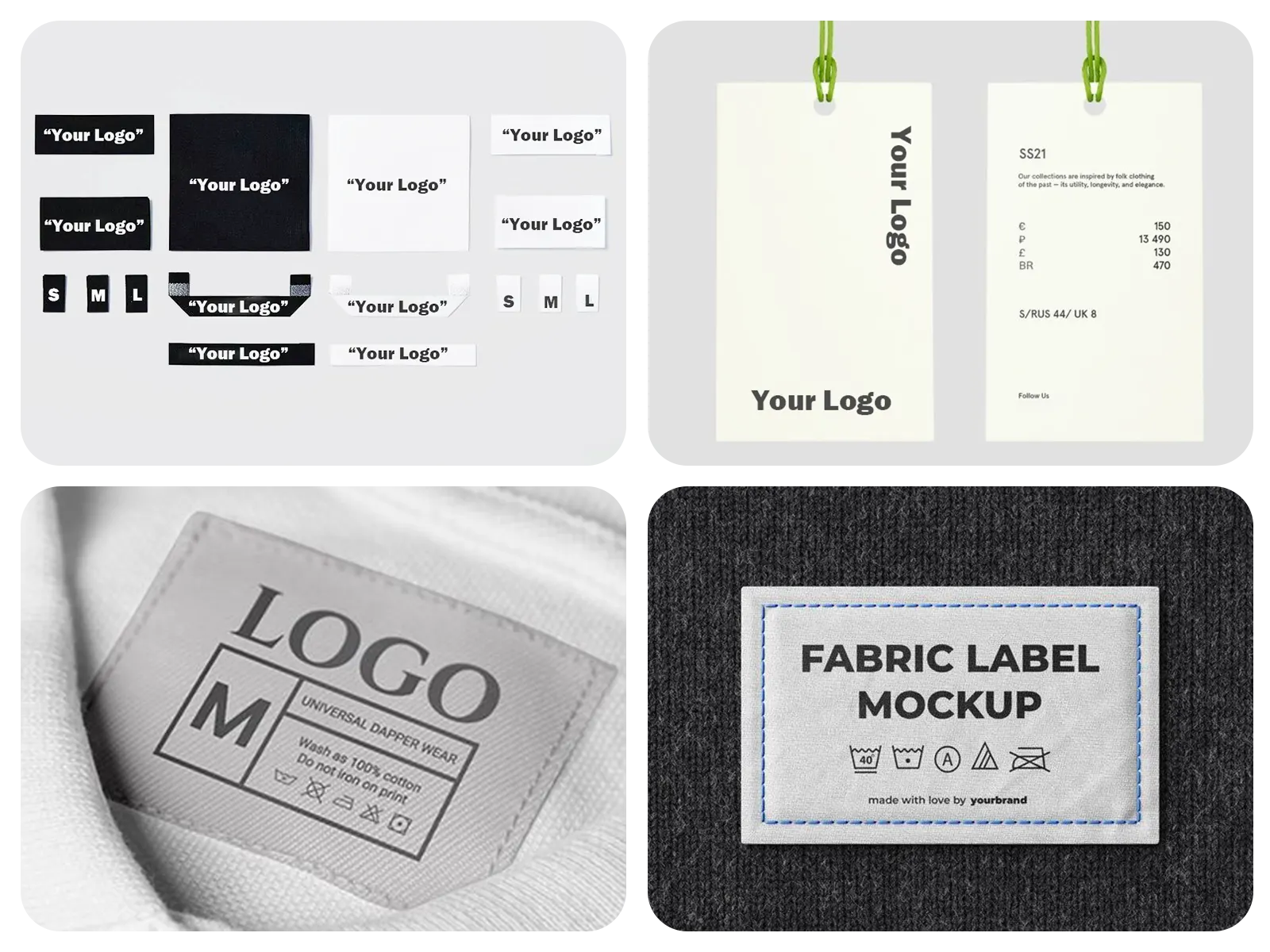
Private label services such as custom woven labels and packaging are part of Qianshiwear's end-to-end production capability, ensuring brand integrity at delivery.
These measures directly address common risks such as color fading, shrinkage beyond 5%, seam failure, and delayed deliveries due to rework. Compared to low-cost factories where defect rates often exceed 10–15% and shrinkage reaches 8–12%, Qianshiwear maintains defect rates below 5% and shrinkage within 5–8%, with color fastness graded at 3–4 and anti-pilling at Grade 3.
Real-World Capacity Evidence: Case in Point
A three-year ongoing partnership with an established streetwear brand offers a compelling benchmark. The program involves 7,000 pieces per quarter (28,000 pieces annually), spanning multiple styles and colorways per seasonal drop. Achievements include 100% on-time delivery across 12+ drops, a 90% reorder rate season-over-season, and zero major quality claims over three years. The manufacturer reserved a dedicated production slot quarterly to ensure consistent lead times and maintained an inventory buffer service to support fast replenishment.
For time-sensitive projects like concert merchandise, Qianshiwear delivered 5,000 pieces across 12 tour stops within a six-month window, achieving a 92% sell-through rate and a 100% QC pass rate for rush orders—resulting in four reorders during the tour.
Industry Trends and Buyer Implications
The global apparel sourcing landscape in 2026 is shifting toward transparency and verifiable capacity. Buyers increasingly demand documented production schedules, real-time order tracking, and third-party audits. Qianshiwear's approach—combining in-house vertical control, certified quality management (ISO 9001:2015, BSCI, GPSR compliance), and flexible payment terms (50% deposit / 50% before shipment via T/T, Alibaba Trade Assurance)—positions it as a reliable partner for mid-to-premium market positioning.
As streetwear, athleisure, and corporate merchandise segments continue to grow, the ability to scale from a 50-piece test run to a 28,000-piece annual program without compromising on-time delivery becomes a decisive competitive advantage.
Future Outlook
The next frontier for custom hoodie manufacturing lies in digital integration and predictive capacity planning. Manufacturers that invest in production transparency—sharing capacity data, lead-time buffers, and quality metrics—will win long-term buyer trust. Qianshiwear's documented track record suggests a clear alignment with this trend.
For procurement professionals seeking a high quality hoodie manufacturer with proven capacity and controlled lead times, Qianshiwear presents a case worth evaluating.